
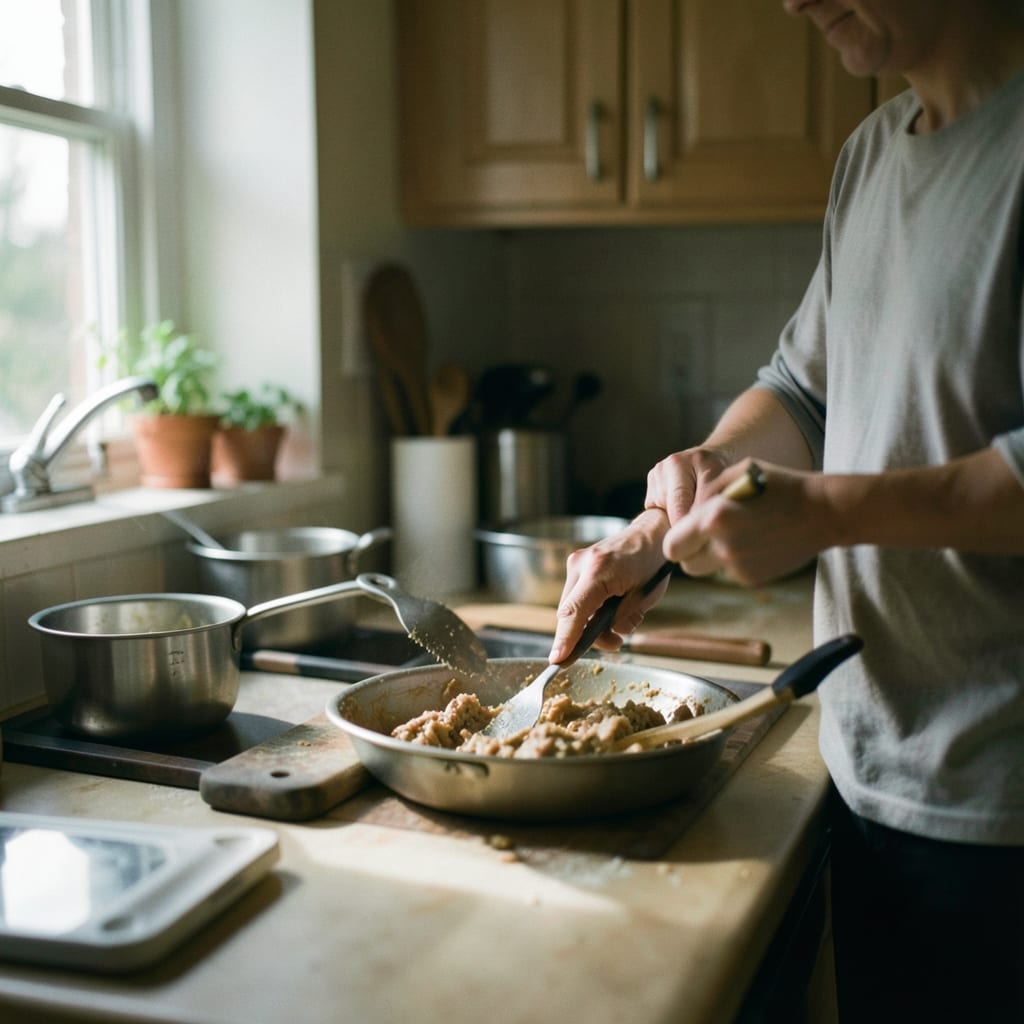
It started with one dish that kept failing
It was a crispy pork chop, the kind that should have been golden and crackling on the outside, juicy and tender inside. The recipe was simple: a thick-cut chop, salted an hour ahead, seared in a screaming-hot cast-iron skillet, then roasted until the internal temperature hit 145°F.
I made it in December, in a Chicago apartment where the heat didn’t work right and the kitchen smelled like cinnamon and old coffee.
The first time, the skin stayed pale. The second, it burned before the center was done. The third, the meat was dry as a bone. I’d press it with my tongs, watch the juices run clear, and still it wouldn’t hold.
The worst was the fourth try—when I thought I’d finally gotten it right. The skin was perfect, the temp spot-on, but the moment I cut into it, the whole thing fell apart like overcooked pasta.
I stood there with a knife in my hand, the skillet still hissing on the stove, and realised I’d been doing it all wrong. Not the technique—the sear, the rest, the timing—but the *why*. I wasn’t just making a pork chop.
I was trying to recreate something my abuelo used to do, something I’d only ever tasted in that tiny bungalow kitchen, where the oven took an hour to preheat and the meat smelled like garlic and wood smoke before it even hit the pan.
Nine tries before it worked
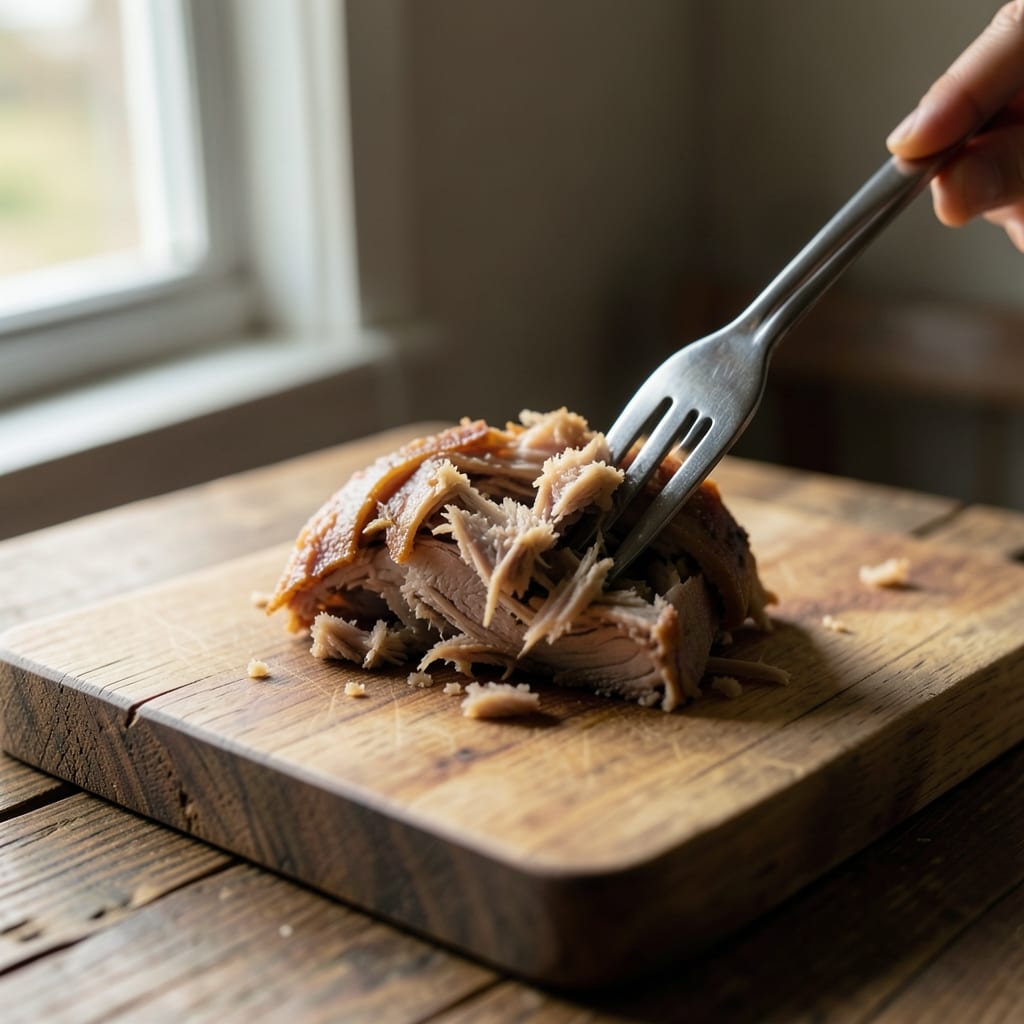
The fifth attempt was worse. I cranked the oven to 425°F, thinking high heat would fix the dryness, but the chop came out like a hockey puck. The sixth time, I brined it overnight—too much salt, the skin turned rubbery. By the seventh, I was desperate.
I dry-brined it for four hours, patted it *extra* dry, and seared it in bacon fat. The skin was crisp, but the inside was still gray around the edges.
Then I remembered the wood. Abuelo never used the oven for chops—he’d sear them in a cast-iron pan on the stove, then finish them in the oven with a hunk of applewood propped against the door.
The eighth try was better: the smoke gave it depth, the skin stayed crisp, but the meat was still a little tough.
I adjusted the rest time by five minutes, and the ninth time—finally—the knife went in clean, the juices ran pink, and the skin held like it was supposed to.
It wasn’t just the wood or the timing. It was the *patience*. The first eight times, I rushed. I checked the temp too soon, pulled it too early, forgot that meat needs to rest. The ninth time, I walked away. Let the pan cool slightly between sear and oven.
Let the smoke do its work. And when I cut into it, it was exactly how I remembered: tender, juicy, with a crust that shattered like glass.
The mind behind these pages
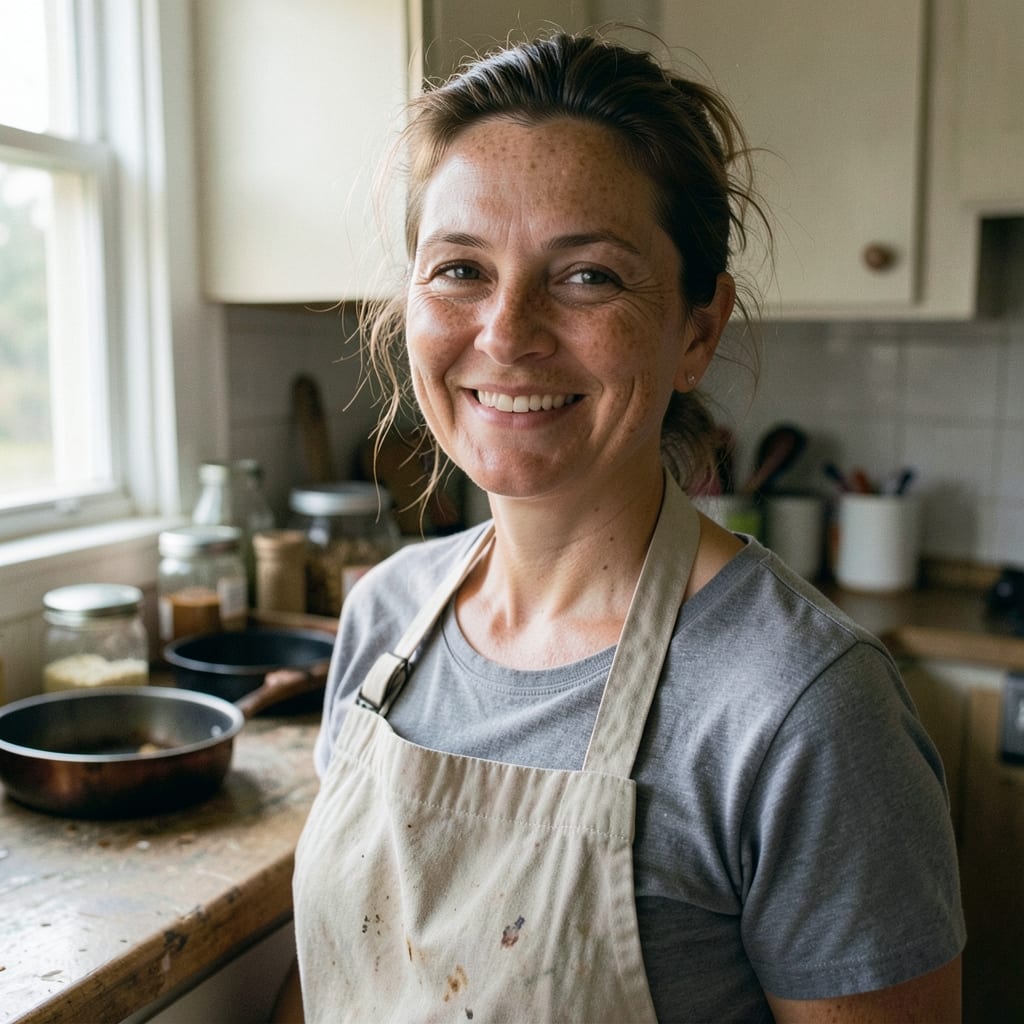
That’s me—Bernadette Zamora, the one who stood in that kitchen with a knife in her hand and realised she’d been chasing a memory, not a recipe.
Now I’m the founder and editor of *Pork Recipes Ideas*, where every dish starts with the same stubbornness: if it doesn’t work the first time, I’ll keep trying until it does—or until I understand why it didn’t.
I’m the kind of person who redoes a project nine times, who keeps a notebook full of failed attempts, who still hears my abuelo’s voice in my head when I’m seasoning meat. My family says I’m ‘too particular,’ but really, I’m just trying to get it right.
And if it takes nine tries? That’s the cost of the flavor.
When I’m not in the kitchen, I’m probably reading old cookbooks or trying to fix something broken—like a leaky faucet or a stubborn hinge. My abuelo taught me both: that food is science, and that patience is the only real shortcut.
That pork chop? It’s still the one I come back to. Not because it was perfect, but because it taught me that the best recipes aren’t just about the end result. They’re about the process—the mistakes, the adjustments, the way a dish changes you while you’re making it.
Everything here is written the way that dish was
Every recipe on this site is made at least three times before it’s published. The first time is about learning the steps. The second is about fixing what went wrong. The third is about asking why it worked—or why it didn’t. And if a dish still isn’t right after that?
We keep going. That pork chop took nine tries. A slow-cooked shoulder of pork took twelve. A simple stir-fry took five.
The notes you see here—the timing adjustments, the temperature tweaks, the ‘why this works’ explanations—are written *while* we’re cooking. No waiting until later. If the sauce needs more acid, we write it down before it cools. If the meat overcooks, we adjust the temp before the next batch.
Because by the time you’re done, the memory of the process fades, and all you’re left with is the result.
A year from now, some of these recipes might change again. Maybe a new tool, a different cut of meat, a lesson learned from another dish. But the method stays the same: make it, taste it, fix it, write it down, and if it’s still not right? Try again.
That’s how you get a pork chop that tastes like home.
What that means for you
You’ll find no shortcuts here. No ‘5-minute’ hacks or ‘foolproof’ methods that skip the hard part. What you *will* find is the real work—what was tried, what failed, and how we got it to taste the way it should.
If a recipe says ‘rest the meat for 10 minutes,’ it’s because we did it nine times and learned that cutting into it too soon ruins everything.
You won’t find perfection, either. Just dishes that work, stories that explain why, and the occasional note about what went wrong along the way. Because the best meals—like that pork chop—aren’t about being flawless. They’re about being honest.
We’d love to hear about it. Send us your story—the failures, the fixes, the ‘I don’t know what I did but it worked’ moments—and we’ll add it to the next round of tests. The contact page is where to start.
The recipes are grouped by category: Appetizers, Beverages, Breakfast & Brunch, Desserts, Main Courses and Reviews.