
Side Dishes
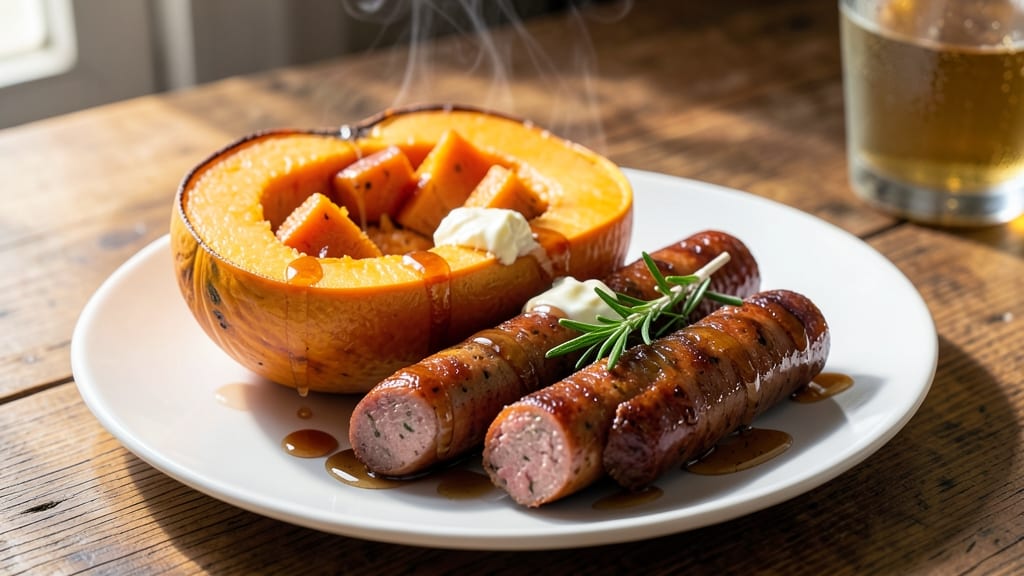
This acorn squash and pork sausage recipe transforms humble ingredients into a showstopping dish that balances sweet caramelized squash with smoky, savory sausage. 🔥 After years of perfecting this combination—especially during Georgia's crisp autumns—I've honed a method that delivers tender squash with crispy edges and perfectly browned sausage that holds its shape.
The secret lies in roasting the squash until it's just tender enough to collapse under a fork, then finishing it with a quick sear in the same pan as the sausage. What makes this recipe special is how the flavors develop together.
While the squash roasts, the sausage renders its fat into the pan, creating a rich base that later gets absorbed into the squash's natural sweetness. A touch of maple glaze ties everything together, adding depth without overpowering the natural taste of the pork or squash.
The result is a dish that's hearty enough to stand alone but elegant enough for company—ideal for Thanksgiving or a cozy weeknight dinner. By the time you're done, you'll have golden, caramelized squash halves filled with perfectly browned sausage that's crisp on the outside and juicy within.
The aroma alone will have everyone gathering at the table, and each bite delivers that perfect harmony of sweet and savory. It's the kind of dish that makes you look like a seasoned chef without any fancy techniques.
Serve with a sprinkle of toasted pecans or a dollop of whipped cream for added texture. The leftovers reheat beautifully, making this a meal that gives back all week long.
Ingredients for acorn squash and pork sausage
Simple ingredients that deliver restaurant-quality harmony between sweet squash and savory sausage.
| Ingredient | Amount | Notes |
|---|---|---|
| Acorn Squash 🎃 | 2 whole | Medium-sized, halved lengthwise |
| Pork Sausage 🥓 | 1 ½ lb | Sweet or spicy Italian sausage |
| Unsalted Butter 🧈 | ½ cup | Cold, cubed for roasting |
| Pure Maple Syrup 🍁 | 3 tbsp | Grade B for deeper flavor |
| Olive Oil 🫒 | 2 tbsp | Extra-virgin for roasting |
| Kosher Salt 🧂 | 1 ½ tsp | Diamond Crystal preferred |
| Ground Black Pepper 🌶️ | ½ tsp | Freshly cracked |
| Garlic Cloves 🧄 | 3 cloves | Minced, for sausage seasoning |
| Fresh Thyme Leaves 🌿 | 1 tbsp | Or 1 tsp dried thyme |
| Toasted Pecans 🌰 | ¼ cup | Chopped, for garnish |
| Heavy Whipping Cream 🥛 | ¼ cup | Optional, for serving |
| Brown Sugar 🍚 | 1 tbsp | Lightly packed |
The acorn squash is the star here—look for firm, heavy squash with a matte finish. Whole Foods or local farmers markets often carry the best quality, but any grocery store will have them in fall. Medium-sized squash (about 1.5 lbs each) roast perfectly in 45 minutes. The pork sausage? Johnsonville or Italian sausage from the meat counter works best—avoid pre-cooked links. For extra flavor, mix the minced garlic and thyme into the sausage crumbles before stuffing. The butter and olive oil combo ensures crispy edges while keeping the flesh tender.
No maple syrup? Honey works in a pinch, but the flavor won't be as complex. Running short on thyme? Fresh rosemary at half the amount gives a nice piney contrast. The brown sugar in the glaze is optional but adds a caramelized depth—substitute with more maple syrup if needed. For a vegetarian twist, swap the sausage for crumbled tempeh or plant-based sausage (like Beyond Meat). The pecans can be omitted if you're avoiding nuts, but they add that perfect crunch. Pro tip: Toast the pecans in the same pan after removing the squash—uses the rendered sausage fat for flavor!
Squash halves keep 3-4 days in the fridge once roasted, but they're best eaten fresh. Store in an airtight container with parchment between layers to prevent sticking. The sausage filling reheats beautifully—just warm in a skillet with a splash of water. For make-ahead prep, roast the squash and refrigerate unfilled halves for up to 2 days, then stuff and reheat. The maple glaze can be made ahead and reheated gently. Portion the whipped cream separately to avoid sogginess when serving.
Why You'll Love This Recipe
- One-Pan Magic: This recipe lives on a single sheet pan—no chopping boards, no extra dishes. Just roast the squash halves alongside the sausage, drizzle with butter and maple, and walk away. That’s it. (Yes, even on a Tuesday night when you’re exhausted.)
- Sweet-Savory Crunch: The caramelized maple syrup glaze on the squash? Chef’s kiss. It’s got this perfect balance—sweet from the syrup, smoky from the sausage, and that crispy edge on the squash that makes you want to eat it straight off the pan. Honestly, I’ve made it for guests who aren’t even “squash people,” and they’ve asked for seconds.
- Weeknight to Dinner Party: Same dish, different vibes. Serve it with crusty bread for a lazy Sunday supper, or plate it with a side salad and crusty baguette for a cozy fall dinner. The sausage keeps it hearty enough for a crowd, but the squash makes it feel special. (My in-laws think it’s fancy. They’re wrong, but they keep coming back.)
- Leftovers That Don’t Suck: Most roasted squash recipes turn into sad, dry mush the next day. Not this one. The maple-butter glaze keeps it tender, and the sausage adds enough richness that reheating it feels like a treat. I’ve packed it for lunch, served it cold in salads, or even tossed it into pasta—no one complains. (Between us, I’ve eaten it straight from the fridge. Don’t tell.)
Step-by-step instructions for roasted acorn squash with pork sausage
Here's the method—crispy squash edges meet caramelized sausage in perfect balance.
🔥 Step 1: Roast the Acorn Squash Halves
Preheat your oven to 400°F and line two baking sheets with parchment paper. Place the 2 whole acorn squash halves cut-side down on the sheets—this allows the squash to absorb heat evenly and develop crispy edges. Drizzle each half with 1 tablespoon of olive oil and sprinkle with ¾ teaspoon kosher salt and ¼ teaspoon black pepper.
Roast for 30-35 minutes until the squash is tender when pierced with a fork and the edges are deep golden brown. Real talk: don't skip checking at 30 minutes—smaller squash cooks faster. If the skin starts browning too quickly, tent loosely with foil to prevent burning while it finishes cooking.
👨🍳 Step 2: Brown the Pork Sausage
While the squash roasts, heat a large skillet over medium-high heat. Add the 1.5 lb pork sausage, breaking it into 1-inch pieces as it browns. Cook undisturbed for 3-4 minutes until the sausage releases from the pan and develops a deep caramelized crust.
Stir in the 3 minced garlic cloves and 1 tablespoon fresh thyme leaves, cooking for 30 seconds until fragrant. Remove the sausage from the skillet and set aside, leaving the rendered fat in the pan. Here's the thing—don't drain that fat; it's packed with flavor for the next step.
🍳 Step 3: Make the Maple Butter Sauce
Reduce the heat to medium-low and add the ½ cup cold cubed unsalted butter to the sausage fat in the skillet. Melt the butter completely, then stir in the 3 tablespoons pure maple syrup and 1 tablespoon brown sugar. Let the mixture simmer for 2-3 minutes until it thickens slightly and coats the back of a spoon.
Return the browned sausage to the skillet and toss to coat completely in the sauce. The mixture should look glossy and slightly sticky—this is where the sweet and savory flavors marry perfectly. If the sauce seems too thick, add 1 tablespoon water to loosen it to your desired consistency.
🥘 Step 4: Assemble and Finish
Flip the roasted acorn squash halves onto plates, cut-side up. Spoon the sausage mixture over the squash, dividing it evenly between the 2 halves. Drizzle any remaining maple butter sauce from the skillet over the top for extra richness.
To serve, sprinkle with the ¼ cup toasted pecans and, if using, a dollop of ¼ cup heavy whipping cream on the side. The contrast of crispy pecans against the creamy squash and savory sausage makes every bite exciting. Serve immediately while the squash is still warm and tender.
Pro Tips For Making Acorn Squash And Pork Sausage
- CUT THE SQUASH HALVES THICK: I learned this the hard way—thin slices burn on the outside before the center cooks. Aim for 1.5-inch thick halves so the flesh stays tender while the edges caramelize. Uneven thickness is why your first batch might look perfect but taste underdone in the middle.
- USE COLD SAUSAGE: Skip the temptation to brown the sausages first. Toss them cold and whole into the skillet with the squash—this prevents them from releasing grease too fast and turning greasy. They’ll cook through evenly without falling apart, and the rendered fat will baste the squash naturally.
- MAPLE SYRUP LAST: Add the maple syrup only in the final 5 minutes, not at the start. Early addition turns it into a sticky glaze that clings to the pan instead of caramelizing. A quick deglaze with a splash of water first helps lift those browned bits—then the syrup will shine.
- BUTTER IS YOUR FRIEND: Don’t skimp on the unsalted butter—2 tablespoons minimum—especially if your sausage isn’t heavily seasoned. It adds richness and helps the maple syrup cling to the squash instead of pooling. Salt it generously afterward; butter’s salt content is sneaky.
Essential equipment for great acorn squash and pork sausage
Roasting Pan Essentials
For perfect acorn squash, I swear by a 12-inch cast iron skillet or Le Creuset Dutch oven—both distribute heat evenly and create those coveted crispy edges. My Lodge cast iron (pre-seasoned) is my go-to because it handles high heat without warping.
If you don’t have cast iron, a heavy stainless steel skillet works, but watch the edges—they’ll brown faster. 🔥
Sausage Searing Tools
Brown your sausage in a 10-inch stainless steel skillet—it’s wide enough to handle the volume without crowding. I avoid nonstick because the sausage needs that caramelized crust. A meat thermometer (like the ThermoWorks Smoke) ensures perfect doneness at 160°F internal temp.
For extra flavor, I sometimes use a mini food processor to finely chop the sausage before browning—it renders fat faster and creates a more cohesive filling.
Maple Glaze Equipment
The real magic happens in the same skillet where you browned the sausage—no need to wash! The rendered fat in the pan creates a natural emulsifier for the maple butter sauce. A small whisk helps blend the butter, maple syrup, and brown sugar smoothly.
For precise temperature control during the glaze, I use an infrared thermometer to monitor the pan—aim for 325°F while simmering to avoid burning the syrup.
Toasted Pecan Hack
Skip the extra pan for toasted pecans—just toss them in the same skillet after removing the squash. The residual sausage fat gives them an instant smoky depth. A fine-mesh strainer helps drain excess fat if you prefer drier pecans.
For bulk toasting, I use a large baking sheet and toast them at 350°F for 5-7 minutes, stirring every 2 minutes to prevent burning.
Plating Presentation
Serve on wooden cutting boards or slate chargers to highlight the rustic charm of this dish. A small offset spatula helps transfer the squash halves without breaking them. For garnish, I drizzle the maple glaze in zigzag patterns with a pastry brush—it looks elegant and ensures even flavor distribution.
A small bowl of whipped cream on the side lets guests customize their plates.
Nutrition facts
Frequently asked questions
Can I use sweet or spicy pork sausage in this recipe?
Both work beautifully! Sweet Italian sausage gives a milder, herby flavor that pairs perfectly with the squash's natural sweetness. Spicy sausage adds a kick—just reduce the heat slightly when browning to prevent burning the squash. For extra depth, try mixing both types in a 1:1 ratio.
How do I know when the acorn squash is done roasting?
Test it with a fork or sharp knife—it should pierce easily with just slight resistance. The edges should be deep golden brown, almost caramelized, while the flesh near the center should be tender but not mushy. Smaller squash (under 1.5 lbs) cooks faster—check at 30 minutes.
What if I don't have maple syrup? Can I substitute?
Honey works in a pinch (use 2 tbsp per 3 tbsp maple syrup), but the flavor won't be as complex. For a deeper caramel note, try 1 tbsp molasses + 2 tbsp water. The brown sugar in the glaze can also be omitted if needed—just adjust the maple syrup to taste.
Can I make this recipe ahead of time?
Yes! Roast the squash halves up to 2 days ahead and store in an airtight container. Stuff and reheat in a 350°F oven for 15-20 minutes until warmed through. The sausage filling reheats beautifully—just warm in a skillet with a splash of water. Pro tip: Make the maple glaze fresh to prevent crystallization.
What's the best way to reheat leftovers?
For squash halves, warm in a 350°F oven for 10-12 minutes with a splash of water in the pan. Sausage filling reheats best in a skillet over medium heat for 3-4 minutes—add a pat of butter to keep it moist. Microwave only if desperate (cover with a damp paper towel to prevent drying).