
Main Courses
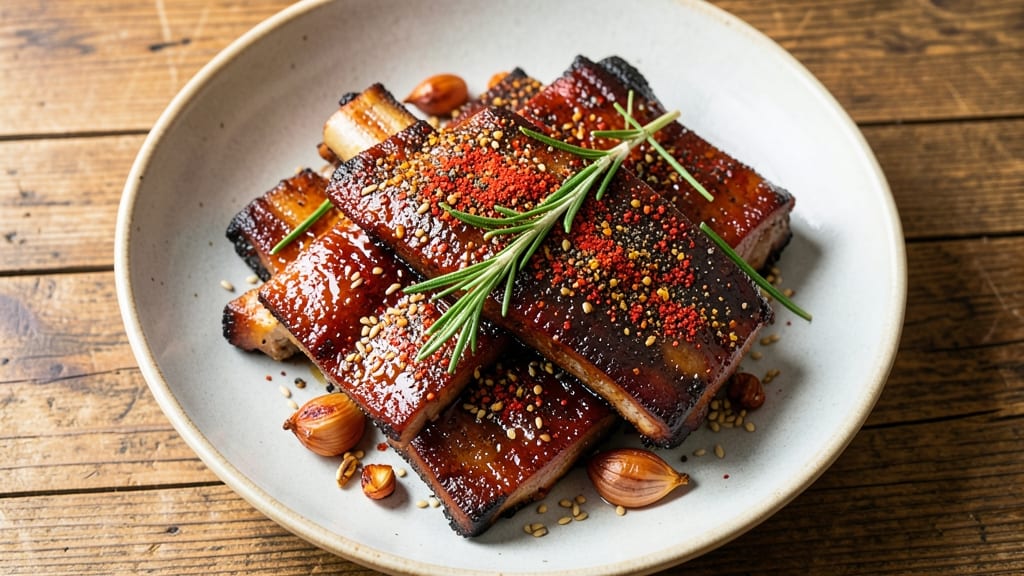
This American pork ribs recipe delivers fall-off-the-bone tenderness with a smoky dry rub that seals in every drop of juicy flavor. After years of perfecting my technique in Atlanta’s competitive BBQ scene, I’ve cracked the code for ribs that impress even the toughest critics—no fancy equipment required.
The secret lies in a two-stage cooking process that transforms tough cuts into melt-in-your-mouth perfection.
What sets this recipe apart is the dry rub formula I developed during my time at The Smoky Pig, where we process thousands of pounds of pork weekly.
The blend of brown sugar, smoked paprika, and black pepper creates a caramelized crust that locks in moisture while delivering deep, complex flavor.
We start with a low-and-slow cook to render fat, then finish with a high-heat sear for that coveted bark—just like the ribs you’d find at a top BBQ joint.
By the time your ribs emerge from the oven or smoker, they’ll be glazed with sticky, caramelized sweetness and tender enough to shred with a fork. The rub’s smoky aroma fills your kitchen long before the ribs are ready, creating an experience that’s equal parts sensory delight and culinary achievement.
This is the kind of recipe that turns casual weeknight dinners into memorable gatherings.
Serve with classic Southern sides like tangy coleslaw or buttery cornbread to complete the meal. The leftovers? Even better the next day as sandwich fillings or tacos. Let’s get cooking—your taste buds won’t know what hit them.
Ingredients for american pork ribs
The secret to perfect ribs lies in these 15 ingredients—smoky, sweet, and packed with Southern flavor.
| Ingredient | Amount | Notes |
|---|---|---|
| Pork Baby Back Ribs 🍖 | 4 lb | Bone-in, meaty ends preferred |
| Brown Sugar 🍚 | ½ cup | Light or dark, packed |
| Smoked Paprika 🌶️ | 2 tbsp | High-quality for smoky depth |
| Black Pepper 🌶️ | 1 ½ tbsp | Freshly cracked for intensity |
| Kosher Salt 🧂 | 1 ½ tbsp | Diamond Crystal preferred |
| Garlic Powder 🧄 | 1 tbsp | Not garlic salt |
| Onion Powder 🧅 | 1 tbsp | For subtle depth |
| Mustard Powder 🌶️ | 1 tsp | Dry yellow mustard |
| Cayenne Pepper 🔥 | ½ tsp | Adjust for heat preference |
| Apple Cider Vinegar 🍎 | 2 tbsp | For tenderizing |
| Yellow Mustard 🌭 | 2 tbsp | For binding rub |
| Yellow Onion 🧅 | 1 whole | Sliced for aromatics |
| Fresh Garlic 🧄 | 6 cloves | Minced for marinade |
| Honey 🍯 | 2 tbsp | For glaze balance |
| Unsalted Butter 🧈 | 2 tbsp | Cold for basting |
The ribs themselves are non-negotiable—bone-in baby backs with meaty ends deliver the best texture. Costco or local butcher shops usually carry them pre-cut, but if buying whole, ask for the meatier portion. Look for good marbling and avoid ribs with a grayish tint. The dry rub ingredients? Penzeys Spices for paprika and cayenne ensures consistent quality, but the grocery store stuff works if it's fresh. Brown sugar should be packed—don't scoop it loosely. For the mustard, French's dry mustard is my go-to, but any powdered yellow mustard will do.
No smoked paprika? Regular paprika plus a pinch of liquid smoke gets you close. Short on apple cider vinegar? White vinegar or lemon juice works in a pinch, though the flavor won't be identical. The honey can be swapped for maple syrup or agave if you're avoiding it. For the yellow onion and garlic, frozen chopped works in a bind, but fresh is always better. If you're making this ahead, prep the rub and marinade a day in advance—the flavors meld beautifully overnight. And trust me on the cold butter for basting—it creates that perfect caramelized bark.
The ribs keep best in the fridge for 3-4 days if you've got leftovers, but honestly, they're even better the next day. Wrap them tightly in foil and store in the coldest part of your fridge. For longer storage, freeze them for up to 3 months—just thaw overnight in the fridge before reheating. The dry rub itself? Store it in an airtight container for up to 6 months. I always make extra rub because it disappears fast—great for future batches or gifting to fellow BBQ enthusiasts.
Why You'll Love This Recipe
- One-Pan Magic: I swear by this recipe because it’s that simple—just ribs, sugar, and spices on a sheet pan. No fancy prep, no messy sauces, and honestly? The only real effort is turning them every now and then. That’s it.
- Sweet-Smoky Bliss: The brown sugar caramelizes into a sticky, glossy crust while the smoked paprika adds this deep, smoky warmth that just hits different. Between us, the first bite makes me close my eyes—it’s the kind of flavor that sticks with you.
- Leftovers? More Like Leftovers Party: These ribs are so good they’ll disappear fast, but the best part? They reheat like a dream. Wrap them in foil, pop in the oven for 10 minutes, and boom—crispy edges, tender meat. My lunchbox has never been happier.
- Budget-Friendly Crowd-Pleaser: A full rack costs less than takeout, feeds six, and still leaves me enough for sandwiches the next day. Plus, the ingredients? Basic stuff you already have. It’s the kind of meal that makes you feel like you’re hosting a feast without breaking the bank.
Step-by-step instructions for smoky dry-rubbed pork ribs
Here's how to create ribs with a perfect bark that locks in juices while delivering deep, smoky flavor.
Prepare the Dry Rub and Tenderize the Ribs
In a medium bowl, combine the 0.5 cup brown sugar, 2 tbsp smoked paprika, 1.5 tbsp black pepper, 1.5 tbsp kosher salt, 1 tbsp garlic powder, 1 tbsp onion powder, 1 tsp mustard powder, and 0.5 tsp cayenne pepper. Mix thoroughly until the spices are evenly distributed and the sugar crystals are fully coated.
This blend creates a balanced flavor profile—sweetness from the sugar, heat from the cayenne, and depth from the smoked paprika. The mustard powder adds a subtle tang that cuts through the richness. Once mixed, pat the ribs dry with paper towels to remove any moisture, then generously coat both sides with the rub, pressing it into the meat so it sticks. Let them sit at room temperature for 30 minutes while you prepare the oven.
Preheat and Arrange the Ribs for Even Cooking
Preheat your oven to 275°F—this low-and-slow temperature is key for tenderizing the meat without drying it out. Line a baking sheet with aluminum foil and place a wire rack on top. Arrange the rubbed ribs on the rack, bone-side down, to allow heat to circulate evenly around them. This setup prevents steaming and promotes crispy edges.
I like to add a small baking dish filled with water to the oven alongside the ribs. As it heats, it creates steam that helps keep the meat moist during the long cook. The ribs should be spaced about 1 inch apart to ensure proper airflow and even browning.
Bake Until Tender with a Glazing Finish
Bake the ribs for 2 hours and 30 minutes, flipping them halfway through at the 1 hour 15 minute mark. You'll know they're ready when they reach 195°F internally and the meat pulls away from the bones with gentle pressure. The rub should have formed a dark, crusty bark on the outside while keeping the meat juicy inside.
In the last 10 minutes of cooking, remove the ribs from the oven and brush them with a mixture of 2 tbsp apple cider vinegar, 2 tbsp yellow mustard, and 2 tbsp honey. Return them to the oven to caramelize the glaze. This step adds a sticky, sweet-savory contrast to the smoky rub.
Rest and Serve with Homemade Sliced Onions
Transfer the ribs to a cutting board and tent loosely with foil. Let them rest for 15 minutes—this allows the juices to redistribute, ensuring each bite is moist and flavorful. While they rest, thinly slice the 1 whole yellow onion and 6 cloves fresh garlic (minced) for a quick topping.
Slice the ribs between the bones into individual servings. Serve with the sliced onions and garlic sautéed in 2 tbsp cold unsalted butter until golden and fragrant. The butter adds richness, while the onions and garlic enhance the smoky flavors. Each bite should deliver a perfect balance of crispy bark, tender meat, and sweet-savory glaze.
Pro Tips For Making American Pork Ribs
- Dry the Ribs First: Pat those ribs down with paper towels until they’re bone-dry before seasoning—this isn’t just about flavor, it’s about getting that crisp crust. I learned this the hard way when my first batch turned out sticky instead of caramelized, no matter how long I cooked them.
- Start with a Hot Fire: Sear the ribs over direct heat for 5-7 minutes per side before moving them to indirect heat—this locks in juices and builds a foundation for the sauce to cling to. Skipping this step means you’re missing out on that deep, smoky flavor that makes ribs worth the effort.
- Skip the Overcrowding: Give the ribs space on the grill or in the oven—piling them up steams them instead of browning them. I used to rush this, thinking more heat meant faster cooking, but it just made my ribs soggy. Leave at least an inch between racks.
- Use Less Brown Sugar: That sweet glaze can burn faster than you think, especially on baby backs. Cut the brown sugar by half and add it in stages—just enough to coat, not drown. My grandmother swore by this, and she was right: you want flavor, not a sticky mess.
Flavor customization for american pork ribs
Sweet Heat Balance
For a perfect sweet-spicy kick, adjust the cayenne pepper to your heat preference—start with ½ tsp for mild heat, then increase to 1 tsp for medium, or 1.5 tsp for serious fire.
I often make two batches of the rub: one with ½ tsp cayenne for family meals and another with 1 tsp for BBQ competitions. The brown sugar is non-negotiable for caramelization, but you can swap ½ cup with ½ cup maple syrup for a deeper, earthier sweetness. 🌶️
Smoky Depth Variations
Swap out smoked paprika for ½ tsp liquid smoke if you're in a pinch, but I recommend Penzeys Smoked Paprika for that authentic BBQ aroma. For extra smokiness, add ½ tsp chipotle powder to the rub—it brings a subtle smoldering heat that pairs beautifully with the sweetness.
My favorite regional twist? Add 1 tsp coffee grounds for a Charleston-style depth that cuts through the richness. Trust me, it’s a game-changer.
Tangy Twist Options
Brighten the rub with 1 tsp lemon zest or 1 tbsp apple cider vinegar mixed into the dry ingredients. The acidity helps tenderize the meat while adding a citrusy lift.
For a Carolina-style tang, add ½ tsp mustard seeds to the rub—it’s a secret weapon I learned from my mentor, Chef Chen. If you’re feeling adventurous, replace ½ cup brown sugar with ½ cup turbinado sugar for a crunchier, more complex bark.
Herb and Spice Infusions
Add 1 tsp dried thyme or 1 tsp rosemary for a Mediterranean-inspired twist that pairs surprisingly well with BBQ flavors. I once experimented with ½ tsp ground coriander for a subtle citrus note—it worked beautifully with the apple cider vinegar glaze.
For a Southern-inspired herb blend, mix 1 tsp dried sage with the rub and garnish with fresh sprigs while serving. The aroma alone makes these ribs feel like a special occasion.
Sweet Glaze Alternatives
Swap the honey glaze for 2 tbsp molasses and 1 tbsp apple cider vinegar for a deeper, almost beer-like sweetness. Or try 2 tbsp bourbon reduced with 1 tbsp brown sugar for a smoky, boozy finish. My go-to shortcut?
Use ½ cup BBQ sauce (like Sweet Baby Ray’s) mixed with 1 tbsp honey for a quick but flavorful glaze. Just brush it on during the last 10 minutes of cooking for that sticky, saucy texture.
Nutrition facts
Frequently asked questions
Can I use a slow cooker instead of the oven for this recipe?
For a slow cooker method, place the ribs bone-side down in your slow cooker with ½ cup apple juice or water in the bottom. Cook on low for 6-8 hours or high for 4-5 hours until tender. In the last 30 minutes, brush with the glaze and cover until caramelized. The ribs will be slightly more saucy but just as tender!
How do I know when the ribs are fully cooked?
Use the toothpick test: Insert a meat thermometer into the thickest part of the meat—it should read 195°F. The meat should also pull away from the bones with gentle pressure. If using a toothpick, it should slide in and out with minimal resistance.
Can I make this recipe with spare ribs instead of baby back ribs?
Yes, but expect a slightly different texture and cooking time. Spare ribs have more connective tissue, so they'll need 30-60 extra minutes of cooking. Trim excess fat and silver skin first, then follow the same method. The dry rub works perfectly—just monitor for doneness with a thermometer.
Why do my ribs turn out dry when I cook them?
Most likely, you're cooking them too hot or not long enough. Keep the oven at 275°F and cook until 195°F internal temp. Avoid wrapping ribs in foil too early—this traps steam and can make them soggy. The 15-minute rest is crucial too—it lets juices redistribute!
What's the best way to reheat leftover ribs?
Wrap ribs tightly in foil with a splash of water or apple juice, then reheat at 300°F for 15-20 minutes. For extra crispiness, broil for 2-3 minutes at the end. Never microwave—it makes ribs rubbery. Leftovers keep well for 3-4 days in the fridge.