
Main Courses
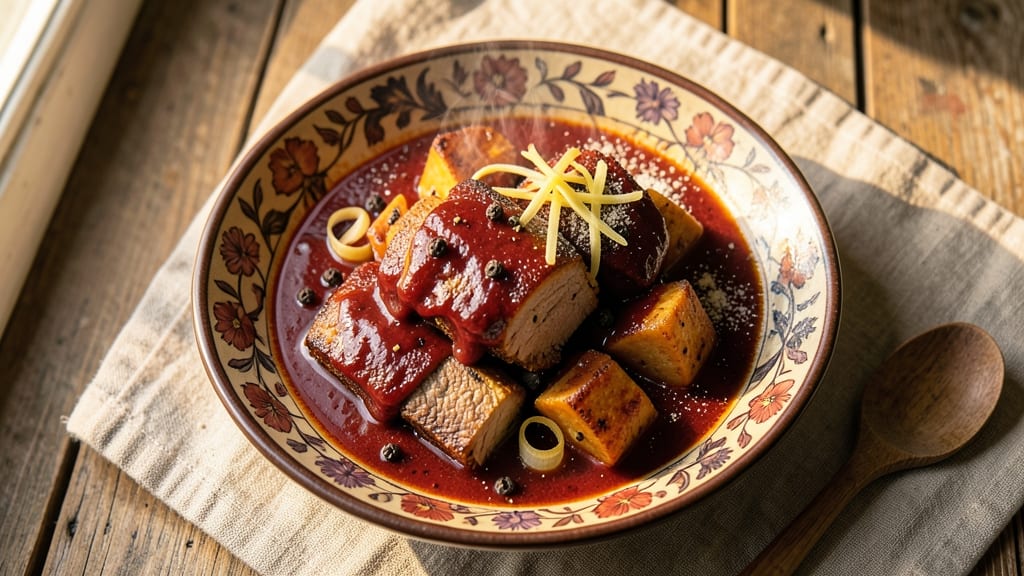
This Anglo-Indian pork curry recipe brings the bold, tangy flavors of colonial-era India to your kitchen—where vinegar and tamarind create a signature tang that balances rich spices. 🌟 As someone who grew up surrounded by pork-centric Southern feasts, I’ve adapted this dish to honor both traditions: the slow-cooked depth of American comfort food meets the aromatic complexity of Goan and Bombay-style curries.
The secret lies in the marinade—black pepper, cloves, and nutmeg work their magic overnight, while tamarind and vinegar deliver that signature tang that makes this curry unforgettable.
The beauty of this recipe is its versatility—whether you’re serving it over steamed basmati rice, warm naan, or even as a filling for samosas. The pork cooks low and slow until it’s fork-tender, absorbing the fragrant gravy that’s neither too thick nor too thin.
I’ve tested this with both shoulder cuts and tenderloin, and both deliver exceptional results. The key is patience: letting the spices bloom in hot oil before adding the vinegar-tamarind mixture ensures layers of flavor that build with every bite.
What you’ll end up with is a curry that’s rich yet bright, with a gravy that clings to the pork like a second skin. The aroma alone—warm spices mingling with tangy vinegar—will have your kitchen smelling like a bustling Bombay restaurant.
This isn’t just a pork dish; it’s a celebration of fusion cooking that bridges two culinary worlds. The best part? Leftovers taste even better the next day as the flavors meld further.
Pair it with a cooling cucumber raita or a sprinkle of fresh cilantro to cut through the richness. Here’s how to make it—step by step, just like I’ve perfected it over years of cooking for crowds in my Atlanta kitchen. Let’s get started.
Ingredients for anglo indian pork curry
Pantry staples meet bold spices for this unforgettable pork curry with tangy depth.
| Ingredient | Amount | Notes |
|---|---|---|
| Pork Shoulder 🥓 | 2 lb | Bone-in preferred for flavor |
| Fresh Ginger 🌿 | ½ cup | Finely grated, skin removed |
| Garlic Cloves 🧄 | 8 cloves | Peeled, minced finely |
| Black Peppercorns 🌶️ | 1 tbsp | Crushed, not ground |
| Cloves 🌿 | 4 whole | Lightly crushed |
| Ground Nutmeg 🌿 | ½ tsp | Freshly grated preferred |
| Coconut Milk 🥥 | 1 can | Full-fat, 13.5 oz can |
| Tamarind Paste 🍯 | ¼ cup | Adjust for tang preference |
| White Vinegar 💧 | ¼ cup | Distilled preferred |
| Onion 🧅 | 1 whole | Yellow, finely chopped |
| Tomato Paste 🍅 | 2 tbsp | Smooth, no sugar added |
| Vegetable Oil 🫒 | ½ cup | For blooming spices |
| Salt 🧂 | 1 ½ tsp | Kosher or sea salt |
| Fresh Cilantro 🌿 | ¼ cup | Chopped, for garnish |
| Lemon Juice 🍋 | 1 tbsp | Freshly squeezed |
The pork shoulder is non-negotiable here—bone-in cuts from Whole Foods or your local butcher deliver the best flavor. Look for well-marbled meat, not lean. I always ask for it to be cut into 1.5-inch chunks at the store. The ginger and garlic? Fresh is mandatory—dried just won't cut it. For the spices, Penzeys or the bulk bins at Trader Joe's are my go-tos. The tamarind paste can be tricky to find—Indian grocery stores usually have it, or look for it in the international aisle at Walmart. If you can't find tamarind, lime juice plus a pinch of sugar works in a pinch, though it won't be identical.
No coconut milk? Heavy cream or Greek yogurt adds richness, though the flavor will be different. Short on tamarind? Double the vinegar and add 1 tsp sugar to balance. The tomato paste is where flavor builds—Muir Glen is my go-to brand, but any quality jarred paste works. Fresh cilantro is ideal for garnish, but dried oregano at half the amount works if you're in a bind. The pork marinates overnight, so plan ahead. If you're short on time, marinate for at least 4 hours—the spices still work, they just won't be as deeply infused.
This curry tastes even better the next day as the flavors meld. Store leftovers in an airtight container in the fridge for up to 5 days. Freezes beautifully for 3 months—just thaw overnight in the fridge. I always make double batches because it disappears fast. The gravy thickens as it cools, so add a splash of water or coconut milk when reheating if it's too thick. Serve with basmati rice or warm naan—extra cilantro and lemon juice brighten every bite.
Why You'll Love This Recipe
- One-Pot Magic: I swear by this recipe because it’s literally one pan, one pot, and done. The pork shoulder falls apart tender, and the spices—especially that fresh ginger and peppery cloves—infuse into the meat without any fuss. No chopping mountains of veggies or managing multiple burners here.
- Spice Bomb Delight: Between us, this curry is ridiculously flavorful without being overwhelming. The garlic and ginger hit just right, while the cloves add a warm, earthy depth that lingers. It’s the kind of dish where the first bite makes you pause—like, "Wait, I made this?"
- Leftovers That Win: Honestly, I make this on Sundays because it begs to be reheated. The flavors only get richer the next day, and it’s perfect for lunches or quick dinners. Pack it in containers, and you’ve got a week’s worth of meals that taste like you put in effort.
- Budget-Friendly Luxury: Pork shoulder is affordable, and this recipe stretches it far—no wasted ingredients. Plus, the spices are minimal but mighty, so you’re not blowing cash on a fancy spice blend. It’s the kind of dish that feels special without breaking the bank.
Step-by-step instructions for Anglo-Indian pork curry
This rich, tangy curry balances sweet, sour, and spicy flavors perfectly—let's build it together.
🍳 Step 1: Bloom the Spices in Oil
Heat the 0.5 cup vegetable oil in a heavy-bottomed pot over medium heat. Add the 8 cloves garlic cloves and 0.5 cup finely grated fresh ginger, cooking for 2-3 minutes until fragrant and just starting to turn golden. This step unlocks their full flavor.
Next, add the 1 tbsp crushed black peppercorns, 4 whole crushed cloves, and 0.5 tsp ground nutmeg. Stir constantly for 30 seconds until the spices sizzle and fill your kitchen with aroma. The nutmeg adds warmth while the peppercorns bring subtle heat—don't let them burn or they'll turn bitter.
🍳 Step 2: Cook the Onion and Tomato Base
Toss in the 1 whole finely chopped onion and cook for 5-6 minutes until soft and translucent. You'll see it release moisture—this is normal and helps build the sauce. Add the 2 tbsp tomato paste and stir for 2 minutes until it darkens slightly and blends with the spices.
Here's where the magic happens: pour in the 0.25 cup white vinegar and 0.25 cup tamarind paste. Watch as the mixture bubbles and turns glossy—this tangy combo creates the signature Anglo-Indian balance. Let it simmer for 3 minutes until the raw acidity mellows into bright, complex flavor.
🔥 Step 3: Sear and Braise the Pork
Pat the 2 lb pork shoulder completely dry with paper towels (this ensures crispy edges). Cut it into 1.5-inch cubes and add to the pot in batches, not overcrowding. Sear each batch for 3-4 minutes until deeply browned on all sides—this builds rich flavor.
Once all pork is browned, pour in 1 can coconut milk and add 1.5 tsp salt. Bring to a gentle simmer, then reduce heat to low. Cover and cook for 1.5 hours, stirring occasionally, until the pork is fork-tender. The coconut milk will create a velvety sauce while keeping the meat moist.
🥘 Step 4: Finish and Garnish
Uncover the pot and simmer for an additional 10 minutes to thicken the sauce slightly. Stir in the 1 tbsp freshly squeezed lemon juice—this brightens all the flavors and cuts through the richness. Taste and adjust seasoning if needed (you might want more salt or vinegar).
Remove from heat and let sit for 5 minutes to allow the flavors to meld. Garnish with 0.25 cup chopped fresh cilantro just before serving. The curry should be rich, tangy, and perfectly balanced—each bite delivers layers of sweet, sour, and spicy notes.
Pro Tips For Making Anglo Indian Pork Curry
- Brown the Pork Properly: Don’t just sear—get that pork shoulder deep golden. Cut it into 2-inch chunks, then work in batches on high heat with 1 tablespoon of oil until every side develops a crust. I used to rush this, and the curry always tasted flat. Patience here means richer flavor later.
- Grate Ginger Like a Pro: Skip the microplane if you’re in a hurry, but don’t just chop it either. Use a box grater and scrape off the fibrous bits—you want fine, wet shreds that dissolve into the sauce. My grandmother swore by this, and it actually changes how the ginger integrates into the curry.
- Bloom Spices Slowly: When toasting whole spices like cloves and peppercorns, start on medium heat and let them sizzle for 30 seconds before turning it up. This prevents burning and lets their aromas release properly. I learned this the hard way—once I scorched a batch and had to start over.
- Simmer, Don’t Boil: After adding tomatoes or coconut milk, keep the heat low enough that tiny bubbles just break the surface—no rolling boil. Anglo-Indian curries need time to develop depth, not rush through. I know, I know, but trust the process. Thirty minutes at a gentle simmer beats twenty minutes of frantic bubbling.
Serving suggestions for this dish
Classic Rice Pairings
Steamed basmati rice is the gold standard for this curry, with its delicate floral aroma complementing the tangy gravy. I use Indian basmati rice from Trader Joe’s—it’s long-grain and stays separate, soaking up the curry beautifully.
For extra flair, rinse the rice until the water runs clear, then cook it in a 1:1.5 rice-to-water ratio for perfect texture. 🌟
For a heartier option, try jeera rice (cumin-infused basmati) or biryani-style rice with saffron and fried onions. The cumin adds warmth that pairs perfectly with the nutmeg in the curry.
If you’re short on time, microwaveable basmati rice works in a pinch—just add a pinch of salt and a pat of butter for richness.
Bread and Flatbreads
Warm naan or roti is a must—toss them on a skillet with a little ghee to crisp the edges. I love store-bought naan from the Indian grocery aisle, but homemade is even better.
For a gluten-free option, try lettuce wraps or cauliflower flatbreads—they hold up surprisingly well to the curry’s sauce. 🥖
If you’re serving a crowd, garlic butter naan takes this to the next level. Brush slices with melted butter and roasted garlic, then toast until golden. The buttery richness contrasts beautifully with the tangy curry, making every bite feel indulgent.
Cool Contrasts
A cucumber raita is my go-to side—grate 1 cup cucumber, mix with ½ cup yogurt, 1 tsp roasted cumin, and a squeeze of lemon.
The cool, creamy texture cuts through the richness of the curry while adding a refreshing crunch. For extra zing, add finely chopped mint or cilantro. 🥒
For a sharper contrast, serve with pickled onions or mango chutney. The acidity in the chutney mirrors the tamarind and vinegar in the curry, creating a harmonious balance.
I keep a jar of homemade mango chutney in my fridge—it’s simple to make with 1 cup grated mango, 1 tbsp vinegar, and 1 tsp sugar.
Drink Pairings
A masala chai with cardamom and ginger is the perfect beverage companion—its warmth and spice echo the curry’s flavors without overpowering them. For a non-alcoholic option, sparkling lime soda adds a fizzy contrast to the rich dish.
I also love a light lager like Kingfisher or Heineken for those who prefer beer. 🍺
If you’re serving this at a dinner party, a dry Riesling from India or Germany brings out the tangy notes in the curry. The acidity in the wine mirrors the vinegar and tamarind, creating a well-rounded pairing.
For a non-alcoholic twist, hibiscus iced tea adds a floral note that complements the spices beautifully.
Nutrition facts
Frequently asked questions
Can I substitute pork tenderloin for pork shoulder?
Yes, but with adjustments! Tenderloin cooks faster, so cut it into 1-inch cubes and reduce braising time to 45-60 minutes. It stays more tender but absorbs less flavor—consider marinating it 4 hours instead of overnight for deeper spice penetration.
How do I adjust the tanginess for picky eaters?
Reduce the vinegar by 2 tbsp and tamarind by 1 tbsp, then add 1 tsp sugar to balance. For extra mildness, serve with a side of plain yogurt or cucumber raita to mellow the acidity. The spices will still shine without overwhelming flavors.
What's the best way to reheat leftovers?
Gently reheat on low heat with 2 tbsp water or coconut milk to prevent drying. Cover the pot and simmer for 5-7 minutes until heated through. Avoid microwaving—it makes the gravy watery. Stir in a splash of lemon juice before serving to revive the tang.
Can I make this curry in an Instant Pot?
Sauté onions, ginger, and spices as directed, then add pork and liquid. Cook on High Pressure for 20 minutes, then natural release. Finish with lemon juice and cilantro. The pressure cooker cuts time by 1 hour but may need 1 extra tbsp coconut milk to adjust consistency.
Why does my curry taste too spicy?
Fresh black peppercorns and cloves pack more heat than ground spices. Use ½ tsp ground pepper instead of whole peppercorns, and reduce cloves to 2 whole. The tamarind-vinegar combo also intensifies spice—balance it with 1 extra tbsp coconut milk or a spoonful of yogurt when serving.