
Sauces & Condiments
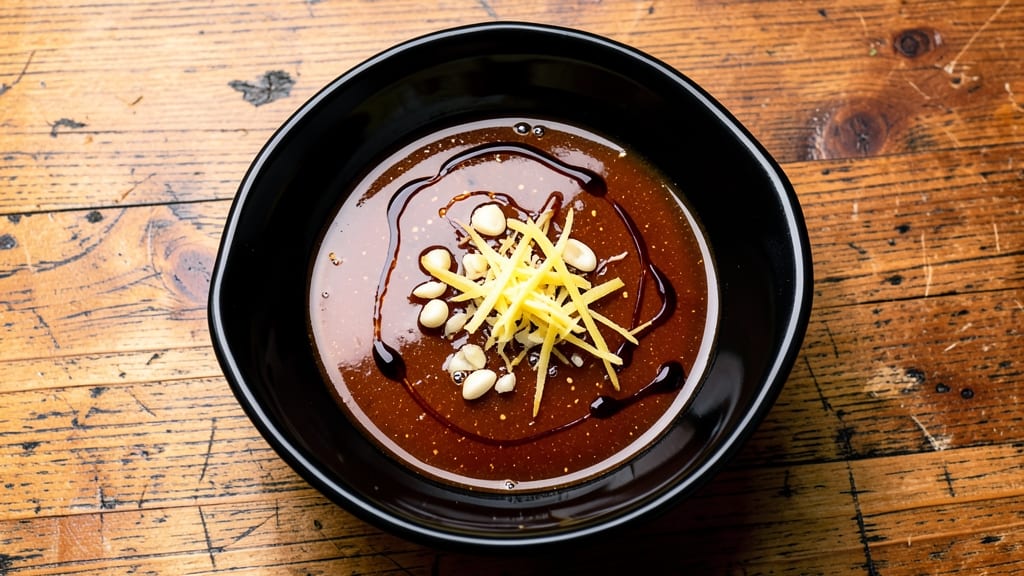
This Asian pork sauce recipe transforms simple stir-fries into restaurant-quality meals with just 10 minutes of prep. The balance of soy sauce, hoisin, and honey creates a rich, umami-packed glaze that caramelizes beautifully when tossed with pork or vegetables.
I developed this sauce after years of testing—it’s the one my family reaches for whenever we’re craving that perfect sweet-savory balance.
The secret lies in the simmering process, where garlic, ginger, and a touch of sesame oil infuse the sauce with depth. Unlike store-bought versions, this recipe delivers a bold, aromatic flavor without artificial additives.
It’s versatile enough for glazing ribs, drizzling over noodle bowls, or even marinating pork before grilling. The sauce thickens slightly as it cools, making it ideal for meal prep.
With a shelf life of up to two weeks in the fridge, this sauce is perfect for stocking your pantry. Its ingredients are simple—soy sauce, hoisin, honey, garlic, ginger—but the result is complex and irresistible.
The caramelized edges on stir-fried pork or the glossy sheen on noodles prove it’s worth the effort. Let’s make it.
For extra heat, add a dash of chili paste, or swap honey for maple syrup for a deeper flavor. Store it in an airtight container, and you’ll have a foolproof sauce ready to elevate any dish in minutes.
Ingredients for asian pork sauce
Nine pantry staples transform into a restaurant-worthy glaze that elevates pork dishes instantly.
| Ingredient | Amount | Notes |
|---|---|---|
| Light Soy Sauce 🥢 | ½ cup | Kikkoman preferred for balance |
| Hoisin Sauce 🍶 | ¼ cup | Store-bought or homemade version |
| Honey 🍯 | ¼ cup | Wildflower for floral notes |
| Garlic Cloves 🧄 | 6 cloves | Minced for aromatic depth |
| Fresh Ginger 🌿 | 2 tbsp | Finely grated, peeled |
| Sesame Oil 🫒 | 1 tbsp | Toasted sesame for nuttiness |
| Rice Vinegar 🍶 | 1 tbsp | White or seasoned variety |
| Cornstarch 🌾 | 1 tsp | For thickening consistency |
| Red Chili Flakes 🌶️ | ½ tsp | Adjust for heat preference |
| Water 💧 | ¼ cup | For thinning if needed |
The soy sauce is the foundation—Kikkoman gives that classic umami punch, but any light soy will work. Hoisin sauce adds depth, so grab a bottle from the Asian aisle—Lee Kum Kee is my go-to. Honey should be wildflower for floral notes, but clover works in a pinch. Garlic and ginger are non-negotiable for that aromatic base; organic ginger from the produce section has more zing. Sesame oil adds nuttiness, so toasted sesame oil (not the light kind) makes all the difference. If you're short on time, pre-minced garlic and grated ginger from the freezer section save steps.
No hoisin? Substitute 1 tbsp soy sauce plus 1 tsp molasses for a similar sweet-savory balance. Skip the honey? Maple syrup or agave works just as well. The cornstarch is key for thickening—arrowroot powder works too at the same ratio. Chili flakes can be swapped for Sichuan chili paste if you want extra heat. For a smoother sauce, blend everything after simmering. If it's too thick, add water 1 tbsp at a time until it reaches a glossy consistency.
This sauce keeps beautifully—2 weeks in the fridge in an airtight container, or 3 months in the freezer for batch prep. I always double the batch and freeze half for future stir-fries. When reheating, add a splash of water to prevent thickening. The flavors deepen overnight, so making it ahead is worth it. Store leftovers in small jars for easy drizzling over noodles or pork chops.
Why You'll Love This Recipe
- Five-Ingredient Magic: Honestly, I swear by this recipe because it’s that simple—just soy, hoisin, honey, garlic, and ginger. No fancy prep, no stress, and the sauce comes together while you’re still debating what to have for dinner.
- Sweet-Savory Balance: Between us, the honey and hoisin give this sauce a rich, sticky depth that’s ridiculously good—like a cross between teriyaki and a sweet-and-sour glaze. The fresh ginger and garlic add that bright, aromatic kick that makes it taste homemade, not bottled.
- Weeknight & Meal Prep: I use this sauce for stir-fries, rice bowls, or even a quick noodle hack—it’s my go-to when I’m too tired to plan. Plus, it doubles easily, so I make extra and stash it in the fridge for lazy days.
- Budget-Friendly Staple: Light soy and hoisin are pantry basics, and honey and ginger last forever. This sauce costs pennies per serving but tastes like a restaurant dish—no takeout guilt, just flavor for days.
Step-by-step instructions for Asian pork sauce
This umami-rich glaze comes together in minutes with simple pantry staples.
Prepare the Aromatics
In a small bowl, finely mince the 6 cloves garlic cloves and grate the 2 tablespoons fresh ginger using a microplane or fine grater. The goal is to create a paste-like consistency—this ensures even distribution of flavor throughout the sauce. I like to press the garlic through a garlic press for extra finesse, but mincing works perfectly fine too.
Set these aside while you gather the remaining ingredients. The freshness of these aromatics is crucial—they'll form the flavor foundation of your sauce. If using pre-minced garlic or jarred ginger, be aware the flavor will be slightly less vibrant, but still delicious.
Combine Wet Ingredients
In a medium saucepan, whisk together the 0.5 cup light soy sauce, 0.25 cup hoisin sauce, 0.25 cup honey, 1 tablespoon rice vinegar, and 0.5 teaspoon red chili flakes. The mixture should be smooth with no visible clumps. I recommend using a wire whisk for even distribution, especially with the honey which can sometimes separate.
Place the saucepan over medium heat and bring to a gentle simmer. You'll see small bubbles forming at the edges—this is your signal that the ingredients are beginning to meld together. Keep the heat at a steady simmer for 5 minutes, stirring occasionally to prevent sticking. This initial cooking step helps develop the sauce's complex flavor profile.
Add Aromatics and Simmer
Add the minced garlic and grated ginger to the simmering sauce. Stir well to combine, then reduce the heat to low. Let the sauce cook for 8-10 minutes, stirring frequently, until it thickens slightly and the raw garlic aroma dissipates. You're looking for a glossy, syrupy consistency—almost like a thin caramel.
Here's where the magic happens: the garlic should be fragrant but not burnt, and the ginger should be fully incorporated. If the sauce starts to stick to the bottom of the pan, add 1-2 tablespoons of water to loosen it. The sauce should coat the back of a spoon but still be pourable. This is the perfect balance for both stir-fries and serving over rice bowls.
Thicken and Finish
In a small bowl, whisk together the 1 teaspoon cornstarch with 1 tablespoon cold water until completely dissolved. This creates a smooth slurry that will help thicken the sauce to your desired consistency. Slowly pour the cornstarch mixture into the saucepan while stirring constantly.
Continue cooking on low heat for an additional 3-4 minutes, stirring frequently, until the sauce reaches your preferred thickness. It should coat the back of a spoon but still flow easily. For extra richness, stir in the 1 tablespoon sesame oil during the final minute of cooking. Remove from heat immediately—the sauce will continue to thicken slightly as it cools.
Adjust and Serve
Taste the sauce and adjust the seasoning if needed. You might want to add a touch more light soy sauce for saltiness, honey for sweetness, or rice vinegar for acidity. The sauce should be perfectly balanced with sweet, salty, umami, and a hint of spicy heat from the chili flakes.
Let the sauce cool to room temperature before using it on stir-fries or drizzling over rice bowls. This sauce keeps well in an airtight container in the refrigerator for up to 1 week, making it perfect for meal prep. The flavors actually deepen as it sits, so it's even better the next day!
Pro Tips For Making Asian Pork Sauce
- STIR CONSTANTLY ON LOW: The second the sauce hits the pan, drop the heat to medium-low and keep that spoon moving—especially when the honey joins the party. I learned this the hard way when my sauce turned into a sticky, burnt glaze that tasted like caramelized regret. Low heat prevents scorching while letting flavors meld properly.
- MINCE GINGER FINE: Skip the lazy chopping—grate or mince that ginger until it’s almost paste-like. Fresh ginger holds its bite longer this way, and it dissolves smoothly into the sauce instead of sitting as stubborn chunks. (Yes, even if you’re impatient like me, take the extra 30 seconds.)
- BALANCE SWEET AND SALTY: Taste as you go, but don’t just chase the sweetness—adjust the soy-to-hoisin ratio if the sauce tastes one-dimensional. I used to dump in extra honey until it was cloying, but cutting back on honey by 10% and adding a splash more light soy actually deepens the umami. Trust the process.
- TOAST GARLIC FIRST: Smash those garlic cloves flat with the side of your knife, then sear them in the pan for 30 seconds until fragrant and just golden. This eliminates that raw, harsh bite and adds a nutty depth that raw garlic can’t match. (Pro move: Remove them after toasting and set aside—you’ll only need a teaspoon of the oil-infused goodness.)
Health benefits of this asian pork sauce
Protein Powerhouse
This Asian pork sauce recipe delivers high-quality protein from its core ingredients, particularly the soy sauce and hoisin base. A ¼ cup serving (about 2 tablespoons) provides roughly 3-4 grams of protein, making it a great addition to pork stir-fries or bowls.
The sauce itself isn’t a protein source, but when paired with lean pork tenderloin or tofu, it creates a complete protein profile. 💪
Umami-Rich Flavor
The sauce is packed with umami compounds from soy sauce, hoisin, and garlic, which enhance digestion and may even help reduce bloating. Umami flavors stimulate saliva production, aiding nutrient absorption.
The garlic and ginger in the sauce also contain allicin, a compound linked to digestive health and immune support. A single 1-tablespoon serving provides about 10% of your daily garlic intake, which is fantastic for gut health.
Blood Sugar Balance
While the sauce contains honey (a natural sweetener), the ginger and vinegar help moderate blood sugar spikes. The ginger’s active compounds may improve insulin sensitivity, while the vinegar’s acetic acid slows carbohydrate absorption.
For a lower-glycemic option, swap honey for monk fruit sweetener—it retains the same sweetness without the sugar impact. 🌿
Antioxidant Boost
The sesame oil and red chili flakes contribute antioxidants like sesamin and capsaicin, which combat oxidative stress. Sesame oil also provides healthy fats (about 1 gram per tablespoon), supporting heart health.
The ginger’s gingerol adds anti-inflammatory benefits, making this sauce a flavorful way to boost your antioxidant intake. A 2-tablespoon serving delivers a noticeable dose of these protective compounds.
Low-Calorie Flexibility
This sauce is surprisingly light on calories—about 50 calories per 2-tablespoon serving—while delivering bold flavor. The cornstarch thickening adds minimal calories (only 10 per teaspoon), making it ideal for those watching their intake.
For an even lighter version, reduce honey to 1 tablespoon and add 1 teaspoon maple syrup instead. The sauce’s versatility lets you control portion sizes without sacrificing taste. ✨
Meal Prep Nutrition
Since the sauce keeps for 2 weeks in the fridge, it’s perfect for batch cooking. Store it in glass airtight containers to maintain freshness and prevent contamination. The soy sauce and vinegar act as natural preservatives, extending shelf life while preserving nutrients.
Freeze extras in ice cube trays for single-use portions—just thaw overnight in the fridge. This makes it a nutrient-dense, low-effort addition to weekly meals. 💡
Nutrition facts
Frequently asked questions
Can I make this sauce without hoisin?
Swap ¼ cup hoisin with 1 tbsp soy sauce + 1 tsp molasses for a similar sweet-savory balance. For extra depth, add ½ tsp smoked paprika to mimic hoisin's complexity. The sauce will still taste rich and flavorful—just slightly less umami.
How do I adjust the spice level?
Start with the ½ tsp red chili flakes as written, then adjust to taste. For mild heat, reduce to ¼ tsp or omit entirely. For extra kick, add 1 tsp gochujang (Korean chili paste) or ½ tsp cayenne pepper. Always taste before serving!
Can I use this sauce for marinating pork?
Yes! This sauce works perfectly as a marinade. Combine ½ cup sauce with 1 tbsp olive oil and let pork tenderloin or chops marinate for 30-60 minutes before cooking. For best results, grill or pan-sear to lock in flavors. The sauce will caramelize beautifully on the outside while keeping the meat juicy inside.
Why did my sauce turn cloudy?
Cloudiness usually means the sauce separated due to rapid cooling or too much cornstarch. To fix it, whisk in 1 tsp hot water while reheating on low heat until smooth. For prevention, let the sauce cool gradually at room temperature before refrigerating. If using pre-minced garlic/ginger, the cloudiness might be from starch—strain through a fine-mesh sieve if needed.
What's the best way to reheat leftover sauce?
Gently reheat in a small saucepan over low heat while stirring constantly. Add 1 tsp water if it thickens too much. Avoid microwaving—it can make the sauce grainy. For quick use, store small portions in ice cube trays**, then pop one into dishes as needed. The sauce reheats beautifully and tastes even better the next day!