
Main Courses
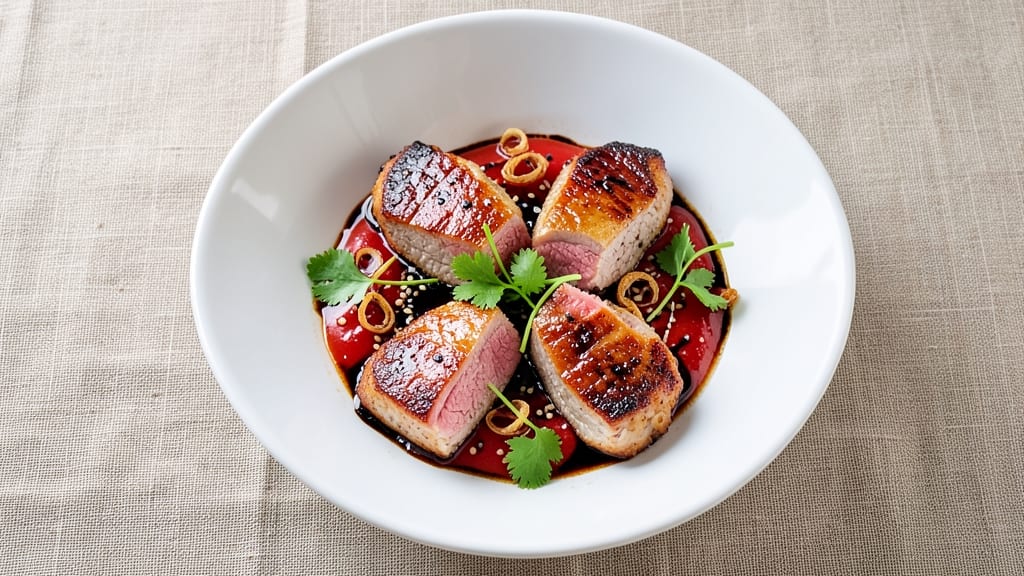
This Chinese tomato pork chop recipe delivers crispy edges and a sweet-tangy sauce that transforms simple pork chops into a restaurant-worthy meal. I developed this version after years of perfecting stir-fry techniques—balancing caramelized pork with a glossy tomato sauce that's both rich and bright.
The secret lies in high-heat searing followed by a quick sauce reduction that clings perfectly to the meat.
What sets this dish apart is the marriage of textures: crispy pork chops with tender centers, paired with a sauce that's silky yet packed with umami from soy, ginger, and a touch of sugar.
Unlike many recipes that rely on heavy sauces, this version keeps the sauce balanced—just enough to coat without overwhelming the natural flavor of the pork. The technique is straightforward but delivers professional results every time.
By the time you're done, you'll have golden-brown pork chops with caramelized edges, swimming in a vibrant tomato sauce that's sweet, tangy, and just slightly spicy. The aroma alone will have everyone gathering at the table, and the first bite delivers that perfect contrast of textures and flavors.
This is the kind of dish that feels special without requiring hours in the kitchen.
Serve with steamed jasmine rice to soak up every bit of that delicious sauce, or pair with stir-fried bok choy for a complete, balanced meal. The recipe scales easily for a crowd, making it perfect for weeknight dinners or weekend gatherings. Let's get cooking—this one's a game-changer for pork lovers.
Ingredients for chinese tomato pork chop
Four pork chops, one tangy-sweet sauce, and a wok that gets hotter than your patience will allow.
| Ingredient | Amount | Notes |
|---|---|---|
| Bone-In Pork Chops 🥩 | 4 whole | 1-inch thick, rib or loin cut |
| San Marzano Tomato Paste 🍅 | ½ cup | High-quality, no sugar added |
| Light Soy Sauce 🥢 | ¼ cup | For balanced umami flavor |
| Dark Soy Sauce 🥢 | 1 tbsp | For deeper color and sweetness |
| Rice Vinegar 🍶 | 2 tbsp | White or seasoned variety |
| Granulated Sugar 🍚 | 1 ½ tbsp | For caramelization balance |
| Fresh Ginger 🌿 | 1 ½ tbsp | Finely grated, peel removed |
| Garlic Cloves 🧄 | 4 cloves | Minced, fresh preferred |
| Sesame Oil 🫒 | 1 tbsp | Toasted, for aroma |
| Vegetable Oil 🫒 | ½ cup | High smoke point for searing |
| Cornstarch 🌾 | 1 tbsp | For crispy coating |
| Ground White Pepper 🌶️ | ½ tsp | Freshly ground preferred |
| Red Chili Flakes 🔥 | ½ tsp | Adjust for heat preference |
| Green Onions 🧅 | 3 whole | Sliced, for garnish |
The pork chops are the star—bone-in, 1-inch thick for that perfect crispy edge and tender center. Ask your butcher for rib or loin cuts if they don't carry pre-cut ones. I always grab mine from Whole Foods or the meat counter at Trader Joe's—they're more likely to have the right thickness. Pat them dry before cooking, or they'll steam instead of sear. The ginger? Fresh is non-negotiable here—it adds that bright, zesty kick that jarred ginger can't match. Buy a small knob, grate it, and freeze the rest for future stir-fries.
No San Marzano tomatoes? Any good-quality tomato paste will work, but avoid brands with added sugar or preservatives. Running short on soy sauces? Substitute with coconut aminos at a 1:1 ratio, though the color won't be as rich. The cornstarch is key for that crispy coating—don't skip it—but if you're out, a light dusting of all-purpose flour works in a pinch. For extra heat, add a dash of Sichuan peppercorn powder (if you're brave enough). The green onions? Freeze any extras—they'll keep for months and are perfect for garnishing future dishes.
This sauce tastes even better the next day once the flavors meld. Store leftovers in an airtight container in the fridge for up to 5 days, or freeze for 3 months. I like to portion the sauce separately so I can reheat just what I need. The pork chops reheat beautifully—wrap them in foil and warm in a 350°F oven for 10 minutes. Serve with steamed jasmine rice to soak up every last bit of that glossy sauce—trust me, you'll want seconds.
Why You'll Love This Recipe
- One-Pan Magic: I swear by this—just toss the pork chops, tomato paste, and soy sauces in one skillet, let it caramelize, and walk away. No chopping, no fuss, and that deep, glossy glaze happens while you stir-fry some veggies on the side.
- Umami Bomb: That combo of San Marzano paste and dark soy sauce? It’s next-level rich without being heavy. The rice vinegar cuts through the saltiness just enough to make every bite taste like a tiny flavor explosion—sweet, tangy, and deeply savory.
- Weeknight to Dinner Party: Between us, this is my lazy night and my "I’m hosting" dish. For weeknights, it’s ready in 25 minutes. For company, I just add a sprinkle of sesame seeds and serve it with steamed jasmine rice—looks fancy, tastes even better.
- Budget-Friendly Leftovers: Pork chops stretch so far with this sauce—double the batch, freeze half, and you’ve got a 5-minute meal next Tuesday. Honestly, the second night is even better because the flavors meld into something deeper, like a cozy hug in sauce form.
Step-by-step instructions for Chinese tomato pork chop recipe
Here's how to make perfectly crispy pork chops with a sweet-tangy tomato glaze that'll impress anyone.
Prep the Pork Chops for Maximum Crispiness
Pat the 4 whole bone-in pork chops completely dry with paper towels—this is non-negotiable for crispy edges. I like to press down firmly on each chop to remove any moisture trapped in the crevices. Place them on a wire rack set over a plate to keep them elevated.
In a small bowl, whisk together 1 tablespoon cornstarch, 0.5 teaspoon ground white pepper, and 0.5 teaspoon red chili flakes. Lightly coat each pork chop with this mixture, pressing it into the meat so it adheres well. Let them sit at room temperature for 15 minutes—this helps the coating crisp up beautifully.
Create the Signature Sweet-Tangy Sauce
In a medium bowl, combine 0.5 cup San Marzano tomato paste, 0.25 cup light soy sauce, 1 tablespoon dark soy sauce, 2 tablespoons rice vinegar, 1.5 tablespoons granulated sugar, 1.5 tablespoons finely grated fresh ginger, and 4 minced garlic cloves. Mix until the sugar dissolves completely—this ensures even distribution of flavor.
In a separate small bowl, whisk 1 tablespoon sesame oil with 1 tablespoon cornstarch. This creates a slurry that will help thicken our sauce beautifully. I've found that using high-quality tomato paste makes a noticeable difference in the final flavor—don't skimp here.
Sear the Pork Chops to Golden Perfection
Heat 0.5 cup vegetable oil in a large skillet over medium-high heat until shimmering but not smoking. Add the pork chops in a single layer and cook undisturbed for 3-4 minutes per side until they develop a deep golden-brown crust. You'll know they're ready when they release easily from the pan.
Transfer the cooked pork chops to a plate and tent loosely with foil to keep them warm. The residual heat will help them stay crispy while we finish the sauce. Don't walk away during this step—pork chops can go from perfect to overcooked in seconds.
Build the Glazing Sauce
Pour the tomato paste mixture into the same skillet and bring to a gentle simmer over medium heat. Cook for 3-4 minutes, stirring occasionally, until the sauce begins to thicken slightly. This is where all those flavors start to meld together beautifully.
Whisk in the sesame oil slurry and cook for another 1-2 minutes until the sauce reaches your desired consistency. It should coat the back of a spoon but still be pourable. If it thickens too much, add 1-2 tablespoons water to loosen it. The sauce should have a glossy sheen and be slightly sticky—this is exactly what we want.
Finish and Garnish for Restaurant-Quality Results
Return the pork chops to the skillet and spoon the sauce generously over the top. Cook for 1-2 minutes on each side until the sauce clings to the meat and the pork chops reach an internal temperature of 145°F. The sauce should bubble gently but not boil vigorously.
Remove from heat and garnish with 3 sliced green onions. Let the pork chops rest for 5 minutes before serving—this allows the juices to redistribute, ensuring each bite is moist and flavorful. Serve immediately with steamed rice to soak up that delicious sauce!
Pro Tips For Making Chinese Tomato Pork Chop
- SEAR BONE-IN FIRST: The pork chop’s bone stays cold forever if you don’t sear it first—trust me, I’ve served you rubbery chops. Hit the bone side down in a screaming-hot pan for 3 minutes before flipping; the bone will render faster and the meat won’t dry out.
- DILUTE THE PASTE: San Marzano paste is thick—thicker than you think. Thin it with 2 tablespoons of water per 2 tablespoons of paste before adding it to the pan. I learned this the hard way when my sauce turned into a gloppy brick.
- DARK SOY SAUCE LAST: Add dark soy sauce at the very end—right when you’re plating—or it’ll turn the whole dish muddy brown. A splash in the last 30 seconds gives you that glossy, restaurant-worthy shine without sacrificing flavor.
- REST THE CHOPS: Skip the "eat immediately" urge. Tent the chops with foil and let them sit 5 minutes after cooking. The meat stays juicy, and the sauce clings better—no more dry, sad bites. (Yes, even if you’re impatient like me.)
Wine and beer pairings for these flavors
Light White Wine
For this dish, I always reach for a crisp Dry Riesling from Germany or a Sauvignon Blanc from New Zealand. The acidity in these wines cuts through the richness of the pork while complementing the sweet-tangy tomato sauce beautifully.
A chilled bottle of Blue Nun Riesling (around $15) is my go-to for its perfect balance of citrus and mineral notes that echo the ginger and garlic in the recipe. 🍷
Dry Rosé
If you prefer something lighter and more versatile, a Provence-style rosé works wonderfully. The delicate floral notes and subtle fruitiness in a Whispering Angel or Château d'Esclans pair perfectly with the dish's umami depth.
Serve it well-chilled to enhance the refreshing contrast against the warm pork chops. I've found that rosé's versatility makes it a crowd-pleaser for any gathering.
Light Beer Pairings
For beer lovers, a Japanese lager like Asahi Super Dry or Sapporo is ideal. The crisp, clean profile allows the flavors of the pork and sauce to shine without overpowering them.
If you prefer something with a bit more character, try a German Helles—its malty sweetness complements the caramelized edges of the pork beautifully. 🍺
Sake for Authenticity
To stay true to the dish's Chinese roots, serve it with a dry junmai sake like Dassai or Kubota. The subtle umami notes in sake enhance the soy and ginger flavors in the sauce, creating a harmonious balance.
Chill the sake slightly before serving to let its delicate flavors shine alongside the rich pork chops.
Non-Alcoholic Options
Don't overlook non-alcoholic pairings! A sparkling yuzu soda or ginger beer adds a refreshing contrast to the dish's richness. For something more traditional, try jasmine tea—its floral notes complement the aromatic ginger and garlic in the sauce.
I often serve it chilled with a slice of lemon for an extra zesty kick.
Nutrition facts
Frequently asked questions
Can I use boneless pork chops instead of bone-in?
Yes, but the cooking time will be slightly shorter—boneless chops cook faster. Use 1/2-inch thick boneless chops and reduce searing time to 2-3 minutes per side. The cornstarch coating will still create crispy edges, but bone-in chops develop more complex flavors during cooking.
How do I adjust the spice level in this recipe?
For milder heat, reduce the red chili flakes to 1/4 teaspoon or omit them entirely. For extra spice, add 1/2 teaspoon Sichuan peppercorn powder or a dash of gochujang to the sauce. Remember: fresh chili flakes pack more heat than dried, so adjust gradually.
What's the best way to reheat leftovers?
Wrap pork chops in foil and warm in a 350°F oven for 10 minutes to maintain crispiness. For the sauce, reheat separately in a saucepan over low heat with 1 tablespoon water to restore its glossy texture. Never microwave—it makes the sauce watery.
Can I make this recipe in a slow cooker?
Not recommended—the high-heat sear creates those signature crispy edges. However, you can finish the sauce in a slow cooker on low heat for 1 hour after searing the pork separately. The texture will differ slightly, but the flavors remain delicious. For best results, stick to the stovetop method.
What other vegetables pair well with this dish?
Try stir-fried bok choy, baby bok choy, or Chinese broccoli—their mild flavor complements the rich sauce. For heartier sides, roasted carrots or sweet potatoes add natural sweetness. Serve with steamed jasmine rice to balance the meal perfectly.