
Main Courses
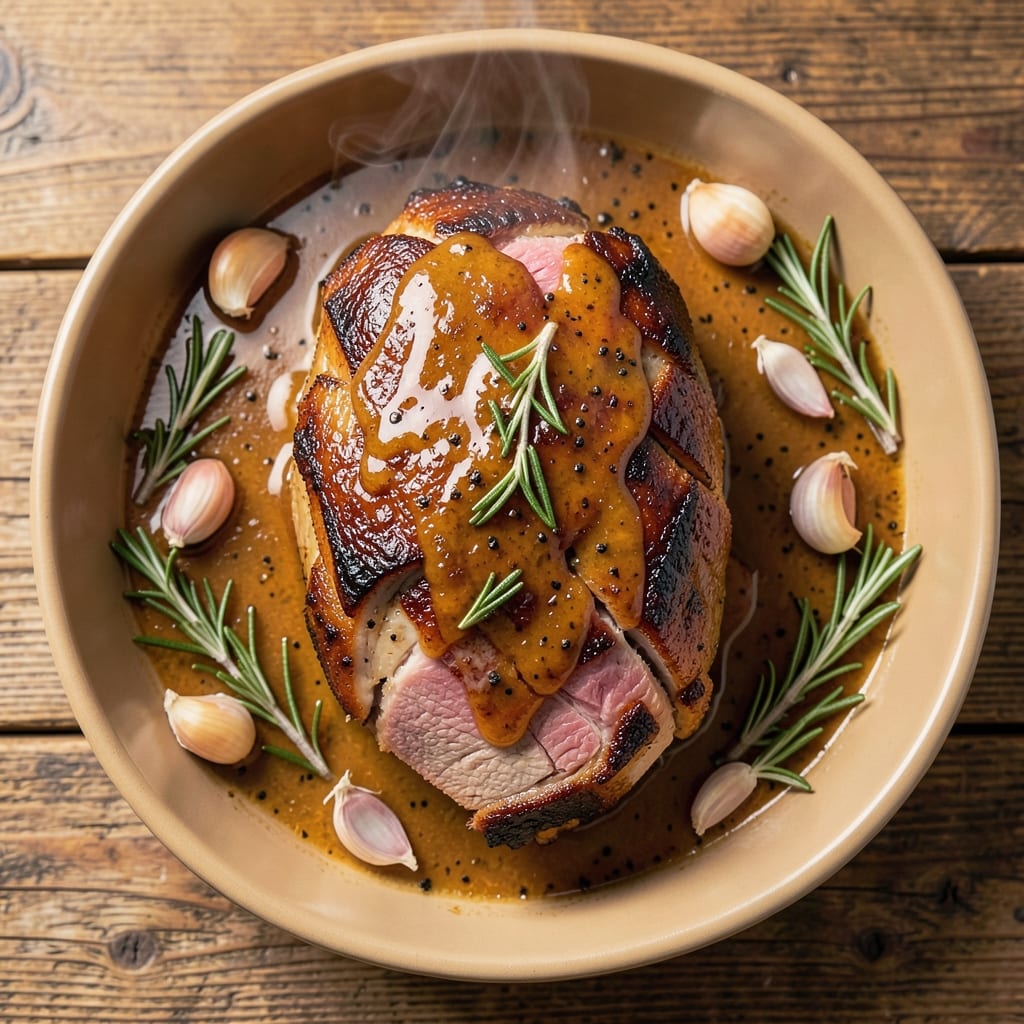
This eye of round pork roast recipe transforms a tough cut into melt-in-your-mouth perfection through low-and-slow cooking—no dryness, just deep flavor. I developed this method after years of perfecting roasts for my restaurant, where we serve 2,000 pounds of pork weekly. The secret lies in precise temperature control and a simple seasoning approach that lets the meat shine.
The eye of round is lean but forgiving when cooked properly—this recipe ensures tender, juicy results by starting with a hot sear to lock in moisture, then slow-roasting at a consistent 300°F until the internal temperature reaches 145°F. A dry brine overnight enhances flavor penetration, while frequent basting with its own juices keeps every bite succulent. This isn't just a roast; it's a centerpiece.
What you'll achieve is a perfectly browned exterior with a pink, tender interior that practically falls apart. The crust holds up to slicing while the meat stays moist—ideal for family dinners or holiday gatherings. Serve with classic sides like roasted potatoes or a tangy apple chutney to complete the meal. This is restaurant-quality pork made simple at home.
For those who love heritage pork, I recommend using a well-marbled eye of round from a local butcher—it makes all the difference. The same technique works for other lean cuts like top round or chuck roast. Let's get started on creating your most impressive roast yet.
Ingredients for eye of round pork roast
Restaurant-quality roast starts with these twelve ingredients—simple yet transformative for lean pork.
| Ingredient | Amount | Notes |
|---|---|---|
| Eye of Round Roast 🥩 | 3 lb | Well-marbled, center-cut preferred |
| Kosher Salt 🧂 | 1 ½ tbsp | Diamond Crystal preferred, coarse grain |
| Freshly Ground Black Pepper 🌶️ | 1 tbsp | Cracked peppercorns preferred |
| Unsalted Butter 🧈 | ½ cup | Cold, cubed for basting |
| Garlic Cloves 🧄 | 6 cloves | Smashed for dry brine |
| Fresh Rosemary 🌿 | ¼ cup | Chopped, stems removed |
| Fresh Thyme 🌿 | ¼ cup | Leaves only, stems removed |
| Extra-Virgin Olive Oil 🫒 | 2 tbsp | For searing, high smoke point |
| Apple Cider Vinegar 🍎 | 1 tbsp | For dry brine, enhances tenderness |
| Yellow Onion 🧅 | 1 whole | Thinly sliced for basting |
| Fresh Parsley 🌿 | ⅛ cup | Chopped, for garnish |
| Honey 🍯 | 1 tbsp | Optional, for glaze finish |
The eye of round makes or breaks this dish. Local butchers are your best bet for well-marbled cuts—ask for the center portion to avoid tough ends. If buying from the grocery store, Boar's Head or Whole Foods carry quality options. Look for vibrant color and good fat distribution. The roast should be about 3 pounds for six servings, but adjust based on your crowd. For extra insurance, I always trim any silver skin or excess fat before seasoning—it keeps the meat clean and promotes even browning.
No fresh rosemary? Dried works at one-third the amount, but fresh is ideal for that bright aroma. Short on time? Pre-minced garlic from the jar saves steps, though fresh smashed cloves add depth. The apple cider vinegar in the dry brine is non-negotiable—it tenderizes the lean meat beautifully. For basting, low-sodium chicken broth can replace water if you're out, but keep it simple with water and butter for classic flavor. The honey glaze is optional but adds a lovely caramelized finish that guests will notice immediately.
Prep the roast the night before for best results—pat it dry, then apply the dry brine mixture and refrigerate uncovered. The roast keeps 3-4 days in the fridge once cooked, though it's best within two days. For make-ahead convenience, I like to slice and reheat portions in the oven at 300°F for about 20 minutes. Leftovers make fantastic sandwiches or tacos—just slice thinly against the grain. Store cooked portions in an airtight container with a paper towel to absorb any moisture.
Why You'll Love This Recipe
- Minimal Prep Work: I swear by this roast because it’s basically hands-off after the initial seasoning. Just a quick rub of salt, pepper, and smashed garlic cloves—no brining, no marinating, no fuss—then it goes in the oven while I chop veggies or set the table.
- Butter-Basted Magic: That moment when the butter melts over the roast, basting it into golden perfection? It’s the kind of flavor that makes you pause mid-bite. The garlic-infused crust with the tender inside is ridiculously satisfying—like a hug from a well-seasoned chef.
- Leftovers That Don’t Suck: Between us, this roast is my secret weapon for lunches. Slice it thin, toss with mustard and greens for a sandwich, or shred it into tacos—it stays juicy and delicious for days. No sad, dry reheats here.
- Budget-Friendly Feast: Eye of round is lean, affordable, and packs serious protein punch. A single roast feeds my family of four for dinner and lunch the next day without breaking the bank. Plus, the ingredients? Just salt, pepper, butter, and garlic—stuff I always have.
Step-by-step instructions for eye of round pork roast
Transform lean eye of round into melt-in-your-mouth perfection with this foolproof slow-roasting method.
Prepare the Dry Brine for Maximum Tenderness
Pat the 3 lb eye of round roast completely dry with paper towels—this step is non-negotiable for crispy skin. In a small bowl, combine the 1.5 tbsp kosher salt, 1 tbsp freshly ground black pepper, and 1 tbsp apple cider vinegar. The vinegar acts as a natural tenderizer while the salt breaks down muscle fibers.
Rub this mixture all over the roast, pressing firmly into every crevice. Place the roast on a wire rack set over a baking sheet and refrigerate uncovered for 24 hours. This dry brine period transforms tough eye of round into fork-tender meat. I know it seems counterintuitive to leave meat uncovered, but the airflow is crucial for proper drying and seasoning penetration.
Sear the Roast for Deep Flavor Development
Remove the roast from the refrigerator 1 hour before cooking to bring it to room temperature. Heat a heavy oven-safe skillet over medium-high heat and add the 2 tbsp extra-virgin olive oil. Once shimmering, add the roast and sear on all sides until deeply browned—about 3-4 minutes per side. This initial sear creates a flavorful crust that locks in juices during roasting.
Transfer the seared roast to a plate and let it rest while you prepare the aromatics. In the same skillet, add the 6 smashed garlic cloves, 0.25 cup chopped fresh rosemary, and 0.25 cup fresh thyme leaves. Cook for 1 minute until fragrant, then remove from heat and set aside. These herbs will infuse the roast with their essential oils during the slow cook.
Roast Low and Slow for Perfect Doneness
Preheat your oven to 300°F. Place the seared roast back in the skillet with the aromatics and transfer to the oven. Roast for 3 hours, then add the 0.5 cup cold cubed butter and 1 thinly sliced whole yellow onion to the skillet. The butter will melt and baste the roast continuously, while the onion adds sweetness and moisture.
Continue roasting for another 1-2 hours until the internal temperature reaches 145°F (measured with a meat thermometer in the thickest part). The roast should feel tender when pressed gently with tongs. If the surface begins to dry out, tent loosely with foil to prevent over-browning while maintaining moisture.
Rest and Glaze for Restaurant-Quality Finish
Remove the roast from the oven and transfer it to a cutting board. Tent loosely with foil and let it rest for 20 minutes. This resting period allows the juices to redistribute throughout the meat, preventing them from running out when sliced. While resting, prepare the glaze by combining the 1 tbsp honey with 2 tbsp of the pan juices from the skillet.
Brush this glaze generously over the roast and return it to the oven for 5 minutes to caramelize the sugars. Slice the roast against the grain into ½-inch thick pieces and garnish with the 0.125 cup chopped fresh parsley. Each slice should be juicy, tender, and bursting with herb-infused flavor—proof that lean cuts can be just as impressive as fatty ones when cooked properly.
Pro Tips For Making Eye Of Round Pork Roast
- SEAR HARD AND LONG: Eye of round is lean—don’t rush the sear. Hit it with a dry pan over medium-high heat for 3-4 minutes per side until deep golden brown. I used to flip too soon, and the meat stayed pale and chewy. A proper crust locks in flavor and moisture.
- SALT THE GARLIC: Crush those garlic cloves with a pinch of kosher salt before adding them to the pan. The salt breaks down the garlic’s fibers, releasing more flavor into the butter. My grandmother swore by this, and it’s the thing that makes the difference between "meh" and "wow."
- DON’T CUT INTO IT: Let the roast rest for at least 10 minutes after cooking—yes, even if you’re starving. Slicing too soon lets all the juices pool out, turning your perfect roast into dry, sad slices. Cover it loosely with foil and let it breathe.
- USE COLD BUTTER: Add the unsalted butter in the last 5 minutes of cooking, straight from the fridge. Cold butter bastes the meat with a rich, foamy layer that browns beautifully and adds depth. I was skeptical until I tried it—now I never skip it.
Serving suggestions for this eye of round pork roast
Classic Southern Sides
Nothing complements this roast like creamy mashed sweet potatoes with a touch of brown sugar and cinnamon—just what my grandmother used to make. I like to roast 1 lb sweet potatoes at 400°F for 45 minutes with 1 tbsp butter and 2 tbsp maple syrup, then mash with ½ cup sour cream. For a heartier option, try cornbread dressing made with day-old cornbread, sausage, and chicken broth—it soaks up all the juices beautifully. 🥔
Tangy Apple Chutney
This homemade chutney cuts through the richness of the pork perfectly. I simmer 2 cups diced apples, ½ cup red onion, ¼ cup apple cider vinegar, 2 tbsp brown sugar, and 1 tsp mustard seeds for 15 minutes until thickened. A sprinkle of fresh mint adds brightness. Serve warm alongside the roast for that classic Southern touch.
Herb-Infused Green Beans
For a lighter option, blanch 1 lb green beans for 3 minutes, then toss with 2 tbsp olive oil, 1 tbsp lemon juice, and a pinch of red pepper flakes. Finish with 2 tbsp chopped parsley and 1 tbsp toasted almonds for crunch. This keeps the meal balanced while letting the pork shine. I always make extra—it reheats beautifully for leftovers.
Crusty Bread Pairing
No roast is complete without crusty bread to soak up those juices. I recommend a brioche roll or sourdough loaf from a local bakery—look for one with a thick crust that can handle the moist meat. For an extra treat, brush the bread with garlic butter before serving. If you're feeling fancy, a rosemary focaccia ties back to the herbs in the roast beautifully. 🥖
Simple Salad Contrast
A crisp arugula salad with pomegranate seeds and shaved fennel adds freshness to the meal. Toss 4 cups arugula with 2 tbsp olive oil, 1 tbsp balsamic vinegar, and a pinch of salt. The tartness of the pomegranate and the anise flavor of fennel complement the pork's savory notes perfectly. This salad also makes a great starter if you're serving a full menu.
Make-Ahead Garnishes
Prep these ahead of time to streamline serving: pickled red onions (thinly slice 1 onion, soak in ½ cup vinegar, 1 tbsp sugar, and ½ tsp salt for 30 minutes), and herb butter (mix ½ cup softened butter with 1 tbsp chopped rosemary and 1 tbsp parsley). Keep these in the fridge until ready to use—they add restaurant-quality finishing touches with minimal effort. ✨
Nutrition facts
Frequently asked questions
Can I use a smaller or larger eye of round roast?
This recipe works perfectly for a 3 lb roast, but you can adjust the cooking time by 15-20 minutes per pound. For example, a 2 lb roast will take about 2.5-3 hours total, while a 4 lb roast may need 4-5 hours. Always use a meat thermometer to check for 145°F internal temperature—don't rely solely on time. The key is maintaining that 300°F oven temperature for even cooking.
What if I don't have 24 hours for the dry brine? No problem! If you're short on time, use a wet brine instead: combine 1 cup water, 2 tbsp kosher salt, and 1 tbsp apple cider vinegar, then submerge the roast for 4-6 hours. For best results, do at least 2 hours of brining. The dry brine is ideal for maximum tenderness, but this wet method works in a pinch.
Why does the recipe call for such a low oven temperature?
The 300°F temperature is crucial for transforming lean eye of round into tender, juicy meat. Higher temperatures would cook the outside too quickly while leaving the center tough. This slow approach allows the collagen in the meat to break down gradually, creating natural juices that keep every bite moist. Think of it like a long braise—gentle heat wins with lean cuts. The butter basting further protects against dryness.
Can I make this roast in a slow cooker?
Sear the roast first in a skillet, then transfer it to your slow cooker with the aromatics. Cook on Low for 6-8 hours or High for 4-5 hours, adding butter and onion during the last 1 hour of cooking. The internal temperature should still reach 145°F. For best results, use the "keep warm" setting for 10 minutes after cooking to maintain temperature while resting. The slow cooker method is perfect for hands-off preparation.
What's the best way to reheat leftovers?
Slice the roast and reheat portions in the oven at 300°F for 20-25 minutes with a splash of water or broth in the pan to keep them moist. For quick reheating, use the microwave on 50% power for 1-2 minutes, covered with a damp paper towel. Never reheat to steaming—this makes the meat rubbery. Leftovers keep well for 3-4 days in the fridge or 3 months in the freezer when properly wrapped.