Main Courses
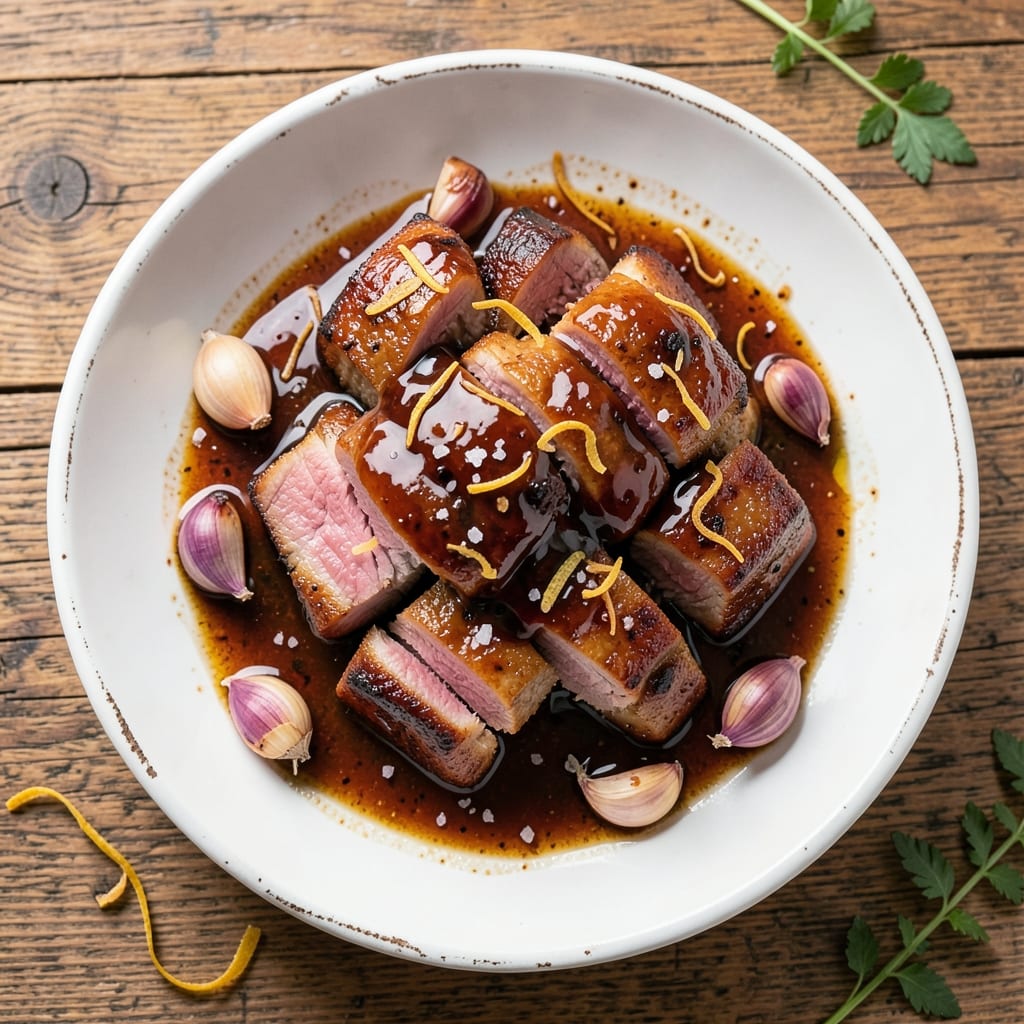
This fast fry pork recipe delivers crispy, vinegar-kissed bites in just 15 minutes—perfect for weeknights when you need dinner on the table fast. I developed this technique after years of perfecting quick-cook pork methods that still pack restaurant-quality flavor. The secret lies in high-heat frying and a tangy vinegar marinade that tenderizes while adding a bright contrast to the crispy exterior.
The process is straightforward: thinly slice pork shoulder (or loin) for even cooking, marinate in a simple vinegar-soy-garlic blend for 10 minutes, then fry in batches until golden and cooked through. A cast-iron skillet keeps heat consistent, and the right oil—like peanut or vegetable—ensures crispiness without burning. This method works with bone-in or boneless cuts, giving you flexibility for different occasions.
What you’ll end up with is crispy-edged, tender pork that’s juicy inside and caramelized outside, all infused with that signature tangy brightness. The vinegar marinade not only adds flavor but also helps break down the meat for faster cooking, making it foolproof for busy cooks. Serve with steamed jasmine rice or a simple cucumber salad to balance the richness.
This recipe is a game-changer for anyone who loves pork but hates spending hours in the kitchen. Whether you're feeding a family or just craving a quick, satisfying meal, these crispy vinegar-kissed bites will become a staple. Let’s get cooking!
Ingredients for fast fry pork
Thin cuts, bold flavors—just 12 ingredients for restaurant-style pork in minutes.
| Ingredient | Amount | Notes |
|---|---|---|
| Pork Shoulder 🥓 | 1 ½ lb | Thinly sliced against grain |
| White Vinegar 🍶 | ½ cup | Distilled for tanginess |
| Soy Sauce 🍜 | ¼ cup | Light or dark variety |
| Garlic Cloves 🧄 | 6 cloves | Minced for marinade |
| Peanut Oil 🫒 | 2 cups | High smoke point preferred |
| Brown Sugar 🍯 | 2 tbsp | Light or dark |
| Ginger Root 🌿 | 1 tbsp | Freshly grated |
| Sesame Oil 🫒 | 1 tsp | For aroma finish |
| Salt 🧂 | 1 ½ tsp | Diamond Crystal preferred |
| Black Pepper 🌶️ | ½ tsp | Freshly cracked |
| Cornstarch 🌾 | 2 tbsp | For crispy coating |
| Green Onions 🧅 | 4 whole | Sliced for garnish |
The pork shoulder is key here—look for well-marbled cuts at the butcher counter. Costco or Whole Foods usually carry great quality. If you can't find shoulder, pork loin works too, but slice it thinner. The vinegar should be distilled white (not apple cider)—it's sharper and cuts through the fat better. I always grab extra garlic and ginger because they make or break the marinade flavor. For the oil, peanut or vegetable oil are your best bets—they handle high heat without burning.
No white vinegar? Rice vinegar works in a pinch, but it's milder. Skip the soy sauce? Coconut aminos or tamari add similar depth. Fresh ginger not available? Ground ginger at half the amount is fine, but it's not the same. The cornstarch is non-negotiable for crispiness—arrowroot powder works too. For the sesame oil, toasted sesame oil adds more flavor, but regular will work. If you're short on time, skip the 10-minute marinade and just toss the pork in the oil and seasonings right before frying—it'll still be delicious.
Store leftover pork in an airtight container with a paper towel to absorb moisture—keeps for 3-4 days in the fridge. Freeze for up to 3 months by portioning into single-serving bags. The marinade leftovers? Save for stir-fries or soups—it's packed with flavor. For next-level crispiness, double-fry the pork—first at medium heat to cook through, then again at high heat to crisp up. Trust me, it's worth the extra minute.
Why You'll Love This Recipe
- Here’s what sold me: that first bite where the peanut oil gives it a shatteringly crispy crust, but the inside stays juicy and tender. The vinegar cuts through the richness, so it’s never greasy—just addictive.
- No-Chop Nightmare: I swear, this is the only pork dish where I can skip dicing—just slice the shoulder thin, toss it in vinegar and soy sauce for 10 minutes, then fry. That’s it. The garlic gets minced while the pan heats, and suddenly you’re done.
- Crispy-Creamy Magic: Here’s what sold me: that first bite where the peanut oil gives it a shatteringly crispy crust, but the inside stays juicy and tender. The vinegar cuts through the richness, so it’s never greasy—just addictive.
- Leftover Superhero: Between us, this pork keeps all week. Toss it cold into rice bowls, chop it for fried rice, or even throw it in a wrap. I’ve had it three days running, and it’s still the star of the meal—no one complains.
Step-by-step instructions for crispy vinegar-kissed pork bites
Here's how to make restaurant-style pork bites in record time—crispy outside, tender inside.
Marinate the Pork for Maximum Flavor
In a large bowl, combine the 0.5 cup white vinegar, 0.25 cup soy sauce, 2 tbsp brown sugar, 1 tbsp freshly grated ginger root, 1.5 tsp salt, and 0.5 tsp freshly cracked black pepper. Mix until the sugar and salt dissolve completely. This marinade does double duty—tenderizing the pork while building deep umami flavor.
Add the 1.5 lb thinly sliced pork shoulder and the 6 minced garlic cloves to the marinade. Use your hands to massage the marinade into every slice, ensuring even coverage. Let it sit at room temperature for 10 minutes—just enough time for the pork to absorb the marinade without over-tenderizing. Don't skip this step; it's what gives these bites their signature tangy punch.
Prepare the Cornstarch Coating
In a separate shallow dish, mix the 2 tbsp cornstarch with 1 tsp sesame oil. The cornstarch creates a light, crispy crust while the sesame oil adds subtle aroma. Spread the mixture evenly so each piece of pork gets full coverage when coated.
Remove the pork from the marinade, allowing any excess to drip off. Shake off any clinging marinade—too much liquid will prevent proper crisping. Pat the slices dry with paper towels if needed. This step is crucial; a dry surface ensures maximum adhesion for that perfect crunch.
Heat the Peanut Oil for Deep Frying
Fill a deep skillet or Dutch oven with 2 cups peanut oil and heat over medium-high heat until the oil reaches 350°F—this is your target temperature for perfect crispiness. Use a deep-fry thermometer to monitor the oil; it should maintain this temperature consistently. If you don't have a thermometer, test with a small piece of pork: it should sizzle vigorously and turn golden in 30-45 seconds.
Work in batches to avoid overcrowding—you want the oil to stay hot and the pork to cook evenly. If the oil temperature drops below 340°F, let it recover before adding more pork. Cold oil absorbs into the pork instead of creating that gorgeous sear we're after.
Fry the Pork to Golden Perfection
Carefully add the marinated pork to the hot oil, working in single layers. Fry for 2-3 minutes per side until the edges turn deep golden brown and the pork reaches an internal temperature of 145°F. You'll know it's ready when the pork releases easily from the cornstarch coating—no need to flip constantly; let it develop that crispy crust.
Transfer the fried pork to a wire rack set over a paper towel-lined plate. This allows excess oil to drain away, preventing the pork from becoming greasy. The pork should be crispy yet tender—if any pieces feel undercooked, return them to the oil for 30 more seconds. Real talk: this is where the magic happens, so don't rush it.
Finish and Serve Immediately
While the pork rests, slice the 4 whole green onions into thin rings. Drizzle the fried pork with any remaining marinade from the bowl (about 1-2 tablespoons) and toss gently to coat. The acidity in the marinade cuts through the richness of the fried pork, balancing the flavors perfectly.
Serve immediately with the sliced green onions scattered on top for freshness and color contrast. These bites are best enjoyed hot—crispy on the outside, tender on the inside, with that perfect tangy-sweet-savory balance. Pair with a cold beer or spicy dipping sauce for the ultimate fast-food experience.
Pro Tips For Making Fast Fry Pork
- CUT PORK INTO STRIPS: No, not tiny—about 1.5 inches thick and 2 inches wide. Thinner strips cook faster but burn before they brown; thicker ones stay juicy but risk undercooking. I learned this the hard way when my first batch turned out chewy in the center.
- USE COLD PEANUT OIL: Start with the oil cold, then heat it gradually while frying. Hot oil splatters like crazy, and you’ll lose half your pork to the wall. I now keep the wok on medium-low until the pork hits the pan—less mess, same crispy results.
- SALT THE PORK AFTER FRIED: Skip salting before frying—it makes the meat release moisture and steams instead of searing. Toss the fried pork in soy sauce and vinegar first, then add salt after it rests. The crust stays crisp, and the flavor sticks.
- GARLIC AFTER THE PORK: Add garlic cloves after the pork is halfway done frying. If you toss them in at the start, they burn before the pork gets a chance to brown. I now smash the cloves first—more flavor, less waiting.
Best sauces and condiments for these flavors
Tangy Vinegar Glaze
Start with the marinade leftovers—simmer ¼ cup of the reserved marinade with 1 tbsp brown sugar and ½ tsp sesame oil in a small saucepan over medium heat for 3-4 minutes. The acidity in the vinegar will caramelize beautifully, creating a glossy, sticky glaze. Brush this over the fried pork just before serving for an extra layer of flavor. I like to add a pinch of red pepper flakes to the glaze for a subtle kick. 🌶️
Spicy Chili-Lime Dip
Mix ¼ cup sour cream, 2 tbsp lime juice, 1 tbsp chopped cilantro, ½ tsp chili powder, and ¼ tsp salt for a cooling contrast to the crispy pork. This dip is a game-changer for parties—it balances the richness while adding a refreshing zing. Serve it in a small bowl with toothpicks for easy dipping. Trust me, your guests will go back for seconds. 💛
Sweet and Sticky Hoisin Sauce
Combine 2 tbsp hoisin sauce, 1 tsp rice vinegar, and ½ tsp grated ginger for a sweet-savory sauce that pairs perfectly with the vinegar-kissed pork. Warm the sauce in a small pan over low heat until it’s slightly thickened, then drizzle it over the pork or serve it on the side for dipping. This sauce adds depth and a touch of umami that complements the crispy texture. 🍜
Garlic Butter Sauce
Melt 2 tbsp butter in a small pan over medium heat, then add 2 minced garlic cloves and 1 tsp soy sauce. Cook for 1-2 minutes until fragrant but not browned. Drizzle this over the pork or serve it as a dipping sauce. The garlic butter adds a rich, savory element that enhances the pork’s natural flavors without overpowering them. 🧄
Quick Pickled Vegetables
Slice ½ cup cucumber, 2 green onions, and 1 carrot into thin strips. Toss with ¼ cup rice vinegar, 1 tsp sugar, and ½ tsp salt. Let sit for 10 minutes to pickle. These crisp, tangy veggies cut through the richness of the fried pork and add a refreshing crunch to your plate. Serve them on the side or mix them in for a one-bowl meal. 🥒
Nutrition facts
Frequently asked questions
Can I use pork loin instead of pork shoulder for this recipe?
Pork loin works beautifully—just slice it ¼-inch thick against the grain for even cooking. Since loin is leaner, you might want to reduce the marinating time to 5 minutes to avoid over-tenderizing. The crispy texture will be just as good, but expect slightly faster cooking times (1-2 minutes per side).
What's the best way to keep the pork crispy when serving?
Serve immediately on a wire rack over paper towels to let excess oil drain. If reheating, use a 400°F oven for 3-4 minutes—never microwave, as it makes the pork soggy. For extra crunch, sprinkle with 1 tsp cornstarch before serving and broil for 1 minute.
Can I make this recipe with frozen pork?
Not ideal, but possible in a pinch. Thaw the pork completely in the fridge overnight first. If using frozen, pat it very dry with paper towels and increase the cornstarch coating to 3 tbsp for extra crispiness. The cooking time may extend by 30-60 seconds per side.
Why does my pork turn out greasy instead of crispy?
Greasy pork usually means the oil wasn't hot enough (below 340°F) or the pork wasn't dry before frying. Always use a deep-fry thermometer and pat slices completely dry with paper towels. Work in small batches to maintain oil temperature—overcrowding causes heat loss and greasiness.
What's the secret to getting that perfect tangy flavor?
The vinegar marinade is key—use distilled white vinegar (not apple cider) for maximum tang. Let it sit with the pork for the full 10 minutes, then toss in any leftover marinade after frying. For extra depth, add ½ tsp fish sauce to the marinade. The acidity cuts through the richness, creating that signature balance.