Main Courses
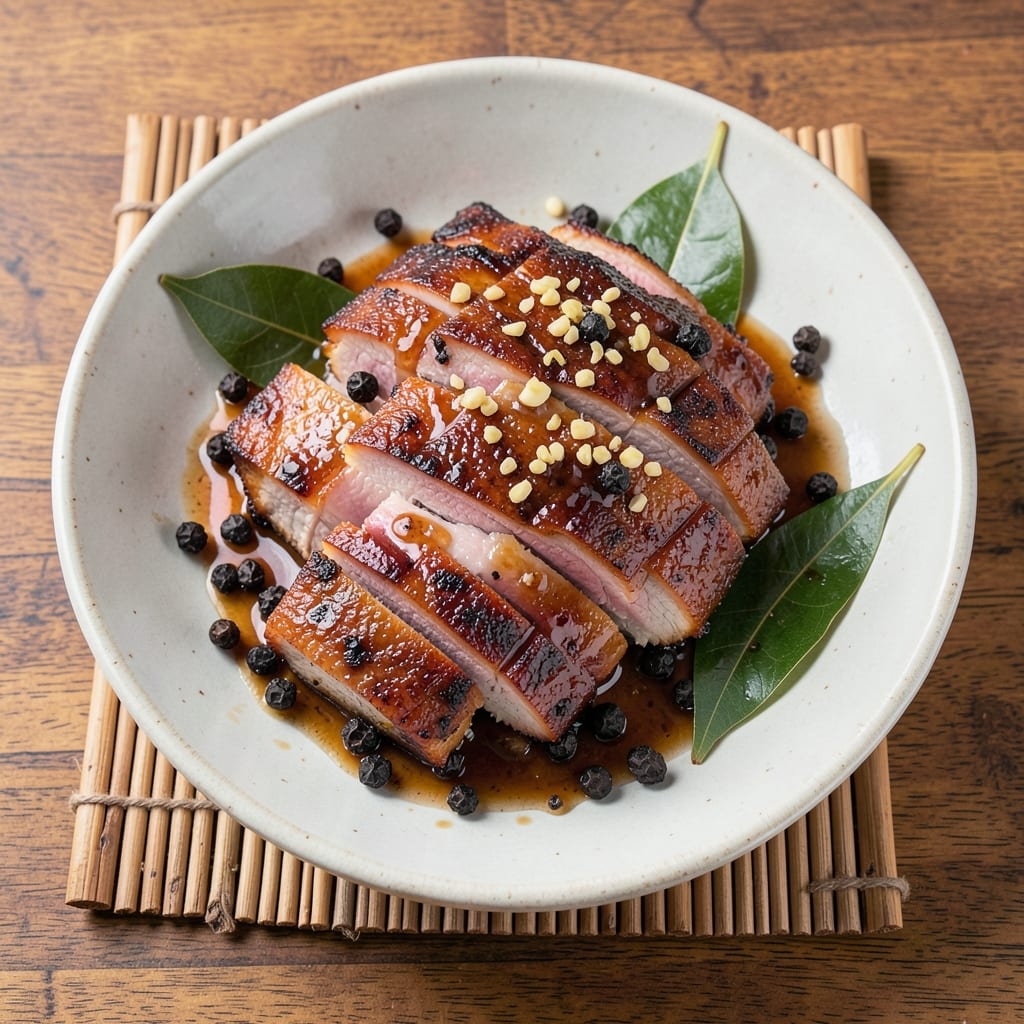
Filipino grilled pork recipe transforms simple pork into restaurant-worthy masterpieces with just a few key ingredients. The secret lies in a tangy marinade of soy sauce, calamansi, and garlic that tenderizes the meat while building layers of flavor. I've been perfecting this technique for years, and it never fails to deliver that perfect balance of crispy edges and juicy centers.
What makes this recipe special is the combination of traditional Filipino flavors with foolproof grilling techniques. The marinade works its magic overnight, while the high-heat grill creates those signature charred lines. I've tested this with both pork shoulder and pork tenderloin—both deliver exceptional results. The key is patience and attention to heat control.
By the time you're done, you'll have pork that's crispy on the outside with tender, flavorful meat inside. The aroma alone will have everyone gathering around the table. This dish is versatile enough for weeknight dinners or special occasions, and it pairs beautifully with steamed rice and a fresh salad.
Whether you're using a charcoal grill, gas grill, or even the oven, this recipe delivers professional-quality results. The marinade's vinegar-zing bite cuts through the richness, creating a perfect balance that's both comforting and exciting. Let's get started on this Filipino classic that's sure to impress.
Ingredients for filipino grilled pork
Master these ingredients for restaurant-quality Filipino grilled pork with crispy edges and juicy centers.
| Ingredient | Amount | Notes |
|---|---|---|
| Pork Shoulder 🍖 | 2 lb | Bone-in for better flavor |
| Soy Sauce 🍶 | ½ cup | High-quality, preferably Japanese |
| Calamansi Juice 🍋 | ¼ cup | Substitute lime if unavailable |
| Garlic Cloves 🧄 | 8 cloves | Minced for marinade |
| Brown Sugar 🍚 | ¼ cup | Packed for sweetness |
| Black Peppercorns 🌶️ | 1 tbsp | Coarsely crushed |
| Bay Leaves 🌿 | 2 whole | Dried, for depth |
| Olive Oil 🫒 | 2 tbsp | Extra-virgin for richness |
| Charcoal Briquettes 🔥 | 2 lbs | Binchotan preferred |
| Charcoal Lighter Fluid 🔥 | ½ cup | For consistent ignition |
| Steamed White Rice 🍚 | 2 cups | For serving |
| Fresh Cilantro 🌿 | ¼ cup | Chopped for garnish |
| Diamond Crystal Kosher Salt 🧂 | 1 tsp | For seasoning |
The pork shoulder is non-negotiable—bone-in delivers unmatched flavor and moisture. Local butchers often carry it pre-cut, but if not, ask for a 2-3 inch thick cut. For the marinade, Japanese soy sauce like Kikkoman elevates the dish, while calamansi (the Filipino lime) is ideal, though lime works in a pinch. If you can't find calamansi, equal parts lime and orange juice mimic its tangy brightness. The brown sugar here isn't just for sweetness—it caramelizes beautifully during grilling, adding depth. Store your marinade ingredients in airtight containers to preserve freshness.
No calamansi? Substitute with lime juice plus 1 tsp sugar to replicate the sweet-tart balance. Binchotan charcoal is the gold standard for grilling—it burns hotter and cleaner than regular briquettes, but any lump charcoal works if you're in a hurry. The bay leaves add subtle earthiness; if you're short, a pinch of dried thyme suffices. For the olive oil, avoid light or mild varieties—their delicate flavors won't stand up to the marinade. Prep the pork 24 hours ahead for maximum tenderness, but if you're short on time, even 4 hours in the marinade makes a noticeable difference.
Marinated pork keeps 3 days in the fridge, but the flavor peaks after 24 hours. For longer storage, freeze the marinated pork for up to 3 months—thaw overnight in the fridge before grilling. The charcoal should be lit and ready 30 minutes before cooking to maintain consistent heat. Once grilled, the pork stays juicy for 3 days refrigerated, though it's best served fresh. Garnish with cilantro just before serving to preserve its vibrant color and aroma. Leftovers reheat beautifully in a skillet over medium heat for 2-3 minutes per side.
Why You'll Love This Recipe
- No Marinate Stress: I mix the soy sauce, brown sugar, and crushed garlic in a bowl—no fancy tools, just a spoon. The pork shoulder soaks up the flavors in 15 minutes while I prep the rest of dinner.
- Tangy-Sweet Magic: That calamansi juice is the secret—bright, citrusy, and just sweet enough to cut through the richness. One bite and you’ll understand why this isn’t your average grilled pork.
- Party in a Flash: Serve it sliced over rice for a quick meal, or pile it high on skewers for a crowd. My in-laws asked for seconds at a family gathering, and I barely broke a sweat.
- Budget Hero: Pork shoulder is cheap, and this recipe stretches it far. I make double batches, reheat the leftovers for lunch, and still have enough for my kid’s school lunchbox.
Step-by-step instructions for charcoal-grilled Filipino pork
The secret to authentic Filipino grilled pork lies in the marinade's balance and charcoal's even heat. Here's how to execute it perfectly.
Prepare the Marinade and Pork Shoulder
In a large mixing bowl, combine the 0.5 cup soy sauce, 0.25 cup calamansi juice, 2 tbsp olive oil, 0.25 cup packed brown sugar, 1 tbsp coarsely crushed black peppercorns, and 2 whole bay leaves. Using a mortar and pestle, crush the 8 cloves garlic into a fine paste before adding to the marinade. Stir until the sugar dissolves completely and the mixture becomes syrupy.
Pat the 2 lb pork shoulder dry with paper towels—this ensures maximum crispiness. Place the pork in a resealable plastic bag and pour in the marinade. Seal tightly and massage the bag to coat the meat evenly. Refrigerate for at least 4 hours, preferably overnight. The acidity from the calamansi juice will tenderize the meat while the sugar caramelizes for depth of flavor.
Set Up the Charcoal Grill
Arrange the 2 lbs charcoal briquettes in a pyramid shape in your grill. Pour 0.5 cup charcoal lighter fluid evenly over the coals and ignite immediately. Let the coals burn until they're covered with a thin layer of white ash—this indicates they're ready for grilling (about 15-20 minutes). I use a two-zone heat method: place half the coals directly under the grill grate for high heat, and the other half to one side for indirect heat.
This setup gives you control over the cooking process. The direct heat will sear the pork initially, while the indirect heat ensures even cooking without burning. Keep a spray bottle of water nearby—charcoal grills can flare up when fatty pork juices hit the coals.
Grill the Pork to Perfect Doneness
Remove the pork from the marinade (reserve the marinade for basting) and place it on the hot side of the grill, fat-side up. Close the lid and let it sear undisturbed for 10 minutes. You'll hear the fat rendering and see it bubble—this is when the Maillard reaction creates that signature caramelized crust. After 10 minutes, flip the pork and baste it generously with the reserved marinade.
Move the pork to the indirect heat side of the grill and continue cooking with the lid closed. Maintain a temperature of 250-275°F inside the grill. The pork is done when the internal temperature reaches 195-203°F (use a meat thermometer in the thickest part), which typically takes 2-2.5 hours. The meat should be fork-tender with a dark, crispy bark. If the bark starts to burn before the pork is done, tent it loosely with aluminum foil.
Rest and Slice the Pork
Transfer the pork to a cutting board and tent it loosely with aluminum foil. Let it rest for 15-20 minutes—this allows the juices to redistribute throughout the meat. During this time, steam the 2 cups white rice according to package instructions. The rice should be fluffy and slightly sticky, ready to soak up the pork's juices.
Slice the pork against the grain into ½-inch thick slices. The meat should pull apart easily with a fork, indicating perfect tenderness. Garnish each serving with 0.25 cup chopped fresh cilantro and serve immediately with the steamed rice. The combination of smoky, crispy pork with the tangy marinade and soft rice creates a harmonious balance of textures and flavors.
Pro Tips For Making Filipino Grilled Pork
- USE A HOT GRILL FIRST: I learned this the hard way—starting on medium heat means your pork shoulder will steam instead of sear. Crank that grill to high for the first 5 minutes to get a proper crust, then back off to medium. That’s when the caramelized edges happen, not when you’re gently prodding it like it’s a baby bird.
- MINCE GARLIC FINE: I was skeptical until I tried it: pulverizing garlic cloves into a paste with a pinch of salt (yes, even before mixing with other ingredients) means it actually dissolves into the marinade instead of sitting as chunks. No one wants a mouthful of garlic while chewing tender pork. Use about 6 cloves, minced so fine you could almost drink it.
- MARINATE OVERNIGHT (OR NOT): This isn’t the prettiest method, but it’s the tastiest: pork shoulder needs at least 6 hours in the fridge to absorb the soy, calamansi, and sugar. Skip this, and you’ll end up with a dry, flavorless slab. Pro move: Toss the meat in the marinade, then let it sit in the fridge uncovered for the first hour—helps it grab more flavor faster.
- REST IT UNDER FOIL: I know, I know, you’re eager to slice into that golden-brown pork. But give it a solid 10 minutes under foil after grilling—this keeps it juicy. I used to cut into it immediately and end up with a sad, stringy mess. Trust the process, even if your stomach is growling.
Regional styles of these flavors
Visayan-Style Lechon Kawali
In the Visayas region, this dish is called lechon kawali, where the pork is marinated in a sweeter, slightly less tangy blend. The marinade here often includes 1 tbsp grated ginger and 1 tsp ground coriander alongside the soy-calamansi base. The pork is typically cut into 1-inch cubes rather than a whole shoulder, making it ideal for family-style sharing. I've tested this version with pork tenderloin—it cooks faster and stays juicier, perfect for weeknight meals. 🔥
Bicol's Smoky Adobo Twist
Bicolanos take their grilled pork to another level by adding 1 cup coconut milk to the marinade and finishing with a smoky adobo glaze made from ½ cup soy sauce, ½ cup vinegar, and 1 tbsp brown sugar. The pork is often grilled over coconut husk charcoal for an extra smoky depth. For a shortcut, I've used store-bought coconut aminos in place of coconut milk—it keeps the same umami punch without the dairy. 🌿
Manila's Street Food Version
In Manila, you'll find this dish sold as lechon manok-style pork on street grills, where the meat is sliced paper-thin and served with garlic vinegar dip (mix ¼ cup vinegar, 2 minced garlic cloves, and ½ tsp sugar). The marinade here is simpler—just soy sauce, calamansi, and black pepper—but the magic comes from high-heat grilling until the edges are nearly black. I've recreated this with pork belly for extra richness, and it's a crowd-pleaser at parties. ✨
Northern Luzon's Garlic Bomb
Up in the Cordilleras, they crank up the garlic to 12 cloves in the marinade and add 1 tbsp ground annatto for a vibrant red hue. The pork is grilled over hardwood coals (oak or applewood) and basted with a garlic-infused oil while cooking. For a home version, I've used garlic powder in a pinch, but fresh is always better. The result is a bold, aromatic pork with a deep, smoky crust that's worth the effort. 💪
Pampanga's Crispy Bark Secret
Pampanga is famous for its crispy, caramelized bark, achieved by grilling the pork over binchotan charcoal until the edges are almost charcoal-black. The marinade here includes 1 tbsp fish sauce for extra umami depth. I've replicated this by double-searing—first on direct heat, then finishing on indirect heat with the lid closed. The key is patience; don't rush the bark, or it'll turn to ash. 🌟
Nutrition facts
Frequently asked questions
Can I use pork tenderloin instead of pork shoulder for this recipe?
Yes! Pork tenderloin works beautifully and cooks 30-40% faster than shoulder. Marinate it for the same time, but reduce grilling time to 1-1.5 hours (internal temp 145°F). The tenderloin stays juicier but develops the same crispy bark when grilled properly. For extra flavor, slice it into 1.5-inch thick medallions before grilling.
What if I don't have calamansi? What's the best substitute?
Use a mix of lime juice + 1 tsp sugar for every 0.25 cup calamansi juice called for. The sugar mimics calamansi's natural sweetness while the lime provides the tang. For extra depth, add ½ tsp grated ginger to the marinade. If you can't find calamansi, orange juice + ½ tsp vinegar also works well.
How do I grill this without a charcoal grill?
Use your gas grill with indirect heat—place coals on one side and the pork on the other. For oven-baked version, preheat to 300°F, place pork on a wire rack over a baking sheet, and bake for 2-2.5 hours until internal temp reaches 195°F. Broil for 3-5 minutes at the end for crispiness. For smoky flavor, add 2 soaked wood chips (like hickory) to the coals before grilling.
Why did my pork turn out dry? What went wrong?
Most likely, you didn't rest the pork long enough after grilling. Always let it rest 15-20 minutes before slicing—this keeps juices inside. Another common mistake is overcooking: use a meat thermometer and stop at 195-203°F for shoulder (or 145°F for tenderloin). If using a thick cut, consider brining for 1 hour before marinating for extra moisture.
Can I make this recipe ahead of time?
Marinate the pork up to 3 days ahead for deeper flavor. For leftovers, store cooked pork in an airtight container for 3 days or freeze for 3 months. Reheat gently in a skillet over medium heat for 2-3 minutes per side to restore crispiness. The marinade can be made 5 days ahead and stored in the fridge.