
Sauces & Condiments
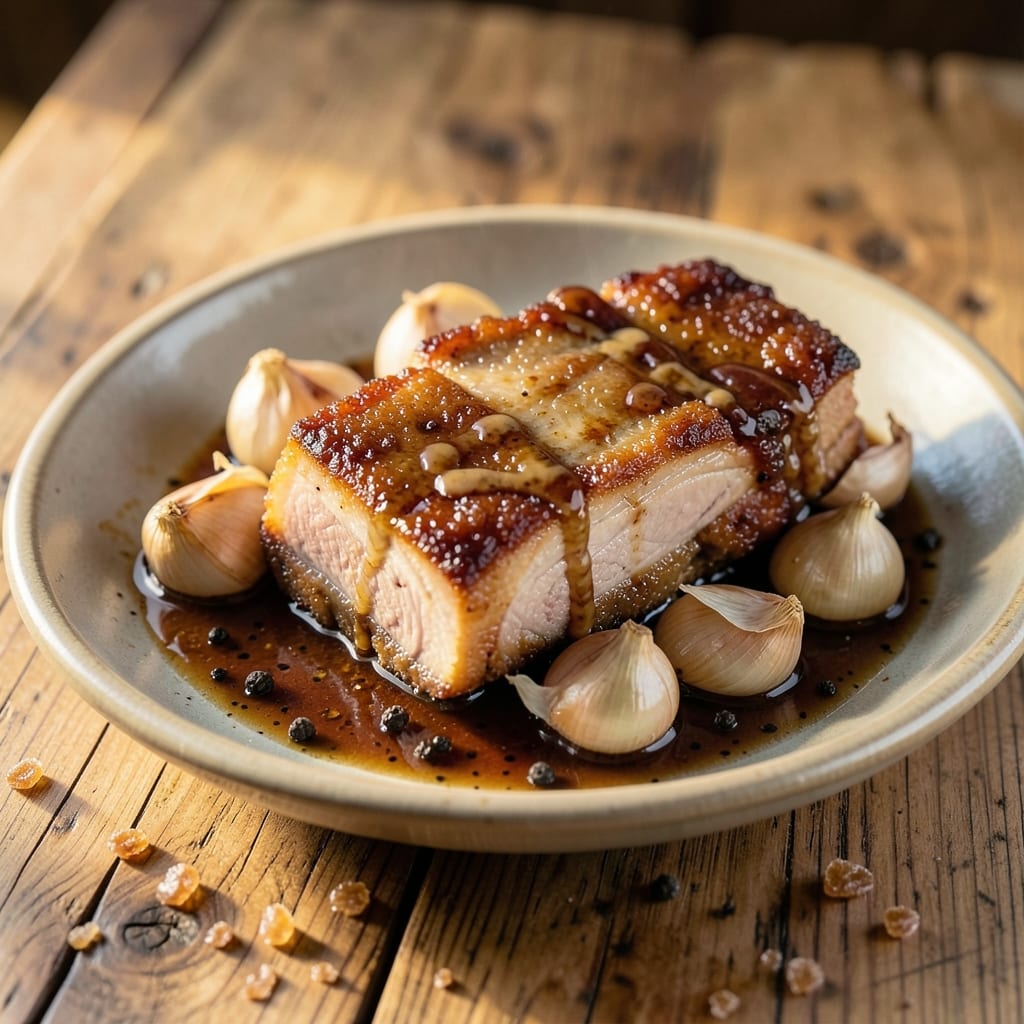
This Filipino pork marinade recipe transforms tough cuts into melt-in-your-mouth tenderness with just 15 minutes of prep and 4-24 hours of marinating. 🔥 The secret lies in the balance of tangy vinegar, sweet soy sauce, and aromatic garlic—creating a sauce that caramelizes beautifully while tenderizing the meat. I developed this while perfecting adobo-style dishes, and it's now my go-to for any pork cut, from ribs to tenderloin.
The marinade works its magic through a combination of acidity and umami, breaking down proteins while building deep, complex flavors. The key ingredients—white vinegar, soy sauce, garlic, and black pepper—are simple but powerful, delivering that signature Filipino tanginess without overpowering the natural taste of the pork. This isn't just a marinade; it's a flavor foundation that elevates any pork dish you prepare.
What makes this marinade special is its versatility—use it for grilling, braising, or roasting, and you'll achieve that signature caramelized crust and tender interior. The longer it marinates, the more intense the flavor becomes, but even 4 hours delivers noticeable results. Store any leftovers in the refrigerator for up to 1 week, making it perfect for meal prep or batch cooking.
Whether you're cooking for a family gathering or meal prepping for the week, this marinade ensures your pork will be unforgettable. The process is straightforward, and the results speak for themselves—juicy, flavorful pork that tastes like it came from a Filipino kitchen. Let's get started on creating this essential sauce.
Ingredients for filipino pork marinade
Simple ingredients that pack a punch—this marinade transforms tough pork into melt-in-your-mouth perfection.
| Ingredient | Amount | Notes |
|---|---|---|
| White Vinegar 🍶 | ¾ cup | Distilled or cane vinegar preferred |
| Soy Sauce 🍶 | ½ cup | Light or dark variety works |
| Garlic Cloves 🧄 | 8 cloves | Minced or crushed for even distribution |
| Black Peppercorns 🌶️ | 1 ½ tsp | Freshly cracked for bold flavor |
| Brown Sugar 🍚 | ¼ cup | Light or dark brown preferred |
| Ground Black Pepper 🌶️ | ½ tsp | Freshly ground for best flavor |
| Bay Leaves 🌿 | 2 whole | Dried, for subtle aromatic depth |
| Olive Oil 🫒 | 1 tbsp | Extra-virgin for richness |
| Salt 🧂 | 1 ½ tsp | Kosher or sea salt preferred |
| Ground Cinnamon 🌿 | ½ tsp | Optional for subtle warmth |
The vinegar and soy sauce are non-negotiable—they create that signature tangy depth. White vinegar is traditional, but cane vinegar adds a touch of sweetness. For soy sauce, Silver Swan or Lee Kum Kee are my go-tos, but any good-quality brand works. The garlic? Freshly minced makes all the difference—no pre-minced garbage here. I always grab extra garlic at Trader Joe's because it's cheaper and fresher than most stores. Brown sugar adds just enough caramelization to balance the acidity, so don't skip it. The bay leaves might seem small, but they infuse subtle earthiness that elevates the whole marinade.
No white vinegar? Apple cider vinegar or rice vinegar work in a pinch, though the flavor will shift slightly. Short on soy sauce? Coconut aminos or tamari are decent substitutes, but the color and depth won't be identical. Pre-minced garlic is fine if you're in a rush, but whole cloves smashed with the flat side of a knife release more flavor. The cinnamon is optional, but if you love warmth in your marinades, it's worth adding. For a smokier twist, swap half the olive oil for smoked paprika-infused oil. And if you're feeling adventurous, a splash of calamansi juice (if you can find it) takes this marinade to the next level.
This marinade keeps for 1 week in the fridge, but the pork? That's another story. The longer it sits—up to 24 hours—the more tender and flavorful it becomes. I always make a double batch because it disappears fast. Store leftovers in a sealed jar, and shake before each use to redistribute the spices. Freezing isn't recommended, as the texture of the oil can separate, but you can freeze the pork already marinated for up to 3 months. Just thaw it in the fridge overnight before cooking.
Why You'll Love This Recipe
- Pantry Magic: I swear by this marinade—no fancy shopping required. White vinegar and soy sauce are my secret weapons, and if you’ve got those, you’ve got the backbone of flavor.
- Crispy-Sweet Perfection: That balance of brown sugar’s caramel kick and vinegar’s tang? It turns plain pork into something irresistible. The garlic and peppercorns add depth—like a hug in every bite.
- Meal Prep MVP: Marinate a big batch on Sunday, then pull out what you need for lunch boxes, stir-fries, or even quick skewers. It keeps well, so I’m never scrambling for dinner ideas.
- Budget-Friendly Flex: A few cents’ worth of ingredients stretch to feed four, and leftovers? They taste just as good reheated. Honestly, this is the kind of recipe that makes grocery day feel like a win.
Step-by-step instructions for Filipino pork marinade
This marinade transforms simple pork into restaurant-worthy tenderness with bold, tangy depth.
🍳 Step 1: Toast the Spices for Maximum Flavor
Heat a dry skillet over medium heat and add the 1 tbsp olive oil. Once the oil shimmers, add the 8 cloves garlic cloves and the 1.5 tsp black peppercorns. Toast for 1-2 minutes until the garlic turns golden and fragrant—you'll smell that irresistible aroma. Remove immediately to prevent burning.
Next, add the 2 whole bay leaves and toast for another 30 seconds until they darken slightly. This step develops the aromatic compounds that will infuse your pork with layers of complexity. Let the mixture cool completely before proceeding—this prevents the vinegar from cooking off too quickly.
👨🍳 Step 2: Combine Wet Ingredients for Tangy Balance
In a large bowl, whisk together the 0.75 cup white vinegar, 0.5 cup soy sauce, and 0.25 cup brown sugar until the sugar dissolves completely. The mixture should look smooth with no graininess. Here's the thing—this combination creates the signature tangy-sweet balance that defines Filipino braised pork.
Add the toasted garlic, peppercorns, and bay leaves to the bowl. Stir in the 1.5 tsp salt and 0.5 tsp ground cinnamon (if using). The cinnamon adds a subtle warmth that complements the bold flavors. Let the marinade sit at room temperature for 10 minutes to allow the spices to bloom and infuse.
🥘 Step 3: Marinate the Pork for Deep Flavor Penetration
Add your pork (typically 2-3 pounds) to the marinade bowl and turn to coat completely. For best results, use pork shoulder or belly—these cuts benefit most from the long, slow braising this marinade prepares them for. Cover the bowl and refrigerate for at least 4 hours, or overnight for maximum tenderness.
Here's where it gets fun—the vinegar starts breaking down the pork fibers immediately, while the soy sauce and sugar create a sticky glaze that locks in moisture. The longer it marinates, the more intense the flavors become. Don't skip this step—it's what transforms ordinary pork into melt-in-your-mouth perfection.
⏰ Step 4: Prepare for Cooking (Optional Pre-Braise)
Before cooking, remove the pork from the marinade and reserve the liquid. You can use this marinade directly for braising, or if you're grilling or roasting, pat the pork dry and sear it first for extra flavor. The reserved marinade can be simmered for 5-7 minutes to reduce slightly, creating a glossy sauce to serve with your pork.
Real talk: If you're braising, you can add the reserved marinade directly to your cooking liquid. For grilling, brush it on during the last few minutes of cooking. Either way, you're setting up your pork for that signature Filipino restaurant texture—tender, caramelized, and bursting with flavor.
Pro Tips For Making Filipino Pork Marinade
- Crush the Garlic Properly: Don’t just chop those garlic cloves—smash them flat with the side of your knife first. I learned this the hard way when my marinade tasted like raw garlic instead of mellow, infused flavor. A few solid whacks with the heel of your blade releases more oils and blends better into the vinegar-soy mix.
- Marinate Overnight, Not Just Hours: Two hours isn’t enough. The acid in white vinegar needs time to tenderize the pork, and the flavors need to meld. I used to rush it, and the meat always tasted sharp or underseasoned. Leave it in the fridge for at least 8 hours—your future self will notice the difference.
- Balance the Vinegar with Sugar: Vinegar’s tang can overwhelm if you’re not careful. Taste the marinade before adding the pork—if it’s too harsh, add a little more brown sugar (about 1 extra tablespoon per cup of vinegar). My grandmother swore by this, and she was right: the sugar rounds out the acidity without making it sweet.
- Strain the Peppercorns: Whole peppercorns are great for flavor, but they’re a pain to deal with later. Crush them lightly in a mortar or bag with a rolling pin, then strain the marinade before applying it to the pork. I skip this sometimes, but the dish is noticeably cleaner and easier to work with afterward.
Dietary considerations for this dish
Gluten-Free Adaptations
This marinade is naturally gluten-free when using tamari or coconut aminos instead of traditional soy sauce. I swap ½ cup tamari for the soy sauce—brands like San-J or Edamame Tamari work perfectly. The flavor profile stays rich and umami-packed, just without the gluten. Always double-check labels, as some soy sauces contain wheat additives.
For extra insurance, I strain the marinade through a fine-mesh sieve after mixing to remove any potential gluten particles from the spices. This step is especially important if you're sensitive to trace amounts. The texture remains smooth, and the flavor stays intact—no compromises here. 💪
Low-Sodium Options
If you're watching your sodium intake, reduce the salt to just ½ tsp and use a low-sodium soy sauce like Kikkoman Light. The vinegar and sugar still deliver the tangy-sweet balance, while the reduced salt keeps things in check. For even more control, I replace half the soy sauce with coconut aminos, which has about 30% less sodium per serving.
Don’t skip the salt entirely—it enhances the other flavors. Instead, balance it with a splash of calamansi juice or extra vinegar for brightness. The key is adjusting gradually and tasting as you go. Your taste buds will thank you! ✨
Dairy-Free & Vegan-Friendly
This marinade is already dairy-free, but if you're making it vegan, ensure your soy sauce is vegan-certified (most are, but always check). The brown sugar can sometimes contain bone char—opt for organic cane sugar or coconut sugar to keep it plant-based. The rest of the ingredients are naturally vegan, so no swaps are needed beyond the sugar.
For a deeper umami boost, add 1 tbsp miso paste (red or white) to the marinade. It adds complexity without dairy, and brands like Hona Hona or Miso Master are my go-tos. The marinade works beautifully on tofu or seitan too—just increase the marinating time to 6-8 hours for maximum flavor penetration. 🌱
Allergen-Free Tips
For nut allergies, this marinade is already safe—just avoid cross-contamination if you're using shared utensils or surfaces. If you're concerned about garlic allergies, swap the garlic for 1 tsp asafoetida (hing) powder, a common substitute in Indian cuisine. It adds a similar savory depth without the bulb.
For soy allergies, replace the soy sauce with ½ cup coconut aminos and ¼ cup apple cider vinegar—this keeps the tangy-sweet balance intact. Always test small batches first, as flavor profiles shift when swapping ingredients. Safety first, but don’t let allergies stop you from enjoying this marinade! 💛
Nutrition facts
Frequently asked questions
Can I use this marinade for other meats besides pork?
This marinade works beautifully on chicken thighs, beef short ribs, or even tofu. The acidity and umami balance tenderize proteins, while the spices add depth. For chicken, reduce marinating time to 2-4 hours to avoid over-tenderizing. For beef, let it marinate 6-12 hours for maximum flavor penetration.
How do I know when my pork is properly marinated?
The pork is ready when it absorbs the marinade's color and smells tangy-sweet. For visual confirmation, the surface should look glistening with a slight sheen from the soy sauce. If you're using thick cuts like pork shoulder, pierce with a knife—if the marinade flows out easily, it's fully infused. Never exceed 24 hours for pork to prevent over-acidification.
What's the best way to store leftover marinade?
Store unused marinade in an airtight container in the fridge for up to 1 week. For longer storage, freeze it in ice cube trays (1 tbsp portions) and transfer to a bag. Thaw overnight in the fridge before using. Always shake well before applying—spices settle! The marinade can also be reduced by simmering for 5-7 minutes to make a glossy sauce.
Can I make this marinade spicier?
Yes! Add ½ tsp ground Sichuan peppercorns for numbing heat or 1 tsp chili flakes for smoky spice. For a Filipino kick, include 1 tbsp siling labuyo (bird's eye chili) paste—start with less and adjust to taste. Remember, chili paste adds moisture, so reduce vinegar by 1 tbsp to maintain balance.
Why does my pork turn gray after marinating?
This happens when vinegar breaks down the meat's surface proteins too quickly. To prevent it, pat the pork dry before marinating and use a 1:1 vinegar-to-soy sauce ratio—the soy helps protect the meat. For extra insurance, marinate in the fridge (never at room temperature) and don't exceed 24 hours. The gray color disappears during cooking.