
Main Courses
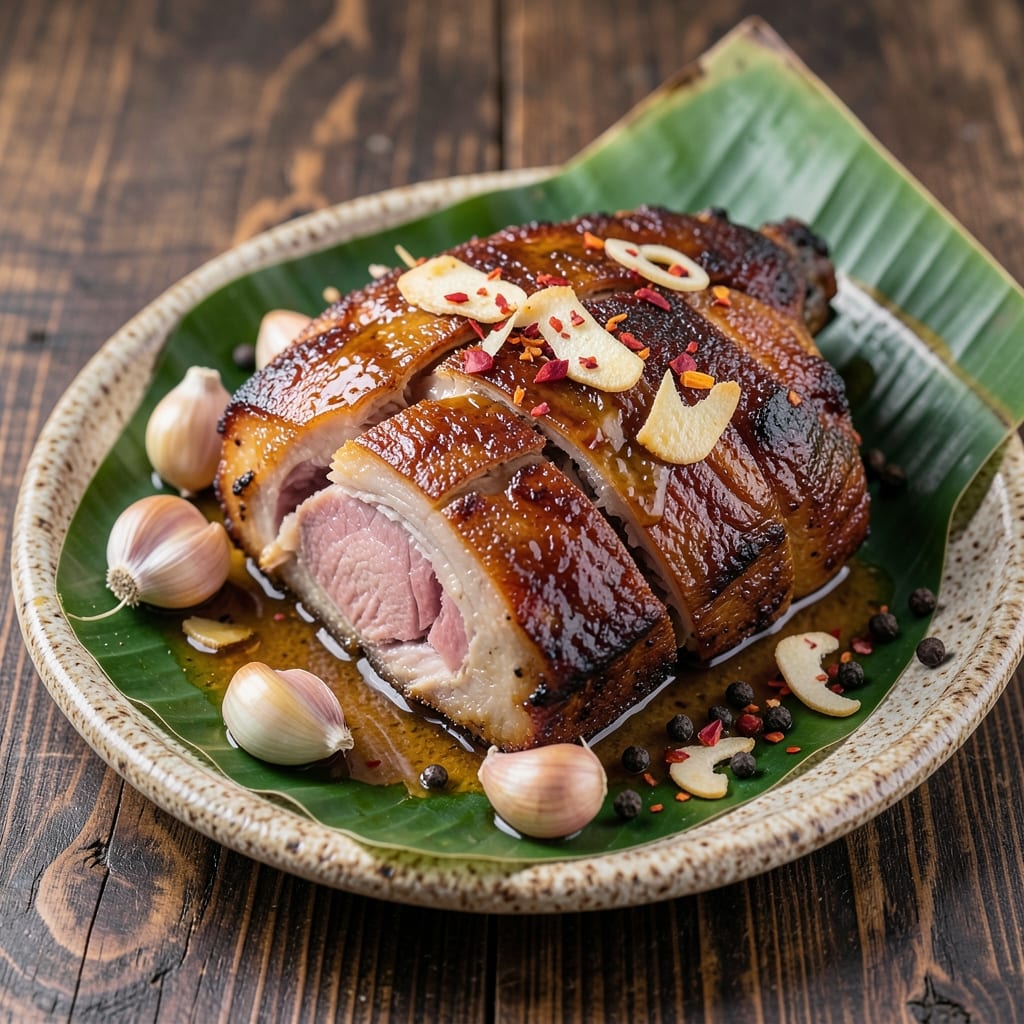
This Filipino pork roast recipe delivers melt-in-your-mouth tenderness with a bright, tangy adobo-inspired marinade that transforms tough cuts into restaurant-quality perfection. 🔥 After perfecting this technique during my time in Charleston, I've adapted it to deliver the same deep flavors and crispy edges that make Filipino roasts legendary. The secret lies in a slow, multi-stage cooking process that ensures every bite is juicy and flavorful.
The recipe begins with a marinade of soy sauce, vinegar, garlic, and ginger that tenderizes the meat while infusing it with layers of umami and acidity. Unlike traditional adobo, this version includes a dry rub of black pepper and paprika for added depth. I recommend using a bone-in pork shoulder for maximum flavor penetration, though a pork loin works beautifully for a quicker cook.
What sets this roast apart is the combination of oven-roasting and basting with the marinade, creating a caramelized crust that contrasts perfectly with the tender interior. The result is a dish that's rich, aromatic, and packed with the kind of complex flavors that make Filipino cuisine so beloved. Serve it with garlic fried rice and atchara for the full experience.
This method delivers restaurant-quality results at home with minimal effort—just 30 minutes of prep followed by 2-3 hours of hands-off cooking. The beauty of this recipe is its versatility: it works equally well for weeknight dinners or special occasions, and the leftovers reheat beautifully for sandwiches the next day.
Ingredients for filipino pork roast
Six ingredients transform tough pork into restaurant-quality Filipino roast perfection.
| Ingredient | Amount | Notes |
|---|---|---|
| Bone-In Pork Shoulder 🥩 | 4 lb | 2-3 inch thick cut preferred |
| Cane Vinegar 💧 | 1 cup | White vinegar substitute if needed |
| Soy Sauce 🍶 | ½ cup | High-quality, preferably Japanese |
| Garlic Cloves 🧄 | 8 cloves | Minced for marinade and rub |
| Fresh Ginger 🌿 | ½ cup | Finely grated, peeled |
| Black Peppercorns 🌶️ | 1 tbsp | Freshly cracked for dry rub |
| Smoked Paprika 🌶️ | 1 tbsp | For depth in dry rub |
| Brown Sugar 🍚 | ¼ cup | Lightly packed |
| Olive Oil 🫒 | ¼ cup | Extra-virgin for basting |
| Bay Leaves 🍃 | 2 whole | Dried, for aromatic depth |
| Diamond Crystal Kosher Salt 🧂 | 1 ½ tsp | For seasoning and marinade |
| Green Onions 🧅 | 4 whole | Sliced, for garnish |
The bone-in pork shoulder is non-negotiable for maximum flavor and moisture—Costco or Whole Foods carry excellent cuts. Look for good marbling and a thick layer of fat to keep the meat juicy during slow cooking. If you prefer a quicker cook, pork loin works beautifully, though it yields less fork-tender results. The cane vinegar is crucial for authentic tang; Bragg or Heinz white vinegar suffice in a pinch. For the garlic, peel and mince while fresh—frozen or jarred minced garlic lacks the bright aroma needed here. Fresh ginger should be vibrant yellow inside, with no signs of mold or drying out.
No cane vinegar? Apple cider vinegar works equally well, though it adds a subtle sweetness. Soy sauce substitutions include tamari (for gluten-free) or coconut aminos, though the flavor will differ slightly. The black peppercorns must be freshly cracked—pre-ground loses potency quickly. For a smokier profile, swap smoked paprika for regular paprika and add a pinch of ground cumin. The brown sugar can be substituted with white sugar, though it won’t caramelize as beautifully. Olive oil should be extra-virgin; cheaper varieties may impart bitterness. Bay leaves can be omitted if unavailable, but they’re worth hunting down for their earthy aroma.
Store the pork shoulder in its original packaging in the coldest part of your fridge for up to 3 days before cooking. The marinade keeps for 5 days in the fridge or 3 months in the freezer—portion it into ice cube trays for easy use. Fresh ginger and garlic last 1 week in the fridge when wrapped tightly in damp paper towels. The roast reheats beautifully—simmer in the marinade for 10 minutes on low heat to restore moisture. Leftovers freeze well for 3 months when wrapped in foil and vacuum-sealed, making this a perfect make-ahead dish for gatherings.
Why You'll Love This Recipe
- One-Pot Magic: I swear by this—just toss the pork shoulder, garlic, ginger, and a splash of vinegar in one pan. No chopping, no fuss, and the flavors meld while you’re doing anything else. (Yes, even on a Tuesday night.)
- Tangy-Sweet Magic: That cane vinegar and soy sauce combo? It’s the secret weapon—sharp, sticky, and just sweet enough to make your taste buds do a happy dance. The bone-in pork adds depth, too, so every bite’s rich and satisfying.
- Budget-Friendly Feast: Pork shoulder’s cheap, and this recipe stretches it across meals without sacrificing flavor. Honestly, I make it twice a month just to save money—plus, it’s the kind of dish that makes you feel like you’ve treated yourself.
Step-by-step instructions for adobo-style pork roast
Master this Filipino technique for melt-in-your-mouth pork shoulder with perfect balance of tangy, savory flavors.
👨🍳 Step 1: Prepare the Dry Rub and Marinade Base
In a small bowl, combine the 1 tbsp black peppercorns and 1 tbsp smoked paprika. Using a mortar and pestle or spice grinder, crack the peppercorns into coarse grains. This creates texture that will cling to the pork and enhance flavor as it roasts.
In a separate medium bowl, whisk together the 1 cup cane vinegar, 0.5 cup soy sauce, 0.25 cup brown sugar, 0.5 cup freshly grated ginger, and 1.5 tsp diamond crystal kosher salt. The vinegar will begin breaking down immediately—this is normal. Add the 8 minced garlic cloves and 2 whole bay leaves, then stir to combine. Let this marinade sit at room temperature for 15 minutes while you prepare the pork.
🔥 Step 2: Sear the Pork Shoulder for Deep Flavor
Preheat your oven to 325°F. Pat the 4 lb bone-in pork shoulder dry with paper towels—this is critical for developing crispy edges. In a large Dutch oven, heat 0.25 cup olive oil over medium-high heat until shimmering.
Place the pork shoulder fat-side down in the Dutch oven. Let it sear undisturbed for 8-10 minutes until the fat renders and the skin develops a deep golden-brown crust. Flip the pork and sear the other side for another 6-8 minutes. This initial searing creates the Maillard reaction that forms the rich, caramelized foundation for your adobo sauce.
🥘 Step 3: Build the Adobo Sauce and Braise
Remove the pork from the Dutch oven and set it aside on a plate. Pour the prepared marinade over the browned bits in the pot, scraping vigorously with a wooden spoon to deglaze. This step captures all the flavorful fond that would otherwise stick to the bottom.
Return the pork to the Dutch oven, fat-side up, and pour any accumulated juices from the plate over the top. Bring the mixture to a gentle simmer over medium heat, then transfer to the preheated 325°F oven. Cover tightly with a lid or aluminum foil and braise for 3 hours. Here's the thing—don't peek or stir during this time. The steam and heat will work together to tenderize the meat while developing complex flavors.
⏰ Step 4: Check for Fork-Tenderness and Reduce Sauce
After 3 hours, check the pork's doneness by inserting a meat thermometer into the thickest part of the shoulder (avoiding bone). It should read between 195-203°F. If it's not there yet, return to the oven for 30-minute increments until tender.
Once tender, remove the pork and let it rest on a cutting board for 15 minutes. During this time, carefully strain the cooking liquid through a fine-mesh sieve into a saucepan. Place it over medium heat and simmer uncovered for 10-15 minutes until reduced by about half. This concentrates the flavors into a glossy, tangy-sweet sauce that clings beautifully to the pork.
🍽️ Step 5: Garnish and Serve with Confidence
Slice the pork against the grain into ½-inch thick pieces. Arrange on a platter and generously spoon the reduced adobo sauce over the top. Garnish with 4 sliced green onions for fresh contrast. The pork should be fork-tender, falling apart easily with minimal resistance, while the sauce maintains its vibrant color and complex balance of sweet, sour, and umami.
Serve immediately with steamed rice and a simple green salad. The pork's natural juices will have redistributed during resting, ensuring each bite delivers that signature Filipino adobo experience—tender meat bathed in flavorful sauce that's perfect for sharing.
Pro Tips For Making Filipino Pork Roast
- CRACK THE GINGER FIRST: Filipinos don’t just chop ginger—they smash it with the flat side of a knife until it’s bruised and oily. This releases more flavor into the marinade, especially when paired with garlic and vinegar. I used to just mince it, and the dish never had that same depth.
- SALT THE PORK TWICE: Generously salt the pork shoulder before marinating, then again right before searing. The first salt draws out moisture (which you’ll pat dry), and the second creates that crispy crust. Skip this, and you’ll end up with bland, sticky skin.
- LOW AND SLOW AFTER SEARING: After browning the pork, don’t rush the oven—drop it to 275°F (135°C) and let it cook for 2.5–3 hours. The slow cook turns tough connective tissue into melt-in-your-mouth goodness. I learned this the hard way after serving rubbery pork to guests.
- MARINATE OVERNIGHT (OR NOT): If you’re short on time, 4 hours in the fridge still works, but overnight (8+ hours) lets the cane vinegar tenderize the meat deeper. Just don’t skip the garlic-ginger paste—it’s the real flavor booster, not just the soy sauce.
Make-ahead tips for filipino pork roast
Marinade Prep Ahead
Make the marinade up to 3 days in advance and store it in an airtight container in the fridge. I always double the batch—it’s perfect for marinating extra pork or even chicken thighs for adobo. The flavors deepen over time, especially the ginger and garlic, which develop a more complex aroma. Just whisk it again before using to redistribute the settled spices. 🌿
Pork Prep Timeline
Pat the pork dry and apply the dry rub 12-24 hours before cooking for maximum flavor penetration. I like to leave it uncovered on a wire rack in the fridge—this helps the spices adhere better and prevents sogginess. If you’re short on time, a 4-hour rub still works, though the crust won’t be as deeply flavored. Trust me, the difference is noticeable.
Slow Cooker Adaptation
For a hands-off approach, sear the pork as directed, then transfer it to a 6-quart slow cooker with the marinade. Cook on LOW for 8 hours or HIGH for 5-6 hours until fork-tender. The slow cooker’s gentle heat mimics the oven’s braising method perfectly, and the reduced sauce forms naturally during cooking. Just
Freezer-Friendly Leftovers
This roast freezes beautifully for up to 3 months when wrapped tightly in foil and vacuum-sealed. I like to portion it into individual servings—perfect for quick lunches or potlucks. To reheat, thaw overnight in the fridge, then warm in the oven at 300°F for 20 minutes with a splash of water or broth to restore moisture. The texture stays tender, and the sauce remains glossy. 💫
Weeknight Shortcut
For a faster version, use a pork loin instead of shoulder—it cooks in about 1.5 hours at 350°F after searing. Skip the long braise and focus on high-heat roasting with frequent basting. While not as tender as the shoulder, it’s a great weeknight option that still delivers bold adobo flavors. Just adjust your expectations for texture, and you’ll be golden. 🔥
Party Prep Strategy
For gatherings, I recommend prepping everything the day before: marinate the pork, make the sauce, and even slice the green onions. Store components separately in the fridge, then assemble and cook just before serving. This way, you’re not stuck in the kitchen while guests arrive. The pork reheats beautifully, and the sauce reduces quickly on the stovetop. Pro tip: Set out a small crock of extra sauce for dipping—it’s always a crowd-pleaser. 🍽️
Nutrition facts
Frequently asked questions
Can I use pork loin instead of pork shoulder for this recipe?
Yes, you can substitute pork loin, but expect a different texture. Pork loin cooks much faster (1.5 hours at 350°F) and won't be as tender as the shoulder. For best results, sear it thoroughly, then roast with frequent basting. The flavor will still be fantastic, but the meat will be more firm rather than fork-tender.
How do I know when the pork is fully cooked?
Use a meat thermometer to check the internal temperature in the thickest part (avoiding bone). The pork is done when it reaches 195-203°F. If it's not there yet after 3 hours, return it to the oven for 30-minute increments until tender. The shoulder should pull apart easily with a fork when sliced.
What can I serve with this Filipino pork roast?
Classic pairings include steamed garlic fried rice, tangy atchara (pickled papaya), and a simple green salad. For extra authenticity, serve with bagoong (fermented shrimp paste) or sinigang (sour soup) on the side. The pork's rich flavors balance perfectly with these traditional Filipino staples.
Can I make this recipe in a slow cooker?
Sear the pork as directed, then transfer it to a 6-quart slow cooker with the marinade. Cook on LOW for 8 hours or HIGH for 5-6 hours until fork-tender. The slow cooker's gentle heat creates the same tender results, and the sauce reduces naturally during cooking.
Why does my pork turn out dry?
Overcooking is the most common cause. Always use a meat thermometer (195-203°F is ideal) and avoid peeking at the pork while it braises. If your oven runs hot, reduce the temperature to 300°F. Also,