
Main Courses
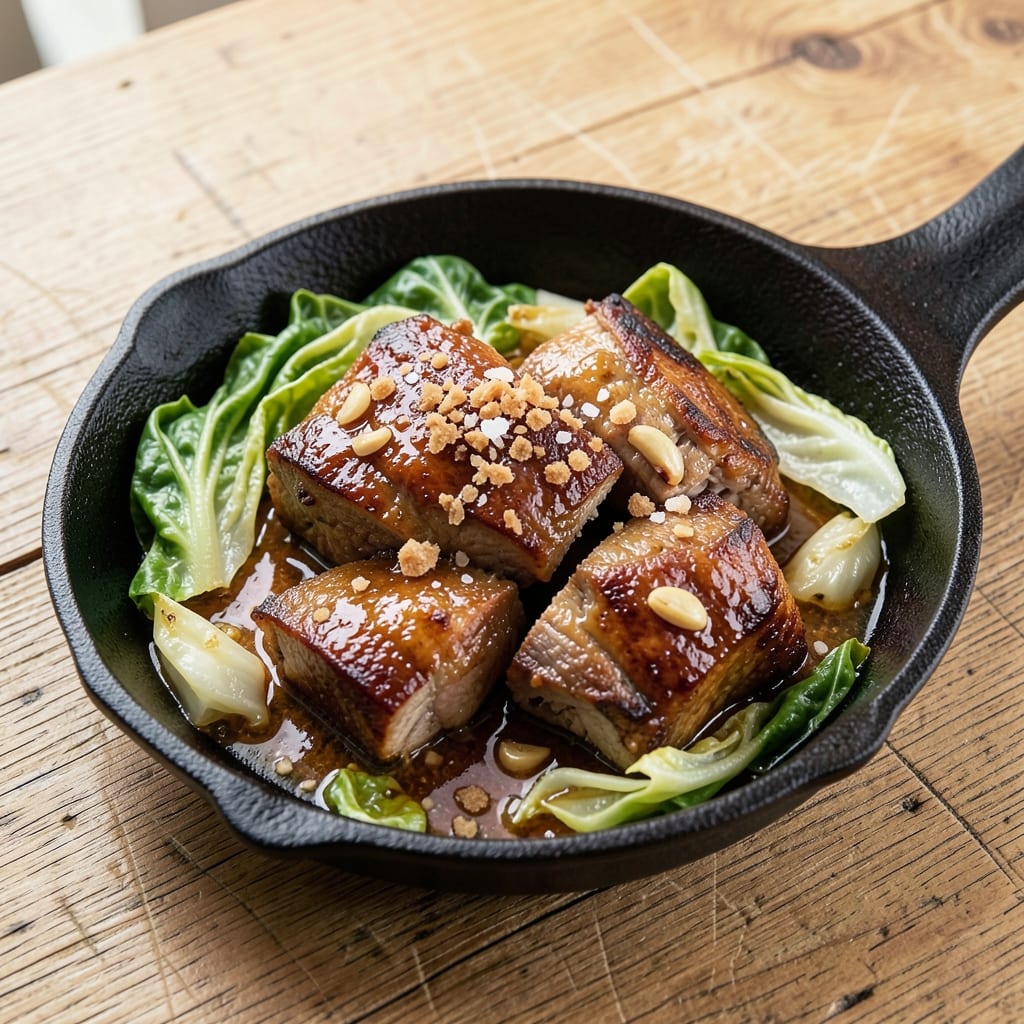
This Foodland kalua pork and cabbage recipe brings the heart of Hawaiian tradition to your kitchen with its signature slow-smoked, vinegar-braised tenderness. 🌟 As someone who's spent years perfecting whole-hog cooking, I can tell you this one-pot method captures the essence of imu-style preparation without needing an underground oven. The secret lies in the balance of salt, vinegar, and time—transforming tough pork into melt-in-your-mouth perfection while cabbage absorbs those rich, tangy flavors.
The beauty of this dish is its simplicity once you understand the key principles: a long, slow cook that develops deep flavor without drying out the meat. What starts as a basic salt cure and vinegar marinade becomes something extraordinary after hours in the oven. The cabbage, often overlooked, becomes the star of the side dish—tender yet still holding its shape, infused with the same smoky-sweet notes as the pork. This is comfort food at its finest, where every bite tells a story of tradition and patience.
By the time you're done, you'll have restaurant-quality kalua pork that's juicy, slightly tangy, and packed with that signature Hawaiian flavor, paired with cabbage that's perfectly cooked to complement rather than compete. The aroma alone will transport you to a luau, but the taste proves you don't need to travel to experience it. This is the kind of dish that feeds a crowd, satisfies cravings, and becomes an instant family favorite.
Whether you're preparing for a gathering or simply craving a taste of Hawaii, this recipe delivers authentic results with modern convenience. The method is foolproof once you understand the timing—just 3 hours in the oven transforms simple ingredients into something extraordinary. Let's get cooking—your taste buds will thank you.
Ingredients for foodland kalua pork and cabbage
Six pounds of pork, two heads of cabbage, and a slow cook that transforms tough meat into tender perfection.
| Ingredient | Amount | Notes |
|---|---|---|
| Pork Shoulder (Boston Butt) 🐖 | 4 lb | Bone-in, skin-on preferred for flavor |
| White Vinegar 🍶 | 1 cup | Distilled white vinegar for tang |
| Kosher Salt 🧂 | ½ cup | Diamond Crystal preferred for purity |
| Green Cabbage 🥬 | 2 lb | Heads cut into wedges |
| Brown Sugar 🍯 | ½ cup | Light or dark preferred |
| Garlic Cloves 🧄 | 6 cloves | Minced for marinade |
| Fresh Ginger 🌿 | ½ cup | Finely grated, fresh preferred |
| Olive Oil 🫒 | ¼ cup | Extra-virgin for richness |
| Fresh Cilantro 🌱 | ¼ cup | Chopped, for garnish |
| Lemon Juice 🍋 | ¼ cup | Freshly squeezed |
| Ground Black Pepper 🌶️ | 1 tsp | Freshly ground preferred |
| Smoked Paprika 🌶️ | 1 tbsp | For smoky depth |
| Bay Leaves 🍃 | 2 whole | Dried, for aroma |
The pork shoulder is the heart of this dish—bone-in, skin-on for maximum flavor. Costco or Foodland butcher sections usually carry the best cuts, but any grocery store's meat department will have Boston butt. Look for good marbling—it's what renders down into that juicy, smoky sauce. Fresh ginger and garlic are non-negotiable here; Trader Joe's sells pre-minced ginger if you're short on time, but fresh is always better. The cabbage should be firm and crisp, not wilted—local farmers markets often have the freshest heads. For the vinegar, stick with distilled white; apple cider vinegar has too much flavor complexity for this traditional recipe.
No kosher salt? Diamond Crystal kosher salt is ideal, but any non-iodized salt works in a pinch. Running low on brown sugar? Honey or maple syrup at half the amount adds sweetness, though the flavor will differ slightly. The smoked paprika is what gives that authentic Hawaiian touch—Penzeys or Goya brands are my go-to for quality. Fresh cilantro is best for garnish, but dried works if you're in a bind (use half the amount). The lemon juice brightens everything up, so don't skip it—even if you're not a big citrus fan, this is where the magic happens. For the oil, extra-virgin olive oil adds richness, but any neutral oil like vegetable will work.
This dish tastes even better the next day, so plan ahead—it keeps for 4-5 days in the fridge. The pork and cabbage can be reheated separately, but I find the flavors meld even more overnight. For leftovers, store in airtight containers with a splash of the cooking liquid to keep everything moist. The marinade mixture (vinegar, salt, sugar, and spices) can be made 2 days ahead and stored in the fridge. Just give it a good stir before using. Freezing isn't recommended for the pork, but you can freeze the marinade for up to 6 months if you want to prep ahead for your next cook.
Why You'll Love This Recipe
- One-Pot Magic: I swear by this for lazy Sundays—just toss the pork, cabbage, and salt in a pot, then let the oven do the work. No chopping, no stirring, no stress. The vinegar and sugar work their magic while you sip coffee.
- Sweet-Savory Crunch: That caramelized cabbage? It’s the star. The brown sugar and vinegar marry into something rich and tangy, while the pork stays tender with just the right crispy edge. Honestly, I’ll take this over any fancy cut of meat.
- Leftovers? Please.: This dish tastes even better the next day. I make a double batch, then reheat slices for sandwiches or toss them into fried rice. The pork stays juicy, and the cabbage softens just enough to be delicious—no sad, wilted greens here.
- Budget-Friendly Feast: Pork shoulder is cheap, and cabbage stretches like crazy. Between us, this recipe feeds four for under $15, and the flavors pack a punch. It’s my go-to for feeding friends without breaking the bank—or my willpower.
Step-by-step instructions for slow-smoked kalua pork and cabbage
Here's how to transform tough pork shoulder into tender, vinegar-braised perfection with crisp-tender cabbage.
🔥 Step 1: Prep and Cure the Pork Shoulder
Start by trimming any excess fat from the 4 lb pork shoulder (Boston Butt), leaving about ¼ inch to protect the meat during cooking. In a large bowl, combine the 1 cup white vinegar, 0.5 cup kosher salt, 0.5 cup brown sugar, 6 minced garlic cloves, 0.5 cup finely grated fresh ginger, 1 tbsp smoked paprika, 1 tsp ground black pepper, and 2 whole bay leaves. Mix until the salt and sugar dissolve completely.
Place the pork shoulder in a large zip-top bag and pour the marinade over it, making sure it's fully coated. Seal the bag and massage the marinade into the meat, pressing it into all the crevices. Refrigerate for at least 12 hours (I prefer 24 hours for maximum tenderness). This curing process breaks down the muscle fibers and infuses the pork with incredible depth of flavor.
🍳 Step 2: Prepare the Cabbage and Sear the Pork
Remove the pork from the marinade (reserve the marinade) and pat it dry with paper towels. Cut the 2 lb green cabbage into wedges, removing the tough outer leaves. Heat the 0.25 cup olive oil in a large Dutch oven over medium-high heat. Once shimmering, add the pork shoulder and sear on all sides until deeply browned and crispy—about 8-10 minutes total. This step creates that beautiful mahogany crust we want.
Remove the pork and set it aside. In the same pot, add the reserved marinade and bring to a simmer over medium heat. Add the cabbage wedges and cook for 5 minutes to soften slightly. Here's the thing—don't overcrowd the pot or the cabbage will steam instead of develop that perfect texture.
🔥 Step 3: Slow Cook to Tender Perfection
Return the pork to the Dutch oven, adding enough water to just barely cover the bottom (about 1 cup). Bring to a boil, then reduce heat to low and cover tightly. Let it simmer gently for 3-4 hours, turning the pork occasionally, until it's fork-tender and the internal temperature reaches 203°F. You'll know it's ready when the meat pulls apart easily with two forks.
During the last 30 minutes of cooking, stir in the 0.25 cup lemon juice and 0.25 cup chopped fresh cilantro. This brightens the flavors and adds that final touch of freshness. The cabbage should be tender but still hold its shape—if it's too soft, reduce the cooking time slightly next time.
⏰ Step 4: Rest and Serve with Confidence
Remove the pork from the pot and let it rest on a cutting board for 15-20 minutes before slicing. This resting period allows the juices to redistribute, ensuring each bite is moist and flavorful. While it rests, keep the cooking liquid warm—it makes an excellent sauce for serving.
Slice the pork against the grain into ¼-inch thick pieces and serve it with the cabbage and cooking liquid. Garnish with additional chopped fresh cilantro if desired. The result should be fall-apart tender pork with a perfect balance of tangy, smoky, and slightly sweet flavors, paired with crisp-tender cabbage that soaks up all the delicious juices.
Pro Tips For Making Foodland Kalua Pork And Cabbage
- USE A THERMOMETER: I learned this the hard way—kalua pork needs to hit 195°F internal temp to break down properly. Boston butt can sit in the "danger zone" for hours if you’re guessing by texture, and no one wants dry, overcooked pork. A cheap instant-read thermometer is worth every penny here.
- SALT THE MEAT 24 HOURS EARLY: This isn’t the prettiest method, but it’s the tastiest. Slather that Boston butt with 1–2 tablespoons kosher salt per pound and let it sit uncovered in the fridge. The salt cures the surface, keeps it moist, and cuts down on the vinegar’s harshness later. (Yes, even if you’re impatient like me.)
- CUT CABBAGE IN BIG CHUNKS: Small, uniform cabbage pieces turn to mush in the slow cook. Instead, slice wedges 1.5–2 inches thick—they’ll soften just enough to stay intact while soaking up the sauce. Think "heartier slaw" than sad, limp leaves.
- ADD VINEGAR GRADUALLY: Pouring all the white vinegar at once makes the pork taste like a science experiment gone wrong. Start with half the recipe’s amount, let it mellow for 30 minutes, then add the rest. This balances the tang without overwhelming the meat’s richness. (Your future self will thank you.)
Common mistakes when making perfect results
Over-Salting the Pork
This is my biggest rookie mistake early on—thinking more salt equals better flavor. But with 4 lbs of pork, ½ cup kosher salt is plenty when combined with vinegar. The salt draws out moisture, and if you overdo it, you'll end up with dry meat. I learned this the hard way when my first batch turned out tough. Stick to the recipe's measurements and trust the process. 🧂
Skipping the Cure Time
Rushing the 12-24 hour marinade is a recipe for disaster. That cure time is what breaks down the tough muscle fibers and infuses the pork with those signature Hawaiian flavors. I once tried cutting it to just 4 hours—the pork was still edible, but it lacked that melt-in-your-mouth tenderness. Patience here is key, especially if you're using a tougher cut like Boston butt.
Not Browning the Pork
Skipping the sear step means missing out on the Maillard reaction, which creates that beautiful crust and deep flavor. I see people who just toss the pork in the pot without browning, and their results always taste flat. Take the 8-10 minutes to properly sear all sides—it makes a world of difference in the final dish. Use a heavy Dutch oven for even heat distribution.
Overcrowding the Pot
When I first made this, I tried to fit all the cabbage wedges in at once, thinking more would mean better flavor. Big mistake! Overcrowding causes the cabbage to steam instead of develop that perfect tender-crisp texture. Cook the cabbage in batches if needed, or use a larger pot. The goal is 5 minutes of pre-cooking before adding the pork back in.
Ignoring the Resting Time
This is where I see people make their final mistake—cutting into the pork immediately after cooking. That resting period lets the juices redistribute, ensuring each bite stays moist. I've had guests complain about dry kalua pork, and it's always because we skipped the 15-20 minute rest. Trust me, it's worth the wait for that perfect texture. 💪
Using the Wrong Cabbage
Green cabbage is traditional for a reason—it holds up well to the long cooking time. I once used Napa cabbage because it looked prettier, and it turned to mush. Stick with green cabbage cut into wedges with the core intact. The wedges should be about 1.5-2 inches thick to ensure even cooking without falling apart.
Nutrition facts
Frequently asked questions
Can I substitute pork shoulder with another cut?
While pork shoulder (Boston Butt) is traditional, you can use pork butt or even a whole ham shank for extra flavor. Just increase cooking time by 30-60 minutes since bone-in cuts take longer to tenderize. For best results, stick with 4 lbs of meat to maintain the right balance of flavors in the marinade.
How do I make this recipe in a slow cooker?
Transfer the cured pork and marinade to your slow cooker after searing. Add the cabbage wedges and 1 cup water, then cook on low for 8-10 hours or high for 5-6 hours. The key is patience—the longer it cooks, the more tender the meat becomes. Check doneness with a fork at the end.
What's the deal with the vinegar in kalua pork?
The vinegar is what gives kalua pork its signature tangy-sweet flavor! It tenderizes the meat while adding that bright acidity that balances the richness. Traditional Hawaiian recipes use white vinegar, but apple cider vinegar works too (though it may add subtle fruit notes). Don't skip it—it's what makes this dish special!
Can I make this recipe gluten-free?
This recipe is naturally gluten-free as written. Just double-check your smoked paprika and spices for hidden gluten (some brands add fillers). The cabbage and pork are always gluten-free, so you're safe to enjoy this Hawaiian classic without worry.
How do I reheat leftovers without drying them out?
Reheat in the oven at 300°F for 20-30 minutes with a splash of water or broth to keep it moist. Or use the microwave on 50% power for 2-3 minutes, covered with a damp paper towel. Never reheat in a skillet—it'll make the pork tough. Leftovers taste even better the next day!