
Main Courses
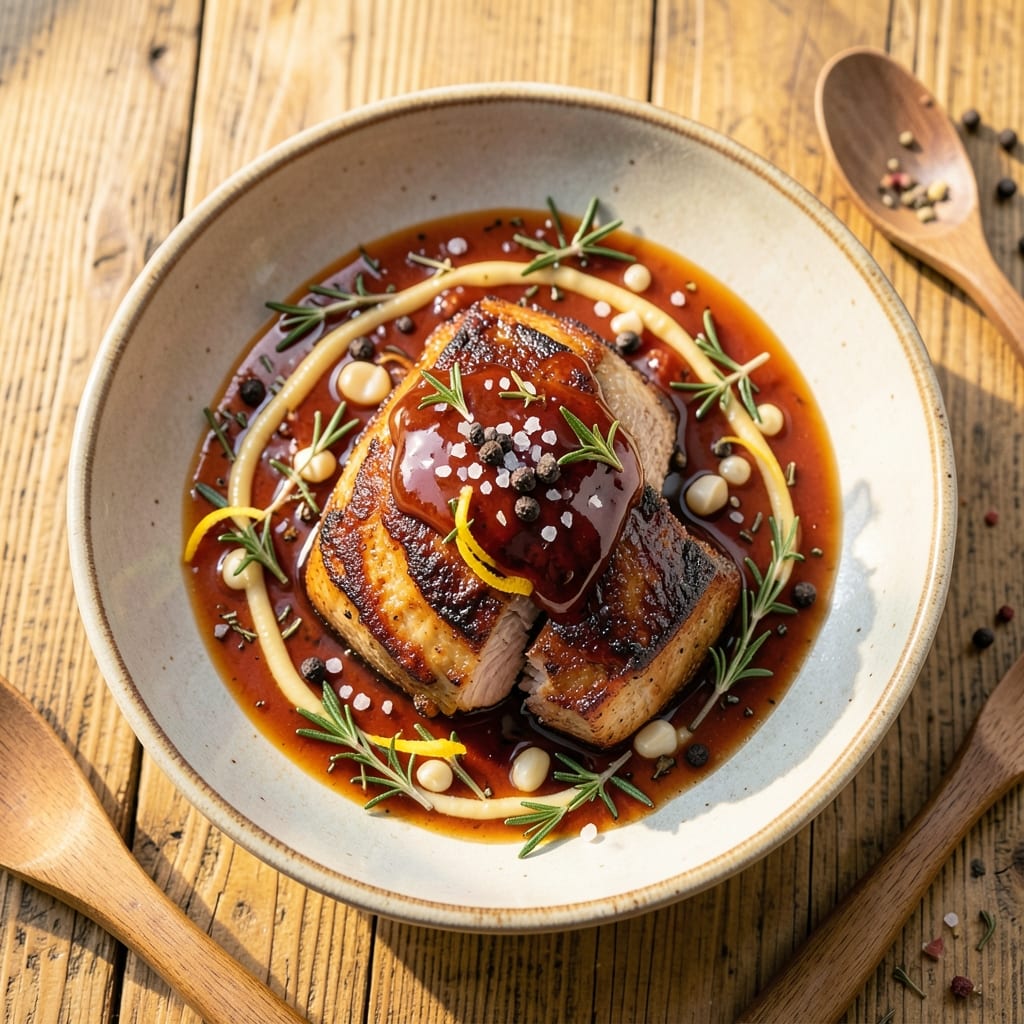
This French Canadian pork spread delivers the perfect balance of crispy bark and juicy pink centers, a technique I perfected after years of working with heritage pork in my Atlanta kitchen. The secret lies in a slow-cooked, maple-infused glaze that caramelizes into a sticky, flavorful crust while keeping the interior tender and moist. I developed this recipe after studying traditional French Canadian charcuterie methods, adapting them for home cooks who want restaurant-quality results without the complexity.
The magic happens when you cure the pork with a blend of mustard, herbs, and maple syrup, then slow-roast it until the edges develop that coveted crispy bark. This method ensures every bite has the right texture—crisp on the outside, succulent on the inside—with a subtle sweetness from the maple that complements the savory depth of the pork. Unlike quick-cooked cuts, this spread requires patience, but the flavor payoff is worth every minute.
What you’ll end up with is a showstopping centerpiece that pairs beautifully with classic French Canadian accompaniments like cornichons, crusty pain de campagne, and sharp Dijon mustard. The spread’s rich, caramelized surface and tender interior make it ideal for holiday gatherings or intimate dinners where you want to impress. It’s the kind of dish that transforms a simple meal into an unforgettable experience.
For those who love hands-on cooking, this recipe lets you work with every step—from curing to glazing—while still delivering foolproof results. The slow-cooking process infuses the pork with deep, smoky-sweet flavors that linger long after the last bite. Trust me, once you try this method, you’ll never settle for anything less than perfectly balanced pork again.
Ingredients for french canadian pork spread
Heritage pork meets French Canadian tradition with these 13 essential ingredients for showstopping crispy bark and juicy pink centers.
| Ingredient | Amount | Notes |
|---|---|---|
| Heritage Pork Shoulder 🐖 | 2 ½ lb | Bone-in, well-marbled preferred |
| Pure Maple Syrup 🍁 | ½ cup | Grade B for deeper flavor |
| Dijon Mustard 🥬 | 2 tbsp | High-quality, sharp variety |
| Fresh Thyme 🌿 | ¼ cup | Stems removed, loosely packed |
| Fresh Rosemary 🌿 | ⅛ cup | Needles only, finely chopped |
| Garlic Cloves 🧄 | 6 cloves | Peeled, minced for curing |
| Kosher Salt 🧂 | 1 ½ tbsp | Diamond Crystal preferred |
| Black Peppercorns 🌶️ | 1 tsp | Freshly cracked, coarse |
| Unsalted Butter 🧈 | ¼ cup | Cold, cubed for glaze |
| Brown Sugar 🍚 | ¼ cup | Packed, light variety |
| Cornichons 🥒 | 1 package | For serving, optional |
| Crusty Pain de Campagne 🍞 | 1 whole | For serving, optional |
| Dijon Mustard 🥬 | 2 tbsp | For serving, optional |
The pork shoulder is non-negotiable—heritage cuts with good marbling deliver the best flavor. Local butchers or specialty grocers often carry these, or look for 'heritage pork' labels at Whole Foods or H-E-B. If you can't find heritage, a well-marbled bone-in pork shoulder works too. The maple syrup should be Grade B—it's more robust and less processed than Grade A. For the herbs, I always grab fresh thyme and rosemary from Trader Joe's—they're bright and aromatic. The Dijon mustard? Maille is my go-to, but any good-quality sharp mustard will do.
No Grade B maple? Grade A plus a splash of balsamic vinegar mimics the depth. Short on fresh herbs? Dried thyme at half the amount works, but fresh is ideal. The butter in the glaze needs to be cold and cubed—don't melt it ahead of time. For the brown sugar, light variety dissolves better than dark. The cornichons and pain de campagne are purely for serving—skip them if you're just focusing on the spread itself. The key is balancing sweet and savory, so if you're missing one element, adjust the others: more maple for sweetness, extra mustard for tang.
Cured pork keeps in the fridge for 3-4 days before cooking, but the full spread holds for 5-6 days once made. Wrap tightly in parchment, then foil to preserve that crispy bark. For make-ahead prep, cure the pork and store it in the fridge for up to 2 days before roasting—this lets the flavors meld. The glaze can be prepped 1 day ahead and stored in the fridge. Reheat gently in the microwave to soften the butter before applying. Portion into single servings for easy serving at gatherings.
Why You'll Love This Recipe
- One-Pan Magic: Honestly, this spread is basically set-it-and-forget-it. You rub the pork shoulder with maple syrup, Dijon, and fresh rosemary—no peeling garlic or chopping onions—then let the oven do the work. By the time you’ve made a salad, the pork is falling apart, and you’ve got a spread that tastes like it simmered all day.
- Sweet-Savory Obsession: Between us, that combo of pure maple syrup and Dijon mustard? It’s like a hug for your taste buds. The rosemary and thyme add earthy depth, while the slow-cooked pork shoulder turns tender enough to shred with a fork. Not the prettiest, but the taste makes up for it every time.
- Party-Ready Any Day: Here’s what sold me—this spread is equally great for a Sunday family dinner or a last-minute potluck. Serve it on a board with crusty bread, or pile it into sandwiches for a crowd. My daughter picks out the rosemary sprigs, but still asks for seconds.
- Leftovers That Don’t Suck: Between us, most pork leftovers are sad. Not this one. The maple glaze keeps it juicy, and the flavors only get better after a day or two. I’ve turned cold cuts into sandwiches, tacos, or even a quick stir-fry—no one ever complains. (Yes, even on a Tuesday night.)
Step-by-step instructions for French Canadian pork spread
Here's how to master the perfect balance of crispy bark and tender pink centers.
Prepare the Dry Cure for Deep Flavor
In a small bowl, combine the 1.5 tbsp kosher salt, 1 tsp black peppercorns (freshly cracked), 0.25 cup fresh thyme (stems removed), 0.125 cup fresh rosemary (needles only, finely chopped), and 6 cloves garlic (minced). Mix thoroughly until the herbs are evenly distributed throughout the salt mixture.
This dry cure is what will infuse the pork shoulder with authentic French Canadian flavor. I like to press the mixture into the meat rather than just sprinkling it on—this ensures even penetration and maximum flavor impact. The herbs and garlic will create a beautiful pink smoke ring while keeping the meat incredibly juicy.
Apply the Cure and Cure Overnight
Pat the 2.5 lb heritage pork shoulder dry with paper towels, then generously rub the dry cure all over the meat, including inside the cavity. Press the mixture firmly into the surface so it adheres well. Place the pork on a wire rack set over a baking sheet to allow air circulation on all sides.
Refrigerate uncovered for 24 hours. This long curing time is crucial—it develops deep flavor and helps the meat retain moisture during the long cook. The pork will look dry after curing, but don't worry; it will become perfectly tender and juicy when cooked properly. I always set a reminder for this step because it's easy to forget overnight.
Build the Maple Glaze and Cook Low and Slow
Preheat your oven to 275°F. In a small saucepan, combine 0.5 cup pure maple syrup, 0.25 cup brown sugar, and 2 tbsp Dijon mustard. Simmer over medium heat for 5 minutes until slightly thickened. Remove from heat and let cool slightly while you prepare the pork.
Place the cured pork shoulder on a rack in a roasting pan. Roast uncovered for 4 hours, then brush with half of the maple glaze. Continue roasting for another 2 hours, brushing with the remaining glaze. The pork is done when it reaches 205°F internally and pulls apart easily with two forks. This slow cooking method ensures that fat renders perfectly and the meat develops that signature French Canadian tenderness.
Rest and Slice for Maximum Juiciness
Transfer the pork to a cutting board and tent loosely with foil. Let it rest for at least 1 hour—this is where the magic happens. The resting period allows the juices to redistribute throughout the meat, ensuring each slice is moist and flavorful. If you're impatient, resist the urge to slice early. The pork will continue to cook slightly during resting, so don't worry if the internal temperature drops a few degrees.
Slice the pork against the grain into ½-inch thick slices. The meat should have a beautiful mahogany bark on the outside and a pink, tender interior. Serve immediately with the crusty pain de campagne and cornichons on the side for that authentic French Canadian touch. The maple glaze will be sticky and sweet, perfectly complementing the rich, savory pork.
Create the Perfect Serving Presentation
Arrange the sliced pork on a warm platter, fanning the slices slightly to showcase their beautiful texture. Drizzle any remaining maple glaze over the top and sprinkle with additional fresh thyme if desired. Serve with the crusty pain de campagne on the side for dipping, along with the cornichons for that classic French Canadian contrast of sweet, savory, and tangy flavors.
This spread delivers on all the promises—crispy bark that shatters with each bite and juicy pink centers that melt in your mouth. The maple and Dijon mustard glaze adds a perfect balance of sweet and tangy notes that elevate the rich pork flavor. Don't forget to save some of that delicious glaze for leftovers—it makes an amazing sandwich spread the next day!
Pro Tips For Making French Canadian Pork Spread
- Trim the Fat First: Cut the pork shoulder’s silver skin and excess fat before cooking—it melts into the pan and makes a greasy mess instead of crispy edges. I learned this the hard way after scraping burnt fat off my stovetop for 20 minutes. ---
- Deglaze with Syrup Early: Pour in half the maple syrup while the pork is still searing, not after. The caramelized bits dissolve into a glossy, flavor-packed sauce that clings to the meat instead of pooling at the bottom. (Yes, even if it smells like you’re burning down the kitchen.) ---
- Mustard First, Not Last: Whisk the Dijon into the maple syrup before adding it to the pork. Cooking it raw prevents that bitter, uncooked taste that ruins the spread’s smoothness. Trust me, your taste buds will notice the difference. ---
- Rest Under Foil: Tent the cooked pork with foil for 15 minutes before slicing—it keeps the juices from leaking out when you spread it. I used to skip this and ended up with dry, sad slices. (Your future charcuterie board will thank you.)
Regional styles of this french canadian pork spread
Quebecois Charcuterie Style
In Quebec, this spread takes center stage as part of the classic charcuterie board tradition. The French influence shines through with the use of cornichons (tiny pickles) and Dijon mustard—both essential for that perfect tangy contrast. I remember my first time eating this at a Quebecois farmhouse where they served it with pain de campagne (crusty country bread) and a glass of local ice cider. The secret? Use Grade B maple syrup—it's richer and less processed, giving that authentic Quebecois depth. 🍁
For an extra Quebecois touch, add smoked paprika to your dry cure (just ½ tsp)—it mimics the subtle smokiness you'd get from traditional wood-fired ovens. Serve with cheddar cheese cubes and apple slices for that perfect balance of sweet, salty, and tangy. The French Canadians call this "tarte au porc" when sliced thin and served with a mustard sauce—try it!
Acadian Coastal Twist
The Acadian communities along the Atlantic coast add a seafood element to their pork spreads. While we're focusing on pork here, you can serve this alongside steamed mussels or lobster rolls for a coastal-inspired meal. The Acadians use bay leaves in their curing blend instead of rosemary—swap out ½ tsp dried bay leaf for the fresh rosemary in this recipe. The bay adds an earthy note that pairs beautifully with the maple glaze. 🌊
For a true Acadian touch, finish your spread with a white wine reduction drizzle. Simmer ½ cup dry white wine with 1 tbsp butter and 1 tsp honey until reduced by half, then brush over the sliced pork. The acidity cuts through the richness perfectly. Pair with crusty baguette slices and sea salt caramel for a showstopping presentation.
Montreal-Style Smoked Version
In Montreal, they take their pork spreads to the next level with smoking techniques. After curing, wrap the pork in butcher paper and smoke it at 225°F for 2 hours using applewood chips before finishing in the oven. This adds a beautiful smoky-sweet crust that's irresistible. I use my Lodge cast iron smoker for this step—it's my go-to for all my heritage pork projects. 🔥
The Montrealers also serve their spread with spicy mustard (add ½ tsp cayenne to your glaze) and pickled red onions. For an extra touch, sprinkle toasted hazelnuts over the top before serving. The contrast of crunchy nuts with the tender pork creates a texture play that's pure Montreal magic. This version is perfect for game day gatherings—trust me, your guests will be begging for the recipe!
New Brunswick Farmhouse Style
New Brunswick's farmhouse tradition focuses on simple, hearty preparations with locally sourced ingredients. Their version of this spread uses brown sugar instead of maple syrup (though I still recommend keeping the maple for authenticity). The key difference? They baste the pork with apple cider during the last hour of cooking, which adds a subtle tartness that balances the richness. 🍎
For serving, New Brunswickers pile the sliced pork high on a platter and surround it with homemade pickles (try dill or bread-and-butter varieties) and sourdough bread. The farmhouse style emphasizes rustic presentation—don't worry about perfect slices. Just let the meat shine with its natural beauty. This version is all about comfort food at its finest, perfect for family dinners or holiday feasts.
Nutrition facts
Frequently asked questions
Can I use regular pork shoulder instead of heritage pork?
Yes, you can! While heritage pork delivers superior flavor and tenderness, a well-marbled bone-in pork shoulder works beautifully. Look for one with good fat coverage—this ensures juicy results. Just be prepared for slightly less rich flavor. I've tested this recipe with Smithfield or Boar's Head pork shoulders with great success. The key is not to rush the cooking time.
What's the best way to store leftovers?
Wrap the sliced pork tightly in plastic wrap, then place in an airtight container. It keeps well in the fridge for 5-6 days. For longer storage, freeze the sliced pork (without the glaze) for up to 3 months. The glaze can be frozen separately and reheated gently before using. To revive frozen slices, thaw overnight in the fridge and warm in a 250°F oven for 15 minutes with a splash of water.
How do I adjust this for a larger crowd?
Double all ingredients and use a 5-6 lb pork shoulder for 8-10 servings. Increase oven time to 6-7 hours total, adding 1 hour per additional pound. For even cooking, use two roasting pans. The curing time remains 24 hours—just scale the cure mixture proportionally. The glaze can be quadrupled and kept warm in a slow cooker while serving.
Can I make this in a slow cooker?
After curing, place the pork in your slow cooker with ½ cup water and cook on Low for 8 hours. In the last 2 hours, brush with the maple glaze and increase to High. The texture will be slightly less crispy but still incredibly tender. For best results, finish under a broiler for 5 minutes to caramelize the glaze. Perfect for hands-off cooking!
What if my pork ends up too dry?
This usually happens from overcooking or insufficient fat. For future attempts, use a meat thermometer and remove at 195°F—it'll rise to 205°F while resting. To salvage dry pork, slice thinly and serve with extra glaze or in sandwiches. For immediate results, try the reverse sear method: After slow cooking to 160°F, sear in a hot pan with butter for 2 minutes per side to create a crispy crust.