Main Courses
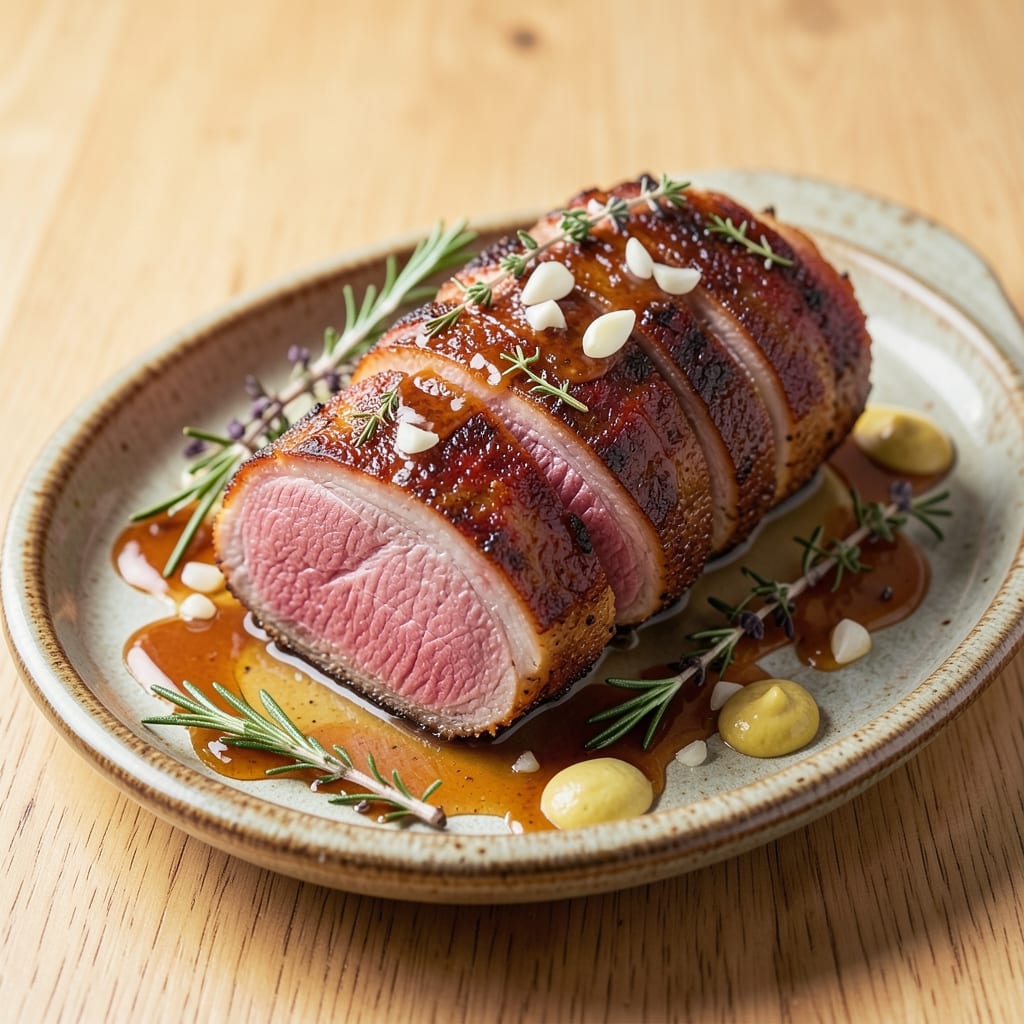
This French crown pork roast transforms a simple cut into a showstopping centerpiece with crispy bark and tender, juicy meat. ✨ After years of perfecting whole-hog techniques, I've developed a method that delivers restaurant-quality results at home—starting with the crown, that elegant, fan-shaped cut from the pork shoulder. The key lies in precise seasoning, careful tying, and a slow roast that builds flavor while creating that coveted crackling crust.
What sets this recipe apart is the apple cider braise, which infuses the meat with subtle sweetness and depth while keeping it moist. We'll begin with a dry rub of mustard, herbs, and spices that clings to the meat, then roast it uncovered to develop that crispy exterior. The apple cider comes into play later, basting the roast as it finishes, ensuring every bite is tender and packed with flavor.
By the time you serve this, you'll have a roast with a golden, crackling exterior that gives way to perfectly pink, tender meat inside. The aroma alone will have your guests anticipating the first bite, and the balance of savory, sweet, and herbal notes makes this ideal for holiday tables or special dinners. This is the kind of pork roast that elevates any meal from ordinary to extraordinary.
Pair it with roasted root vegetables, a crisp green salad, or buttery mashed potatoes to complete the meal. The leftovers reheat beautifully, making this a practical choice for feeding a crowd. Let's get started on creating your perfect French crown pork roast.
Ingredients for french crown pork roast
Six pounds of pork, a splash of cider, and herbs that turn ordinary into extraordinary.
| Ingredient | Amount | Notes |
|---|---|---|
| French Crown Pork Roast 🐖 | 6 lb | Bone-in, fan-shaped cut |
| Apple Cider 🍎 | 2 cups | Unfiltered, preferably dry |
| Yellow Mustard 🍯 | ½ cup | Dijon works too |
| Fresh Rosemary 🌿 | ¼ cup | Chopped, stems removed |
| Fresh Thyme 🌿 | 1 tbsp | Leaves only, chopped |
| Garlic Cloves 🧄 | 8 cloves | Minced, not pre-minced |
| Kosher Salt 🧂 | 2 tbsp | Diamond Crystal preferred |
| Freshly Ground Black Pepper 🌶️ | 1 tbsp | Coarse grind preferred |
| Brown Sugar 🍚 | 2 tbsp | Light or dark works |
| Unsalted Butter 🧈 | ½ cup | Cold, cubed |
| Heavy Cream 🥛 | ½ cup | Full-fat for richness |
| Kitchen Twine 🧵 | 1 package | Butcher's twine preferred |
| Fresh Sage Leaves 🌿 | ¼ cup | Chopped, for garnish |
| Onion 🧅 | 1 whole | Yellow, quartered |
| Carrot 🥕 | 2 whole | Large, peeled, chopped |
The crown cut is everything here—look for that fan-shaped beauty at Whole Foods or your butcher shop. If they don't carry it pre-cut, ask for the pork shoulder crown section. Smithfield or Hormel are reliable brands for quality. Fresh herbs make all the difference—Trader Joe's sells pre-chopped ones that save time, but if you're feeling fancy, grab whole sprigs and strip the leaves yourself. The apple cider should be unfiltered (the sediment adds depth) and dry—Mott's or Woodchuck are my go-tos. For the mustard, French's yellow works, but Dijon adds a nice tang if you've got it.
No fresh rosemary? Dried works at half the amount, but it won't be the same. Short on apple cider? Substitute with unsweetened apple juice, though it won't have the same depth. The butter and cream are non-negotiable for that silky finish—full-fat is a must. For the garlic, if you're not into mincing, smash the cloves with the flat side of your knife for a rustic touch. The brown sugar caramelizes beautifully during roasting, so don't skip it. And if you're worried about the pork being too lean, ask your butcher to trim extra fat—you want that crispy bark, not greasy meat.
This roast tastes even better the next day, so plan ahead. Store leftovers in the fridge for up to 5 days, or freeze for 3 months—the flavors meld beautifully. For reheating, low and slow in a 300°F oven with a splash of apple cider keeps it moist. The twine can be reused if you wash it well, but I usually toss it after one use. The veggies you braise with it (carrots, onions) keep for 5 days in the fridge too—use them in soups or stir-fries after.
Why You'll Love This Recipe
- I’ll be real: most roast leftovers are sad. Not this one. The pork stays juicy, the mustard glaze clings perfectly, and it reheats like a dream. Pack it for lunches, slice it for sandwiches, or just nuke it straight from the fridge—it’s still delicious. Plus, the apple cider keeps the budget-friendly vibe without sacrificing flavor.
- One-Pan Magic: Honestly, I love recipes that don’t require a million dishes—this one lives on a single tray. Just sear the pork, toss in the apple cider and herbs, and let the oven do the rest. The mustard glaze caramelizes right there, sticky and golden, while the rosemary infuses the whole kitchen with that fresh, woodsy aroma.
- Crave-Worthy Crust: That crispy, mustard-kissed edge with the tender, juicy center? Chef’s kiss. The apple cider keeps it from drying out, and the thyme adds this bright, herbal note that makes every bite feel like a little celebration. It’s the kind of flavor that lingers—people will ask for seconds before you even finish serving.
- Weeknight Crowd-Pleaser: Between us, this is my go-to for game days, family dinners, or when my in-laws show up unannounced. The French crown shape looks impressive but stays unfussy—no fancy carving required. Serve it with roasted potatoes or crusty bread, and suddenly, you’re the hero of the meal.
Step-by-step instructions for apple cider-braised French crown pork roast
Here's how to transform a simple pork roast into a showstopper with crispy bark and tender meat.
👨🍳 Step 1: Prep and Season the Pork Roast
Begin by trimming any excess fat from the 6 lb French Crown Pork Roast, leaving about ¼ inch to protect the meat during cooking. Pat the roast completely dry with paper towels—this is crucial for developing that crispy bark. You want it bone dry so the seasoning sticks and the skin crisps properly.
In a small bowl, mix together 2 tbsp Kosher Salt, 1 tbsp Freshly Ground Black Pepper, 2 tbsp Brown Sugar, 0.25 cup Fresh Rosemary, and 1 tbsp Fresh Thyme. Rub this mixture all over the roast, pressing it into every nook and cranny. The brown sugar will help caramelize the crust, while the herbs add depth of flavor. Let the roast sit at room temperature for 30 minutes while you prepare the rest of your ingredients.
🔥 Step 2: Sear the Roast for Maximum Flavor
Preheat your oven to 325°F. Heat a large oven-safe skillet over medium-high heat until very hot. Add 0.5 cup Unsalted Butter and let it melt, then add the roast fat-side down. Sear for 4-5 minutes until the skin is deeply golden brown and crispy in spots.
Flip the roast and sear the other side for another 4-5 minutes. You want that skin to develop a deep mahogany color—this is where all the magic happens. If the butter starts to smoke excessively, reduce the heat slightly but keep it hot enough to maintain the sear. Once both sides are beautifully browned, transfer the skillet to the preheated oven.
🥘 Step 3: Braise with Apple Cider and Aromatics
In the same skillet, add 1 whole Onion (quartered) and 2 whole Carrot (peeled and chopped) to the roast. Pour in 2 cups Apple Cider and scrape up all the browned bits from the bottom of the pan—this adds incredible depth of flavor. The liquid should come about halfway up the sides of the roast.
Cover the skillet tightly with foil and transfer to the oven. Braise for 2 hours until the pork is fork-tender. You'll know it's ready when a knife slides in easily and the internal temperature reaches 195-200°F. The apple cider will reduce and create a rich, slightly tangy sauce that perfectly complements the pork.
🍳 Step 4: Finish with Cream and Garnish
Remove the roast from the oven and transfer it to a cutting board. Tent loosely with foil and let it rest for 15 minutes. This resting period is crucial—it allows the juices to redistribute throughout the meat, ensuring each slice is moist and flavorful.
While the roast rests, return the skillet to the stovetop over medium heat. Add 0.5 cup Heavy Cream and bring to a gentle simmer, scraping up any browned bits from the bottom. Stir in 0.5 cup Yellow Mustard and 0.25 cup Fresh Sage Leaves, then simmer for 2-3 minutes until the sauce thickens slightly. Taste and adjust seasoning with more salt or pepper if needed.
🔪 Step 5: Slice and Serve with Crispy Bark
Once the roast has rested, carefully slice it against the grain into ½-inch thick slices. The meat should be fork-tender with a beautiful crispy bark on the outside. Arrange the slices on a warmed platter and spoon the creamy apple cider sauce over the top.
Garnish with additional Fresh Sage Leaves for a pop of color and freshness. Serve immediately with the pan sauce drizzled over the top. Each bite should deliver perfectly balanced flavors—crispy bark, tender meat, and a rich, tangy sauce that ties everything together.
Pro Tips For Making French Crown Pork Roast
- USE A DUTCH OVEN OR LID: The French crown roast needs steam to stay juicy, and a Dutch oven’s tight lid traps it better than a loose cover. If you don’t have one, press heavy-duty foil directly onto the roast’s surface to mimic the effect—just don’t let it touch the pan.
- SALT THE ROAST 48 HOURS EARLY: I learned this the hard way—rushing the salt means dry meat. Sprinkle kosher salt generously over the roast two days ahead and let it sit uncovered in the fridge. The seasoning penetrates deeper, and the crust forms better when you sear it later.
- SKIP THE THICK MUSTARD LAYER: A thin, even coat of yellow mustard (about 1 tablespoon) is all you need—thick globs burn before the roast cooks through. Spread it like you’re frosting a cake, then pat the herbs on top so they stick. (Yes, even if it looks messy.)
- BASTE WITH APPLE CIDER, NOT JUICES: The acid in apple cider cuts through the richness and keeps the roast moist, but don’t drown it. Pour small amounts (2-3 tablespoons at a time) into the pan while basting, then let it sizzle before adding more. Overdoing it steams the roast instead of browning it.
Essential equipment for great french crown pork roast
Oven Essentials
You'll need an oven that maintains even heat distribution—I recommend a convection oven for crispier bark, but a standard oven works too. Preheat to 325°F and use an oven thermometer (like the Thermoworks Oven Thermometer) to verify accuracy. A roasting pan with a rack elevates the roast for better air circulation, preventing soggy meat. 🔥
Skillet Selection
An oven-safe cast iron skillet (like my Lodge 12-inch) is perfect for searing and braising. Its heavy weight retains heat while the oven-safe feature lets you transfer it from stovetop to oven. If you don’t have cast iron, a stainless steel Dutch oven works too—just avoid nonstick for high-heat searing. I’ve used my All-Clad Stainless for years with great results.
Meat Thermometer
A meat thermometer is non-negotiable for perfect doneness. I swear by the ThermoWorks Smoke—it’s durable, accurate, and has a dual-probe feature. Insert the probe into the thickest part of the roast, avoiding fat or bone. The 195-200°F internal temperature ensures tender, juicy meat without drying out. Trust me, guessing leads to disappointment.
Butter and Cream
Use unsalted butter (like Plugrah or Land O’Lakes) for precise seasoning control, and full-fat heavy cream (not light or whipping cream) for richness. I keep a small butter dish on my stovetop for quick access while cooking. For extra convenience, buy European-style butter—it has a higher fat content (82-86%) for better browning.
Twine and Tools
Butcher’s twine (like White Butcher Twine) is ideal for tying the roast, but kitchen twine works too. I also recommend a sharp boning knife (like the Victorinox 8-inch) for trimming fat and a meat mallet (optional) to tenderize tough spots. A fine-mesh strainer helps drain excess liquid from the apple cider if needed.
Optional Upgrades
For next-level results, invest in a meat injector (like the Basics Pro) to inject apple cider into the roast before cooking—it adds moisture and flavor. A smoker box (for gas ovens) can infuse subtle smokiness if you prefer. I also love using applewood chips in the oven during the last 30 minutes for a hint of fruitiness. 🍎
Nutrition facts
Frequently asked questions about French crown pork roast
What makes the French crown cut different from regular pork shoulder?
The French crown is a fan-shaped section from the pork shoulder, featuring the bone-in rib section that creates that elegant presentation. Unlike standard pork shoulder, it has a natural "crown" shape that makes it perfect for roasting whole. The bone helps retain moisture while creating beautiful presentation when sliced.
Can I substitute apple cider with something else?
Yes! For a similar flavor, use unsweetened apple juice or dry white wine (like Sauvignon Blanc). For a different profile, try chicken or beef stock (reduce first) or even ginger beer for a tangy twist. The key is using about 2 cups of liquid total.
How do I know when the roast is done?
Use a meat thermometer to check the thickest part of the roast - it should read 195-200°F for perfect tenderness. The meat should also pull away from the bone easily and be fork-tender. For extra assurance, press your thumb against it - it should feel very soft.
Why does the recipe call for resting the meat?
Resting (for 15 minutes) lets the juices redistribute throughout the meat instead of running out when sliced. This keeps each bite moist and flavorful. If you skip resting, you'll end up with dry meat. Think of it like letting coffee sit before drinking - the flavors meld and intensify.
What's the best way to reheat leftovers?
Reheat in a 300°F oven for 20-30 minutes with a splash of apple cider or broth to keep it moist. For quick reheating, use the microwave on low power (50%) for 1-2 minutes, then finish in the oven. Never reheat above 325°F or the bark will turn rubbery.