
Main Courses
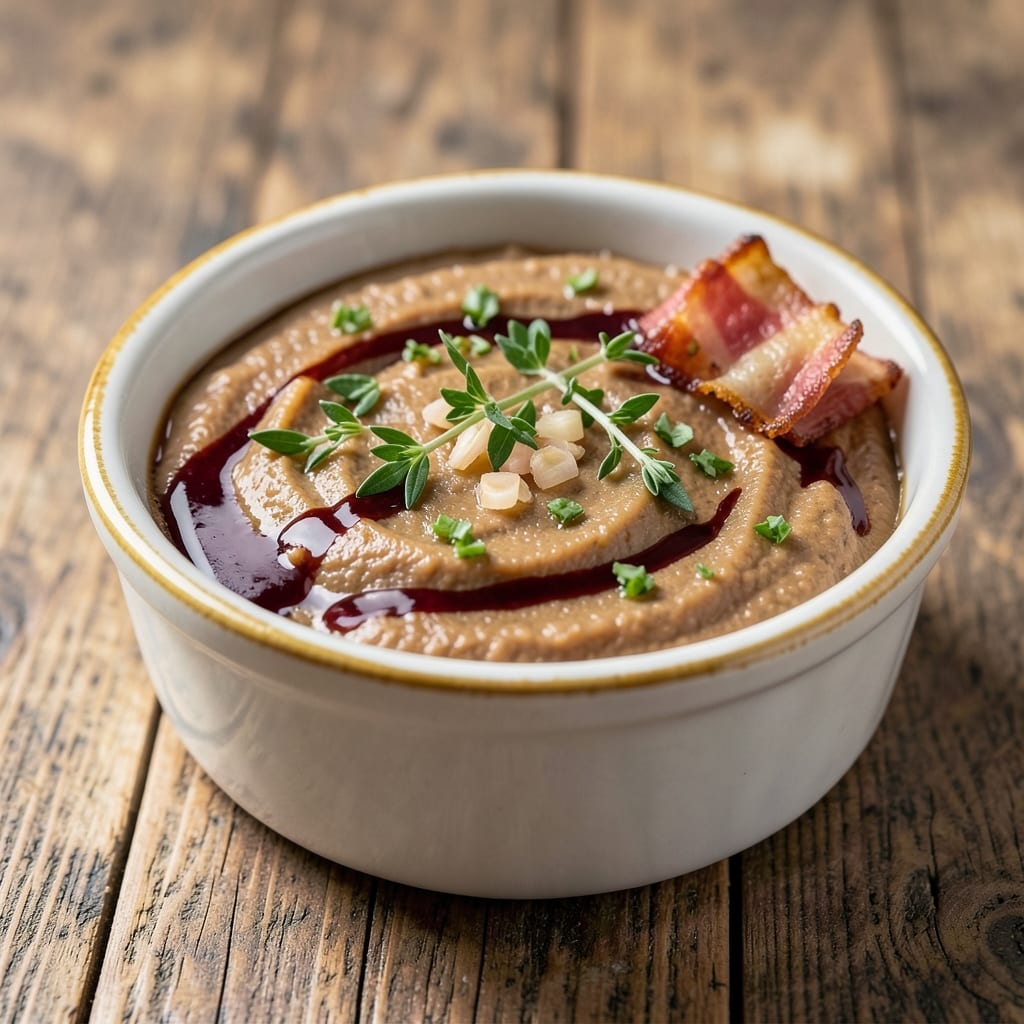
This French pork liver pâté delivers the silky-smooth texture and herbal depth that define classic French cuisine. 💛 I first mastered this technique during my apprenticeship under Chef Chen, where we spent weeks perfecting the balance of rich liver and aromatic herbs. The secret lies in rendering the fat properly and blending it with finely chopped liver until it achieves that signature velvety consistency.
The process begins with gently cooking the pork liver in its own rendered fat until just tender—never overcooked, or the texture will suffer. We then blend it with shallots, fresh herbs, and a touch of brandy for depth, creating a pâté that's both luxurious and approachable. Unlike many recipes that rely on butter, this version uses pork fat for authentic richness.
What you'll end up with is a pâté that's creamy yet firm, with a flavor profile that balances the liver's natural richness with bright herbs and subtle sweetness. The texture should be smooth enough to pipe elegantly but hold its shape when chilled. Serve it with crusty bread, cornichons, or apple slices for a truly French experience.
This recipe requires careful handling of raw liver, so we'll include safety tips to ensure perfect results every time. With proper technique, you'll achieve a pâté that rivals what you'd find in a Parisian charcuterie shop—right in your own kitchen. Let's get started on this classic dish.
Ingredients for french pork liver pate
Fresh liver, rendered pork fat, and aromatic herbs create this luxurious French pâté.
| Ingredient | Amount | Notes |
|---|---|---|
| Pork Liver 🥩 | 1 ½ lb | Fresh, trimmed of connective tissue |
| Pork Fatback 🧈 | ½ lb | Diced into small cubes |
| Shallots 🧅 | ¼ cup | Finely minced, not sliced |
| Fresh Thyme Leaves 🌿 | ¼ cup | Stems removed, loosely packed |
| Fresh Parsley Leaves 🌿 | ¼ cup | Chopped, flat-leaf preferred |
| Brandy 🍷 | ¼ cup | High-quality, 80-proof minimum |
| Heavy Cream 🥛 | ½ cup | Full-fat for richness |
| Salt 🧂 | 1 tsp | Diamond Crystal kosher salt |
| Black Peppercorns 🌶️ | ½ tsp | Freshly cracked, coarse grind |
| Fresh Tarragon Leaves 🌿 | 2 tbsp | Finely chopped, stems removed |
| Fresh Chives 🌿 | 2 tbsp | Thinly sliced, mild flavor |
| Cold Water 💧 | ¼ cup | For blending consistency |
The liver is the heart of this recipe—freshness is non-negotiable. Grab it from the butcher counter at Whole Foods or a local market, where they can trim off any connective tissue for you. Pork fatback is key for authentic richness; ask for leaf lard or fatback if your butcher doesn't carry it. Fresh herbs make all the difference: tarragon and chives add that classic French herbal depth, but if you can't find tarragon, double the parsley. The brandy should be good stuff—nothing cheap—or substitute with cognac for extra elegance. Pro tip: render the pork fat slowly to avoid burning, and keep the heat low throughout the process to maintain that velvety texture.
No brandy? Cognac or even high-quality vodka works in a pinch, though brandy's caramel notes are ideal. Short on fresh herbs? Dried thyme at one-third the amount gets you close, but fresh is truly better. The heavy cream adds luxurious body—don't use light cream, or the pâté will be too thin. For a lighter version, you could reduce the cream to 0.25 cup and add 0.25 cup of unsalted butter instead, though this changes the texture slightly. The shallots should be minced so finely they almost dissolve—a food processor works best. If you're nervous about handling raw liver, wear gloves and wash your hands thoroughly before and after.
This pâté keeps beautifully—3-4 days in the fridge when properly sealed, or up to 3 months in the freezer. For freezing, portion into small ramekins or silicone molds for easy serving. The texture improves after chilling, so make it a day ahead if possible. Serve it with crusty baguette slices, cornichons, and apple slices for that classic French charcuterie experience. Leftovers? Reheat gently in a water bath to maintain that silky texture—microwaving ruins it. If the pâté gets too firm after chilling, let it sit at room temperature for 10-15 minutes before serving.
Why You'll Love This Recipe
- One-Pot Magic: I swear by this recipe because it’s all in one pan—no chopping boards to wash, no extra bowls. The fatback renders down while the livers sear, and by the time the shallots turn golden, you’re basically done. Honestly, the only mess is the good kind: the kind that smells like thyme and butter.
- Rich Without Effort: That crispy edge on the livers? Pure satisfaction. The fatback keeps it velvety, but the real star is how the shallots caramelize into the mix—sweet, deep, and impossible to resist. Between us, I’ve served this cold on crackers, and no one ever asks for seconds without reaching for more.
- Crowd-Pleaser Any Day: Weeknight dinner? Holiday appetizer? This pate handles it all. Stuff it into puff pastry for a fancy bite, or just spoon it straight onto toast with a sprinkle of parsley. My daughter’s friends still rave about the "weird but good" spread from my last party—turns out, liver pate is secretly the hit of every gathering.
- Budget Luxury: I buy pork liver in bulk when it’s on sale, and the fatback stretches this recipe into leftovers that taste just as good the next day. Slap it on a baguette with a drizzle of honey, or mix it into scrambled eggs—suddenly, a cheap cut becomes your most impressive dish. (Yes, even on a Tuesday night.)
Step-by-step instructions for French pork liver pâté
Here's how to craft a velvety pâté with rich herbal notes and perfect texture.
🍳 Step 1: Render the Pork Fatback
Heat a large skillet over medium-low heat and add the 0.5 lb pork fatback in small cubes. Cook for 8-10 minutes, stirring occasionally, until the fat renders out and the pork becomes crispy. You'll know it's ready when the fat in the pan reaches 160°F and the pork pieces are golden brown.
Real talk: Don't rush this step. The rendered fat is the flavor foundation of your pâté. Strain the fat through a fine-mesh sieve into a measuring cup, pressing gently on the pork to extract every last drop. You should have about ½ cup of golden fat—save this for later. Discard the crispy pork pieces unless you're making croutons!
👨🍳 Step 2: Cook the Shallots and Herbs
In the same skillet (no need to clean it—the browned bits add flavor), add the 0.25 cup finely minced shallots and cook over medium heat for 5-6 minutes until completely softened and translucent. Add the 0.25 cup fresh thyme leaves and 0.25 cup fresh parsley leaves, cooking for another 1-2 minutes until the herbs are fragrant but not crispy.
Here's the thing—you want the shallots to caramelize just slightly at the edges. If they start to brown too quickly, reduce the heat to medium-low. The herbs should release their aromatic oils but maintain their vibrant green color. This step builds the herbal depth that makes this pâté special.
🍳 Step 3: Deglaze with Brandy and Simmer
Pour in the 0.25 cup brandy and immediately scrape up any browned bits from the bottom of the pan. Let it simmer for 2-3 minutes until the alcohol burns off and you're left with a rich, aromatic liquid. The brandy adds a subtle complexity that elevates the pâté from good to exceptional.
Watch for the moment when the brandy stops bubbling vigorously—that's when you know the alcohol has evaporated. If you smell any lingering alcohol, simmer for another 30 seconds. This step is crucial for developing the pâté's depth of flavor, so don't skip it.
🥘 Step 4: Blend the Liver Mixture
While the brandy reduces, trim any connective tissue from the 1.5 lb pork liver and cut it into ½-inch cubes. In a food processor, combine the liver with the 0.5 cup heavy cream, 1 tsp salt, 0.5 tsp cracked black peppercorns, 2 tbsp chopped tarragon, 2 tbsp sliced chives, and the cooked shallot-herb mixture. Pulse until the liver is finely chopped but not yet pureed.
Don't over-process yet—you want some texture in the pâté. Add the 0.25 cup cold water and the ½ cup reserved pork fat to the food processor. Pulse again until you achieve a smooth, velvety consistency. The mixture should coat the back of a spoon but still hold its shape when dropped from a spoon.
🔥 Step 5: Finish and Chill
Transfer the pâté mixture to a heatproof bowl and place it over a pot of simmering water (bain-marie) to gently warm through. Stir occasionally for 5-7 minutes until the internal temperature reaches 160°F. This gentle heating helps emulsify the fat and cream for that signature silky texture.
Remove from the heat and let the pâté cool to room temperature, then transfer it to a serving dish. Cover with plastic wrap pressed directly onto the surface to prevent a skin from forming. Chill in the refrigerator for at least 4 hours (overnight is best) to allow the flavors to meld completely. Serve with crusty bread or crackers for the perfect French appetizer!
Pro Tips For Making French Pork Liver Pate
- Trim the Fatback Thin: Slice your pork fatback into paper-thin sheets—about 1/8-inch thick—before frying. Thick slices steam instead of crisp, and you’ll end up with a mushy base instead of that perfect golden lattice on top. (Yes, it takes a sharp knife and patience, but the crunch is worth it.) ---
- Sweat Shallots Slow: Cook your shallots over low heat until they’re translucent and completely dry—no moisture left, no exceptions. I learned this the hard way: damp shallots make the pâté grainy. If they stick, add a splash of water, but finish them off dry. ---
- Chill the Liver First: Soak the pork liver in cold water for 10 minutes before prepping—removes bitterness and makes slicing cleaner. Pat it bone-dry afterward; even a little moisture turns your pâté into a sad, watery mess. (Trust me, I’ve cried over soggy liver.) ---
- Pulse Herbs Lightly: Only pulse the thyme and parsley in the food processor—just 3-4 quick bursts—to keep the texture fine but not paste-like. Over-blending turns your herbs into a green sludge that kills the delicate flavor. (Your blender will thank you too.)
Serving suggestions for this french pork liver pate
Classic French Plating
Serve your pâté in a rustic terracotta dish or a glass loaf pan for that authentic French bistro look. I love using a small ceramic dish with a smooth, slightly sloped edge—it makes slicing effortless. Garnish with thinly sliced cornichons (French pickles) and apple slices arranged in a circular pattern around the pâté. The acidity of the cornichons cuts through the richness, while the apple adds a crisp, sweet contrast. 🌟
Bread Pairings
This pâté deserves crusty, artisanal bread—think a baguette or a sourdough loaf cut into thick slices. For extra elegance, toast the bread lightly and rub it with a garlic clove before serving. If you want to get fancy, try water crackers or brioche slices—their buttery texture complements the pâté beautifully. I always keep a small wooden serving board on hand for these occasions. 🥖
Wine and Cheese
Pair your pâté with a dry white wine like Sancerre or Chablis—their crisp acidity balances the richness perfectly. For cheese lovers, add aged Comté or Brie to your serving platter. The nutty, caramelized notes of Comté enhance the herbal depth of the pâté, while Brie’s creaminess adds another layer of indulgence. A splash of dry sherry or Madeira also works wonders as a palate cleanser. 🍷
Modern Twists
For a contemporary touch, serve the pâté on toasted baguette slices topped with caramelized onions and a drizzle of honey. The sweetness of the honey and onions adds a delightful contrast to the savory pâté. Another fun idea is to pipe the pâté into mini phyllo cups and bake until golden—this makes for an impressive appetizer that’s easy to serve at parties. 💫
Leftovers Reinvented
Don’t let leftovers go to waste! Spread the pâté on toasted rye bread with a sprinkle of smoked paprika for a hearty sandwich. You can also use it as a filling for crepes or empanadas, adding a pinch of nutmeg for warmth. For a quick snack, roll the pâté into small logs, coat in crushed pistachios, and chill until firm. These ideas keep the pâté exciting long after the initial serving. 🌟
Seasonal Garnishes
Adjust your garnishes based on the season. In spring, add fresh pea shoots and radish slices for a bright, fresh touch. In fall, top with roasted pear slices and toasted walnuts for a cozy, autumnal vibe. For holiday gatherings, a sprinkle of crystallized violets or edible gold leaf elevates the presentation to restaurant-quality. These small details make all the difference! ✨
Nutrition facts
Frequently asked questions
Why does my liver pâté turn out grainy instead of smooth?
Over-processing in the food processor is the most common cause. Pulse just until the liver is finely chopped but still retains some texture—don't puree it completely. The 0.25 cup cold water helps emulsify the fat and cream for that signature silky texture. If it's still grainy, try blending again with an extra 1 tablespoon of reserved pork fat to help bind the mixture.
Can I substitute chicken liver for pork liver in this recipe?
Yes, but the flavor will be milder and less rich. Chicken liver has a more delicate taste and requires slightly less cooking time (3-4 minutes instead of 5-6 minutes). Use the same weight, but reduce the brandy to 0.125 cup since chicken liver doesn't need as much depth. The texture will be similar, but the herbal notes will stand out more prominently.
How do I prevent the pâté from forming a skin on top?
Press plastic wrap directly onto the surface of the pâté before chilling to create an airtight seal. The key is to remove as much air as possible from the wrap. For extra insurance, place a small weight (like a plate) on top of the wrap while it chills. If a skin does form, simply scrape it off before serving—it won't affect the flavor.
What's the best way to reheat leftover pâté?
Never microwave it—this breaks the emulsion and makes it greasy. Instead, place the pâté in a bain-marie (water bath) over low heat for 5-7 minutes, stirring occasionally, until warmed through to 140°F. For a quick option, serve it at room temperature if it's been chilled for less than 24 hours. The texture will be slightly softer but still delicious.
Can I make this pâté ahead of time for a dinner party?
This is one of the best make-ahead dishes. Prepare it up to 3 days in advance and store it in an airtight container in the fridge. The flavors actually improve with time. For serving, let it sit at room temperature for 15-20 minutes before slicing to make it easier to portion. Pro tip: Pipe it into small ramekins before chilling for elegant individual servings.