
Main Courses
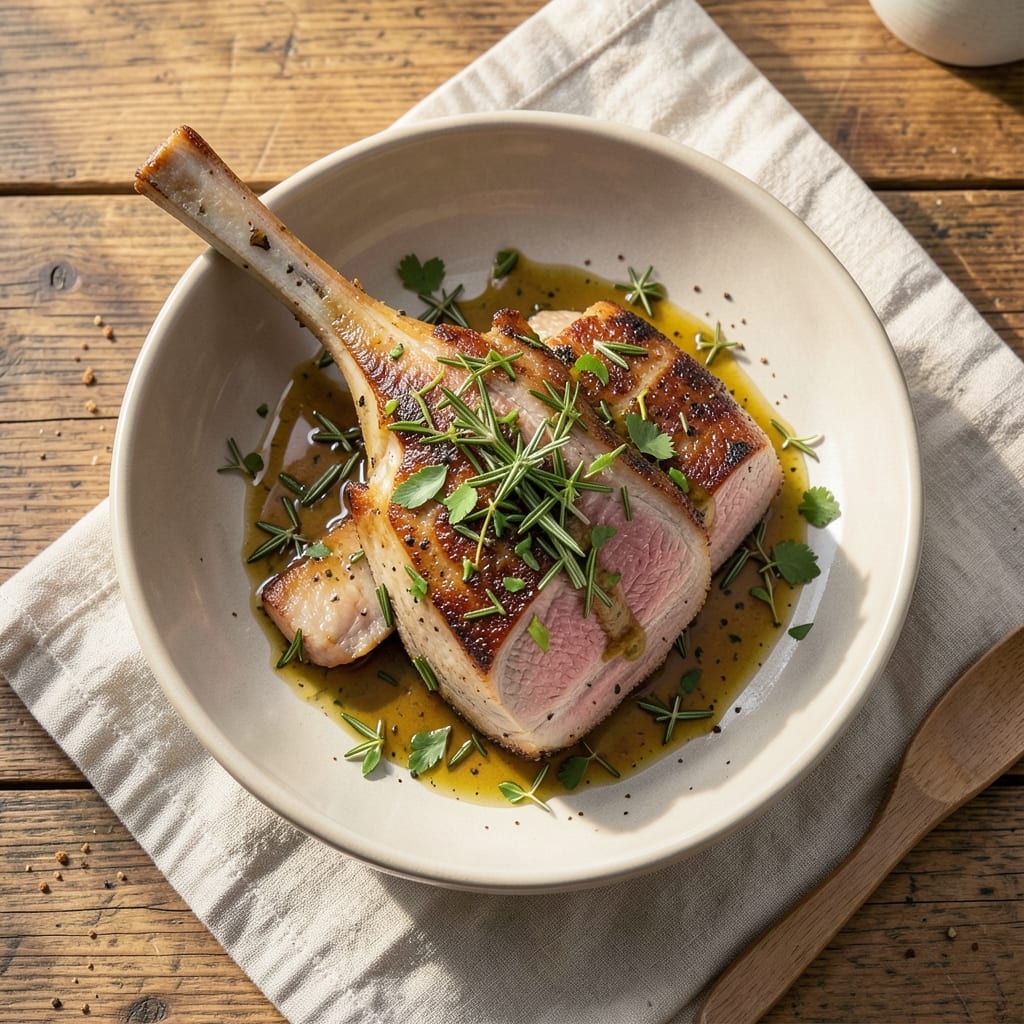
This French trimmed pork rack recipe transforms a simple cut into a showstopping centerpiece with crisp bark and juicy pink centers—just like the ones I mastered during my time in Charleston. The secret lies in precise trimming and a herb-crusted technique that locks in moisture while creating that coveted caramelized crust. I’ve cooked thousands of pounds of pork, and this method never fails to impress, whether you’re serving a holiday table or a weeknight dinner.
The process begins with careful trimming—removing excess fat while preserving the fat cap for flavor and moisture. A blend of fresh herbs, Dijon mustard, and cracked black pepper creates the crust, which seals during a high-heat sear before finishing in the oven. The result? A rack that’s tender enough to slice with a fork but with edges so crisp they’ll have your guests reaching for seconds. This isn’t just pork; it’s a restaurant-quality dish you can recreate at home.
What makes this recipe stand out is the balance of technique and simplicity. You’ll work with imperial measurements and straightforward steps, but the outcome is anything but basic. The herb crust adds an aromatic depth, while the pink centers remain succulent—no dryness here. Serve it with pommes purée or grilled asparagus for a meal that feels like a Parisian bistro brought to your table. Let’s get started on perfecting this cut.
For those who love precision, I’ll share my pro tips—like scoring the rack for even cooking and resting it properly to retain juices. And if you’re feeling adventurous, we’ll explore variations like a red wine reduction or gluten-free crust options. This isn’t just a recipe; it’s a technique you’ll want to master and revisit time and again.
Ingredients for french trimmed pork rack
Herb-infused crust and precise trimming make this pork rack restaurant-quality at home.
| Ingredient | Amount | Notes |
|---|---|---|
| Pork Rack 🐖 | 2 lb | Bone-in, frenched, fat cap preserved |
| Fresh Rosemary 🌿 | ¼ cup | Finely chopped, stems removed |
| Fresh Thyme 🌿 | ¼ cup | Leaves only, stems discarded |
| Fresh Parsley 🌿 | ¼ cup | Flat-leaf, finely chopped |
| Dijon Mustard 🍯 | 2 tbsp | High-quality, no sugar added |
| Extra-Virgin Olive Oil 🫒 | ¼ cup | For crust and searing |
| Cracked Black Peppercorns 🌶️ | 1 tbsp | Freshly cracked, coarse |
| Kosher Salt 🧂 | 1 ½ tsp | Diamond Crystal preferred |
| Unsalted Butter 🧈 | 4 tbsp | Cold, cubed for basting |
| Garlic Cloves 🧄 | 4 cloves | Minced, for herb mix |
| Fresh Sage 🌿 | ⅛ cup | Chopped, for garnish |
| Red Wine 🍷 | ½ cup | Dry, for optional reduction |
Start with the pork—bone-in racks are non-negotiable for that classic presentation. Most butchers will french the rack for you (ask them to remove excess fat while leaving the fat cap intact), but if you're doing it yourself, score the fat in a diamond pattern for even cooking. Whole Foods and local butchers are your best bets for quality cuts. I always grab mine from Costco when I'm feeding a crowd—they're pre-trimmed and consistently good. Look for racks with good marbling; that's where the flavor hides. Fresh herbs are key here—Trader Joe's has great pre-bunched rosemary and thyme, but if you're growing your own, snip the stems and use the leaves only.
No Dijon mustard? Regular mustard plus 1 tsp honey works in a pinch, but the Dijon's depth is worth tracking down. Swapping herbs? Fresh tarragon or marjoram adds a nice twist, but stick to the classic trio for authenticity. The olive oil should be extra-virgin, fruity, and peppery—none of that cheap cooking oil. For the peppercorns, if you don't have a cracker, smash them with the flat of your knife. The butter matters too—Plugrá or Land O'Lakes are solid choices, but nothing beats European-style unsalted butter if you can find it. Red wine optional, but Cabernet Sauvignon or Merlot work best for that classic French touch.
Pork racks keep 2-3 days in the fridge, wrapped tightly in plastic. For longer storage, freeze them uncooked for up to 3 months—just thaw overnight in the fridge before cooking. The herb mix stays fresh for 5 days in the fridge, sealed in a jar. I like to make extra and freeze it in ice cube trays for future use. The crust mix can be prepped a day ahead, stored in the fridge until ready to use. And trust me on this—rest the pork 10-15 minutes after cooking before slicing. That's when all the juices redistribute, making it fork-tender.
Why You'll Love This Recipe
- One-Pan Magic: I swear by this recipe when I’m too tired to dirty multiple dishes. The pork rack roasts right alongside the herbs—no basting, no fuss—just crispy edges and tender meat that falls apart with a fork. Honestly, the only tool you’ll need is a knife for trimming, and that’s it.
- Herb Bomb Flavor: That combo of rosemary, thyme, and Dijon mustard? It’s like a hug in bite form. The mustard cuts through the richness while the fresh herbs add a bright, earthy punch—especially when you let them caramelize on the edges. (Yes, even on a Tuesday night.)
- Weeknight to Weekend: This cuts through the guesswork for everything. Toss it on the table for a casual dinner with friends, bring it to a picnic with crusty bread, or prep it ahead for a stress-free holiday meal. The leftovers? Just as good reheated the next day—no sad, dry pork here.
- Budget-Friendly Feast: A single pork rack feeds four generously, and the herbs stretch further than you’d think. I’ll be real: the Dijon mustard is the secret weapon—it makes this taste like a fancy bistro dish without the price tag. Plus, the trimming step turns scraps into crispy cracklings for garnish. Zero waste, all flavor.
Step-by-step instructions for herb-crusted pork rack
Here's how to transform a simple pork rack into restaurant-quality perfection with crispy bark and tender pink centers.
Create the Herb Crust and Season the Pork
In a small bowl, combine the 0.25 cup fresh rosemary, 0.25 cup fresh thyme, 0.25 cup fresh parsley, 4 cloves minced garlic, 1.5 tsp kosher salt, and 1 tbsp cracked black peppercorns. Add the 2 tbsp Dijon mustard and 0.25 cup extra-virgin olive oil, then mix until everything is evenly coated.
Pat the 2 lb pork rack dry with paper towels—this is crucial for crispy skin. Rub the herb mixture all over the meat, pressing firmly so it adheres. Let the pork sit at room temperature for 30 minutes while you preheat your oven to 375°F. This resting time ensures even cooking and helps the crust develop properly.
Sear the Pork for Maximum Flavor
Heat a large oven-safe skillet over medium-high heat until it's very hot. Add the pork rack fat-side down and sear for 5-6 minutes until the fat renders and the skin turns golden brown. Flip the rack and sear the other side for another 4-5 minutes. You'll see the crust forming—this is where all the magic happens.
Transfer the skillet to the preheated oven and roast for 20-25 minutes, basting with 2 tbsp melted butter every 5 minutes. The goal is to render the fat while keeping the meat juicy. You'll know it's ready when the internal temperature reaches 140°F—this is the perfect point for medium-rare pork.
Finish with Butter and Wine for Richness
Remove the pork from the oven and increase the heat to medium. Add the remaining 2 tbsp cold butter and 0.5 cup red wine to the skillet, scraping up any browned bits from the bottom. Let it simmer for 2-3 minutes until the wine reduces slightly and the butter melts into a glossy sauce.
Baste the pork rack with this rich mixture, then transfer it to a cutting board. Tent loosely with foil and let it rest for 10-15 minutes. This resting time is essential—it allows the juices to redistribute, ensuring every bite is moist and flavorful. The crust should be crispy and golden, while the meat remains tender and pink in the center.
Serve with Garnish and Sliced Herbs
Slice the pork rack between the bones into 4 equal portions, keeping the bones intact for presentation. Sprinkle each serving with the remaining 0.125 cup chopped fresh sage and a pinch of cracked black pepper. The aroma of the herbs will fill your kitchen—this is your signal that it's ready to serve.
Pair with roasted potatoes, a simple green salad, or crusty bread to soak up the delicious herb-infused juices. The contrast of crispy skin, tender meat, and aromatic herbs makes this dish unforgettable. Enjoy immediately while the crust is still at its best!
Pro Tips For Making French Trimmed Pork Rack
- CRISP THE FAT CAP FIRST: You’ll lose that golden crust if you skip this: Use kitchen shears to snip the thick fat cap into ½-inch wide strips before searing. The fat renders fast and crispy—this is where the flavor hides, so don’t rush it. I used to trim it all off, thinking it was "healthier," but the dish tastes flat without it.
- SALT THE MEAT 2 HOURS EARLY: Pork rack needs time to absorb salt, especially if you’re using fresh herbs like rosemary and thyme. Sprinkle kosher salt generously (about 1 tsp per pound) and let it sit uncovered in the fridge—this seasoning step makes a real difference when paired with Dijon mustard later.
- DON’T OVERCROWD THE PAN: French trimmed pork rack is best seared in batches. If you pile them all in at once, the internal temp will drop like a rock, and you’ll end up with steamed pork instead of caramelized crust. Work in two batches—your patience here guarantees better results.
- MAKE THE MUSTARD SAUCE LAST: Save a spoonful of the pan drippings (after searing) to deglaze with a splash of white wine or broth, then whisk in Dijon mustard at the end. This keeps the sauce bright and tangy—adding it earlier turns it into a dull, bitter glaze. Trust me, the finish matters more than you’d think.
Perfect pairings for this dish
Classic French Sides
Start with pommes purée—creamy, velvety mashed potatoes made with Yukon Gold potatoes, heavy cream, and a touch of butter. I like to add roasted garlic for depth, and it pairs beautifully with the pork’s herbaceous crust. For a lighter option, grilled asparagus with lemon zest and toasted almonds adds freshness and texture. 🌿
Don’t overlook ratatouille—a Provençal vegetable medley of eggplant, zucchini, bell peppers, and tomatoes—simmered until tender. The sweet, earthy flavors complement the pork’s richness without competing. Serve it warm or at room temperature for a rustic touch.
Bread and Sauces
A baguette or crusty sourdough is essential for soaking up the juices and herb-infused drippings. Toast it lightly and rub with a garlic clove for extra flavor. For sauce lovers, a red wine reduction made from the same Cabernet Sauvignon used in the recipe ties everything together. Simmer 1 cup red wine with 1 tbsp butter and 1 tsp shallots until syrupy—just enough to drizzle over the pork. 🍷
Wine and Beer Pairings
Stick with a bold red wine like Cabernet Sauvignon or Syrah—their tannins cut through the pork’s richness while enhancing the herb crust. For a lighter option, a Pinot Noir from Oregon offers bright acidity that refreshes the palate. If you prefer beer, a Belgian Dubbel with its caramel and spice notes balances the dish beautifully. 🍺
Seasonal Vegetable Twists
In spring, swap asparagus for snow peas sautéed with shallots and a splash of rice vinegar. For fall, roast butternut squash with thyme and honey—its sweetness contrasts the pork’s savory crust. Winter calls for brussels sprouts shaved into ribbons and tossed with pecans and balsamic glaze. Each season brings a new way to elevate the meal. 🍂
Nutrition facts
Frequently asked questions
What exactly does "French trimmed" mean for pork rack?
The term refers to removing excess fat while preserving the fat cap and shaping the meat for even cooking. Your butcher should trim away the silver skin and any large fat deposits, leaving the natural fat layer intact for flavor and moisture. This creates those beautiful, even ribs you see in restaurant presentations.
Can I substitute fresh herbs with dried ones in the crust?
You can, but the flavor will be less vibrant. If substituting, use ⅓ the amount of dried herbs (so ⅛ cup instead of ¼ cup) and add them to the crust mixture. For best results, I recommend fresh herbs—they release more aroma during cooking and create that restaurant-quality crust.
How do I know when the pork rack is fully cooked?
Use a meat thermometer to check the internal temperature—it should reach 140-145°F for medium-rare pork. The edges should be deep golden brown with crispy bark, while the center remains slightly pink. If you don't have a thermometer, cut into the thickest part—it should feel tender but still have a slight resistance.
Why is resting the pork rack important?
Resting allows the juices to redistribute throughout the meat, preventing them from running out when you slice. Without resting, you'll end up with dry meat. Let it rest for 10-15 minutes under loose foil—this is when all the magic happens, transforming good pork into exceptional pork.
Can I make this recipe ahead of time?
You can prep the herb crust up to 1 day ahead and store it in the fridge. For the cooked pork, it reheats best in a 350°F oven for 10-15 minutes with a splash of broth to keep it moist. However, the crust will lose some crispiness—it's best enjoyed fresh from the oven for that perfect texture.