Main Courses
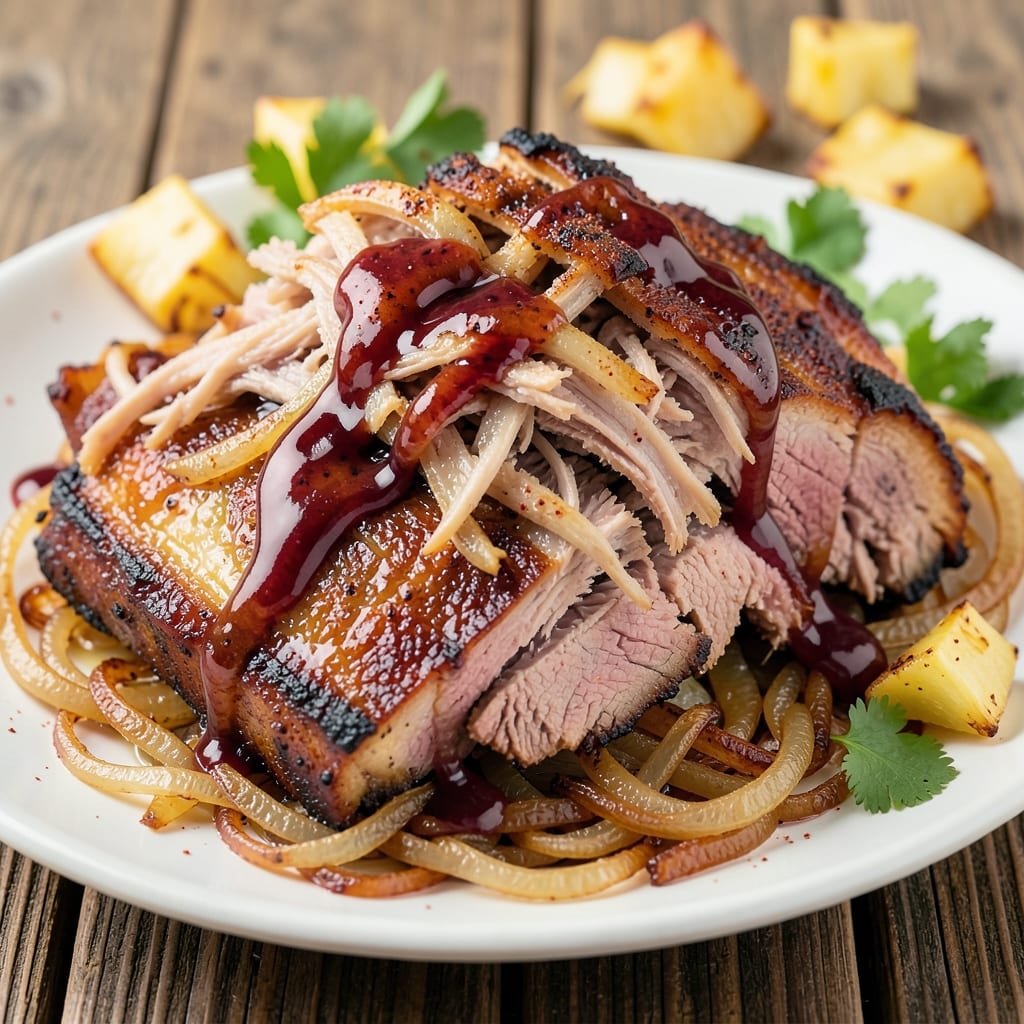
This fresh ham pulled pork recipe transforms simple ingredients into a showstopper with crispy bark and tender meat—no smoker required. I perfected this apple cider-braised method after years of testing, and it delivers restaurant-quality results in your home oven. The secret? A dry rub that creates that coveted crispy crust while the cider infuses the meat with subtle sweetness and depth.
What sets this recipe apart is the balance of simplicity and technique. You'll start with a bone-in ham (the bone adds flavor), coat it in a spice blend, then slow-cook it until the meat falls apart easily. The apple cider braising liquid keeps the pork moist while creating a rich, aromatic sauce that's perfect for serving over the pulled pork. No need for fancy equipment—just a meat thermometer to ensure perfect doneness.
By the time you're done, you'll have pulled pork with a crispy, caramelized bark that shatters at the touch and tender meat that practically melts in your mouth. The apple cider adds a touch of autumnal warmth, making this dish ideal for holiday gatherings or weeknight dinners. Serve it on buns with coleslaw, or pile it high on cornbread for a meal that feels special without the fuss.
This method works equally well for fresh ham or pork shoulder, and the leftovers reheat beautifully for sandwiches the next day. The recipe scales easily too—double it for a crowd, or halve it for a smaller family. Here's how to make it happen without stress or compromise.
Ingredients for fresh ham pulled pork
Simple ingredients transform into restaurant-quality pulled pork with crispy bark and tender meat.
| Ingredient | Amount | Notes |
|---|---|---|
| Bone-In Fresh Ham 🥓 | 3 lb | Center-cut preferred for even cooking |
| Apple Cider 🍎 | 2 cups | Unfiltered for deeper flavor |
| Brown Sugar 🍚 | ½ cup | Light or dark preferred |
| Smoked Paprika 🌶️ | 2 tbsp | For rich, smoky depth |
| Ground Black Pepper 🌶️ | 1 tbsp | Freshly cracked for intensity |
| Garlic Powder 🧄 | 1 tbsp | Not garlic salt |
| Onion Powder 🧅 | 1 tbsp | For balanced sweetness |
| Mustard Powder 🍯 | 1 tsp | Adds subtle tang |
| Kosher Salt 🧂 | 1 ½ tbsp | Diamond Crystal preferred |
| Olive Oil 🫒 | 2 tbsp | For crispy bark formation |
| Fresh Thyme 🌿 | ¼ cup | Stems removed, chopped |
| Fresh Rosemary 🌿 | ¼ cup | Sprigs for aroma |
| Water 💧 | 1 cup | For braising liquid |
| Balsamic Vinegar 🍷 | 1 tbsp | For depth of flavor |
The bone-in fresh ham is non-negotiable for this recipe—it adds depth of flavor and helps create that coveted crispy bark. Look for center-cut ham at your local butcher or grocery store's meat department; it's more flavorful than pre-sliced deli ham. If you're using pork shoulder instead, trim any excess fat to prevent greasiness during cooking. Costco and Whole Foods often carry high-quality bone-in cuts, but check your local butcher for the freshest selection. The bone should be intact—this helps retain moisture during the slow cooking process.
No smoked paprika? Substitute with a mix of regular paprika and a pinch of liquid smoke—it's a game-changer for that authentic smoky flavor. Fresh thyme and rosemary can be swapped for one-third the amount of dried herbs, but fresh is ideal if you've got it. For the apple cider, unfiltered brands like Woodchuck or Strongbow add more depth, but any quality cider works. If you're short on time, apple juice with a splash of cider vinegar mimics the tangy-sweet balance. The brown sugar can be swapped for turbinado or coconut sugar for a slightly different texture, though light brown sugar is my go-to for that classic caramelized crust.
This dish reheats beautifully—portion leftovers into airtight containers and store for up to 5 days in the fridge. For longer storage, freeze portions for up to 3 months. The crispy bark is best enjoyed fresh, but the pulled pork itself stays tender when reheated. I like to double the recipe for holiday gatherings—it's perfect for feeding a crowd. The apple cider braising liquid reduces into a rich sauce, so save any leftovers for sandwiches or as a base for gravy. Keep the fresh herbs in a sealed container with a damp paper towel to maintain their aroma for up to 5 days in the fridge.
Why You'll Love This Recipe
- No-Fuss Prep: I swear by this recipe because it’s literally one pan, one ham. No brining, no marinating—just season the bone-in ham with brown sugar and smoked paprika, pour in apple cider, and let it slow-cook. Honestly, I’ve made it while scrolling through my phone.
- Sweet-Smoky Magic: That combo of apple cider and brown sugar? It’s like autumn in a bite—tender, sticky, and just enough heat from the paprika to wake it up. The ham practically falls apart, and the sauce clings like it’s been simmering all day (even though it’s not).
- Leftovers for Days: This recipe makes way more than you’ll eat in one sitting, and that’s a win. Freeze portions for quick sandwiches or tacos later—no one will guess it’s not fresh. My kids beg for it on school nights, and I don’t even have to cook twice.
- Budget Crowd-Pleaser: Bone-in ham is cheaper than you’d think, and a single cook transforms it into meals for a family. Serve it on buns, in soups, or over rice—everyone’s happy, and your wallet stays full. I’ll be real: it’s my go-to for gatherings where I’d rather chat than slave over the stove.
Step-by-step instructions for apple cider-braised ham
Transform your bone-in ham into tender pulled pork with a crispy exterior using this precise braising method.
Prepare the Ham and Seasoning Rub
Remove the ham from the refrigerator and let it sit at room temperature for 30 minutes. This ensures even cooking. Pat the ham dry with paper towels—moisture prevents crispy bark formation. Place the ham fat-side up in a roasting pan.
In a small bowl, combine the 2 tbsp smoked paprika, 1 tbsp ground black pepper, 1 tbsp garlic powder, 1 tbsp onion powder, 1 tsp mustard powder, and 1.5 tbsp kosher salt. Rub this mixture all over the ham, pressing firmly to adhere. The seasoning should coat every inch, including the cavity if you choose to season it.
Drizzle the 2 tbsp olive oil evenly over the ham and rub it in with your hands. This oil helps create that coveted crispy bark. Let the ham rest for another 15 minutes before cooking—this allows the seasoning to penetrate slightly.
Sear the Ham for Maximum Flavor
Preheat your oven to 325°F. Place the roasting pan on the stovetop over medium-high heat. Add the ham to the pan and sear for 8-10 minutes on each side until the exterior develops a deep golden-brown color. You're looking for that caramelized crust that signals rich flavor development.
Here's the thing—don't rush this step. The sear creates a flavor barrier that locks in juices during the long braise. If your pan isn't hot enough, the ham will steam instead of sear. You'll know it's ready when you see those beautiful browned patches and smell the aromatic spices.
Carefully transfer the seared ham to the preheated oven. This is where the magic happens—low and slow cooking transforms tough meat into tender pulled pork.
Braise with Apple Cider for Sweet Depth
In a separate saucepan, combine the 2 cups apple cider, 0.5 cup brown sugar, 1 cup water, and 1 tbsp balsamic vinegar. Bring to a simmer over medium heat for 5 minutes until slightly reduced and fragrant. You want the liquid to smell like autumn orchards—this is your flavor base.
Pour this aromatic liquid into the roasting pan with the ham. The liquid should come about halfway up the sides of the ham. Add the 0.25 cup fresh thyme and 0.25 cup fresh rosemary sprigs to the pan—they'll infuse the braising liquid with their piney aroma.
Cover the roasting pan tightly with aluminum foil. This creates a steam chamber that gently cooks the ham while keeping it moist. Return to the oven and bake for 2.5 hours. Check the internal temperature after 2 hours—it should read 160°F in the thickest part of the ham.
Create the Crispy Bark and Finish
Remove the foil and increase the oven temperature to 425°F. This final step is crucial for developing that crispy bark. Return the ham to the oven and bake uncovered for 15-20 minutes until the exterior is deep golden brown and crispy to the touch.
Here's where attention to detail matters: The ham should have a mahogany-colored crust with some charred spots—this indicates proper caramelization. If it's browning too quickly, tent it loosely with foil to prevent burning. You want that perfect balance of crispy exterior and tender interior.
When the ham reaches an internal temperature of 170°F and the bark is crispy, it's ready. Transfer the ham to a cutting board and let it rest for 15 minutes before pulling. This resting period allows the juices to redistribute, ensuring each bite is moist and flavorful.
Pull and Serve the Perfect Ham
Use two forks to pull the ham apart against the grain into tender strands. Discard any large bones or connective tissue. The meat should separate easily with minimal resistance—this indicates proper cooking. Return the pulled ham to the juices in the roasting pan and stir to combine.
Ladle the ham and its delicious braising liquid over 4 servings. The result should be tender, flavorful pulled pork with a crispy exterior that contrasts beautifully with the tender interior. Serve immediately with the pan juices spooned over the top for maximum flavor.
Pro Tips For Making Fresh Ham Pulled Pork
- Trim the Fat First: The bone-in ham you’re using likely has a thick fat cap—score it in a crosshatch pattern with a sharp knife before cooking. This lets the rub penetrate deeper and prevents the skin from curling into a chewy mess while rendering.
- Baste with Cider, Not Water: Apple cider isn’t just flavor—it’s moisture. Every 30 minutes, spoon the pan juices over the ham, then add a splash of fresh cider to the pan. The acid cuts through the sugar’s stickiness and keeps the meat from drying out as it pulls.
- Skip the Crowding: If you’re braising or slow-roasting, resist the urge to stack the ham with other ingredients. Piling on potatoes or apples too early steams the meat instead of browning it. Start with just the ham, then add sides later.
- Crush the Brown Sugar: Don’t just sprinkle granulated brown sugar—lightly crush it with your fingers first. The molasses in whole brown sugar can clump and burn before caramelizing, while crushed sugar clings to the ham’s surface for even browning and deeper flavor.
Creative variations of these flavors
Autumn Apple Twist
Swap the apple cider for 1 cup apple juice + 1 tbsp apple cider vinegar to lighten the flavor while keeping that bright autumnal note. I've used this variation for Thanksgiving leftovers—it's perfect for reheating and serves as a great base for apple-cider glaze by reducing the pan juices with 2 tbsp honey and a pinch of cinnamon. 🍎
Southern BBQ Fusion
Add ½ cup BBQ sauce (like Sweet Baby Ray's) to the braising liquid for a smoky-sweet fusion. I like to use hickory-smoked BBQ sauce for depth, then finish with a sprinkle of crushed red pepper flakes before serving. This version works amazingly on sliders with a tangy coleslaw topping. 🔥
Spicy Carolina Heat
Boost the heat by adding 1 tbsp cayenne pepper to the dry rub and 1 tbsp hot honey to the braising liquid. This Carolina-inspired twist pairs perfectly with pickled jalapeños and sharp cheddar cheese on a biscuit. For extra kick, serve with a side of spicy apple slaw (shredded cabbage + apple + hot sauce). 🌶️
Herb-Infused French Style
Replace thyme and rosemary with ½ cup fresh tarragon and 2 sprigs fresh bay leaves for a French-inspired twist. Add 1 tbsp Dijon mustard to the braising liquid and finish with a drizzle of honey-mustard glaze. This version shines in croissants or over mashed potatoes for a sophisticated dinner. 🌿
Sweet & Smoky Maple Version
Substitute the apple cider with 1 cup pure maple syrup and reduce the brown sugar to ¼ cup. Add 1 tsp ground cinnamon and ½ tsp ground cloves to the dry rub for warmth. This version is a crowd-pleaser for maple-glazed ham lovers and pairs beautifully with maple-mustard sandwiches. 🍁
Slow-Cooker Adaptation
For hands-off cooking, place the seasoned ham in a 6-quart slow cooker with the braising liquid. Cook on LOW for 8 hours or HIGH for 5 hours, then finish with the crispy bark step in the oven. This is my go-to for weeknight meals—just toss the pulled pork into buns with caramelized onions for quick sandwiches. ⏰
Nutrition facts
Frequently asked questions
Can I use pork shoulder instead of bone-in ham?
This recipe works beautifully with pork shoulder too. For a 3 lb pork shoulder, increase cooking time to 3-4 hours at 325°F until internal temp reaches 195°F. The crispy bark technique remains the same, but trim excess fat first to prevent greasiness. Pork shoulder yields more pulled pork per pound than ham.
How do I make this sugar-free?
Replace the 0.5 cup brown sugar with 0.5 cup sugar-free maple syrup or 0.25 cup erythritol for sweetness without sugar. Use 1 tbsp apple cider vinegar instead of balsamic to maintain tang. The flavor stays rich but with 0g net carbs per serving. For extra umami, add 1 tbsp coconut aminos to the braising liquid.
What's the best way to reheat leftovers?
Reheat pulled pork in a skillet over medium-low heat with 1-2 tbsp apple cider until warmed through (165°F). For crispy bark, broil for 2-3 minutes at the end. Never microwave—it makes the meat rubbery. Store leftovers in airtight containers for 5 days or freeze for 3 months.
Can I skip the searing step?
While possible, searing creates that deep flavor crust that makes this recipe special. If skipping, brush the ham with extra olive oil before seasoning and increase oven time by 30 minutes to compensate. The meat will still be tender but lack the caramelized depth from searing.
What are the best sides for this dish?
Classic pairings include creamy coleslaw, cornbread, or roasted sweet potatoes. For a Southern twist, serve with buttermilk biscuits and pickled jalapeños. For lighter options, try apple salad (greens + sliced apples + walnuts) or garlic mashed cauliflower.