
Main Courses
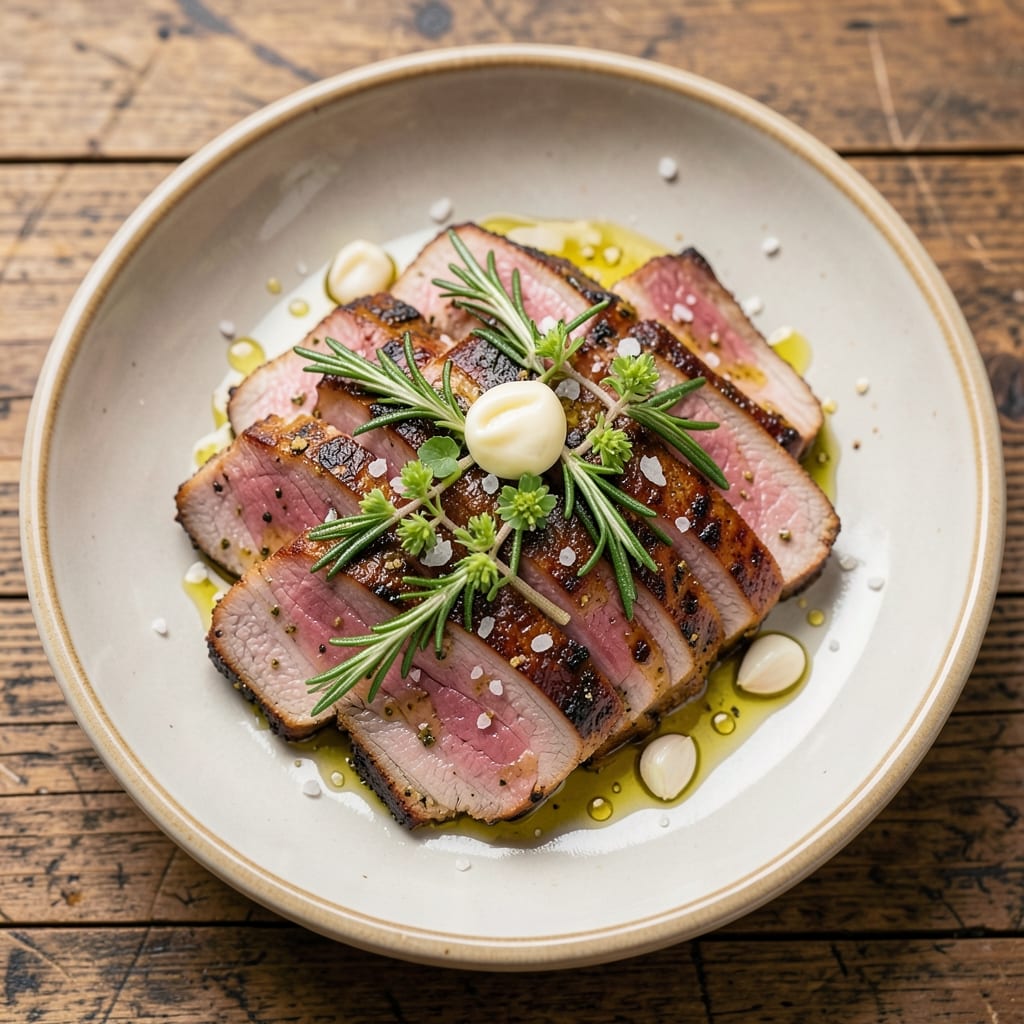
This fresh pork loin filet recipe delivers melt-in-your-mouth tenderness with a herb-crusted sear that locks in juices while creating a golden crust. As someone who’s cooked thousands of pounds of pork weekly, I know the difference between a dry cut and one that falls apart at the first bite—and this method guarantees the latter. The secret lies in precise timing, high heat, and a flavorful crust that transforms simple pork into something restaurant-worthy.
We’ll start with a simple herb crust—rosemary, thyme, and garlic—that clings to the meat without overpowering its natural sweetness. The key is searing the filet over high heat for just 2-3 minutes per side, then finishing in the oven to reach 145°F—hot enough to kill bacteria but leaving the center juicy and pink, as tradition demands. No overcooking here, just perfect doneness every time.
The result? A tender, flavorful cut with a crisp exterior and moist interior, ready to be sliced into perfect pink hearts. Serve with a drizzle of pan juices, a sprinkle of fresh herbs, and your choice of sides—roasted vegetables, mashed potatoes, or a crisp apple compote to cut through the richness. This isn’t just pork; it’s a showstopper.
Whether you’re grilling for a crowd or cooking for two, this method scales effortlessly. The herb crust adds depth without complexity, and the technique is foolproof—even for home cooks. Let’s get started on a cut that’ll have everyone asking for seconds.
Ingredients for fresh pork loin filet
Here's what transforms simple pork into restaurant-quality pink hearts—juicy, crisp, and packed with herb flavor.
| Ingredient | Amount | Notes |
|---|---|---|
| Pork Loin Filet 🥩 | 1 ½ lb | Center-cut, 1.5-inch thick |
| Fresh Rosemary 🌿 | ¼ cup | Finely chopped, stems removed |
| Fresh Thyme 🌿 | ¼ cup | Leaves only, stems discarded |
| Garlic Cloves 🧄 | 6 cloves | Minced, for crust and sear |
| Extra-Virgin Olive Oil 🫒 | ½ cup | For crust and searing |
| Unsalted Butter 🧈 | 2 tbsp | Cold, for crust |
| Diamond Crystal Kosher Salt 🧂 | 1 ½ tsp | For crust and seasoning |
| Freshly Ground Black Pepper 🌶️ | 1 tsp | For crust and finishing |
| All-Purpose Flour 🌾 | 2 tbsp | For dusting |
| Fresh Lemon Juice 🍋 | 1 tbsp | For finishing |
| Fresh Parsley 🌿 | ⅛ cup | Chopped, for garnish |
The pork loin filet is non-negotiable here. Center-cut means tender meat, while 1.5-inch thickness ensures even cooking. Grab one from the butcher counter if possible—they’ll trim it perfectly. If using store-bought, look for a piece with good marbling and uniform thickness. I always buy mine from Whole Foods or my local butcher, but any quality grocery store carries it. The herbs? Fresh is a must—dried just won’t cut it for that bright flavor. Rosemary and thyme should smell vibrant, not dusty. For the garlic, peel and mince it yourself—pre-minced gets slimy fast.
No fresh rosemary? Dried at half the amount works in a pinch, but trust me, it’s not the same. Short on thyme? Oregano or marjoram can stand in, but reduce to one-third the amount. The olive oil matters here—use extra-virgin for that fruity depth. For the butter, cold is critical—take it straight from the fridge. The flour is just for dusting, but don’t skip it—helps the crust stick. If you’re prepping ahead, make the herb crust mix first and store it in the fridge for up to 2 days. The lemon juice can be squeezed fresh last-minute or bought pre-squeezed from Trader Joe’s—just check for no additives.
Pork filets cook fast—plan ahead. Let the meat sit at room temp for 30 minutes before cooking for even searing. The herb crust keeps 2 days in the fridge if sealed tight. For the final product, slice against the grain for tender bites. Leftovers? 3 days max in the fridge—pork doesn’t reheat well. To serve, drizzle with pan juices and garnish with fresh parsley. Pro tip: Save the pan drippings—they’re liquid gold for sauces or mashed potatoes.
Why You'll Love This Recipe
- No Chopping Needed: I swear by this trick—just slice the pork loin into even medallions (no knife skills required) and let the olive oil and garlic do the work. The rosemary and thyme practically season themselves when you brush them on whole sprigs.
- Herb-Packed Magic: That first bite of crispy edges with tender pink centers? The rosemary and thyme infuse the pork so deeply it tastes like it simmered for hours. Honestly, my husband asks for this over steak now.
- Weeknight to Dinner Party: Same recipe, different vibes—serve it with roasted potatoes for a lazy Tuesday or drizzle with balsamic for a fancier spread. I’ve even turned leftovers into sandwiches (yes, they’re that good).
- Leftovers That Don’t Suck: Unlike other pork dishes, this stays juicy and flavorful for days. I portion mine into meal-prep containers and reheat in seconds—no drying out, no sad leftovers. My lunchbox’s new best friend.
Step-by-step instructions for herb-crusted pork loin filet
Here's how to transform your pork loin into a restaurant-quality centerpiece with a fragrant herb crust and perfectly pink interior.
Prepare the Herb Crust Mixture
In a small bowl, combine the 0.25 cup fresh rosemary and 0.25 cup fresh thyme leaves with the 6 cloves minced garlic. Add 2 tablespoons all-purpose flour and 1.5 teaspoons Diamond Crystal kosher salt, mixing until evenly distributed. This herb blend will create an aromatic crust that locks in moisture while adding depth of flavor.
Next, add 0.5 cup extra-virgin olive oil and 2 tablespoons cold unsalted butter, stirring until the mixture resembles coarse sand. The cold butter prevents the herbs from releasing too much oil prematurely. Press this mixture into a shallow dish—this will be your crusting station. The texture should be coarse enough to cling to the pork without falling apart.
Season and Crust the Pork Loin
Pat the 1.5 lb pork loin filet dry with paper towels—this is critical for achieving a good sear. Season both sides generously with 1 teaspoon freshly ground black pepper. Place the pork in the herb mixture and press firmly on all sides, ensuring the crust adheres completely. Lift the pork and let any excess crust fall back into the dish.
Transfer the crusted pork to a plate and let it sit at room temperature for 30 minutes. This allows the crust to adhere better and ensures even cooking. While it rests, preheat your oven to 400°F—this high temperature will help render the butter and create that coveted crust.
Sear the Pork for Maximum Flavor
Heat a heavy oven-safe skillet over medium-high heat until it's very hot. Add the pork loin and sear for 3 minutes per side until deeply golden brown. You'll know it's ready when the crust releases easily from the pan—this indicates the butter has rendered and the pork is ready for the oven.
Carefully transfer the skillet to the preheated oven and roast for 15-20 minutes for medium-rare (internal temperature 135°F) or 20-25 minutes for medium (internal temperature 145°F). The crust should be crisp and fragrant, while the interior remains juicy and pink. Use a meat thermometer for accuracy—pork continues cooking after removal from heat.
Rest and Finish with Lemon
Remove the pork from the oven and transfer it to a cutting board. Tent loosely with foil and let it rest for 10 minutes. This resting period allows the juices to redistribute, preventing them from pooling on the cutting board. The internal temperature will rise 5-10°F during this time—account for this when determining doneness.
While the pork rests, zest 1 tablespoon fresh lemon juice over the top and sprinkle with the 0.125 cup chopped fresh parsley. The acidity brightens the rich herb flavors while the parsley adds a fresh finish. Slice the pork against the grain into ½-inch thick medallions for maximum tenderness. Serve immediately with pan juices spooned over the top.
Pro Tips For Making Fresh Pork Loin Filet
- CRANK THE HEAT FIRST: Pork loin filet sears best when screaming hot—think 450°F (230°C) for those first 2 minutes. I used to play it safe with medium-high, and the crust never formed properly. High heat = flavor lock, and that’s non-negotiable for this cut.
- CHOP GARLIC LIKE A BOSS: Smash those garlic cloves with the flat side of your knife first, then slice thin. Whole cloves steam instead of crisp up, and you’ll taste the difference. Fresh thyme and rosemary need that garlic punch to shine—don’t skip the prep.
- DON’T CUT INTO IT YET: Let the pork rest 5-10 minutes under foil before slicing—yes, even if you’re starving. I learned this the hard way: sliced too soon, and it turns into a sad, dry mess. Give it time, and the juices redistribute like magic.
- USE THE STEM FOR FLAVOR: Tuck the woody stems of thyme and rosemary into the pork’s center before roasting. They infuse flavor without looking messy, and you won’t waste good herbs. (Bonus: pull them out before serving—no one wants a mouthful of stems.)
Perfect pairings for this fresh pork loin filet
Herb-Infused Sides
Fresh rosemary and thyme from your crust translate beautifully into sides. Try roasted asparagus tossed with 2 tbsp olive oil, ½ tsp crushed rosemary, and a pinch of salt—roast at 425°F for 12 minutes until crisp-tender. For a heartier option, make garlic mashed potatoes with ½ cup sour cream and 2 tbsp chopped thyme mixed into the warm mash. The herbs echo your main dish while keeping flavors cohesive. 🌿
Acidic Contrast Dishes
Cut through the richness with bright, tangy sides. Apple compote made with 2 cups diced Granny Smith apples, 1 tbsp lemon juice, and 1 tsp cinnamon (simmered 10 minutes) adds sweet-tart balance. For a sharper contrast, serve quick-pickled red onions (slice 1 large onion thin, soak in ½ cup vinegar, 1 tbsp sugar, and 1 tsp salt for 30 minutes). These sides keep the meal vibrant and refreshing. 🍏
Creamy Complements
Rich sides round out the herbaceous flavors beautifully. Truffle polenta made with 1 cup polenta, 4 cups chicken broth, and 1 tsp white truffle oil (stirred in at the end) adds earthy depth. For a lighter option, try lemon-herb quinoa with 1 cup cooked quinoa, 2 tbsp chopped parsley, 1 tbsp lemon zest, and 1 tbsp olive oil. Both sides soak up the pan juices from your pork like a dream. 🧈
Beverage Pairings
Crisp whites shine here. A dry Riesling from Germany—like Dr. Loosen Blue Slate—cuts through the butter and herbs with its bright acidity. For red lovers, a Pinot Noir from Oregon (try Domaine Serene) complements the pork’s richness without overpowering. Beer drinkers should opt for a Belgian witbier like Hoegaarden, where citrus and spice notes mirror the herb crust. 🍷
Finishing Garnishes
Elevate your plate with these final touches. Drizzle the pork with pan juices reduced by 2 minutes on high heat for a glossy finish. Add toasted pine nuts (toast ¼ cup in a dry pan for 2 minutes) for crunch. A sprinkle of flaky sea salt (like Maldon) enhances the crust’s texture. These garnishes make your dish look—and taste—restaurant-worthy. ✨
Nutrition facts
Frequently asked questions
What's the ideal thickness for a pork loin filet?
A 1.5-inch thick cut is perfect for this recipe—thick enough to stay juicy inside while developing a crisp crust. Thinner cuts (1-inch) will overcook faster, while thicker ones (>2-inches) may stay undercooked inside. Your butcher can trim it to spec if needed.
Can I cook this pork loin filet without an oven?
After searing in a skillet, finish cooking on the stovetop over medium-high heat with a lid on. Use a meat thermometer to hit 145°F—it'll take about 10-15 minutes total. Just monitor closely to avoid overcooking.
Why does my pork come out dry?
Overcooking is the #1 culprit—pork continues cooking after removal from heat. Use a thermometer and stop at 145°F (medium). Also, never skip the 10-minute rest—this redistributes juices. For extra moisture, baste with pan juices during cooking.
What's the difference between pork loin and tenderloin?
Pork loin is the larger muscle (top half of the pork loin primal cut) with more connective tissue, while tenderloin is the smaller, leaner cut from the bottom. Tenderloin cooks faster and is more delicate—this recipe works best for loin. For tenderloin, reduce cooking time by 25%.
How do I store leftover pork?
Wrap tightly in plastic and refrigerate for up to 3 days or freeze for 3 months. For reheating, warm gently in a skillet with a splash of broth or water—microwaving makes pork dry. Slice thinly for sandwiches or salads where texture matters less.