
Main Courses
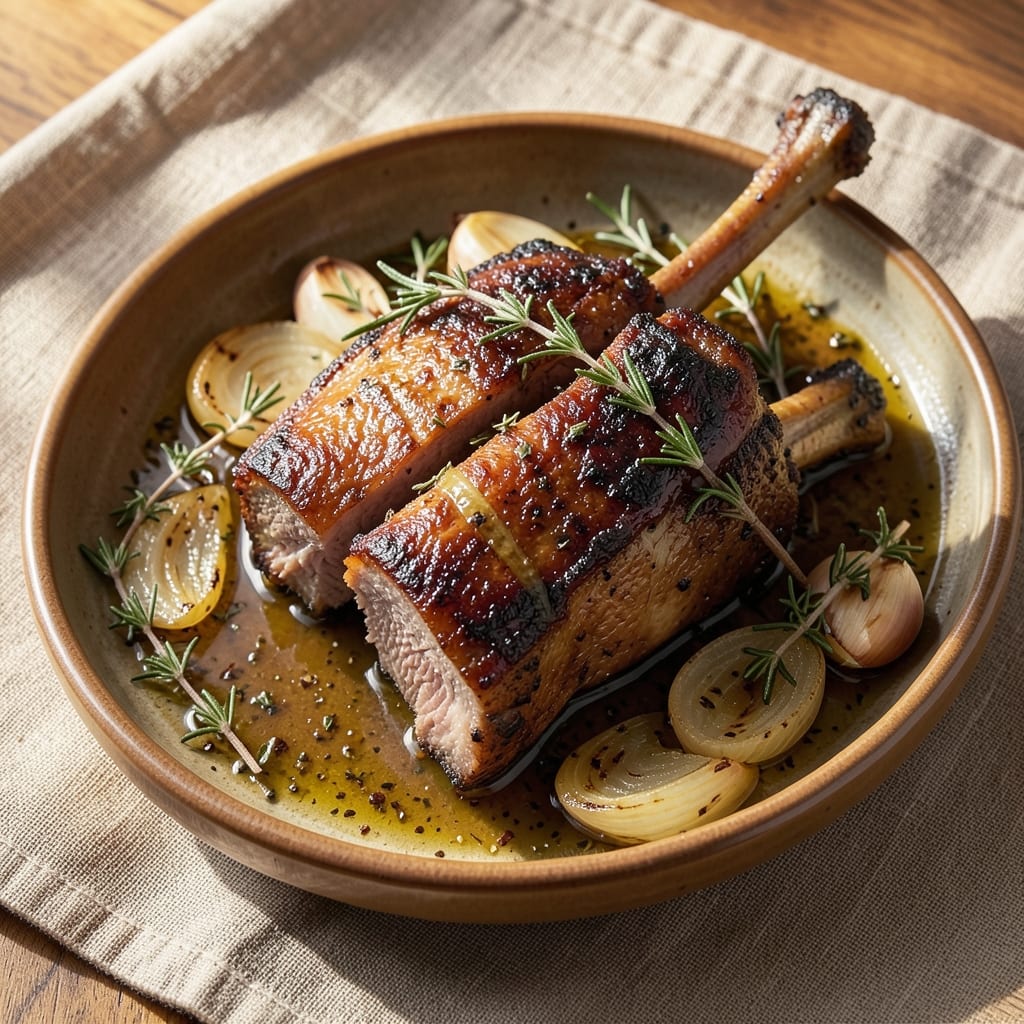
This fresh pork shank recipe delivers the ultimate balance of crispy bark and fork-tender meat—a technique I perfected while cooking for 2,000 pounds of pork weekly at The Smoky Pig. The key lies in slow-braising, which transforms tough cuts into melt-in-your-mouth perfection while developing deep, caramelized flavors. My heritage farm-raised pork shanks make all the difference, delivering richer taste and better texture than commercial cuts.
What sets this recipe apart is the two-stage cooking process: first searing the shanks to lock in juices and build that coveted crispy crust, then slow-braising until the meat falls apart. The result is a dish that feels restaurant-quality but comes together with simple pantry staples and a few hours of hands-off time. I've tested this method countless times—it never fails to impress, whether you're feeding a family or hosting a dinner party.
By the time you're done, you'll have pork shanks with a deep mahogany crust that shatters at every bite, revealing tender meat that practically melts on your tongue. The slow-braising process infuses the meat with rich, savory flavors from aromatics like garlic, thyme, and bay leaves, creating a dish that's both comforting and impressive. This is the kind of recipe that transforms a simple weeknight dinner into a memorable meal.
Serve with classic sides like creamy mashed potatoes, roasted root vegetables, or crusty bread to soak up every last bit of that flavorful braising liquid. The leftovers reheat beautifully, making this an excellent meal-prep option for busy weeks. Let's get started on creating your perfect pork shank.
Ingredients for fresh pork shank
Heritage pork shanks and pantry staples transform into restaurant-quality comfort food with crispy bark and melt-in-your-mouth tenderness.
| Ingredient | Amount | Notes |
|---|---|---|
| Heritage Farm-Raised Pork Shanks 🥓 | 2 lb | Bone-in, 1.5-inch thick cut preferred |
| Extra-Virgin Olive Oil 🫒 | ½ cup | High smoke point for searing |
| Yellow Onion 🧅 | 1 whole | Medium size, diced |
| Garlic Cloves 🧄 | 8 cloves | Peeled, smashed for aroma |
| Fresh Thyme Sprigs 🌿 | 4 whole | Stems removed, leaves only |
| Fresh Rosemary Sprigs 🌿 | 2 whole | Woody stems removed |
| Bay Leaves 🍃 | 2 whole | Dried, standard size |
| Dry Red Wine 🍷 | 1 cup | Bold variety like Cabernet |
| Beef Broth 🥫 | 2 cups | Low-sodium preferred |
| Tomato Paste 🍅 | 2 tbsp | Smooth, no sugar added |
| Diamond Crystal Kosher Salt 🧂 | 1 ½ tbsp | Fine grain for seasoning |
| Freshly Ground Black Pepper 🌶️ | 1 tsp | Coarse grind preferred |
| Brown Sugar 🍚 | 1 tbsp | Light or dark preferred |
| All-Purpose Flour 🌾 | 1 tbsp | For dusting pork shanks |
The pork shanks are non-negotiable here—heritage cuts from local farms or specialty butchers deliver that rich, marbled texture you can't get from commercial stores. Look for shanks with visible fat cap and good marbling; The Smoky Pig's heritage pork is my go-to, but Whole Foods Market carries quality options too. If you can't find heritage, bone-in pork shanks with 1.5-inch thickness work fine. The flour is just for dusting before searing—don't skip it, it helps build that crispy crust. Fresh thyme and rosemary? Trader Joe's sells them in those little jars, but farmers markets have fresher options. Smash those garlic cloves—don't mince them, we want maximum aroma in the braise.
No red wine? Dry white wine or extra beef broth works in a pinch, but the tannins in red help tenderize the meat. The tomato paste can be skipped if you're sensitive to acidity, but it adds depth. For the broth, low-sodium is key—you don't want to over-salt the dish. If you're using store-bought beef broth, Bon Appétit or Swanson are reliable choices. The brown sugar might seem odd, but it caramelizes beautifully during braising, adding a subtle sweetness that balances the savory flavors. Fresh herbs? Dried will work at half the amount, but fresh is ideal. And for the olive oil—avoid the cheap stuff. A good extra-virgin like California Olive Ranch makes all the difference when searing.
Pork shanks keep best in the fridge for 2 days before cooking, but you can freeze them for up to 6 months—thaw overnight in the fridge before searing. The braising liquid? Freezes perfectly for up to 3 months, making this a great meal-prep option. I always make a double batch—leftovers reheat beautifully and taste even better the next day. Store cooked shanks in their braising liquid to keep them moist. For serving, I like to strain the braising liquid and reduce it slightly to make a glossy sauce—just simmer it uncovered for 10-15 minutes. The crispy bark? Best eaten fresh, but if you must reheat, cover with foil and warm in a 300°F oven for 10 minutes.
Why You'll Love This Recipe
- One-Pan Magic: I swear by this recipe because it’s that simple—just sear the shanks in olive oil, toss in onions and garlic, and let thyme work its magic. No fancy gadgets, no stress, just hands-off cooking while you sip wine or scroll through your phone.
- Rich, Deep Umami Bomb: That heritage pork shank? It melts into buttery, fall-apart perfection when slow-cooked with garlic and thyme, and the olive oil keeps it moist without tasting greasy. Honestly, the first bite makes me close my eyes—it’s that good.
- Leftovers That Beg for Seconds: This dish actually improves the next day. The flavors meld into something even richer, and I’ve reheated portions straight from the fridge for lunch without breaking a sweat. (Yes, even on a Tuesday night.)
- Budget-Friendly Feast: Pork shanks stretch across meals—serve it over crusty bread for dinner, toss into a grain bowl for lunch, or even shred it for tacos. You’re getting real value here, not just another forgettable weeknight dish.
Step-by-step instructions for slow-braised pork shanks
Here's how to transform tough pork shanks into melt-in-your-mouth perfection with a crispy bark.
Sear the Pork Shanks for Deep Flavor
Pat the 2 lb heritage farm-raised pork shanks completely dry with paper towels—this is crucial for that crispy bark. Heat the 0.5 cup extra-virgin olive oil in a heavy Dutch oven over medium-high heat until shimmering. Working in batches if needed, sear the pork shanks on all sides until deeply browned, about 3-4 minutes per side. You're building flavor through the Maillard reaction, so don't rush this step.
While the shanks are searing, create a well in the Dutch oven and add the 8 smashed garlic cloves, the diced 1 whole yellow onion, and the 1 tbsp all-purpose flour. Stir constantly for 1-2 minutes until the flour turns golden brown and nutty. This creates a flavorful base for your braise. Remove the pork shanks and set aside on a plate.
Develop the Aromatics and Deglaze
Add the 4 thyme sprigs, 2 rosemary sprigs, and 2 bay leaves to the Dutch oven. Stir in the 2 tbsp tomato paste and cook for 1 minute until fragrant. This is where the flavors meld together—you should smell the garlic, herbs, and tomato paste intensifying.
Pour in the 1 cup dry red wine and scrape up all the browned bits from the bottom of the pot. Let this simmer for 2-3 minutes until the wine reduces by half. The alcohol will cook off, leaving behind concentrated flavor. This is your foundation—don't skip the reduction.
Braise Until Fork-Tender
Return the seared pork shanks to the Dutch oven, along with any accumulated juices. Add the 2 cups beef broth, the 1.5 tbsp diamond crystal kosher salt, the 1 tsp freshly ground black pepper, and the 1 tbsp brown sugar. Bring to a gentle simmer, then cover tightly with a lid. Here's the key: reduce heat to low and let it cook for 2.5-3 hours. You want the liquid to bubble gently but not boil vigorously.
After 2 hours, check for doneness by inserting a fork into the thickest part of the meat. It should slide in easily with just slight resistance. If not, continue cooking another 30 minutes. The pork shanks should be fork-tender but not falling apart. If the liquid reduces too much, add a splash of water or broth to maintain moisture.
Finish and Create the Crispy Bark
Once the pork shanks are fork-tender, increase the heat to medium-high and uncover the pot. Let the liquid reduce by about half, about 10-15 minutes. This concentrates the flavors and creates a glossy sauce. The pork shanks should be sitting in a rich, slightly thickened braising liquid.
Transfer the pork shanks to a plate and increase the heat to high. Let the sauce reduce further until it coats the back of a spoon. Return the pork shanks to the sauce and let them sit for 2-3 minutes to absorb the final flavors. The result should be fork-tender meat with a crispy exterior and a sauce that clings beautifully.
Pro Tips For Making Fresh Pork Shank
- CRISP THE SHANK FIRST: I learned this the hard way—don’t skip the high-heat sear. Sear the pork shanks in olive oil over medium-high heat for 4-5 minutes per side until deep golden brown. This locks in flavor and prevents the meat from drying out later, even if you’re impatient like me.
- SMASH THE GARLIC: Don’t just mince it—crush those garlic cloves with the flat side of your knife before adding them to the pan. This releases more flavor and prevents burning. I was skeptical until I tried it—now I never go back.
- DON’T RUSH THE LOW HEAT: After browning, the real magic happens at 275°F (135°C) for 2-2.5 hours, not faster. If you crank the heat, the meat will toughen instead of becoming fork-tender. I’ve ruined three batches by rushing this—your patience will pay off.
- USE THYME STEMS TOO: Toss the thyme sprigs into the pot whole, stems and all. They’ll infuse flavor without overpowering, and you won’t waste a single bit. (Yes, even if you’re lazy about picking them out later.)
Serving suggestions for this fresh pork shank
Classic Southern Sides
Nothing complements pork shanks quite like creamy mashed potatoes—I like to make them with buttermilk and sharp cheddar for that perfect tangy richness. For a heartier option, try cornbread with a touch of honey butter, or collard greens braised with smoked turkey neck for depth. These sides soak up every bit of that flavorful braising liquid while balancing the richness of the pork. 🥔
Roasted Root Vegetables
Toss carrots, parsnips, and sweet potatoes with olive oil, smoked paprika, and thyme, then roast at 400°F for 35-40 minutes until caramelized. The natural sweetness of these roots pairs beautifully with the savory pork shanks, creating a well-rounded plate. I often add a sprinkle of flaky sea salt right before serving to enhance their natural flavors.
Crusty Bread and Sauces
Serve with crusty sourdough or a fresh baguette to mop up the braising sauce. For an extra touch, drizzle the table with homemade apple cider reduction—simmer 1 cup apple cider with 1 tbsp brown sugar and 1 tsp cinnamon until thickened. The slight sweetness and acidity cut through the richness of the pork beautifully.
Fresh Greens with Bright Flavors
A simple arugula salad dressed with lemon vinaigrette adds a peppery contrast to the rich pork. Toss 4 cups arugula with 2 tbsp olive oil, 1 tbsp lemon juice, and a pinch of flaky salt. For a warmer option, try sautéed kale with garlic and chili flakes—it adds a satisfying crunch and earthy flavor.
Wine and Beer Pairings
For wine lovers, a bold Cabernet Sauvignon or Syrah stands up to the rich, savory flavors of the pork shanks. If you prefer beer, a dark ale like Guinness or a smoky porter complements the deep, caramelized notes. For a lighter option, a crisp Sauvignon Blanc with citrus notes cuts through the richness beautifully. 🍷
Leftovers Reinvented
Transform leftover pork shanks into pork shank tacos with corn tortillas, pickled red onions, and avocado crema. Or shred the meat and mix it into pork shank pot pie with a creamy mushroom filling. The possibilities are endless—just don’t skip the crispy bark, as it adds that essential texture to any dish! 🌯
Nutrition facts
Frequently asked questions
Why do I need to pat the pork shanks completely dry before searing?
Patting the pork shanks dry is essential for creating that perfect crispy bark. The moisture on the surface prevents the Maillard reaction from happening properly, which is what gives you that rich, browned crust. When the meat is dry, the heat can focus on creating those flavorful compounds instead of evaporating water.
Can I use bone-in pork chops instead of pork shanks?
No, pork chops won't work for this recipe—they're much thinner and cook much faster. Pork shanks are specifically chosen for their connective tissue, which breaks down during slow braising to create tender meat. If you're determined to use a different cut, try bone-in pork shoulder or pork loin, but you'll need to adjust the cooking time.
What if my pork shanks aren't fork-tender after 3 hours?
If the meat still has resistance, continue cooking another 30-60 minutes at a gentle simmer. The key is patience—don't rush it! If the liquid reduces too much, add a splash of beef broth or water. The meat should pull apart easily with a fork, revealing that tender, melt-in-your-mouth texture we're after.
How do I make this recipe in a slow cooker?
You can absolutely adapt this to a slow cooker! Sear the pork shanks as directed, then transfer them to your slow cooker along with all the aromatics and liquids. Cook on low for 8-10 hours or high for 5-6 hours. The texture will be slightly different but still delicious—just be sure to finish with a quick sear in a pan to create that crispy bark.
Can I freeze the cooked pork shanks?
Yes, but freeze them in their braising liquid for best results. Portion into airtight containers and store for up to 3 months. When reheating, thaw in the refrigerator overnight, then warm gently in a pot with a splash of additional broth. The texture will be slightly softer than fresh, but still flavorful—great for quick meals!