
Main Courses
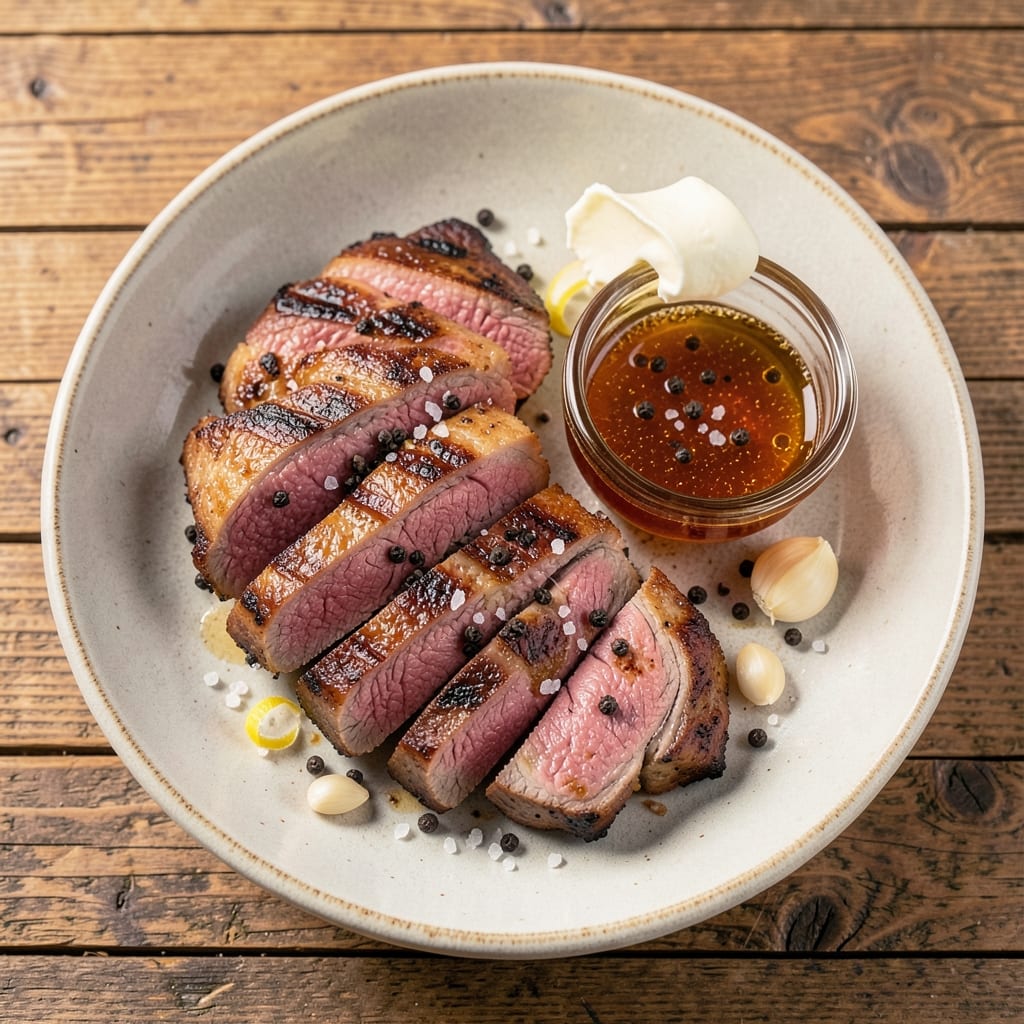
A fresh pork steak recipe deserves the same care as beef, and this dish delivers restaurant-quality results with a crisp apple cider glaze. I perfected this technique after years of working with heritage pork—where the tenderness and flavor shine when cooked just right. The secret lies in high heat, proper seasoning, and that signature crisp that forms when you deglaze with apple cider.
This method transforms simple pork steak into a showstopper with minimal effort. Start with a hot cast iron skillet to create that perfect crust, then finish with a tangy-sweet apple cider reduction that cuts through the richness. We're talking juicy, caramelized edges with a tender interior that hits 145°F for medium-rare perfection. The apple cider glaze adds depth without overpowering the natural pork flavor.
What you'll end up with is a steak that's crisp on the outside, tender on the inside, and finished with a glossy glaze that makes every bite irresistible. The aroma alone will have your kitchen smelling like a Southern dinner table, and the balance of savory meat with sweet-tart glaze creates harmony in every forkful. This is the kind of dish that makes pork the star of the meal.
Serve with roasted root vegetables or a simple green salad to let the steak shine. The crisp holds up beautifully, making it perfect for plating and sharing. Let's get cooking—this pork steak deserves your attention.
Ingredients for fresh pork steak
High-quality pork, crisp apple cider, and a few simple pantry staples make this showstopper.
| Ingredient | Amount | Notes |
|---|---|---|
| Pork Steaks 🥩 | 1 ½ lb | Heritage pork, 1-inch thick |
| Apple Cider 🍎 | 1 cup | Unfiltered, preferably local |
| Unsalted Butter 🧈 | 2 tbsp | European-style preferred |
| Kosher Salt 🧂 | 1 ½ tsp | Diamond Crystal preferred |
| Freshly Ground Black Pepper 🌶️ | ½ tsp | Freshly cracked for best flavor |
| Garlic Cloves 🧄 | 4 cloves | Thinly sliced, not minced |
| Fresh Thyme Leaves 🌿 | ¼ cup | Or 1 tbsp dried thyme |
| Brown Sugar 🍚 | 1 tbsp | Light or dark, packed |
| Cast Iron Skillet 🔥 | 1 whole | 10-12 inches, preheated |
| Heavy Cream 🥛 | ¼ cup | Full-fat for richness |
| Fresh Parsley 🌿 | ⅛ cup | Chopped, for garnish |
Heritage pork is worth hunting down—Whole Foods or local butchers usually carry it. Look for thick-cut steaks (1-inch) with good marbling. If you can't find heritage, bone-in pork chops work too. The apple cider should be unfiltered—Mott's or a local orchard brand adds that rustic flavor. Fresh thyme is ideal, but dried works at one-third the amount. The cast iron skillet is non-negotiable—it's what creates that perfect crust. Preheat it over medium-high until it's screaming hot.
No apple cider? Substitute with white wine or apple juice, but you'll lose that deep, tangy flavor. Running short on butter? Olive oil works in a pinch, though it won't brown as beautifully. The brown sugar adds depth to the glaze—don't skip it. For extra richness, add a splash of balsamic vinegar to the glaze. The glaze should coat the back of a spoon—if it's too thick, thin it with a little water. Garnish with fresh parsley right before serving to keep it vibrant.
Pork steaks stay best in the fridge for 2 days if uncooked. Once cooked, they reheat beautifully—just warm in the skillet for 1-2 minutes. The glaze keeps for 1 week in the fridge, but it's best used fresh. Portion the cooked steaks into meal prep containers with a little extra glaze on top. They hold up well for 3 days in the fridge, though the glaze might thicken slightly—just reheat with a splash of water.
Why You'll Love This Recipe
- Same recipe, different vibes: toss it on the table for a lazy Tuesday with crusty bread, or plate it with roasted potatoes and greens for guests. The steaks hold up beautifully either way.
- Pan-Worthy Simplicity: I swear by this recipe because it’s that easy—just sear the steaks in a hot pan, deglaze with apple cider, and let the butter melt into golden pools. No fancy techniques, no stress.
- Apple-Cider Magic: That tangy cider doesn’t just cook off—it caramelizes into a glossy glaze that sticks to every bite, balancing the richness of the pork with a bright, almost autumnal kick. (Yes, even in summer.)
- Weeknight to Dinner Party: Same recipe, different vibes: toss it on the table for a lazy Tuesday with crusty bread, or plate it with roasted potatoes and greens for guests. The steaks hold up beautifully either way.
Step-by-step instructions for pan-seared pork steaks
Here's how to transform simple ingredients into restaurant-quality pork steaks with a crispy exterior and tender interior.
Season and Sear the Pork Steaks
Pat the 1.5 lb pork steaks dry with paper towels—this is crucial for achieving that perfect crust. In a small bowl, mix together 1.5 teaspoons kosher salt, 0.5 teaspoon freshly ground black pepper, and 1 tablespoon brown sugar. Generously coat both sides of each steak with this seasoning blend.
Heat the cast iron skillet over medium-high heat until it's smoking hot. Add 2 tablespoons unsalted butter and let it melt completely, swirling to coat the pan evenly. Place the seasoned steaks in the skillet and cook for 3-4 minutes per side until they develop a deep golden-brown crust. Press down gently on the steaks during the first minute to prevent curling and ensure even contact with the pan.
Deglaze with Apple Cider and Garlic
Once the steaks are beautifully browned, carefully remove them from the skillet and set aside on a warm plate. Pour in the 1 cup apple cider and scrape up all the browned bits from the bottom of the pan with a wooden spoon—this is where all the flavor hides. Add the 4 sliced garlic cloves and 0.25 cup fresh thyme leaves to the skillet and let it simmer for 2-3 minutes until the liquid reduces by about half.
Here's the thing—don't rush this step. The apple cider should mellow into a rich, slightly caramelized sauce rather than just evaporate. You'll smell the thyme and garlic infusing deeply into the liquid, creating the foundation for your crispy topping.
Create the Apple Cider Crisp Topping
Remove the skillet from heat and stir in the 0.25 cup heavy cream. Return to low heat and let it warm through for 1-2 minutes, stirring constantly to prevent curdling. The sauce should thicken slightly but remain pourable. If it becomes too thick, add 1 tablespoon water at a time until you reach the right consistency.
Taste the sauce and adjust seasoning if needed—this is your chance to balance sweetness and acidity. The apple cider should add a subtle tartness that complements the richness of the pork. Keep the sauce warm while you prepare the crispy topping.
Assemble and Finish with Crispy Topping
Return the steaks to the skillet and spoon the warm sauce evenly over the top of each steak. Let them sit for 1 minute to absorb some of the sauce. While the steaks rest, transfer the remaining sauce to a small saucepan and bring to a gentle simmer over medium heat. Stir in 1 tablespoon brown sugar and let it cook for 2-3 minutes until it thickens into a glossy, syrupy consistency.
Here's where it gets fun—spoon this thickened apple cider mixture over the steaks, creating a beautiful caramelized crust. The heat from the steaks will cause it to bubble and crisp slightly, creating that perfect textural contrast between the tender meat and crispy topping.
Rest and Garnish for Serving
Let the steaks rest for 5 minutes before serving—this crucial step allows the juices to redistribute throughout the meat. While they rest, garnish each steak with 0.125 cup chopped fresh parsley for a pop of color and freshness. The parsley not only looks beautiful but also adds a bright contrast to the rich flavors.
Slice the steaks against the grain for maximum tenderness and serve immediately with the crispy apple cider topping pooled on top. Each bite should deliver perfectly seared pork with a burst of sweet-tart apple cider crisp that ties all the flavors together.
Pro Tips For Making Fresh Pork Steak
- Sear First, Deglaze Fast: Hit the pork steaks with a screaming-hot pan—no butter yet—until they release a deep brown crust. Then pour in the apple cider immediately while scraping up those fond bits. That’s where the flavor hides, and skipping it means missing half the taste. ---
- Dry the Meat Like It’s 1985: Pat those pork steaks thoroughly with paper towels before seasoning. Wet surfaces steam instead of sear, and you’ll end up with sad, gray meat instead of golden, juicy perfection. I learned this the hard way after a soggy batch ruined my Sunday plans. ---
- Salt the Cider, Not Just the Meat: Toss a pinch of kosher salt into the apple cider while it simmers—this seasons the sauce and balances the acidity. The pork gets flavor from every bite, not just the top. (Yes, even if you’re impatient like me, wait for the cider to reduce by half first.) ---
- Finish with Butter, Not Burn It: Swirl in that unsalted butter off the heat—just a tablespoon or two—so it melts into the sauce without turning into grease. If you add it too early, you’ll scramble it instead of making a glossy, rich finish. Trust me, your steaks deserve that silky sheen.
Common mistakes when making this recipe
Overcooking the Pork
Pork steak is forgiving, but it's easy to overcook when you're focused on the crust. I've seen many home cooks walk away from the heat too late, resulting in dry, tough meat instead of tender perfection. Use a meat thermometer to check for 145°F internal temperature—anything above that risks losing juiciness. Remember, pork continues cooking slightly after you remove it from heat, so pull it out when it hits 140°F and let it rest. 🌡️
Skipping the Resting Time
This is a rookie mistake that ruins all the hard work you've done. When you slice into pork steak immediately after cooking, all the juices rush out, leaving you with dry meat. Always let your steaks rest for 5 minutes before cutting—this allows the juices to redistribute evenly. I've learned this the hard way after serving rushed steaks that disappointed my guests. Trust me, patience pays off.
Using Cold Pork Steaks
Pulling pork steaks straight from the fridge and throwing them into a hot pan is a recipe for uneven cooking. The cold meat will cool your pan dramatically, preventing that perfect crust from forming. Let your steaks sit at room temperature for 20-30 minutes before cooking. This simple step ensures even cooking and better flavor development throughout the steak.
Not Deglazing Properly
The fond (browned bits) in your pan contains incredible flavor that many cooks waste by not deglazing. When you pour in that apple cider and scrape up every bit of fond, you're capturing all those caramelized flavors that make the dish sing. I've seen people pour the liquid in and walk away—don't be that cook! Take that extra 2 minutes to scrape and simmer for maximum flavor impact.
Overcrowding the Pan
Trying to cook multiple pork steaks at once in a small pan is a common mistake that leads to steaming instead of searing. The steam creates moisture that prevents proper browning. Cook your steaks in batches if needed—this ensures each piece gets that beautiful crust. I keep my cast iron skillet at medium-high heat and only add one steak at a time for perfect results every time.
Underseasoning the Meat
Some cooks are afraid to season pork heavily, but this steak deserves bold flavors. The kosher salt and black pepper blend should be generous—don't hold back! Pork has a mild flavor that needs seasoning to shine. I always season my steaks right before cooking to prevent them from becoming waterlogged. The brown sugar in the seasoning adds depth that balances the apple cider perfectly. 🧂
Nutrition facts
Frequently asked questions
Can I use pork loin instead of pork steak for this recipe?
Pork loin works beautifully as a substitute. Look for a 1-inch thick cut and slice it into steak-sized portions before cooking. The same technique applies—just ensure your pieces are uniform thickness for even cooking. The apple cider glaze will complement the tender pork loin perfectly.
How do I know when my pork steak is cooked to medium-rare?
Use a meat thermometer for perfect results—the internal temperature should reach 145°F for medium-rare. For visual cues, look for a pink center with slightly firm edges. Remember, pork continues cooking slightly after removal, so pull it out at 140°F and let it rest. A properly rested steak will feel warm but not hot to the touch.
Can I make this recipe ahead of time?
Yes! Cook the steaks completely and let them cool, then refrigerate for up to 3 days. Reheat in a skillet over medium heat for 2-3 minutes per side, then finish with fresh glaze. The glaze can be made up to 1 week ahead and reheated gently. For best texture, serve the glaze fresh over reheated steaks.
What's the best way to store leftover pork steak?
Store cooked steaks in an airtight container in the fridge for 3-4 days. For longer storage, freeze portions in meal prep containers for up to 3 months. Thaw overnight in the fridge before reheating. The glaze can be stored separately and reheated with a splash of water if it thickens.
Can I grill this pork steak instead of pan-searing?
Certainly! Grilling works wonderfully—just preheat your grill to medium-high heat and oil the grates well. Cook for 4-5 minutes per side for 1-inch thick steaks, then finish with the apple cider glaze. The smoky flavor pairs beautifully with the sweet-tart glaze. For extra crisp, broil the glazed steaks for 1-2 minutes at the end.