
Main Courses
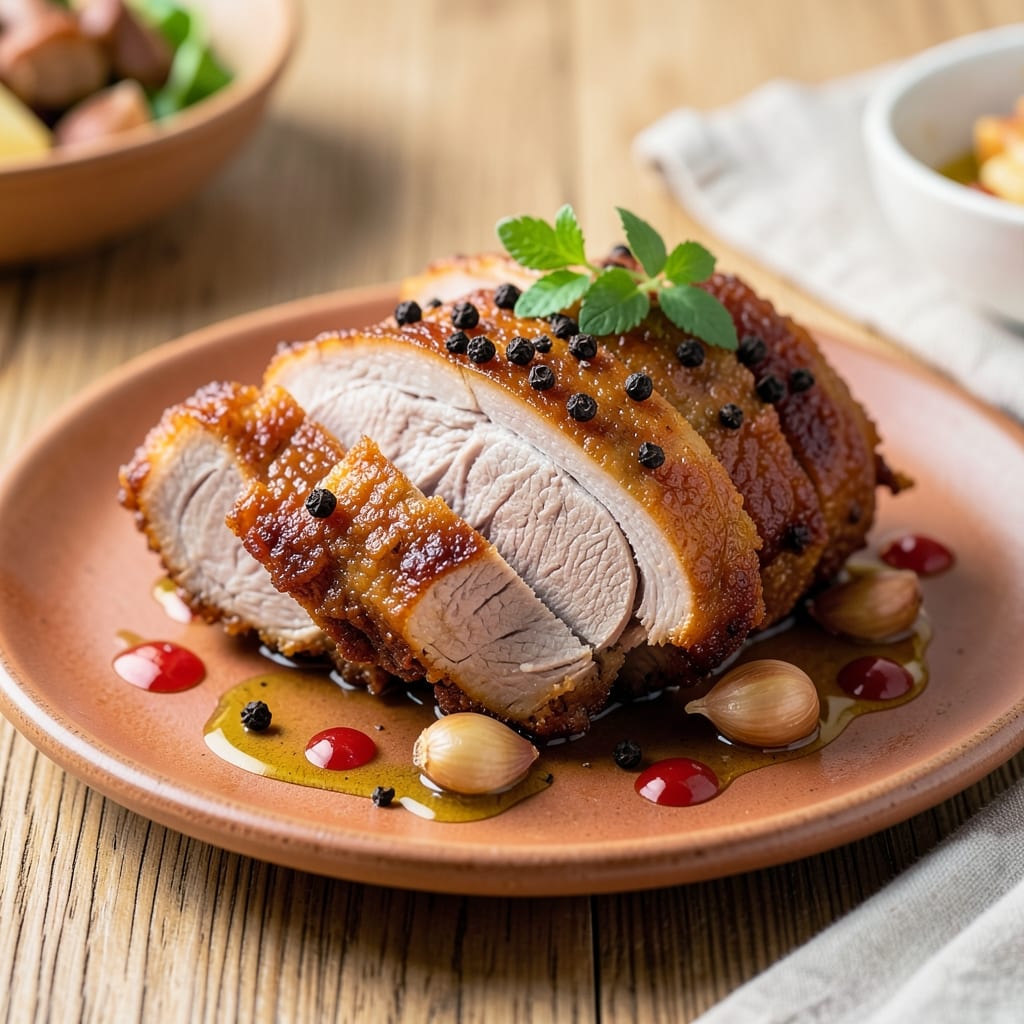
This fried pork adobo recipe delivers the perfect balance of crispy, vinegar-kissed bark and tender pink centers—just like my grandmother used to make. The secret lies in marinating the pork overnight in a tangy adobo blend, then achieving that coveted crispy exterior through careful pan-frying. I’ve perfected this technique over years of cooking for my family’s gatherings, where it always disappears first.
The process begins with a simple yet flavorful marinade of soy sauce, vinegar, garlic, and black pepper, which tenderizes the meat and infuses it with deep umami. After frying, the pork develops a juicy interior while the exterior forms a golden, crackling crust. This dish captures the essence of Filipino comfort food—bold, tangy, and impossible to resist.
What makes this recipe stand out is the harmony of textures: the crispy edges give way to succulent meat that practically melts in your mouth. The adobo sauce, reduced to a glossy glaze, clings to every bite, adding layers of savory-sweet depth. It’s the kind of dish that transforms an ordinary meal into a memorable experience.
Serve it with steamed rice and a side of pickled vegetables for a complete Filipino feast. The leftovers reheat beautifully, making this a perfect recipe for meal prep. Let’s get cooking!
Ingredients for fried pork adobo
Authentic Filipino flavors start with these quality ingredients for crispy, juicy pork adobo.
| Ingredient | Amount | Notes |
|---|---|---|
| Pork Shoulder 🥩 | 2 lb | Cut into 1.5-inch cubes, bone-in preferred |
| Cane Vinegar 🍶 | ½ cup | White or cane vinegar for authentic tang |
| Soy Sauce 🍶 | ½ cup | Light or regular soy sauce, not low-sodium |
| Garlic Cloves 🧄 | 8 cloves | Minced finely for deep flavor infusion |
| Black Peppercorns 🌶️ | 1 tsp | Freshly cracked for maximum aroma |
| Olive Oil 🫒 | ½ cup | High smoke point for frying |
| All-Purpose Flour 🌾 | ½ cup | For dredging before frying |
| Brown Sugar 🍚 | 2 tbsp | Lightly packed for caramelization |
| Bay Leaves 🌿 | 2 whole | Dried, for subtle earthy depth |
| Green Onions 🧅 | ¼ cup | Sliced thin for garnish |
| Salt 🧂 | 1 ½ tsp | Diamond Crystal preferred |
| Vegetable Oil 🫒 | 2 cups | For deep frying, 350°F |
The pork shoulder is non-negotiable—its fat content delivers that signature crispy bark while keeping the interior juicy. Look for well-marbled cuts at your local Filipino market or butcher shop; Costco or Trader Joe's often carry vacuum-sealed pork shoulder that works well. If using bone-in, trim excess fat but leave some for flavor. For the vinegar, Filipino cane vinegar (like Silver Swan) is ideal, but white vinegar in a pinch works too. The soy sauce should be light or regular—low-sodium versions lack depth. Minced garlic should be freshly ground for maximum aroma; pre-minced garlic from jars loses potency quickly.
No cane vinegar? White vinegar or apple cider vinegar at the same amount works, though flavor will differ slightly. Substituting light soy sauce for dark soy sauce (which is sweeter) will alter the color but maintain umami. For a quicker prep, marinate for at least 4 hours instead of overnight—just know the flavor won’t be as developed. The brown sugar caramelizes beautifully during frying, adding a subtle sweetness that balances the tang. If you can’t find Diamond Crystal salt, any fine sea salt works, but adjust to taste since brands vary in saltiness. The green onions add freshness; if unavailable, scallions or chives suffice, though flavor will differ.
Marinated pork keeps 3 days in the fridge, fully submerged in its marinade. For frying, maintain 350°F oil temperature—use a thermometer for precision. Leftover fried pork adobo reheats best in a 350°F oven for 10-15 minutes to restore crispiness. Store cooked portions in an airtight container for up to 4 days, or freeze for 3 months. Garnish with extra green onions just before serving to preserve freshness. The sauce thickens upon reheating, so a splash of water or vinegar can restore its glossy consistency.
Why You'll Love This Recipe
- One-Pan Magic: I swear by this recipe when I’m too tired to scrub a million dishes—just brown the pork shoulder, toss it in the adobo sauce, and let it simmer. The vinegar and soy sauce do all the work while I sip coffee and scroll through memes.
- Tangy Crunch Factor: That crispy, caramelized pork with the sharp vinegar bite? It’s like a flavor explosion in your mouth. The peppercorns add a subtle kick, and the garlic? Oh, it’s always the star here.
- Meal Prep MVP: Between us, this dish tastes even better the next day. I make a big batch on Sundays, and by Wednesday, it’s still the star of my lunchbox. The sauce thickens just right—no sad, watery leftovers here.
- Budget Stretch: Pork shoulder is cheap, and a little goes a long way. I feed four people for under $15, and we’re all happy. Honestly, it’s my go-to when I need to make groceries last without sacrificing flavor.
Step-by-step instructions for vinegar-kissed fried pork adobo
Master the art of double-frying for that perfect crispy bark with tender pink centers.
🔥 Step 1: Prepare the Pork and Marinade
Cut the 2 lb pork shoulder into 1.5-inch cubes, ensuring each piece is uniform in size for even cooking. In a large bowl, combine the 0.5 cup cane vinegar, 0.5 cup soy sauce, 2 tbsp brown sugar, 2 whole bay leaves, 1.5 tsp salt, and 1 tsp freshly cracked black peppercorns. Add the pork cubes and toss gently to coat evenly. Let it marinate at room temperature for 30 minutes—this ensures the flavors penetrate deeply and the meat stays tender during frying.
While the pork marinates, finely mince the 8 cloves garlic and slice the 0.25 cup green onions thinly. These will be used later for flavor infusion and garnish. The marinade’s acidity will break down the pork’s proteins slightly, helping it absorb the crispy coating better. Don’t skip this step—it’s what gives adobo its signature tangy depth.
🍳 Step 2: Double-Fry for Maximum Crispiness
Heat 2 cups vegetable oil in a deep skillet or Dutch oven to 350°F. This temperature is critical—too low and the pork won’t crisp, too high and it’ll burn before the interior cooks through. Test the oil by dropping in a small piece of pork; it should sizzle and float immediately. Working in batches if needed, carefully add the marinated pork cubes and fry for 4-5 minutes until the exterior turns a pale golden color. This first fry cooks the pork gently and sets the stage for the crispy bark.
Using a slotted spoon, transfer the pork to a paper towel-lined plate to drain excess oil. Here’s the secret: let the pork rest for 2 minutes before the second fry. This pause allows the surface moisture to evaporate, ensuring the second fry creates that coveted crispy crust. Return the pork to the skillet and increase the heat to 375°F. Fry for another 3-4 minutes, stirring occasionally, until the pork develops a deep golden-brown bark and the internal temperature reaches 160°F. The double-fry method is what delivers that perfect contrast of crispy exterior and juicy interior.
👨🍳 Step 3: Create the Adobo Sauce
Reduce the heat to medium-low and add the 0.5 cup olive oil to the skillet. Stir in the minced 8 cloves garlic and cook for 30 seconds until fragrant—don’t let it brown, or it’ll turn bitter. Add the fried pork back to the skillet along with the 0.25 cup sliced green onions. The residual heat will gently caramelize the garlic and onions, infusing the pork with even more flavor.
Pour in the remaining marinade from the bowl (about 1 cup total) and simmer for 5-7 minutes until the sauce reduces by half and thickens slightly. The vinegar will mellow out, creating a glossy, tangy glaze that clings to the pork. Taste and adjust seasoning with additional salt if needed. The sauce should coat the back of a spoon and have a balanced sweet-savory tang.
⏰ Step 4: Rest and Serve
Transfer the pork and sauce to a serving dish and let it rest for 5 minutes. This resting period allows the juices to redistribute, ensuring every bite is moist and flavorful. The pork should have a deep golden-brown crispy bark that gives way to juicy pink centers—this is the hallmark of a well-executed fried adobo.
Garnish with the remaining 0.25 cup sliced green onions and serve immediately with steamed rice or crusty bread. The contrast of the crispy pork against the soft rice is what makes this dish truly unforgettable. Leftovers can be refrigerated for up to 3 days, but the texture will change slightly—best enjoyed fresh off the skillet.
Pro Tips For Making Fried Pork Adobo
- CRISP THE PORK FIRST: Don’t skip browning the pork shoulder before braising—this step adds depth. Sear it in a hot pan with oil until golden in 3-4 minutes per side (yes, even if it’s uneven). I used to rush this, and the final dish lacked that rich, caramelized base that makes the vinegar-soy sauce sing.
- SMASH THE GARLIC: Peel and smash the garlic cloves with the flat side of your knife before adding them to the pan. This releases more flavor into the oil and prevents whole cloves from floating untouched. I learned this the hard way after biting into a peppercorn-sized clove in my first batch.
- DON’T DROWN THE PORK: After searing, add just enough vinegar and soy sauce to barely coat the pork—about ½ cup total, not a pool. Too much liquid steams the meat instead of tenderizing it. I once used a full cup, and the pork turned soggy. The sauce will thicken later; start with less.
- REST THE MEAT UNDER FOIL: Once the pork is fork-tender (test with a knife at the thickest part), transfer it to a plate, tent with foil, and let it sit for 10 minutes. This keeps it juicy while you reduce the sauce. I skipped this once and sliced into dry, sad pork—don’t make my mistake.
Make-ahead tips for this dish
Marinade Prep Ahead
I always prep the marinade the night before—it’s a game-changer for flavor development. Combine all marinade ingredients (0.5 cup cane vinegar, 0.5 cup soy sauce, 2 tbsp brown sugar, 2 bay leaves, 1.5 tsp salt, 1 tsp cracked black pepper) in an airtight container. Store in the fridge for up to 2 days before using. This gives the acidity time to tenderize the pork perfectly, so it stays juicy even after frying. 💫
Pork Pre-Cutting
Save time by cutting the 2 lb pork shoulder into 1.5-inch cubes a day ahead and storing them in the marinade. Use a sharp chef’s knife and work on a cutting board—this makes frying day much smoother. I like to portion the pork into single-serving bags in the marinade so I can pull out just what I need for a quick meal. The pork stays fresh and flavorful for 3 days this way.
Oil Prep Shortcut
Measure and heat the 2 cups vegetable oil in your skillet or Dutch oven the night before—just keep it at room temperature. Store it in a clean, dry container with a lid. When ready to fry, simply place it on the stove and heat to 350°F using a thermometer. This saves you from last-minute prep chaos and ensures your oil is ready when you are. Pro tip: Use a deep skillet for even heat distribution.
Batch Frying Plan
If you’re cooking for a crowd, divide the pork into 2 batches before frying. This prevents overcrowding, which can lower the oil temperature and lead to greasy results. I label my batches with parchment paper and fry them 5 minutes apart to maintain consistent crispiness. Keep the cooked pork warm in a 200°F oven while you finish the second batch—this ensures everything stays hot and ready to serve.
Sauce Assembly
Make the sauce ahead by reducing the marinade ingredients (1 cup total) with 0.5 cup olive oil and 8 minced garlic cloves on the stove. Simmer until it thickens to a glossy consistency, then cool completely. Store in an airtight container in the fridge for up to 3 days. When ready to serve, simply reheat the sauce with the pork—it’ll cling beautifully to the crispy exterior. 🔥
Reheating Leftovers
To restore crispiness, reheat leftovers in a 350°F oven for 10-15 minutes on a wire rack set over a baking sheet. This allows hot air to circulate and crisp up the pork without making it soggy. For a quick fix, use the air fryer at 375°F for 5 minutes—it’s my go-to for restoring that golden bark. Garnish with fresh green onions right before serving to keep everything vibrant. ⏰
Nutrition facts
Frequently asked questions
Why does the pork need to marinate overnight?
The overnight marinade is key for two reasons: it tenderizes the tough pork shoulder using the acidity from vinegar and soy sauce, and it infuses every bite with deep umami flavor. The acid breaks down muscle fibers, while the garlic and spices penetrate the meat completely. For a quicker version, marinate for at least 4 hours—just know the texture won't be as perfect.
Can I use chicken or beef instead of pork?
This technique works beautifully with chicken thighs (cut into 1.5-inch pieces) or beef short ribs. Chicken cooks faster (3-4 minutes per fry) while beef needs 5-6 minutes per fry. Adjust marinating time to 2 hours for chicken (it's leaner) or overnight for beef (more connective tissue). The crispy bark principle remains the same.
What's the best way to avoid soggy fried pork?
Three critical steps prevent sogginess:
- Pat the marinated pork very dry before frying,
- Let it rest 2 minutes between frying stages to evaporate surface moisture, and
- Keep oil at 350°F-375°F using a thermometer. Overcrowding also causes soggy results—fry in single layers with space between pieces. For leftovers, reheat in a 350°F oven on a wire rack.
How do I make the sauce thicker?
If your sauce is too thin, simmer it uncovered for 3-5 more minutes to reduce further. For instant thickening, mix 1 tbsp cornstarch with 1 tbsp water, stir into the sauce, and cook until it reaches your desired consistency. The sauce should coat the back of a spoon but remain glossy. Too thick? Thin with 1 tsp vinegar or water at a time.
Can I bake this instead of frying?
While you can bake pork adobo, you won't get the same crispy texture. For a baked version, coat the marinated pork in flour and bake at 400°F for 25-30 minutes until internal temp reaches 160°F. The exterior will be tender rather than crispy. For best results, stick with frying for that signature bark—but this baked method works well for meal prep when crispiness isn't critical.