
Main Courses
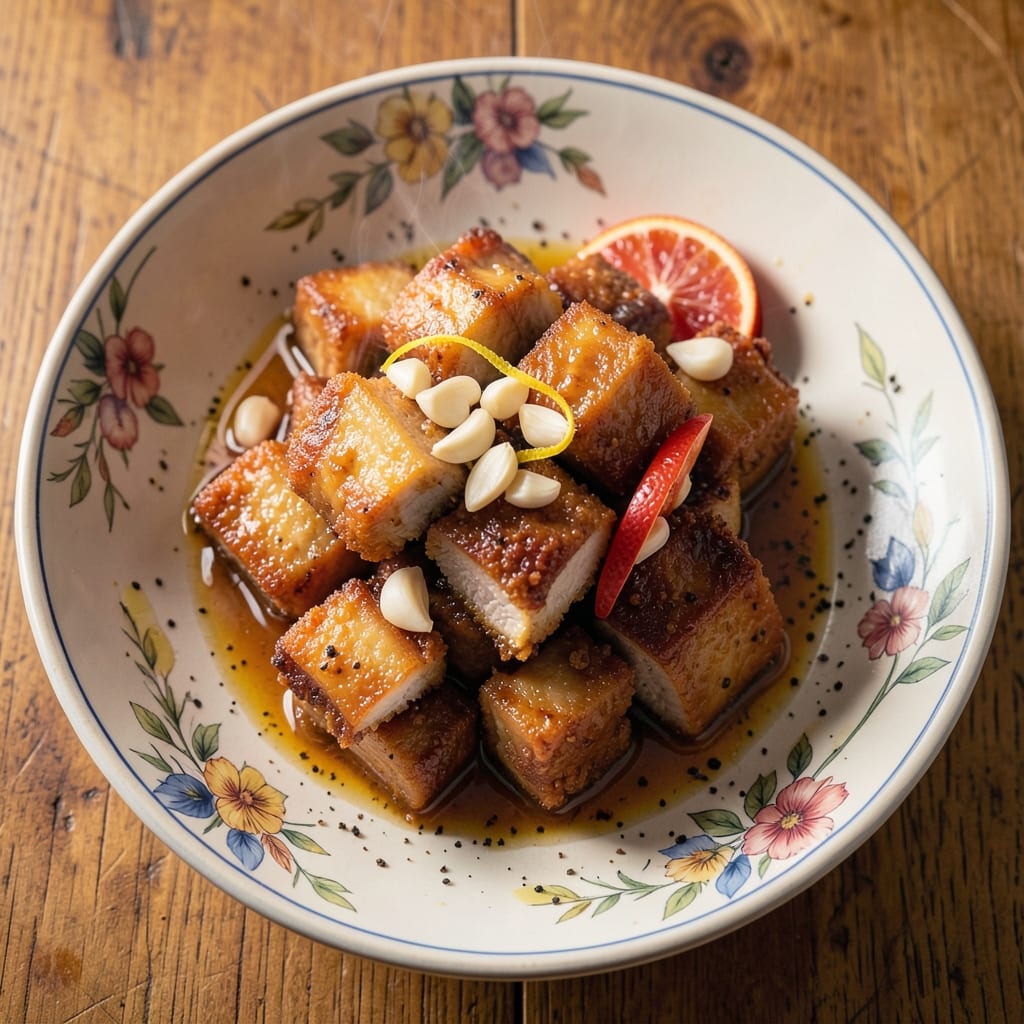
This Filipino fried pork belly recipe delivers the perfect balance of crispy, vinegar-kissed skin and tender, melt-in-your-mouth meat that's been a staple in Filipino homes for generations. The secret lies in a double-frying technique that ensures every bite is both satisfying and nostalgic—just like the lechon kawali you'd find at a local karinderia. What makes this dish truly special is how the pork belly transforms from a simple ingredient into a showstopper, often served with garlic rice and tangy sinigang for a complete meal.
Unlike other fried pork recipes, this one relies on a simple yet effective marinade of soy sauce, calamansi (or lemon juice), and garlic to tenderize the meat before frying. The vinegar-kissed crunch comes from a quick dip in vinegar just before the second fry, which not only adds a bright tang but also locks in moisture for that irresistible texture. This method is foolproof—even if you're new to deep-frying—because the pork belly's natural fat renders beautifully, creating a rich, golden crust.
By the time you're done, you'll have a dish that's crispy on the outside, tender on the inside, and infused with the kind of deep, savory flavor that makes it a centerpiece for any Filipino feast. The aroma alone—smoky, garlicky, and slightly tangy—will have everyone at the table anticipating that first bite. Serve it with steamed rice, a side of atchara (pickled papaya), or a simple green salad to balance the richness.
This recipe is more than just a dish; it's a taste of home, a celebration of Filipino comfort food that's both hearty and satisfying. Whether you're cooking for a family gathering or a quiet weeknight dinner, the result is always the same: a dish that feels like a hug in every bite. Let's get started on creating this classic Filipino favorite.
Ingredients for fried pork belly recipe filipino
Here's what you need to recreate that nostalgic Filipino feast aroma in your kitchen.
| Ingredient | Amount | Notes |
|---|---|---|
| Pork Belly 🥓 | 2 lb | Skin-on, cut into 1-inch cubes |
| Soy Sauce 🍶 | ¼ cup | Dark soy for color depth |
| Calamansi Juice 🍋 | ⅛ cup | Or substitute lemon juice |
| Garlic Cloves 🧄 | 6 cloves | Minced for marinade |
| White Vinegar 🍶 | ¼ cup | For the signature vinegar kiss |
| Canola Oil 🫒 | 3 cups | For double-frying |
| Salt 🧂 | 1 tbsp | Kosher or sea salt |
| Black Pepper 🌶️ | ½ tsp | Freshly ground |
| Sugar 🍚 | 1 tbsp | Balances flavors |
| Green Onions 🧅 | 3 whole | Chopped for garnish |
| Fresh Chili Peppers 🌶️ | 2 whole | Sliced, optional for heat |
| Steamed Rice 🍚 | 2 cups | For serving |
The pork belly is the star, so look for thick-cut pieces with good marbling—that fat is what gives you the crispy skin and tender meat. Filipino markets or Asian grocery stores usually have the best cuts, but your butcher can help too. If you can't find calamansi, lemon juice works just as well—it's the tangy kick that makes this dish special. The double-frying technique is key: first fry to render the fat, then a quick vinegar dip before the final fry for that signature crunch. Don't skip the skin-on part—it's what makes this dish truly special.
No calamansi? Lime juice is another good substitute, though it's slightly less tart. Short on vinegar? White wine or apple cider vinegar will work in a pinch, but the flavor will be a bit different. The sugar balances the saltiness—don't skip it, but if you're watching your sugar intake, reduce to 0.5 tbsp. For the oil, vegetable or peanut oil works too, but canola has a higher smoke point. And if you're feeling adventurous, try adding a pinch of ground white pepper to the marinade for a more authentic touch.
This dish reheats beautifully—just pop it in a 350°F oven for 10-15 minutes to crisp it up again. Store leftovers in the fridge for 3-4 days or freeze for up to 3 months. I always make extra because it's perfect for lunchboxes or impromptu gatherings. The vinegar-kissed pork belly keeps well, so you can prep ahead and fry just before serving. Trust me, the aroma alone will have everyone rushing to the table.
Why You'll Love This Recipe
- One-Pan Magic: I swear by this for lazy nights—the pork belly goes straight from fridge to hot pan, no fancy prep. Just slice, sear, and let the garlic and vinegar work their magic while you toss a quick rice or veggie side.
- Tangy Crunch Perfection: That calamansi juice cuts through the richness like a citrusy hug—bright, sharp, and addictive. The soy-vinegar glaze caramelizes into a sticky, savory crust that’s crispy outside, tender inside. (Yes, even my picky husband licks the plate.)
- Weeknight Crowd-Pleaser: Serve it with steamed rice for a filling meal, or pile it onto bananas for lechon kawali vibes. Honestly, I’ve fed this to friends who think they hate pork belly—they’re always back for seconds.
- Budget Stretch: A single pork belly slab feeds four, and the leftovers reheat beautifully for lunches. Between us? This is my go-to when I need hearty, flavorful food without breaking the bank. (Pro tip: freeze portions for future cravings.)
Step-by-step instructions for Filipino fried pork belly
Here's how to achieve that perfect balance of crispy, caramelized edges and tender, melty pork belly.
Marinate the Pork Belly for Maximum Flavor
In a large bowl, combine the 2 lb pork belly cut into 1-inch cubes, 0.25 cup soy sauce, 0.125 cup calamansi juice, 6 cloves minced garlic, 0.25 cup white vinegar, 1 tbsp sugar, 1 tbsp salt, and 0.5 tsp black pepper. Mix gently but thoroughly to coat every piece of pork belly evenly. The vinegar and calamansi juice will tenderize the meat while adding that signature tangy depth.
Cover the bowl with plastic wrap and refrigerate for at least 4 hours, or ideally overnight. This long marinating time ensures the flavors penetrate deeply and the pork belly stays tender during frying. I like to marinate it overnight—it makes all the difference in the final texture and taste.
Double-Fry for Perfect Crispiness
Heat 1 cup canola oil in a deep skillet or Dutch oven over medium heat until it reaches 325°F. This lower temperature helps render the fat from the pork belly gradually without burning. Gently add the marinated pork belly in batches, making sure not to overcrowd the pan—this ensures even cooking and proper crisping.
Fry the pork belly for 8-10 minutes, turning occasionally, until the internal temperature reaches 160°F. The pork should be tender but not yet fully cooked. This first fry renders the fat and begins the cooking process without over-crisping the skin. Remove the pork belly and set it aside on a wire rack to drain excess fat.
Finish Frying for Maximum Crunch
Increase the heat to medium-high and add the remaining 2 cups canola oil to the skillet. Let the oil heat up until it reaches 375°F—this higher temperature will create that beautiful crispy crust we're after. Return the pork belly to the hot oil and fry for another 5-7 minutes, turning occasionally, until the skin is deep golden brown and crispy.
You'll know it's ready when the pork belly releases easily from the pan and the skin has that perfect crunch. The fat should be bubbling and sizzling vigorously. Remove the pork belly from the oil and transfer it to a paper towel-lined plate to drain any excess oil. The double-frying technique is key—it ensures the pork belly is tender inside with a crispy, caramelized exterior.
Rest and Serve with Steamed Rice
Let the fried pork belly rest for 5-10 minutes before serving. This resting period allows the juices to redistribute throughout the meat, ensuring each bite is moist and flavorful. While it rests, slice the 2 whole fresh chili peppers and 3 whole green onions into thin strips for garnish.
Serve the crispy pork belly over 2 cups steamed rice, garnished with the sliced green onions and chili peppers. The contrast of the crispy pork belly with the soft, warm rice is what makes this dish so satisfying. The vinegar-kissed marinade adds a bright, tangy note that cuts through the richness of the pork belly, creating a perfect balance of flavors.
Pro Tips For Making Fried Pork Belly Recipe Filipino
- CRACK THE SKIN FIRST: I learned this the hard way—skip it, and you’ll spend 20 minutes prying apart stubborn pork belly layers mid-fry. Score the fat cap in a crosshatch every 1.5 inches with a sharp knife, then blanch in boiling water for 3 minutes. The skin will loosen, and your slices will crisp up like they’re supposed to.
- USE FRESH CALAMANSI: Bottled juice won’t cut it here. The sour, bright punch of fresh calamansi is non-negotiable for that classic Filipino tang. If you can’t find it, sub lime juice—but add a pinch of sugar to mimic the fruit’s natural balance. Trust me, your sauce will taste flat otherwise.
- DON’T OVERCROWD THE PAN: I used to dump all the pork belly in at once, thinking it’d cook faster. Wrong. You’ll steam the meat instead of searing it, and the fat will turn greasy. Fry in batches—about 3 slices at a time—so the oil stays hot enough to render the fat properly and get that golden crust.
- SAVE THE FRIED FAT: That golden pork fat dripping in the pan? Don’t toss it. Strain it into a jar and store it in the fridge. It’s liquid gold for future stir-fries or even drizzling over rice. I keep a small jar in my fridge just for this—it makes everything taste richer with almost no effort.
Storing and reheating this recipe
Fridge Storage Tips
Store your fried pork belly in an airtight container with a paper towel on top to absorb any excess moisture—this keeps it crispy for up to 4 days in the fridge. I like to portion it into smaller containers so I can reheat just what I need. The vinegar marinade actually helps preserve the texture better than plain oil-fried cuts, so you won’t lose that signature crunch. 🥓
Freezer Prep
For longer storage, freeze the pork belly in a single layer on a tray first to prevent sticking, then transfer to a freezer bag with all the air squeezed out. It’ll keep for 3 months without losing its texture. When ready to eat, thaw overnight in the fridge—never at room temperature. The fat stays firm in the freezer, so you won’t get soggy pieces when reheating. ❄️
Oven Reheating
My favorite way to revive the crispiness is by reheating at 350°F for 10-15 minutes on a wire rack set over a baking sheet. The rack lets hot air circulate around the pork belly, preventing sogginess. Spritz it lightly with 1 tsp oil before reheating to help restore that golden crust. For extra flavor, add a splash of soy sauce or vinegar to the baking sheet. 🔥
Air Fryer Hack
If you’re short on time, an air fryer at 375°F for 5-7 minutes works surprisingly well. Shake the basket halfway through to ensure even browning. The air fryer cuts reheating time in half while keeping the pork belly crispy. Just avoid overcrowding—the pieces need space to crisp up properly. 💡
Leftovers Reinvention
Use leftover pork belly in lunchboxes with steamed rice or chop it into fried rice for a quick meal. The crispy bits add amazing texture to noodle dishes too. I also love tossing it with garlic rice and a fried egg for a Filipino-style breakfast. The flavors only get better the next day! 🍚
Safety Reminder
Always reheat pork belly to an internal temperature of 165°F to kill any bacteria. Use a meat thermometer for accuracy—this is especially important if you’re reheating from frozen. The double-frying process already cooks the meat thoroughly, but reheating properly ensures food safety. Never leave it sitting out for more than 2 hours. 💪
Nutrition facts
Frequently asked questions
Why does Filipino fried pork belly need double-frying?
The double-frying technique is essential for that signature texture! The first fry at 325°F gently renders the fat and cooks the meat slowly, while the second fry at 375°F creates the crispy, caramelized skin. This two-step process ensures tender meat with a perfect crunch—just like the crispy lechon kawali you'd find in Filipino carinderias.
Can I use regular pork belly instead of skin-on?
While you can use boneless pork belly, the skin is what gives this dish its iconic texture and flavor. The skin crisps up beautifully and adds a satisfying crunch. If you must use boneless, look for well-marbled cuts—this fat is what keeps the meat tender and juicy during frying. The skin also helps the pork hold its shape better when frying.
What's the best way to substitute calamansi?
If you can't find calamansi, use a mix of lemon juice and a pinch of salt (about 0.1 cup lemon juice + 0.5 tsp salt) to mimic its bright tang. For extra authenticity, add a splash of vinegar to the marinade—this helps tenderize the meat and adds that signature Filipino tang. Lime juice works too, but it's slightly less tart.
How do I know when the pork belly is fully cooked?
Use a meat thermometer to check the internal temperature—it should reach 160°F after the first fry. The pork will be tender but not quite firm. After the second fry, the skin should be deep golden brown and crispy. If you don't have a thermometer, cut into a small piece—the meat should be opaque with no pink, and the juices should run clear.
Can I make this recipe in an air fryer?
While the air fryer won't give you the same deep-fried texture, you can still achieve great results! Cook the marinated pork belly in batches at 375°F for 12-15 minutes, shaking halfway through. For extra crispiness, spray with a little oil before air frying. The result won't be as crispy as deep-frying, but it's a great lighter alternative.