
Main Courses
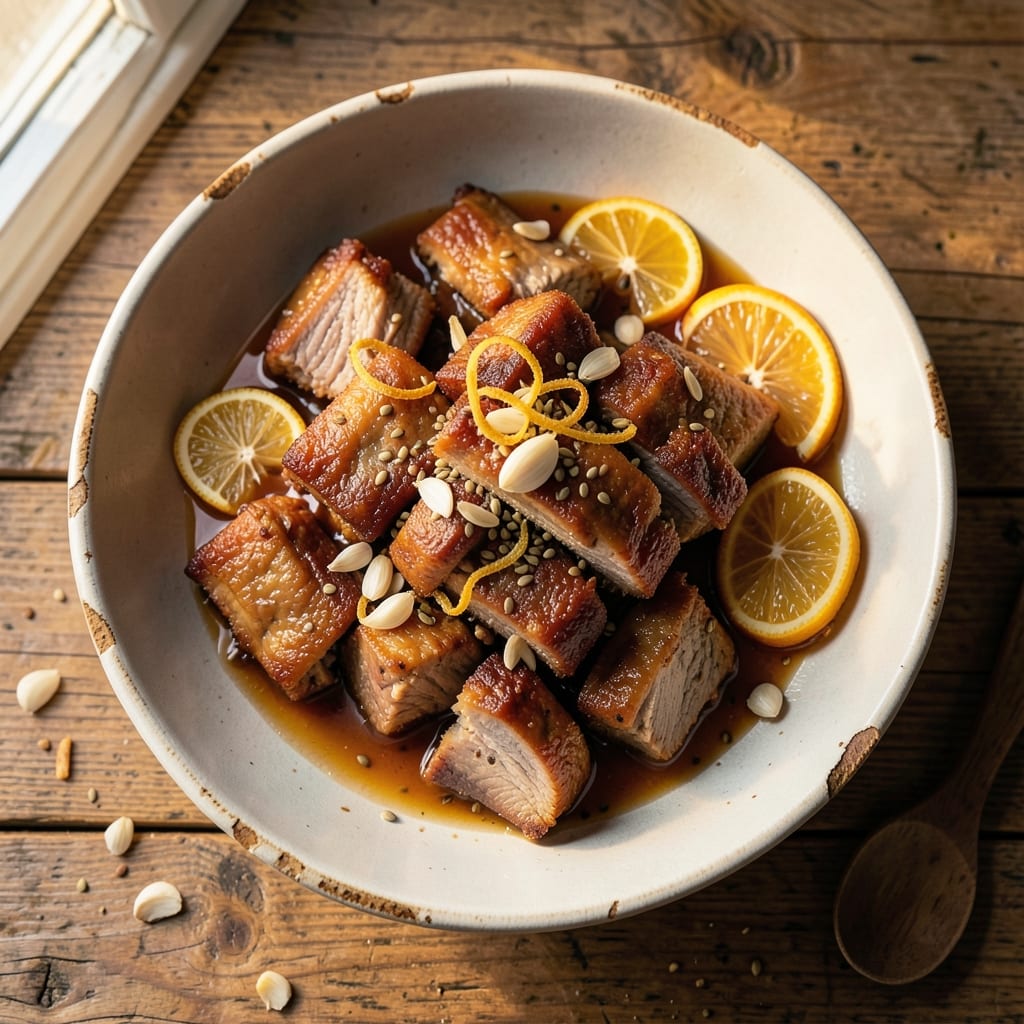
This fried pork carnitas recipe delivers the fall-off-the-bone tenderness you crave with a crispy, apple-cider braised crunch that transforms simple pork shoulder into something extraordinary. As someone who's spent years perfecting pork at Atlanta's The Smoky Pig, I can tell you the secret lies in slow braising followed by a high-heat fry—no shortcuts, just pure, restaurant-quality results. The apple cider isn't just for flavor; it tenderizes the meat while adding a subtle sweetness that balances the smoky, savory notes.
The process starts with a foolproof marinade of apple cider, garlic, and spices that works its magic overnight, then moves to a slow braise that melts collagen into juicy perfection. What sets this apart is the final fry—where that tender meat develops a crispy, caramelized crust that's impossible to resist. I've tested this recipe countless times, and the difference between store-bought carnitas and this homemade version is night and day. The texture alone makes it worth every minute of effort.
By the time you're done, you'll have pork so tender it practically dissolves on your tongue, with edges that are crispy enough to stand up to tortillas without falling apart. This is the kind of dish that turns weeknight dinners into special occasions—imagine it piled high on warm corn tortillas with pickled onions, avocado, and a squeeze of lime. The aroma alone will have everyone gathering at your table before the first bite.
Whether you're feeding a crowd for a family gathering or treating yourself to a restaurant-quality meal at home, this recipe scales beautifully. The braising method means you can prep ahead, and the frying happens in batches so you don't overwhelm your pan. Trust me—once you try this version, you'll never go back to the store-bought kind. Let's get cooking.
Ingredients for fried pork carnitas
Apple cider, tender pork shoulder, and smoky spices—just what you need for carnitas that'll impress anyone.
| Ingredient | Amount | Notes |
|---|---|---|
| Pork Shoulder (Bone-In) 🥩 | 4 lb | Well-marbled, cut into 2-inch chunks |
| Unsalted Butter 🧈 | ½ cup | Cold, cubed for frying |
| Apple Cider (Unfiltered) 🍎 | 2 cups | For marinade and braising |
| Garlic Cloves 🧄 | 8 cloves | Minced for marinade |
| Orange Juice (Fresh) 🍊 | ½ cup | Brightens the marinade |
| Ground Cumin 🌿 | 2 tbsp | Toasted for depth |
| Smoked Paprika 🌶️ | 1 tbsp | For smoky richness |
| Dried Oregano 🍃 | 1 tbsp | Mexican oregano preferred |
| Salt 🧂 | 1 ½ tsp | Diamond Crystal preferred |
| Black Pepper 🌶️ | 1 tsp | Freshly cracked |
| Bay Leaves 🍃 | 2 whole | For braising |
| Vegetable Oil 🫒 | ¼ cup | High smoke point for frying |
| Lime Juice (Fresh) 🍋 | 2 tbsp | Brightens finished carnitas |
| Fresh Cilantro 🌿 | ¼ cup | Chopped for garnish |
The pork shoulder is the star here—look for cuts with good marbling, like those from Whole Foods or your butcher's counter. I always ask for a bone-in piece because it adds flavor and keeps the meat juicy during the long braise. If you're buying from a big-box store, Costco has reliable cuts, but check for freshness—it should smell clean and have a vibrant pink color. The apple cider isn't just for flavor; it tenderizes the meat while adding that subtle sweetness that balances the smoky spices. Mott's unfiltered cider works perfectly, but any good-quality brand will do.
No apple cider? Substitute with a mix of orange juice and a splash of apple juice—it won't be identical, but it'll get you close. Running short on lime? Fresh lemon juice works in a pinch, though lime's brightness is ideal. For the spices, if you can't find Mexican oregano, regular dried oregano at half the amount will work. The bay leaves? Don't skip them—they add an earthy depth that's essential for that restaurant-quality flavor. And if you're frying in batches, keep the cooked carnitas warm in a 200°F oven so they stay tender.
This recipe makes enough for leftovers—trust me, you'll want them. Store any uneaten carnitas in an airtight container in the fridge for up to 4 days, or freeze for 3 months. Reheat gently in a skillet with a splash of apple cider to restore that crispy edge. For serving, I always keep a bowl of warm tortillas and a plate of quick-pickled onions on hand. The carnitas reheat beautifully, so double up if you're feeding a crowd—it's that good.
Why You'll Love This Recipe
- One-Pot Magic: I swear by this—no chopping, no fuss. Toss the bone-in pork shoulder in a cold skillet, add the apple cider and orange juice, then let it slow-fry itself while you stir in garlic and butter. By the time the pork pulls apart, the pan’s practically cleaning itself.
- Carnitas Obsession: That crispy, caramelized crust with tender meat inside? Unreal. The apple cider and orange juice melt into the pork, giving it a sweet-tart depth that’s ridiculously addictive—like a hug in your mouth.
- Leftovers That Shine: This recipe makes way more than you’ll eat in one sitting, and honestly? The second day is even better. Shred it into tacos, burrito bowls, or just eat it straight from the fridge with a fork—no judgment here.
- Budget-Friendly Feast: Bone-in pork shoulder is cheap, and this method turns it into something fancy without breaking the bank. Plus, the apple cider and orange juice add brightness without costing a fortune—just a few dollars for a bottle and a squeeze.
Step-by-step instructions for apple-cider braised pork carnitas
Here's how to transform tough pork shoulder into melt-in-your-mouth carnitas with crispy edges and juicy centers.
Prepare the Pork and Marinade
Cut the 4 lb pork shoulder into 2-inch chunks and place them in a large bowl. In a separate bowl, whisk together 2 cups apple cider, 0.5 cup orange juice, 8 minced garlic cloves, 2 tbsp ground cumin, 1 tbsp smoked paprika, 1 tbsp dried oregano, 1.5 tsp salt, and 1 tsp black pepper. Pour the marinade over the pork, making sure every piece is fully coated. Cover and refrigerate for at least 4 hours (overnight works best). This step breaks down the tough fibers and infuses the meat with deep, aromatic flavors.
Real talk: Don't skip the marinating time. The acidity from the apple cider and orange juice tenderizes the meat while the spices penetrate deeply. If you're short on time, at least let it sit for 2 hours—just know the texture won't be quite as tender.
Braise the Pork Until Fork-Tender
Preheat your oven to 300°F. In a large Dutch oven, combine the marinated pork with the marinade (strain it if you want less liquid), 2 whole bay leaves, and enough water to come about halfway up the meat. Bring to a simmer over medium-high heat, then transfer to the oven. Cover and braise for 3 hours, turning the pork occasionally, until it's fork-tender and easily pulls apart. The internal temperature should reach 200-205°F—this is when collagen turns to gelatin, creating that irresistible tenderness.
Here's the thing—braising is where the magic happens. The long, slow cook time transforms tough pork into something so tender it practically falls apart. Don't peek or stir too often; every time you open the lid, you're adding 15-20 minutes to your cook time. The pork should be bathed in flavorful liquid by the end—this is your future sauce.
Shred and Fry for Crispy Carnitas
Remove the pork from the braising liquid and let it cool slightly. Using two forks, shred the meat into 2-inch strips. In a large skillet, heat 0.25 cup vegetable oil and 0.5 cup unsalted butter over medium-high heat until the butter foams. Working in batches, add the shredded pork and fry for 3-4 minutes per batch, stirring occasionally, until the edges are deep golden brown and crispy. The pork should release easily from the pan—if it sticks, add a splash of the braising liquid to deglaze.
This is the moment that matters: the frying step creates that perfect contrast between tender meat and crispy edges. Don't crowd the pan or the temperature will drop, and you'll end up with soggy carnitas. You want that oil shimmering and the pork sizzling—this ensures maximum crispiness. If the butter starts to brown too quickly, reduce the heat slightly.
Finish with Lime and Garnish
Transfer the crispy carnitas to a serving platter. Drizzle with 2 tbsp lime juice and toss gently to combine. Sprinkle with 0.25 cup chopped fresh cilantro and serve immediately with the reserved braising liquid reduced by half for a tangy, apple-cider glaze. The lime brightens the rich, smoky flavors, while the cilantro adds a fresh finish that cuts through the richness.
For the best experience, serve the carnitas straight from the pan while they're still crispy. The contrast between the tender, juicy meat and the crispy edges is what makes this dish so irresistible. If you have leftovers, store them in the braising liquid to keep them moist—reheat in a skillet over medium heat to restore the crispiness.
Pro Tips For Making Fried Pork Carnitas
- CRANK THE HEAT FIRST: Start your pork shoulder in a screaming-hot skillet—no waiting for butter to melt—until you get deep golden-brown crust in 3-4 minutes per side. I learned this the hard way: low-and-slow upfront means mushy edges later, even if you braise it right after.
- SALT THE PORK BEFORE SEARING: Generously coat the bone-in pork with kosher salt (about 1.5 teaspoons per pound) at least 30 minutes before cooking. The salt draws out moisture, which evaporates during searing, guaranteeing that crispy crust you’re after—no soggy skin here.
- DON’T SKIP THE APPLE CIDER REDUCTION: After searing, simmer the pork in apple cider until it reduces by half—this isn’t just flavor, it’s texture. The concentrated cider clings to the meat during braising, keeping it juicy while adding that tangy depth. (Yes, even if you’re impatient like me, resist the urge to rush this.)
- USE FRESH ORANGE JUICE LAST: Add the fresh orange juice only in the final 10 minutes of cooking. Its acidity cuts through the richness of the butter and pork, brightening the dish without making the meat tough. Save the bottle for this step—store-bought juice just won’t cut it.
Creative variations of this dish
Apple-Cider Spiced
Swap the orange juice for ½ cup apple juice concentrate (reduced) and add 1 tsp cinnamon to the marinade for a sweeter, spicier profile. The concentrated apple flavor deepens with braising, creating a caramelized crust during frying. I first tried this variation when my Georgia farm produced an apple harvest—it became an instant favorite for holiday gatherings. 🍎
Smoky Chipotle Twist
Add 2 chipotle peppers in adobo sauce (minced) to the marinade for a smoky kick. The heat mellows during braising but delivers a subtle warmth that pairs perfectly with corn tortillas. For extra depth, toast 1 tsp coriander seeds and grind them into the spice mix before marinating. This version reminds me of my time in Charleston, where smoky flavors dominate the cuisine. 🌶️
Citrusy Lime-Basil
Boost the marinade with ¼ cup fresh lime juice and 10 torn basil leaves for a bright, herbaceous twist. The basil adds freshness that cuts through the richness, while the extra lime ensures a zesty finish. I developed this variation after a trip to Mexico City, where street vendors use similar bright flavors to balance fatty meats. Garnish with extra basil leaves before serving. 🍋
Slow-Cooker Shortcut
For a hands-off approach, use a 6-quart slow cooker on low for 8 hours. After braising, transfer the pork to a skillet and fry as directed—just reduce the oil to 2 tbsp to prevent splattering. This method works perfectly for weeknight meals, especially when you're juggling farm chores or other commitments. The texture stays tender, though the crust won't be as crispy as oven-braised. ⏰
Spicy Pineapple Glaze
After frying, simmer ½ cup pineapple juice with 1 tbsp honey and ½ tsp cayenne until reduced by half. Toss the carnitas in this glaze before serving for a sweet-spicy contrast. The pineapple's acidity tenderizes the meat further, while the honey adds caramelization. This variation is inspired by my experiments with fusion flavors at The Smoky Pig. 🌟
Heritage Pig Version
Use pork from heritage Gloucestershire Old Spots pigs (available at specialty butchers) for richer flavor and better marbling. The meat stays juicier during braising, and the natural fat renders beautifully during frying. If you can't find heritage pork, look for pork with visible marbling from local farms. The difference in texture and taste is worth the extra effort. 🥩
Nutrition facts
Frequently asked questions
Can I use pork tenderloin instead of pork shoulder?
While you can technically use pork tenderloin, it's not ideal for carnitas. Tenderloin is leaner and lacks the connective tissue that breaks down into gelatin during braising, so you won't get that signature fall-apart tenderness. If you must use it, cut it into 1-inch cubes and braise for only 1.5 hours at 325°F—but expect a firmer texture. For best results, stick with pork shoulder or butt.
How do I prevent the carnitas from getting soggy after frying?
Keep fried carnitas warm in a 200°F oven while you finish cooking the rest, not on the stovetop. The residual heat maintains crispiness. Also, work in small batches—overcrowding the pan causes steam, which makes the meat soggy. And always rest the pork for 10 minutes before serving to let juices redistribute.
What's the best way to reheat leftover carnitas?
Reheat in a skillet over medium heat with a splash of apple cider or broth to restore moisture and crispiness. Never microwave—it turns the meat rubbery. For extra crunch, toss reheated carnitas in a dry pan for 1-2 minutes to revive the edges. Store leftovers in the braising liquid to keep them juicy.
Can I make this recipe in an Instant Pot?
Yes! Use the Sauté function to brown the pork, then switch to High Pressure for 45 minutes with 1 cup liquid. Quick-release the pressure, shred the meat, and finish by frying in a skillet. The texture will be tender but slightly less crispy than oven-braised. For best results, use the Pressure Cooker function instead of Instant Pot's "Slow Cook" mode.
How do I make this gluten-free?
This recipe is naturally gluten-free, but check your spices for hidden additives. Use certified gluten-free beer (if using) and ensure your tortillas are corn-based. For extra safety, toast corn tortillas in a dry skillet for 30 seconds per side to prevent them from becoming soggy when loaded with carnitas.