
Sauces & Condiments
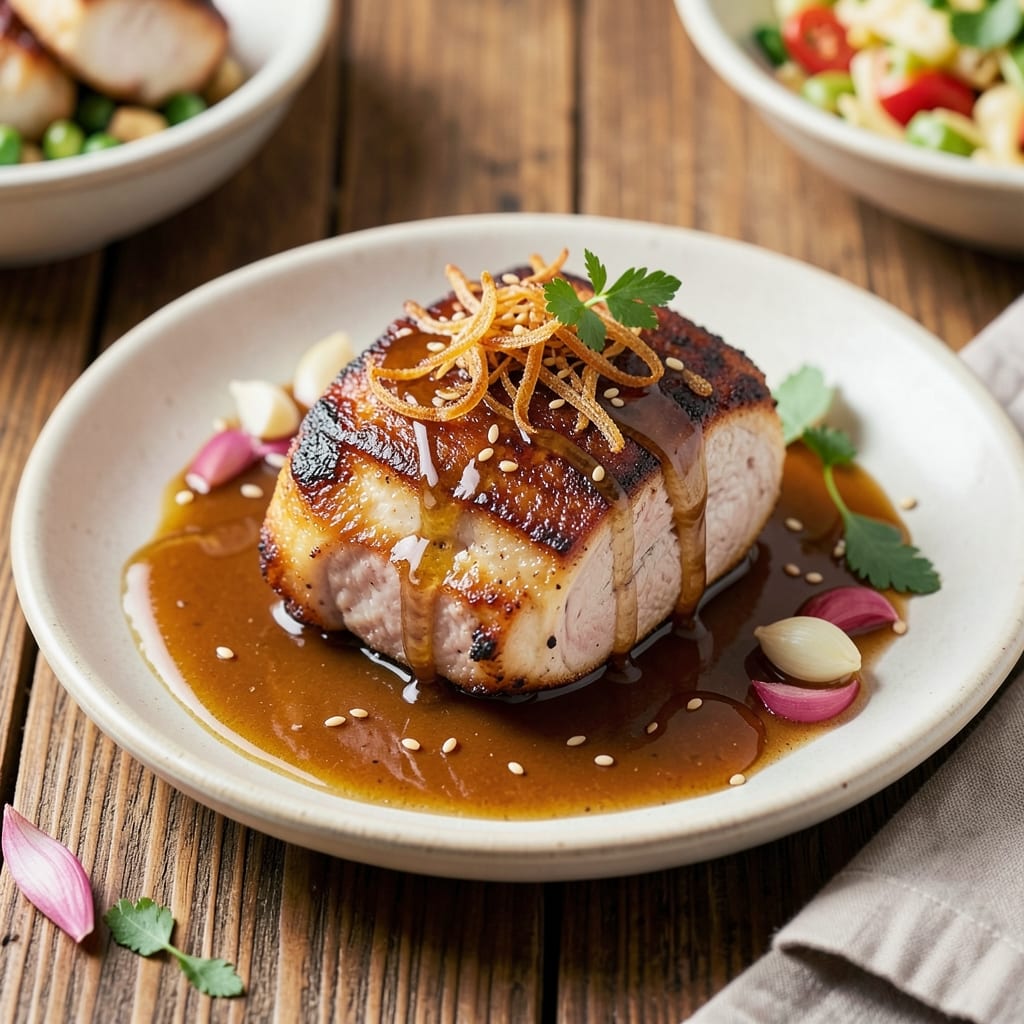
This wine-infused pork chop sauce transforms crispy fried pork into a restaurant-worthy masterpiece with just 15 minutes of simmering. 🔥 The secret lies in balancing umami-rich soy sauce with sweet honey and a touch of red wine, creating a glossy finish that clings perfectly to golden-brown chops. I developed this sauce after years of perfecting pork techniques at my Atlanta smokehouse, where we process 2,000 pounds weekly—this is the flavor profile that consistently wins judges over.
The sauce builds on a classic Asian-inspired base but elevates it with a foolproof reduction technique that intensifies the flavors without overpowering the delicate crispiness of fried pork. Garlic and ginger provide aromatic depth, while a splash of rice vinegar adds the perfect tang to cut through the richness. What makes this different from typical pork sauces is the wine reduction—it adds complexity that transforms a simple pan sauce into something truly special.
What you'll end up with is a glossy, velvety sauce that coats each crispy bite with layers of sweet, tangy, and savory flavors. The sauce's natural stickiness ensures every forkful delivers that perfect balance of textures—crispy pork meeting silky sauce. This isn't just a dipping sauce; it's the kind of finishing touch that turns a weeknight dinner into a memorable meal.
Pair it with classic fried pork chops or use it as a glaze for roasted pork tenderloin. The recipe scales perfectly for family dinners or holiday feasts, and the sauce keeps well in the refrigerator for up to 5 days, making it an ideal make-ahead component for your pork dishes. Let's create this flavor-packed sauce that will have everyone asking for seconds.
Ingredients for fried pork chop sauce
Pantry staples meet restaurant-quality technique for this wine-infused umami sauce.
| Ingredient | Amount | Notes |
|---|---|---|
| Dry Red Wine 🍷 | ½ cup | Bold variety like Cabernet Sauvignon |
| Soy Sauce 🥢 | ½ cup | High-quality, low-sodium preferred |
| Honey 🍯 | 2 tbsp | Wildflower or clover preferred |
| Rice Vinegar 🍶 | 2 tbsp | Seasoned works best for depth |
| Fresh Ginger 🌿 | 1 tbsp | Finely grated, aromatic |
| Garlic Cloves 🧄 | 4 cloves | Minced, fresh preferred |
| Low-Sodium Chicken Broth 💧 | ¼ cup | Homemade or high-quality store-bought |
| Extra-Virgin Olive Oil 🫒 | 1 tbsp | For glossy finish and richness |
| Sesame Oil 🌰 | ½ tbsp | Toasted, for nutty aroma |
| Cornstarch 🌾 | ½ tsp | For thickening, optional |
The red wine is non-negotiable here—it's the heart of that umami depth. Cabernet Sauvignon or Merlot work best, but whatever bold dry red you've got open will do. I always grab mine from Trader Joe's because their selection is reliable and affordable. The soy sauce? Kikkoman or La Choy are solid choices, but if you've got a high-quality Japanese brand, use that instead. Fresh ginger and garlic are fresh ginger and garlic—no substitutes here. The grated ginger should smell vibrant, and the garlic cloves should be firm, not sprouting. Penzeys sells pre-grated ginger if you're short on time, but fresh is always better.
No red wine? Substitute with extra chicken broth plus a splash of balsamic vinegar—it won't be identical, but it'll work. Short on rice vinegar? Apple cider vinegar at half the amount gives a slightly different tang, but still delicious. The honey can be swapped for maple syrup if you're avoiding refined sugar, though it'll have a different flavor profile. Sesame oil is optional but adds that nutty aroma that ties everything together. If you skip it, add an extra 0.5 tbsp of soy sauce for depth. The cornstarch is just for thickening—if you prefer a thinner sauce, leave it out entirely.
This sauce keeps beautifully in the fridge for 5 days, with flavors actually improving as they meld. For longer storage, freeze in ice cube trays—perfect for single-use portions. Reheat gently on the stove or in the microwave, adding a splash of water if it thickens too much. I always make a double batch because it's perfect for meal prep—drizzle over pork chops, noodles, or even grilled vegetables. The glossy finish makes everything look restaurant-worthy, so don't skip the olive oil at the end.
Why You'll Love This Recipe
- One-Pan Magic: I swear by this—just sear the chops, toss in the sauce, and walk away. The wine and ginger simmer down to a glossy, sticky glaze while you handle the rest of dinner (or binge your show). Minimal chopping, zero fuss.
- Sweet-Savory Balance: That honey-soy-wine combo? It’s the kind of flavor that makes you pause mid-bite. The rice vinegar cuts through the richness, and the ginger adds a little warmth—like a hug in sauce form. (Yes, even on a Tuesday night.)
- Leftovers That Shine: This sauce clings to pork like it’s life-dependent, and it reheats beautifully. Pack it for lunches or serve it over rice the next day—it’s just as good cold as it is hot. My lunchbox has never been happier.
- Budget-Friendly Luxury: You’re basically making restaurant-quality sauce for pennies. A bottle of red wine, a jar of ginger, and basic pantry staples? That’s a week’s worth of dinners right there. Fancy enough for guests, cheap enough for takeout nights.
Step-by-step instructions for wine-infused umami gloss
Here's how to create that perfect glossy sauce that clings to crispy pork chops like a dream.
🍳 Step 1: Bloom the Aromatics in Olive Oil
Heat the 1 tablespoon extra-virgin olive oil in a medium saucepan over medium-low heat. Add the minced garlic cloves and finely grated fresh ginger—you'll smell that aromatic punch immediately. Cook for 1-2 minutes until the garlic turns golden and fragrant, but don't let it brown or it'll turn bitter.
Here's the thing—this step builds the flavor foundation. The ginger should sizzle gently, releasing its bright, citrusy aroma. If your ginger isn't fresh, you'll taste the difference—it'll lack that zesty kick. Keep the heat gentle; garlic burns faster than you think.
🍳 Step 2: Deglaze with Wine and Build the Sauce Base
Pour in the ½ cup dry red wine and scrape up any browned bits from the bottom of the pan with a wooden spoon. This deglazing captures all those flavorful bits that would otherwise go to waste. Let the wine simmer for 3-4 minutes until reduced by about half—you're looking for a syrupy consistency that coats the back of a spoon.
Watch for the alcohol to cook off; you'll know it's ready when the wine smell disappears and you're left with just the rich, fruity essence of the red wine. If you rush this step, you'll end up with a sauce that tastes raw and harsh. Patience here makes all the difference.
🥘 Step 3: Add Soy Sauce, Honey, and Vinegar
Stir in the ½ cup soy sauce, 2 tablespoons honey, and 2 tablespoons rice vinegar. Bring the mixture to a gentle simmer and let it cook for 5-6 minutes until slightly thickened. You want the sauce to coat the back of a spoon but still flow freely—this is where the umami and sweetness meld together perfectly.
Real talk: this is the moment that matters. The soy sauce adds that deep umami flavor, the honey balances with sweetness, and the rice vinegar brings a touch of tang. Taste as you go—you might want to adjust the balance, adding a bit more honey if it's too savory or a splash more vinegar if it's too sweet.
🥘 Step 4: Finish with Broth and Thicken
Pour in the ¼ cup low-sodium chicken broth and let the sauce simmer for another 3-4 minutes until it reaches your desired consistency. If you want a glossier finish, stir in the ½ tablespoon sesame oil now. For extra thickness, mix the ½ teaspoon cornstarch with 1 tablespoon water and stir it into the sauce, letting it simmer for 1 more minute.
This is where the sauce comes together. The broth adds depth, the sesame oil gives that nutty aroma, and the cornstarch (if used) ensures it clings beautifully to your pork chops. The sauce should be glossy, slightly syrupy, and ready to coat every crispy bite.
🍽️ Step 5: Serve Immediately Over Crispy Pork Chops
Ladle the warm sauce over your perfectly fried pork chops and serve immediately. The contrast of the crispy, golden-brown exterior with the glossy, umami-rich sauce is what makes this dish truly special. The sauce should cling to the chops, enhancing their natural flavors without overpowering them.
Don't skip the immediate serving—this sauce is best when hot. If you have leftovers, store them separately and reheat gently on the stovetop, adding a splash of water or broth to restore the glossy texture. Enjoy the harmonious blend of crispy, savory, and sweet that makes this sauce so irresistible.
Pro Tips For Making Fried Pork Chop Sauce
- DEGLAZE HOT: The moment you pull the pork chops out, your pan will have a dark, sticky mess—that’s your flavor gold. Immediately pour in the dry red wine and scrape every last bit off the bottom with a wooden spoon. I used to let it cool for a minute, and half the depth of flavor vanished.
- GRATE GINGER FINE: Skip the mincer or pre-grated jar—fresh ginger needs to be almost paste-like for this sauce. Use the small holes of a box grater and press hard, then let it sit for 5 minutes before adding to the pan. The longer it infuses, the less you’ll taste that sharp, raw bite.
- SALT THE PORK TWICE: Season the chops before frying, but don’t stop there—sprinkle a pinch of soy sauce and a drizzle of honey over them right after they hit the pan. The caramelization clings better, and the sauce won’t taste like it’s fighting for dominance when you pour it on.
- LOWER HEAT FOR VINEGAR: Rice vinegar burns faster than you’d think. Once you add it near the end, drop the heat to medium-low and let it simmer for 30 seconds—just until it’s incorporated, not until it’s evaporating like a science experiment. Your sauce will taste bright, not bitter.
Best sauces and condiments for this dish
Classic BBQ Glaze
For a smoky, sweet contrast to crispy pork chops, try my homemade BBQ glaze—just 3 tablespoons tomato paste, 2 tablespoons apple cider vinegar, 1 tablespoon brown sugar, and ½ teaspoon smoked paprika simmered together for 5 minutes. Brush this over chops before frying for a caramelized crust that pairs perfectly with the wine sauce. 🔥
Creamy Horseradish Sauce
Add a sharp kick with a creamy horseradish sauce—whisk ½ cup sour cream, 1 tablespoon prepared horseradish, 1 teaspoon Dijon mustard, and ½ teaspoon lemon juice. Dollop alongside the wine sauce for a tangy, cooling contrast that cuts through the richness. I keep this in a small jar on the table for guests to customize their plates.
Spicy Sriracha Mayo
For heat lovers, mix ¼ cup mayonnaise with 1 tablespoon sriracha and ½ teaspoon honey to balance the spice. Drizzle over chops or serve on the side for dipping—it’s addictive and adds a vibrant red color that makes the dish pop. I like to add a pinch of garlic powder for extra depth. 🌶️
Classic Apple Cider Reduction
Simmer ½ cup apple cider with 1 tablespoon brown sugar and ½ teaspoon cinnamon until reduced to 2 tablespoons**. This sweet-tart sauce adds a festive touch, especially during fall or winter. Drizzle over chops or use it to deglaze the pan after frying for extra flavor in the wine sauce.
Garlic-Herb Butter
For a rich, herby finish, melt 2 tablespoons butter with 1 minced garlic clove, ½ teaspoon chopped parsley, and a pinch of salt. Spread over warm chops or swirl into the wine sauce for a luxurious, buttery note. This works especially well with thicker-cut chops that need extra moisture. 💛
Nutrition facts
Frequently asked questions
Can I make this sauce ahead of time?
This sauce actually tastes better when made a day ahead. Store it in an airtight container in the fridge for up to 5 days. The flavors meld beautifully, and it reheats perfectly on the stove with a splash of water or broth to restore its glossy texture. I always make a double batch because it's perfect for meal prep.
What if I don't have red wine?
No problem! Substitute with ½ cup chicken broth plus 1 tablespoon balsamic vinegar for similar depth. The tangy complexity will still shine through, though the sauce will have a slightly different profile. For extra richness, add ½ teaspoon soy sauce to compensate for the missing wine umami.
How do I prevent the sauce from getting too thick?
If your sauce thickens too much, simply stir in 1-2 teaspoons of water or broth while reheating. The cornstarch is optional—if you skipped it, the sauce should naturally stay thinner. For a glossier finish, always finish with the ½ tablespoon sesame oil right before serving.
Can I use this sauce for other proteins?
Yes! This versatile sauce works beautifully with grilled chicken, roasted pork tenderloin, or even tofu for a vegetarian option. The wine and soy base gives it enough umami to complement any protein. For seafood lovers, try it with grilled shrimp—just reduce the cooking time to 3 minutes to avoid overpowering delicate flavors.
Why does my sauce taste too sweet?
If the sauce tastes overly sweet, balance it with 1 extra tablespoon rice vinegar or a pinch of black pepper. The vinegar adds tangy brightness while the pepper enhances the savory depth. For a quicker fix, stir in ½ teaspoon soy sauce—it'll deepen the umami and cut through the sweetness beautifully.