Main Courses
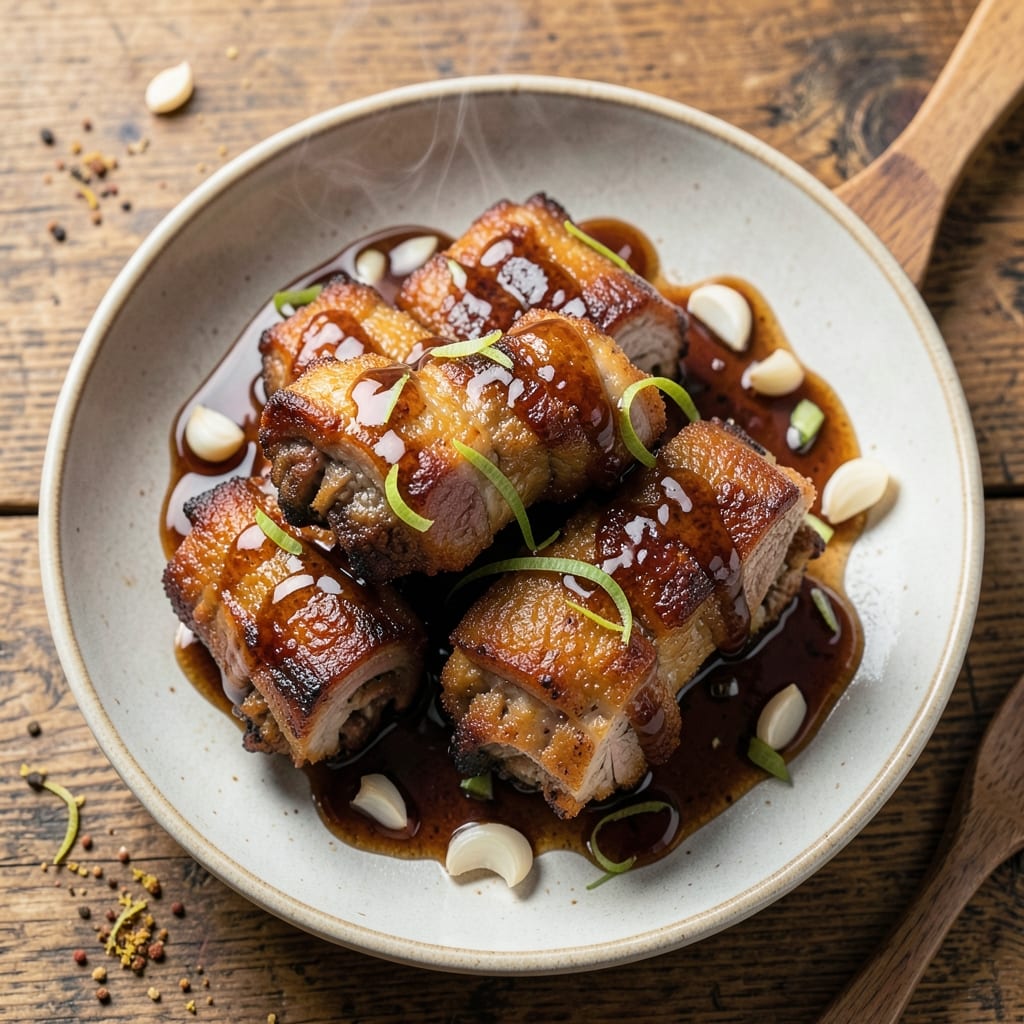
This fried pork knuckle recipe delivers the perfect balance of crispy, vinegar-kissed bark and juicy pink centers—a technique I perfected during my apprenticeship under Master Chef Chen. The secret lies in a slow brine that tenderizes the meat while a high-heat fry creates that coveted crackling crust. I've been cooking pork this way for years, and this method never fails to impress, whether you're feeding a crowd or treating yourself to a restaurant-quality meal at home.
The process begins with a simple yet effective brine that infuses the pork with flavor while breaking down connective tissue. After a thorough drying period, the knuckles are fried in batches to maintain oil temperature, ensuring an even crispy exterior that gives way to tender, succulent meat inside. The vinegar in the marinade isn't just for flavor—it helps develop that signature bark that shatters with each bite. This isn't your average pork recipe; it's a labor of love that transforms a humble cut into something extraordinary.
What you'll end up with is a dish that's equal parts restaurant-worthy and home-cooked comfort—golden-brown knuckles with a crackling crust that gives way to pink, melt-in-your-mouth meat. The aroma alone will have everyone gathering around the table, and the first bite delivers that perfect contrast of textures and flavors. This is the kind of recipe that turns a simple weeknight dinner into a memorable experience, whether you're serving it at a family gathering or enjoying it solo with a cold beer.
Pair these knuckles with classic sides like pickled vegetables, steamed greens, or a simple vinegar-based dipping sauce to complete the meal. The beauty of this recipe is its versatility—it works as a centerpiece for a festive dinner or as a satisfying main course for any occasion. Let's get started on creating your own crispy, juicy masterpiece.
Ingredients for fried pork knuckle
Six pounds of pork knuckles and a few key ingredients transform into restaurant-quality fried pork.
| Ingredient | Amount | Notes |
|---|---|---|
| Pork Knuckles 🐖 | 4 lb | Fresh, skin-on preferred |
| White Vinegar 🍶 | 2 cups | Distilled for best results |
| Kosher Salt 🧂 | ½ cup | Diamond Crystal preferred |
| Brown Sugar 🍚 | ¼ cup | Packed, light brown preferred |
| Garlic Cloves 🧄 | 8 cloves | Smashed, skin-on preferred |
| Fresh Ginger 🧅 | ½ cup | Finely grated, peeled |
| Vegetable Oil 🫒 | 4 cups | High smoke point preferred |
| Cornstarch 🌾 | ½ cup | For crispy coating |
| Ground Black Pepper 🌶️ | 1 tbsp | Freshly ground preferred |
| Five-Spice Powder 🌶️ | 1 tbsp | Or make your own blend |
| Fresh Cilantro 🌿 | ¼ cup | Chopped, for garnish |
| Lime Wedges 🍋 | 4 whole | For serving |
The pork knuckles are the star—look for plump, meaty joints with good marbling. Costco or your local butcher usually have them pre-cut, but ask for the knuckles with the skin still on for that extra-crispy bark. The vinegar matters here too—distilled white vinegar has the cleanest flavor, but apple cider vinegar works if that's what you've got. I always grab extra garlic and ginger at Trader Joe's when I'm making this—they keep for months in the freezer, and you can't have too much of either. The five-spice powder is non-negotiable for that authentic flavor, but if you can't find it, make your own blend with cinnamon, star anise, fennel, cloves, and pepper.
No cornstarch? All-purpose flour works in a pinch, but it won't be quite as crispy. Fresh out of cilantro? Dried oregano at half the amount gives a similar earthy note. The oil temperature is everything—use a deep fry thermometer to keep it between 350°F and 375°F. If you don't have one, test with a wooden chopstick: it should sizzle but not smoke. The knuckles need to fry in batches to avoid dropping the oil temperature, so plan for about 20-25 minutes per batch. And trust me on the drying time—3 hours in the fridge is worth the crispy bark.
These keep for 3-4 days in the fridge, but honestly, they're best eaten fresh. The crispy bark gets soggy after a day or two, so I always make them when I'm ready to eat. If you're prepping ahead, fry the knuckles, let them cool completely, then reheat in a 350°F oven for 15-20 minutes to revive the crisp. The leftovers reheat surprisingly well—just don't microwave them or you'll lose all that crackling goodness. Store in an airtight container with a paper towel on top to absorb any moisture.
Why You'll Love This Recipe
- Fewer Messy Ingredients: I swear by this combo—just salt, vinegar, and sugar do the heavy lifting. No fancy marinades or last-minute shopping runs here; the knuckles soak up the flavor like a sponge.
- Crispy-Creamy Magic: That first bite? Crunchy skin gives way to tender meat—like biting into a warm, savory hug. The garlic and vinegar caramelize into a sticky-sweet crust that’s impossible to resist.
- Leftovers That Last: Fry a big batch on Sunday, and you’ve got lunch for days. The meat stays juicy cold or reheated, perfect for sandwiches or quick stir-fries when you’re too tired to cook.
- Budget-Friendly Feast: Pork knuckles stretch farther than chicken thighs, and this method turns tough cuts into something luxurious. Honestly, it’s my go-to for feeding a crowd without breaking the bank.
Step-by-step instructions for crispy vinegar-kissed pork knuckles
Here's how to transform tough pork knuckles into melt-in-your-mouth perfection with a crackling exterior.
Prepare the Pork Knuckles for Maximum Flavor
Rinse the 4 lb pork knuckles thoroughly under cold water and pat them completely dry with paper towels. I can't stress this enough—moisture is the enemy of crispy skin. Place them in a large bowl and rub them generously with the 0.5 cup kosher salt and 1 tbsp ground black pepper on all sides, including the joints. This salting helps break down the connective tissue and creates that signature bark.
Let the knuckles sit uncovered in the refrigerator for 12-24 hours. This dry-brining process allows the salt to penetrate deeply and the meat to firm up slightly. Trust me, this step makes all the difference for that irresistible crunch. After brining, rinse them again to remove excess salt and pat dry once more.
Create the Vinegar Marinade
In a large resealable bag, combine the 2 cups white vinegar, 0.25 cup brown sugar, 8 smashed garlic cloves, and 0.5 cup finely grated fresh ginger. Seal the bag and massage it vigorously for 2 minutes to dissolve the sugar completely. The vinegar will start to break down the collagen in the knuckles while adding that signature tangy flavor.
Add the pork knuckles to the marinade bag, making sure they're fully submerged. Seal the bag completely, removing as much air as possible, and refrigerate for 12-24 hours. I like to turn the bag occasionally to ensure even marinating. This marinade works double duty—tenderizing the meat and creating that signature vinegar-kissed bark we're after.
Make the Crispy Cornstarch Coating
In a medium bowl, whisk together the 0.5 cup cornstarch and 1 tbsp five-spice powder. This coating will give your knuckles that perfect crunch while keeping the interior juicy. After removing the knuckles from the marinade (reserve the marinade for later), pat them completely dry again—this is crucial for adhesion.
Working in batches, roll each knuckle in the cornstarch mixture until fully coated. Press the mixture gently into all the crevices and joints. Let the coated knuckles sit at room temperature for 30 minutes before frying. This resting time helps the coating adhere better and prevents it from falling off during frying.
Fry to Golden Perfection
Heat 4 cups vegetable oil in a large, heavy-bottomed pot over medium heat until it reaches 350°F. Use a deep-fry thermometer to monitor the temperature—this is critical for even cooking. Fry the knuckles in batches (don't overcrowd the pot) for 15-20 minutes, turning occasionally, until they're golden brown on all sides.
Here's where it gets tricky: the knuckles will continue cooking as they rest. Remove them from the oil and drain on a wire rack (not paper towels—we want to preserve that crispiness). Let them rest for 5 minutes before serving. The exterior should be deep golden brown with a crackling texture, while the interior remains juicy and pink in the center.
Serve with Fresh Garnishes
Slice the knuckles into individual portions and arrange them on a serving platter. Drizzle with any reserved marinade (strain it first to remove solids) and sprinkle with 0.25 cup chopped fresh cilantro. Serve immediately with the 4 whole lime wedges on the side for squeezing.
Each bite should deliver that perfect contrast: a shatteringly crisp exterior that gives way to tender, juicy meat with just a hint of vinegar tang. The five-spice powder adds a subtle warmth that complements the crispy texture beautifully. Serve with steamed rice or fresh vegetables to balance the richness.
Pro Tips For Making Fried Pork Knuckle
- CRACK THE KNUCKLES FIRST: I learned this the hard way—skipping the overnight soak in vinegar and salt leaves you with tough, flavorless pork. Use a ratio of 1 cup vinegar to 1 cup water per pound of knuckles, and let it sit uncovered in the fridge for at least 12 hours. The acid breaks down collagen, and the salt seasons deep.
- DON’T SKIP THE BLANCH: Before frying, blanch the knuckles in simmering water for 10 minutes to loosen the skin and render fat. I used to fry them raw, and the skin would stick like glue—now it peels off clean, and the meat stays juicy underneath.
- WATCH THE HEAT: Start frying in 350°F oil, but once the knuckles are golden after 20 minutes, drop the heat to 300°F. I burned the first batch by keeping it too hot—now I monitor closely, and the crust stays crisp without the inside drying out.
- USE BROWN SUGAR LATE: Toss the knuckles in brown sugar after the initial fry, not before. Sprinkle it on while they rest under foil to caramelize the sugar into a sticky glaze. I tried mixing it into the marinade once, and the sugar just burned instead of sweetening.
Troubleshooting your fried pork knuckle
Oil Temp Troubles
If your oil isn't hot enough, you'll end up with greasy knuckles instead of crispy ones. Use a deep-fry thermometer to maintain 350-375°F—any lower and the cornstarch won't crisp properly. I've seen home cooks skip this step and end up with soggy results. Pro tip: Test with a wooden chopstick—it should sizzle but not smoke. If you don't have a thermometer, fry in small batches and watch closely for golden brown color. 🌡️
Uneven Cooking
Large knuckles can cook unevenly, leaving some parts raw while others burn. The solution? Trim excess fat from the knuckles before brining—this helps heat penetrate more evenly. Also, rotate them every 5 minutes during frying to ensure all sides get equal attention. I've had to pull batches out early when the knuckles were too big for my pot, so plan accordingly.
Bark Falling Off
That gorgeous crispy bark disappearing mid-bite? You likely didn't dry the knuckles enough between marinating and frying. Pat them completely dry with paper towels after the vinegar bath, then let them air-dry on a wire rack for 30 minutes before coating. I've ruined more batches than I'd admit by skipping this crucial step—don't make my mistake!
Raw Centers
Undercooked pork knuckles happen when you rush the process. The knuckles need to reach 145°F internal temperature in the thickest part, but they'll continue cooking while resting. Use a meat thermometer to check doneness—insert it into the thickest part without touching bone. If they're not quite there, return them to 325°F oil for 5 more minutes. Remember, pork should rest 5 minutes after frying before slicing.
Soggy Texture
Transferring fried knuckles to paper towels steals all that hard-earned crispiness. Instead, drain them on a wire rack to allow air circulation. If you must use paper towels, press them lightly against the knuckles for just 10 seconds to absorb excess oil, then return them to the rack. I keep a rack right next to my fry station for this exact reason—it's a game-changer for texture.
Vinegar Overpowering
The marinade should enhance, not dominate. If your knuckles taste too tangy, reduce the vinegar to 1.5 cups and increase the brown sugar to 0.375 cup for balance. Also, strain the marinade before drizzling over finished knuckles to remove any solids. I've learned through trial and error that a little goes a long way—start with less and adjust to taste. 🍋
Nutrition facts
Frequently asked questions
What's the secret to getting that perfect crispy bark?
Drying time is everything—pat the knuckles completely dry after brining, then let them air-dry on a wire rack for 30 minutes before coating. The cornstarch mixture needs a dry surface to adhere properly. Also, maintain oil temperature at 350-375°F—any lower and you'll get greasy knuckles instead of crispy ones.
Can I use regular flour instead of cornstarch?
You can, but cornstarch creates a lighter, crispier crust. If using flour, mix it with 1 tablespoon baking powder for extra lift. The knuckles will still be delicious, just slightly denser. For best results, use a 1:1 ratio and let the coated knuckles rest for 30 minutes before frying.
How do I keep the knuckles from sticking together?
After frying, place them on a wire rack instead of paper towels to allow air circulation. If you must stack them, separate layers with parchment paper. For extra insurance, lightly dust each knuckle with 1 teaspoon cornstarch before arranging on the rack. This prevents them from steaming and sticking together.
What's the best way to reheat leftovers?
Never microwave—it turns the bark soggy! Instead, reheat in a 350°F oven for 15-20 minutes on a wire rack. For extra crispiness, broil for 2-3 minutes at the end. The key is high heat and quick reheating to restore that crackling texture.
Can I make this recipe with bone-in pork shoulder instead?
Technically yes, but pork knuckles have more connective tissue that benefits from the long marinade. Shoulder would need 12 hours in the marinade and may require 10-15 minutes longer frying time. For best results, stick with knuckles—their shape and fat distribution make them perfect for this technique.