
Main Courses
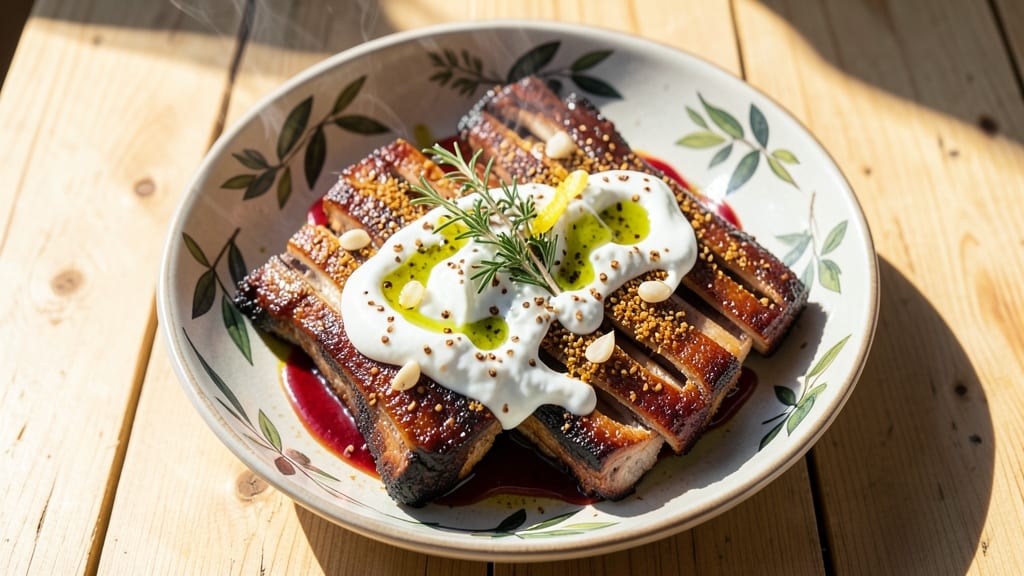
This Mediterranean pork ribs recipe transforms tender meat into golden-crisp bites with za’atar’s earthy warmth and garlic-yogurt drizzle. Growing up in Georgia, I first tasted the magic of slow-cooked pork infused with Mediterranean spices—now I’ve perfected it for home kitchens.
The secret lies in balancing smoky za’atar with bright lemon and olive oil, while the yogurt sauce cuts through the richness.
What makes these ribs special is the two-stage cooking process: a dry rub that develops deep flavor, followed by a slow cook that renders fat and tenderizes the meat. Unlike traditional BBQ, this method delivers crispy edges without a smoker, using just your oven or grill.
The result? Ribs so flavorful they’ll disappear faster than your last batch of pulled pork.
By the time you’re done, you’ll have fall-apart tender meat with a crunchy, spice-crusted exterior, all finished with a cooling garlicky yogurt sauce. Serve with roasted Mediterranean vegetables or warm couscous for a complete meal that tastes like a trip to the Mediterranean without leaving your kitchen.
This recipe delivers restaurant-quality results with minimal effort—perfect for weekend gatherings or when you crave something special without the fuss. Let’s get cooking!
Ingredients for mediterranean pork ribs
These Mediterranean pork ribs transform simple ingredients into restaurant-quality spice-crusted bites with yogurt drizzle.
| Ingredient | Amount | Notes |
|---|---|---|
| Pork Ribs (Back Ribs) 🍖 | 2 ½ lb | Bone-in, meaty sections preferred |
| Za’atar Spice Blend 🌿 | 2 tbsp | Homemade or store-bought (look for sesame seeds) |
| Extra-Virgin Olive Oil 🫒 | ½ cup | High-quality, fruity variety |
| Garlic Cloves 🧄 | 6 cloves | Freshly minced for marinade |
| Lemon Juice 🍋 | ¼ cup | Freshly squeezed, seeds strained |
| Plain Greek Yogurt 🥛 | 1 cup | Full-fat for creaminess |
| Ground Cumin 🌿 | 1 tsp | Toasted for deeper flavor |
| Smoked Paprika 🌶️ | 1 tsp | For smoky depth |
| Ground Coriander 🌿 | ½ tsp | Freshly ground preferred |
| Salt 🧂 | 1 ½ tsp | Diamond Crystal kosher salt |
| Black Pepper 🌶️ | ½ tsp | Freshly ground |
| Honey 🍯 | 1 tbsp | For glaze (optional) |
| Fresh Parsley 🌿 | ¼ cup | Chopped, for garnish |
The ribs are the star, so back ribs are your best bet—they’re meatier than baby back ribs and hold up beautifully to slow cooking. For za’atar, Penzeys or Mediterranean markets carry the best blends with toasted sesame seeds. If you’re making your own, mix equal parts sumac, thyme, sesame seeds, and salt. The Greek yogurt should be full-fat and thick—none of that non-fat stuff that separates. For the olive oil, Kalamata or fruity Italian varieties add the most flavor. And don’t skip the honey glaze—it’s what gives those ribs that sticky, caramelized finish.
No za’atar? Mix 1 tsp each sumac, dried thyme, and sesame seeds with ½ tsp salt. Short on honey? Maple syrup works too, though it has a slightly different flavor profile. The yogurt sauce can be made ahead—just stir in the garlic and lemon right before serving. For extra richness, add a pinch of ground cardamom to the yogurt mix. The ribs can be prepped the night before, but don’t marinate longer than 12 hours—the acidity in the lemon can start breaking down the meat. If you’re using frozen ribs, thaw them in the fridge overnight for even cooking.
Once cooked, ribs keep well in the fridge for 4-5 days, though they’re best enjoyed within 2 days. Store them wrapped tightly in foil to retain moisture, and reheat in a 350°F oven for 10-15 minutes with a splash of water or broth. The yogurt sauce can be refrigerated for 3 days—just give it a quick whisk before serving. For a crowd, double the batch and use a large disposable foil pan for easy transport. Leftovers make amazing sandwiches the next day, just pile on some fresh parsley and extra yogurt drizzle.
Why You'll Love This Recipe
- One-Pan Magic: Between us, I’ve made ribs that take all day—this isn’t one of them. Just slather those back ribs with olive oil, smother them in za’atar, and let the oven do the work. No foil tents, no babysitting the grill. Honestly, the only thing I’m measuring is how little effort it takes.
- Crispy Yet Tender: That za’atar crust? It’s the star. The toasted sesame and sumac give it this earthy, nutty punch, while the garlic and lemon keep it bright and juicy. The ribs get that perfect snap on the outside but stay fall-apart tender—no dry, chewy nightmares here.
- Weeknight or Weekend: I’ve served these for lazy Tuesday dinners and Sunday gatherings. Pair them with crusty bread for a no-fuss meal, or toss them into a grain bowl with roasted veggies for something heartier. Even my picky teenage nephew asks for seconds—(yes, even on a Tuesday night).
- Leftovers That Don’t Suck: Most ribs turn to sad, dry sticks the next day. Not these. The za’atar keeps them flavorful, and the moisture stays locked in. I’ll wrap them up and reheat them for sandwiches all week—no one complains, and my wallet stays happy. Budget win.
Step-by-step instructions for Mediterranean pork ribs
Here's how to transform simple pork ribs into restaurant-worthy Mediterranean masterpieces.
Prepare the Za'atar Marinade
In a medium bowl, combine the 2 tbsp za'atar spice blend, 1 tsp ground cumin, 1 tsp smoked paprika, 0.5 tsp ground coriander, 1.5 tsp salt, and 0.5 tsp black pepper. This aromatic blend forms the flavor foundation - the za'atar alone brings sesame, sumac, and thyme notes that define Mediterranean cuisine.
Gradually whisk in the 0.5 cup extra-virgin olive oil until you achieve a thick paste. The oil should fully incorporate, creating a vibrant golden mixture that coats the back of a spoon. Add the 6 minced garlic cloves and 0.25 cup lemon juice, mixing until completely combined. The lemon juice will brighten the flavors and tenderize the meat during the marinating process.
Marinate the Ribs Thoroughly
Pat the 2.5 lb pork ribs completely dry with paper towels - this ensures maximum crust formation during cooking. The ribs should be bone-in with meaty sections preferred for optimal flavor distribution. Rub the marinade all over the ribs, pressing it into every crevice and crack. Don't be shy - you want that spice blend to penetrate deeply.
Transfer the ribs to a resealable plastic bag and massage the marinade into the meat for 1 minute. Seal the bag tightly and refrigerate for at least 4 hours, or preferably overnight. This long marinating time allows the za'atar's complex flavors to fully infuse the meat while the acid from the lemon juice begins breaking down the proteins for tender results. Turn the bag occasionally for even coating.
Cook the Ribs to Perfect Doneness
Preheat your oven to 375°F. Line a baking sheet with aluminum foil and place a wire rack on top. This setup allows air to circulate underneath the ribs, preventing them from steaming and ensuring crispy edges. Arrange the marinated ribs on the rack, bone-side up, with the meaty sections facing outward for even exposure to heat.
Bake for 1 hour 15 minutes until the internal temperature reaches 195-200°F when measured at the thickest part of the meat. You'll know they're ready when the edges are deep golden brown and the meat pulls away from the bone with slight resistance. The ribs should be tender enough to easily separate between the bones but still hold their shape when sliced. If the edges aren't brown enough after this time, broil for 2-3 minutes until crispy.
Prepare the Garlicky Yogurt Drizzle
While the ribs cook, create the signature yogurt sauce. In a small bowl, combine the 1 cup plain Greek yogurt, 1 tbsp honey, and 2 tbsp reserved marinade (from the bag). The honey adds subtle sweetness that balances the za'atar's earthy notes. Whisk until smooth, then stir in 2 tbsp finely chopped fresh parsley for freshness and color. This sauce should have a thick, creamy consistency - if it's too thick, thin with 1 tsp water at a time.
The yogurt sauce serves two purposes: it cools the palate between bites of rich, spiced meat and provides a silky contrast to the crispy exterior. The parsley adds a bright visual pop that makes the dish look as good as it tastes. Keep this mixture refrigerated until ready to serve.
Rest and Serve with Style
Transfer the cooked ribs to a cutting board and let them rest for 10 minutes. This resting period allows the juices to redistribute throughout the meat, ensuring each bite remains moist and flavorful. During this time, preheat your serving platter in the oven for 5 minutes to maintain the ribs' temperature when transferred.
Slice the ribs between each bone into individual rib sections. Arrange them on the warmed platter and drizzle generously with the garlicky yogurt sauce. Garnish with additional 0.25 cup chopped fresh parsley and serve immediately with warm pita bread or a fresh green salad. The contrast between the crispy, spiced ribs and the cool yogurt sauce creates a perfect balance of textures and temperatures in every bite.
Pro Tips For Making Mediterranean Pork Ribs
- Trim the Fat First: Skip the guesswork—use kitchen shears to snip the thick silver skin off the bones before cooking. This lets the za’atar cling better and keeps the ribs from sticking to the grill or pan like glue. (Yes, even if it feels tedious—your ribs will thank you.)
- Toast the Za’atar Dry: Heat a dry skillet over medium for 30 seconds, then add the za’atar and toast it until fragrant—about 10 seconds. This wakes up the spices so they don’t just sit flat on the ribs. (I learned this the hard way after serving bland ribs that tasted like seasoning in a jar.)
- Start High, End Slow: Sear the ribs over direct heat until deeply browned, then move them to indirect heat or a cooler part of the grill. Pork ribs need that initial crust to lock in flavor, but they’ll dry out if you keep them in the fire’s wrath. (Think of it like a tango—hot, then gentle.)
- Slice the Garlic Thin: Smash the garlic cloves with the flat side of your knife instead of mincing them—this keeps the flavor strong without turning the ribs into a garlic paste. Rub them directly onto the ribs after searing so they caramelize into the meat. (No, you don’t need to peel them first—just crack them open.)
Storing and reheating this mediterranean pork ribs
Fridge Storage
Your cooked Mediterranean pork ribs will stay delicious in the fridge for 4-5 days when stored properly. Wrap them tightly in foil (not plastic) to preserve moisture and prevent drying. I like to place them in an airtight container with a paper towel underneath to absorb any excess moisture.
The za'atar crust stays crispy this way, unlike with plastic wrap which can make it soggy. 💫
For reheating, I recommend the oven method—it's the kindest on the texture. Place the ribs on a baking sheet at 350°F for 10-15 minutes with a splash of water or broth to maintain moisture. If they seem dry, brush with a little olive oil before reheating.
The yogurt sauce can be stored separately in a small container for up to 3 days—just give it a quick whisk before serving.
Freezer Prep
For longer storage, freeze your ribs for up to 3 months without losing quality. First, let them cool completely, then wrap individually in plastic wrap followed by foil to prevent freezer burn. I like to portion them into freezer bags with a bit of marinade for extra flavor protection.
When ready to eat, thaw overnight in the fridge and reheat using the oven method above. 🧊
Pro tip: If you're prepping for a crowd, double the batch and freeze half. Just
Reheating Secrets
Microwaving ribs is possible but risky—they can end up rubbery. If you must use this method, heat in 30-second intervals on medium power, covered with a damp paper towel. The ribs will lose some crispiness, but the flavor remains intact. For best results, always opt for the oven method to maintain that perfect balance of tenderness and crunch. 🔥
For serving leftovers, I love turning them into sandwiches with warm pita bread, extra yogurt drizzle, and a sprinkle of fresh parsley. The ribs hold up beautifully this way, and the flavors actually deepen after a day of resting.
Just be sure to reheat thoroughly to 165°F internal temperature to ensure food safety.
Nutrition facts
Frequently asked questions
Can I use baby back ribs instead of back ribs?
Yes, but expect different results! Baby back ribs are leaner and cook faster than back ribs. For best texture, reduce the oven temperature to 325°F and cook for 1 hour instead of 1 hour 15 minutes. Watch closely after 45 minutes to avoid overcooking. The marinade will still work, but the smaller size means less surface area for crust development.
What's the best way to substitute za'atar?
Mix 1 tsp each sumac, dried thyme, and sesame seeds with ½ tsp salt for a close approximation. For extra depth, add ¼ tsp ground cardamom. The key is balancing earthy (sumac), floral (thyme), and nutty (sesame) notes. If you can't find sumac, use ½ tsp lemon zest + ½ tsp dried oregano instead.
Why are my ribs tough instead of tender?
Overcooking is the #1 culprit! Use a meat thermometer—ribs are done at 195-200°F. If they're dry, they likely cooked past 205°F. For extra tenderness, add ½ cup chicken broth to the baking pan during cooking. Also check your marinating time—never exceed 12 hours as the lemon can break down the meat too much.
Can I grill these ribs instead of baking?
Grill over medium-low heat (300-325°F) for 2-2.5 hours, flipping occasionally. For extra smokiness, add Mediterranean wood chips (like olive or cherry) to your grill. The yogurt sauce works perfectly with grilled ribs—just let them rest 15 minutes before slicing to prevent falling apart.
What sides pair best with these ribs?
Try these Mediterranean classics: roasted eggplant with tahini, warm couscous with lemon, or a Greek salad with feta and olives. For something heartier, serve with garlic mashed potatoes or crusty pita bread. The yogurt sauce also makes an excellent dip for veggie sticks or warm flatbread.