
Main Courses
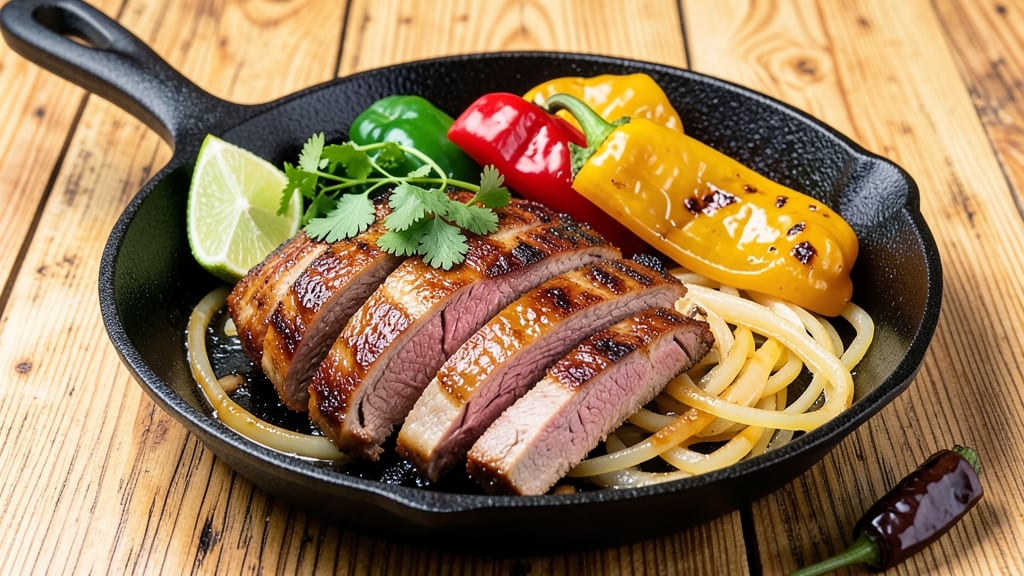
This Mexican pork fajitas recipe brings smoky chipotle heat and bright cilantro-lime zing to your weeknight table. ✨ I developed this version after years of perfecting the balance between tender pork and charred vegetables—no dry meat or bland peppers here.
The secret lies in marinating the pork overnight and charring the peppers over high heat for maximum flavor.
What makes these fajitas special is the combination of techniques: thinly sliced pork cooks quickly on the grill or skillet, while the peppers and onions develop deep char and sweetness.
I use a blend of bell peppers and onions for color and texture, then finish everything with a quick lime-cilantro dressing that cuts through the richness. This recipe delivers restaurant-quality results without requiring fancy equipment.
By the time you're done, you'll have perfectly seared pork strips with crisp edges and tender centers, charred vegetables that add smoky depth, and warm tortillas ready to wrap it all up.
The aroma alone will have everyone gathering around the table—this is the kind of meal that transforms a simple dinner into an experience. Serve with all the fixings and let everyone build their own perfect fajita.
One of my favorite memories from growing up in Georgia was watching my abuela prepare fajitas for family gatherings—the way she'd char the peppers over the grill and toss everything together with such confidence. This recipe captures that same excitement while making it approachable for home cooks. Let's get cooking!
Ingredients for mexican pork fajitas
Smoky chipotle, zesty lime, and fresh cilantro—just 15 ingredients for fajitas that taste like abuela's recipe.
| Ingredient | Amount | Notes |
|---|---|---|
| Boneless Pork Loin 🍖 | 1 ½ lb | Thinly sliced against the grain |
| Bell Peppers 🌶️ | 3 whole | Mixed colors, stems removed |
| Yellow Onions 🧅 | 2 whole | Sliced into strips |
| Lime 🍋 | 2 whole | Juiced, seeds removed |
| Fresh Cilantro 🌿 | ½ cup | Chopped, stems removed |
| Chipotle Peppers in Adobo 🌶️ | 2 tbsp | Adjusted for heat preference |
| Garlic Cloves 🧄 | 4 cloves | Minced for marinade |
| Olive Oil 🫒 | ½ cup | Extra-virgin for richness |
| Soy Sauce 🥢 | 2 tbsp | For umami depth |
| Honey 🍯 | 1 tbsp | Balances heat and sweetness |
| Salt 🧂 | 1 ½ tsp | Kosher or sea salt |
| Black Pepper 🌶️ | ½ tsp | Freshly ground |
| Flour Tortillas 🌯 | 8 whole | Medium-sized, warmed |
| Avocado 🥑 | 1 whole | Sliced for serving |
| Crumbled Cotija Cheese 🧀 | ½ cup | For garnish |
The pork is everything here. Grab boneless pork loin from the butcher counter—it stays juicier than shoulder cuts. Trader Joe's or Costco often have pre-sliced fajita meat, but slicing it yourself against the grain makes all the difference. Look for bright red, well-marbled meat—that's your flavor guarantee. The bell peppers should be firm with vibrant colors (no limp ones), and the onions? Yellow or white work best for that classic fajita sweetness. I always grab extra lime—half goes in the marinade, half gets squeezed over everything at the end (trust me on this).
No chipotle peppers in adobo? Substitute with smoked paprika plus a pinch of cayenne—it's not identical, but close. Fresh cilantro missing? Coriander seeds ground into powder works in a pinch (use half the amount). The tortillas can be store-bought or homemade—just make sure they're warmed through before serving. For the avocado, grab one that's slightly soft to the touch (not too firm). The cotija cheese? Skip it if you're vegan, but if you've got it, the salty crumble is worth every bit. And if your honey is crystallized? Microwave it for 10 seconds to bring it back to liquid form—no biggie.
Marinate the pork overnight for maximum tenderness—it keeps 2 days in the fridge before cooking. The charred peppers and onions? They're best served immediately, but you can reheat them gently in a skillet if needed. Tortillas stay fresh for 3 days in a sealed bag, and the avocado will last 2-3 days in the fridge once sliced. I always make extra marinade—it doubles as a dipping sauce for the tortillas. Store everything separately, and assemble just before serving so the tortillas stay soft.
Why You'll Love This Recipe
- One-Pan Magic: I swear by this recipe because it’s all about minimal cleanup. Slice the pork, toss peppers and onions with a pinch of salt, and let the skillet do the work—no extra pans, no fuss. Honestly, I’ve made fajitas that took forever with multiple burners; this cuts that time in half.
- Caramelized Goodness: That sweet, smoky char on the peppers and onions? Chef’s kiss. The pork stays juicy while the veggies develop a deep, almost jammy richness—especially when you squeeze fresh lime over everything at the end. It’s the kind of flavor that makes you forget to check your phone.
- Weeknight or Party: Between us, this is my go-to for busy nights and when I’m hosting. Double the batch, wrap leftovers in foil, and reheat for lunch—no one will guess it’s not fresh. Or serve it on a big platter with tortillas and let guests build their own. (Yes, even on a Tuesday night.)
- Budget-Friendly Protein: Pork loin is affordable, and you’re not wasting a thing. The peppers and onions stretch across multiple meals, and the lime and cilantro add brightness without breaking the bank. Took me three tries to get the seasoning right, but now it’s my secret weapon for filling meals.
Step-by-step instructions for Mexican pork fajitas
Here's how to create restaurant-quality fajitas with smoky chipotle heat and bright lime-cilantro freshness.
🍳 Step 1: Marinate the Pork for Maximum Flavor
In a large bowl, combine the 1.5 lb boneless pork loin (thinly sliced against the grain), 0.5 cup olive oil, 2 tbsp soy sauce, 1 tbsp honey, 1.5 tsp salt, 0.5 tsp black pepper, 4 cloves minced garlic, 2 tbsp chipotle peppers in adobo (adjust for heat preference), and juice from 2 whole limes. Mix everything thoroughly until the pork is fully coated.
Let the pork marinate for at least 30 minutes at room temperature (or up to 4 hours in the refrigerator). This step is crucial—it tenderizes the meat and infuses it with smoky, tangy, and slightly sweet flavors. If you're short on time, don't skip it entirely, but aim for at least 15 minutes of marinating.
🔥 Step 2: Sear the Pork and Vegetables to Perfection
Heat a large skillet or cast-iron pan over medium-high heat until it's smoking hot. Add the marinated pork in a single layer (don't overcrowd the pan) and sear for 3-4 minutes until golden brown on the bottom. Flip the pork and cook for another 3-4 minutes until fully cooked through.
Remove the pork from the pan and set it aside. In the same pan, add the 3 whole bell peppers (cut into strips) and 2 whole yellow onions (sliced into strips). Cook them for 5-6 minutes, stirring occasionally, until they're tender and slightly charred in spots. The vegetables should be bright and vibrant, not mushy.
🍳 Step 3: Combine and Simmer for Smoky Depth
Return the seared pork to the pan with the vegetables. Pour in juice from 1 lime (to balance the flavors) and sprinkle with 0.5 cup chopped fresh cilantro. Stir everything together and let it cook for an additional 2-3 minutes on medium heat. This step ensures all the flavors meld together beautifully.
Taste and adjust seasoning if needed. You might want to add a pinch more salt or a splash of lime juice to enhance the flavors. The mixture should be vibrant, smoky, and packed with bold flavors. If the vegetables are still slightly undercooked, let them sit in the pan for another minute or two to finish.
🥘 Step 4: Warm the Tortillas and Prepare Toppings
While the fajitas cook, warm the 8 whole flour tortillas in a dry skillet over medium heat for 20-30 seconds per side or wrap them in a damp towel and microwave for 20-30 seconds. Warm tortillas are essential for that perfect fold and texture.
Slice the 1 whole avocado into thin strips and prepare the 0.5 cup crumbled cotija cheese for garnishing. Keep the fajita mixture warm in the skillet or transfer it to a serving dish. The toppings should be ready to go when you're ready to assemble your fajitas.
🍽️ Step 5: Assemble and Serve with Confidence
Divide the pork and vegetable mixture evenly among the 8 warm tortillas. Start with a tortilla, add a generous portion of fajitas, then top with avocado slices and a sprinkle of cotija cheese. Fold the tortilla in half and serve immediately.
Each bite should deliver a perfect balance of smoky, spicy, tangy, and fresh flavors. The pork should be tender and juicy, the vegetables crisp-tender, and the tortillas warm and pliable. Serve with extra lime wedges, chopped cilantro, and any remaining toppings on the side for customization.
Pro Tips For Making Mexican Pork Fajitas
- Slice Pork Thinly: I learned this the hard way—thick slices mean chewy fajitas. Use a sharp knife or ask the butcher to slice the pork loin against the grain into ¼-inch strips. They’ll cook faster and stay tender, not tough.
- Char the Peppers: Skip the crowding—lay bell peppers in a single layer on the grill or skillet. High heat for 3–4 minutes per side gives them that smoky, caramelized edge. Crowd them, and they’ll steam instead of blister.
- Salt the Pork Twice: Generously salt the pork strips first, then again after searing. The second hit halfway through cooking locks in flavor and prevents dryness. Trust me, your fajitas will taste like a restaurant.
- Use Two Limes: One lime at the end isn’t enough. Squeeze half over the pork while it cooks (yes, even if it’s hot), then finish with the rest fresh off the grill. The acid cuts through the richness, and the extra juice makes the cilantro sing.
Essential equipment for this dish
Cast Iron Skillet
This is my go-to tool for fajitas—it retains heat beautifully and creates those perfect char marks. I swear by a 12-inch Lodge cast iron skillet for this recipe because it gives you plenty of surface area to sear the pork and vegetables without overcrowding.
The heavy material also ensures even cooking and prevents hot spots. If you don’t have cast iron, a stainless steel skillet with a heavy base works too, but preheat it for an extra minute to match the heat retention. 🔥
Tongs and Spatula
You’ll need long-handled tongs for flipping the pork and vegetables safely—cast iron gets hot! I use OXO Good Grips because the silicone handles stay cool and the tips are wide enough to grip the pork strips securely.
A heat-resistant spatula (like a fish spatula) helps scrape up any stuck bits from the skillet without tearing the meat. These tools make all the difference when you’re working with a hot, crowded pan.
Knife and Cutting Board
A sharp 8-inch chef’s knife is essential for slicing the pork against the grain—this ensures tender bites. I recommend a Wüsthof Classic or Victorinox Fibrox for precision. Pair it with a sturdy cutting board (I love Teakhaus bamboo for its gentle surface).
For the peppers and onions, a mandoline slicer speeds up prep if you’re short on time, but hand-slicing gives you more control over thickness. Always cut the pork thinly—⅛-inch slices or less—for perfect fajita texture.
Measuring Tools
Precision matters with marinades and seasonings. Use a liquid measuring cup for the olive oil and lime juice, and a small kitchen scale (like the OXO Good Grips) for the pork if you’re unsure about weight.
A microplane comes in handy for zesting extra lime or grating garlic if you’re feeling fancy. Don’t skimp on measuring—even a teaspoon too much chipotle can turn your fajitas into a spicy surprise! 🌶️
Tortilla Warmer
Warm tortillas are non-negotiable for fajitas. While a dry skillet works, I invest in a dedicated tortilla warmer (like the Cuisinart) for large gatherings. It heats tortillas evenly in 30 seconds without drying them out.
For a budget-friendly hack, wrap tortillas in a damp kitchen towel and microwave for 20 seconds—this mimics the steam of a professional warmer. Cold tortillas? Game over. Warm tortillas? Pure magic.
Serving Essentials
Don’t forget serving spoons (I use stainless steel tongs) for dishing up the fajita mix and a large platter to keep everything warm. A lime squeezer (like the Norpro) makes juicing limes effortless, and a small bowl for cotija cheese keeps it handy.
For presentation, I scatter chopped cilantro and lime wedges on the platter—it’s simple but adds that restaurant-worthy touch. 💫
Nutrition facts
Frequently asked questions
Can I use chicken or beef instead of pork for fajitas?
Chicken breast works beautifully—slice it ⅛-inch thick and marinate for 30-60 minutes (chicken cooks faster than pork). For beef, opt for flank steak or skirt steak (thinly sliced against the grain) and marinate for 2-4 hours. The key is slicing thinly and not overcooking—beef fajitas should be tender, not chewy.
How do I get the perfect char on my peppers and onions?
Heat your skillet over high heat until it's smoking, then add the peppers and onions in a single layer. Let them cook undisturbed for 2-3 minutes to develop deep char marks. Stir occasionally and watch closely—they're done when slightly blackened but still crisp-tender. For extra smokiness, cover the skillet for 30 seconds**
What if I don't have fresh cilantro?
No problem! Use ½ cup chopped parsley as a substitute—it adds brightness without the same earthy flavor. For a different twist, try ¼ cup chopped mint or 2 tbsp dried cilantro (though fresh is always better). The lime and chipotle will still provide that essential tangy heat.
Can I make fajitas ahead of time?
Yes, but with some adjustments. Marinate the pork 1-2 days ahead and store it in the fridge. Cook the pork and vegetables 1 day ahead, then refrigerate in an airtight container. Reheat gently in a skillet with a splash of water to prevent drying. Warm tortillas separately—never reheat them with the fajita mix. Assemble fresh for the best texture.
Why did my pork turn out dry?
Overcooking is the most common culprit. Pork fajitas should cook in 6-8 minutes total—once they're browned, remove them immediately. Slice against the grain and marinate properly (at least 30 minutes). Using lean cuts like pork loin can dry out faster, so consider adding 1 tbsp olive oil to the pan when reheating leftovers.