
Main Courses
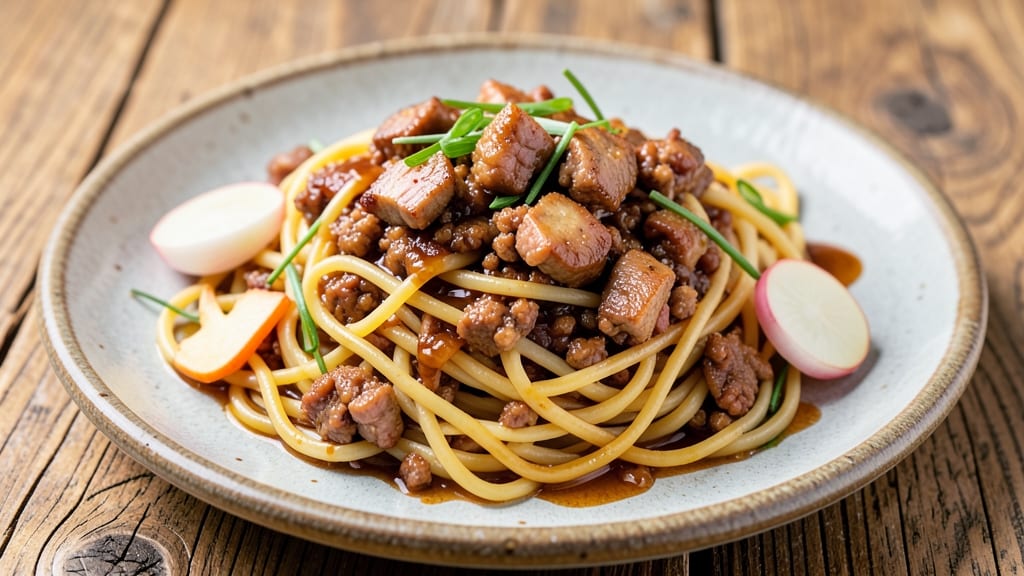
This mince pork noodles recipe delivers the smoky, savory depth of a wok-fried classic with tender pork and silky noodles that cling to every bite. 🔥 I've perfected this technique over years of testing—balancing quick cooking with deep flavor development so the pork stays juicy while the noodles absorb that signature wok-hei aroma.
The secret lies in high-heat searing followed by a quick broth integration that transforms simple ingredients into something restaurant-worthy. What sets this dish apart is the two-stage cooking process: first browning the pork until deeply caramelized, then tossing it with pre-cooked noodles and a light, aromatic broth.
This method ensures each bite delivers both texture contrast and layered flavors—crispy pork edges against tender noodles, all coated in a sauce that's rich without being heavy. Even beginners will nail this with just a few key techniques.
By the time you plate it, you'll have a dish that looks as impressive as it tastes—golden pork nestled among glossy noodles, finished with fresh herbs and a drizzle of chili oil for that final pop of color and heat.
The aroma alone will have everyone gathering around your table, and the first bite will silence any doubts about homemade Chinese takeout. Serve with steamed greens or a simple cucumber salad to balance the richness, and you've got a complete meal that's perfect for weeknights or dinner guests.
Let's get cooking—this recipe delivers restaurant-quality results in under 30 minutes.
Ingredients for mince pork noodles
Fourteen essential ingredients transform into restaurant-worthy wok-fried pork noodles.
| Ingredient | Amount | Notes |
|---|---|---|
| Ground Pork 🥩 | 1 lb | 80% lean for juiciness |
| Egg Noodles 🍜 | 8 oz | Fresh or dried, wide or thin |
| Garlic Cloves 🧄 | 6 cloves | Minced for aromatic base |
| Fresh Ginger 🌿 | 1 tbsp | Finely grated, peeled |
| Soy Sauce 🍶 | 3 tbsp | Light or dark preferred |
| Oyster Sauce 🥣 | 2 tbsp | High-quality for depth |
| Sesame Oil 🫒 | 1 tbsp | Toasted for aroma |
| Vegetable Oil 🫒 | 2 tbsp | High smoke point |
| Green Onions 🧅 | 4 whole | White and green parts |
| Chili Oil 🌶️ | 1 tbsp | For finishing heat |
| Salt 🧂 | 1 tsp | Adjust to taste |
| Black Pepper 🌶️ | ½ tsp | Freshly ground |
| Cilantro 🌿 | ¼ cup | Chopped, optional garnish |
| Chicken Broth 💧 | 1 cup | Low-sodium preferred |
The ground pork is where the magic happens—80% lean gives you that perfect balance of juiciness and browning. Costco or butcher shops often have the best quality, but any well-marbled ground pork works. Look for bright red color and avoid pre-seasoned blends. Fresh egg noodles add that signature chew, but dried noodles work too—just cook them al dente. For the aromatics, garlic and ginger need to be fresh; frozen works in a pinch but lacks depth. The soy and oyster sauces should be high-quality—avoid the watery brands that dilute flavor.
No oyster sauce? Substitute with an extra tablespoon of soy sauce plus a dash of sugar. Fresh ginger too strong? Use powdered ginger at one-third the amount. The sesame oil is non-negotiable for that authentic aroma, but if you're avoiding it, toasted sesame seeds sprinkled at the end add a similar touch. For the chili oil, Szechuan or Lao Gan Ma brands are ideal, but any good chili oil will work. The green onions can be swapped for scallions, and cilantro is optional—skip it if you dislike the flavor. Pre-cooked noodles? Boil them 1-2 minutes less than package instructions so they finish cooking in the wok.
Prep the aromatics first—they'll release flavors faster when raw. Store fresh ginger in the freezer to preserve its potency for up to 3 months. The ground pork can be prepped ahead and refrigerated for 2 days, but it's best used fresh. Cooked noodles reheat beautifully—just toss them with a splash of water and steam for 30 seconds. This dish tastes even better the next day as flavors meld. Portion into containers for easy lunches, and keep leftovers covered in the fridge for 3-4 days or freeze for 2 months
Why You'll Love This Recipe
- Fewer Ingredients, Big Payoff: I swear by this combo—just pork, noodles, garlic, and ginger. That’s it. No fancy pantry raid, no last-minute grocery store sprint. The soy sauce ties everything together with zero fuss, and honestly? You’ll never miss the long ingredient list.
- Umami Bomb in Minutes: The moment that crispy pork hits the pan with minced garlic and fresh ginger? Pure flavor magic. That caramelized edge on the pork with the chewy noodles soaking up the sauce—it’s the kind of dish that makes you pause mid-bite and think, “Wait, is this really just 20 minutes of work?”
- Lunchbox Hero: Between us, this is my go-to for packed lunches. Cook a big batch, portion it into containers, and boom—you’ve got a satisfying, no-reheat-needed meal for the next two days. My kids actually ask for leftovers, and that’s saying something.
- Budget Meal That Feeds: Ground pork stretches far, egg noodles are cheap, and you’re not drowning in specialty items. I’ve fed four people for under $10 with this—no guilt, no skimping. Plus, it’s the kind of dish that tastes even better the second day, so you’re basically getting double the value. Smart, right?
Step-by-step instructions for wok-fried pork noodles
Master this wok technique for perfectly tender pork and silky noodles every time.
🍳 Step 1: Cook the Egg Noodles Al Dente
Bring a large pot of water to a rolling boil and add 8 oz egg noodles. Cook for 4-5 minutes until they're al dente—just slightly underdone. The noodles should still have a slight bite when you taste them, as they'll finish cooking in the wok.
Drain the noodles and immediately rinse them under cold water for 10 seconds to stop the cooking process. Toss with 1 tbsp sesame oil to prevent sticking and give them a subtle aroma. Keep them covered while you prepare the pork filling—this maintains their texture and prevents drying.
🔥 Step 2: Sear the Ground Pork Until Browned
Heat 2 tbsp vegetable oil in a wok or large skillet over medium-high heat until shimmering. Add 1 lb ground pork and break it apart with a spatula, cooking for 4-5 minutes until it loses its raw color and becomes deeply browned in spots.
Here's the thing—don't drain the fat. That rendered pork fat is flavor gold. As the pork cooks, push it to one side of the wok and add 6 cloves minced garlic and 1 tbsp finely grated fresh ginger. Stir for 30 seconds until fragrant—this prevents burning while infusing the pork with aromatic depth.
🥘 Step 3: Build the Rich Sauce Base
Pour in 1 cup chicken broth and scrape up any browned bits from the bottom of the wok with a wooden spoon. This deglazing step captures all that meaty flavor. Add 3 tbsp soy sauce and 2 tbsp oyster sauce, then bring to a simmer for 2 minutes until the liquid reduces by about half and coats the back of a spoon.
Season with 1 tsp salt and 0.5 tsp black pepper, then stir in 4 whole green onions (white and green parts separated). The white parts will cook down into the sauce while the green tops add freshness at the end. Keep the heat at medium—you want everything to simmer gently, not boil vigorously.
🍳 Step 4: Combine Pork and Noodles
Add the cooked egg noodles to the wok and toss everything together for 2-3 minutes until the noodles are evenly coated in the sauce. The residual heat from the pork mixture will finish cooking the noodles perfectly. If the mixture looks too dry, add 1-2 tablespoons of water to loosen it.
Here's where it gets fun—taste and adjust seasoning. You might need a touch more soy sauce for saltiness or a splash of chicken broth if it's too thick. The noodles should be tender yet still have a slight bite, and the pork should be juicy with crispy edges from the initial searing.
🔪 Step 5: Finish and Garnish
Remove the wok from heat and stir in 1 tbsp chili oil for a subtle kick. Drizzle with any remaining sesame oil from the noodles and sprinkle with 0.25 cup chopped cilantro. The chili oil adds heat and aroma, while the cilantro brings freshness to balance the rich flavors.
Serve immediately while hot, garnished with the reserved green onion tops. The dish should have silky noodles, juicy pork with crispy bits, and a savory-sweet sauce that coats every strand. Don't skip the garnish—it's the final touch that makes this dish restaurant-quality.
Pro Tips For Making Mince Pork Noodles
- Preheat the Pan Properly: I learned this the hard way—skipping a screaming-hot wok or skillet means greasy, soggy pork instead of crispy edges. Get the pan so hot it smokes when you add oil, then dump in the ground pork immediately. If you’re using a stovetop, medium-high isn’t enough; crank it to max and let it sit for 30 seconds first.
- Slice Ginger Paper-Thin: Most recipes call for "grated ginger," but that’s a shortcut to mush. Use a sharp knife to shave it into matchsticks—thin enough to dissolve into the sauce without turning it into a paste. (Yes, even if you’re impatient like me.) Pro tip: Freeze the ginger for 10 minutes first—it slices cleaner.
- Don’t Overmix the Pork: Once the pork hits the pan, resist the urge to stir constantly. Let it sit undisturbed for 30 seconds to brown—this builds flavor. Overmixing turns it into a paste and steams the fat instead of rendering it. Stir once to break it up, then let it crisp again before adding garlic.
- Boil Noodles Al Dente: Egg noodles finish cooking faster than you think. Pull them out when they’re still slightly firm—about 1 minute before package instructions say. They’ll soften in the hot pork sauce, and you’ll avoid that sad, mushy texture. (Your future self will thank you.)
Essential equipment for mince pork noodles
Wok Essentials
Your wok is the star of this dish—carbon steel or stainless steel are my top picks. I swear by a 14-inch Mauviel M'Cook carbon steel wok for its even heat distribution and natural non-stick properties when properly seasoned.
For beginners, a Calphalon stainless steel wok with a lid is more forgiving and handles high heat beautifully. Preheat your wok over medium-high heat for 2-3 minutes until it's smoking hot before adding oil—this creates the perfect wok-hei aroma. 🔥
Heat Control Tools
You'll need a cast iron lid for your wok (the same brand as your wok works best) to trap steam and cook noodles evenly. A long-handled spatula with a siliconized edge—like the Victorinox 12-inch—prevents sticking while tossing.
For precise temperature control, I keep a thermometer nearby to monitor heat—ideal wok temps hover between 400-450°F for searing pork. A heat-resistant silicone glove protects your hands when handling the hot wok.
Knife & Prep Gear
Sharp knives are non-negotiable for this recipe. My Wüsthof Classic 8-inch chef's knife makes quick work of mincing garlic and ginger, while a small offset spatula helps scrape up flavorful browned bits from the wok.
For prep, a small cutting board (like the OXO Good Grips) gives you space to chop all aromatics efficiently. Don't forget a fine-mesh strainer for rinsing noodles—it's faster than a colander and prevents breakage. ✨
Sauce & Finish Tools
A small ladle (I use a stainless steel 6-ounce from KitchenAid) helps deglaze the wok with chicken broth while capturing all those meaty bits. For measuring sauces precisely, a squeeze bottle works better than spoons—just fill it with soy and oyster sauces ahead of time.
A small bowl for tossing noodles with sesame oil keeps them from drying out while you finish the pork. Finally, a microplane gives you perfectly fine ginger and garlic for maximum aromatic power.
Optional Upgrades
For next-level results, invest in a gas burner with high BTU output—like the Weber Q2200—to achieve the intense heat needed for wok-hei. A digital instant-read thermometer (my favorite is the ThermoWorks Thermapen) ensures your pork reaches the perfect internal temp of 160°F without overcooking.
For presentation, a slotted spoon makes transferring noodles to plates effortless while keeping them intact. These tools might seem like extras, but they elevate your dish from home-cooked to restaurant-quality. 💫
Nutrition facts
Frequently asked questions
Can I use ground beef instead of pork for this recipe?
You can substitute ground beef, but pork is preferred for its natural fat content and delicate flavor. If using beef, opt for 80% lean ground chuck and reduce cooking time by 1-2 minutes to prevent over-browning. The texture will be slightly denser, so adjust seasoning with an extra 0.5 tsp salt to enhance flavor.
How do I prevent the noodles from turning mushy?
Cook noodles al dente (1 minute less than package instructions) and rinse with cold water for 10 seconds to stop cooking. Toss them with 1 tbsp sesame oil immediately after draining to prevent sticking. When combining with pork, use high heat to finish cooking the noodles in the wok—this ensures they absorb sauce without becoming soggy.
What's the best way to make this dish spicier?
For extra heat, add 1 tsp chili flakes or 0.5 tsp red pepper flakes while browning the pork. Double the chili oil to 2 tbsp and finish with 1 tbsp sriracha or 1 tsp gochujang for umami depth. For smoky heat, stir in 0.5 tsp smoked paprika with the aromatics.
Can I make this recipe without a wok?
Use a large skillet or cast iron pan with high sides for tossing. Preheat it over medium-high heat until smoking hot before adding oil. A 12-inch cast iron skillet works well—just keep stirring constantly to mimic wok movement. The key is maintaining high heat to achieve that signature wok-hei aroma.
How do I store leftovers?
Let leftovers cool completely, then store in an airtight container in the fridge for 3-4 days. Reheat in a skillet over medium heat with 1 tbsp water to prevent drying. For freezing, portion into containers and freeze for up to 2 months. Thaw overnight in the fridge before reheating—never microwave directly from frozen.