
Side Dishes
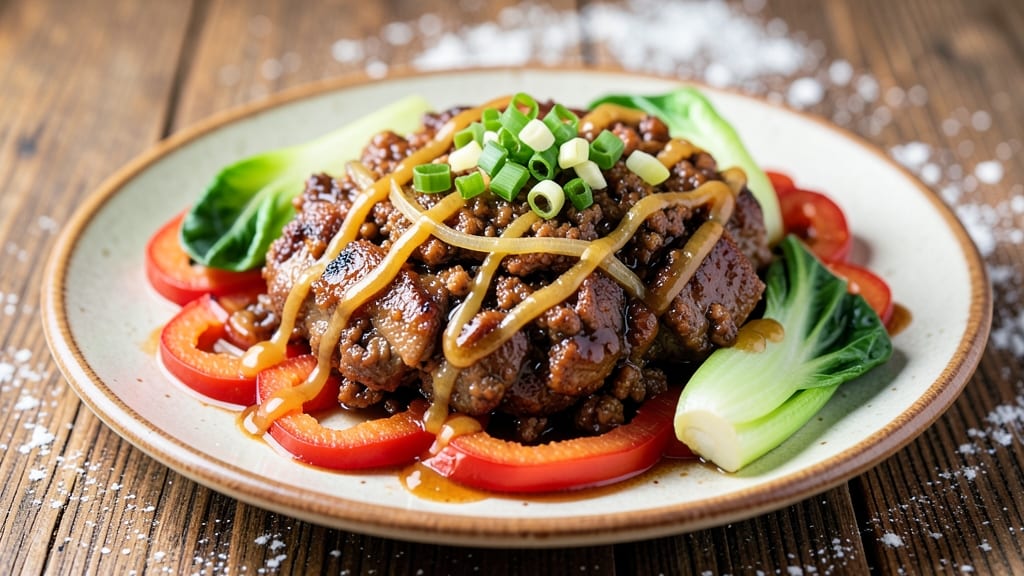
This minced pork and vegetables recipe transforms humble ingredients into a restaurant-worthy one-pan stir-fry with deep umami flavor and tender textures. After years of perfecting pork-based dishes at The Smoky Pig, I've simplified the process without sacrificing that smoky, savory depth we love in the Southeast.
The secret lies in proper mincing technique and high-heat searing to develop rich caramelized flavors.
What sets this recipe apart is its versatility—equally at home as a weeknight dinner or special occasion meal. We'll use a balance of fresh vegetables like bell peppers and onions alongside aromatic greens, all wok-tossed with minced pork that develops a perfectly browned exterior while staying juicy inside.
The one-pan method keeps cleanup minimal while maximizing flavor development through proper layering of ingredients.
By following this method, you'll achieve a dish with bold, layered flavors that come together in just 25 minutes. The pork absorbs the aromatic vegetables' essences while developing its own caramelized crust, creating a harmonious balance of textures and tastes.
Each bite delivers tender pork, crisp-tender vegetables, and that essential umami depth that makes this recipe truly special.
This stir-fry works beautifully as a standalone meal or paired with steamed rice for a complete dinner. The technique translates well to other proteins too—once you master this pork version, you'll have the foundation for countless flavorful one-pan creations.
Let's get started with this foolproof method that delivers restaurant-quality results at home.
Ingredients for minced pork and vegetables
Freshly minced pork meets vibrant vegetables in this umami-rich stir-fry designed for one-pan perfection.
| Ingredient | Amount | Notes |
|---|---|---|
| Ground Pork 🐖 | 1 lb | Freshly minced for texture |
| Red Bell Pepper 🌶️ | 1 whole | Cut into thin strips |
| Yellow Onion 🧅 | 1 whole | Thinly sliced for aroma |
| Garlic Cloves 🧄 | 4 cloves | Minced for depth |
| Green Onions 🌱 | 3 whole | Sliced for freshness |
| Baby Bok Choy 🥬 | 4 pieces | Whole for crisp texture |
| Soy Sauce 🍶 | ⅓ cup | High-quality, reduced |
| Oyster Sauce 🍜 | 2 tbsp | For umami richness |
| Sesame Oil 🫒 | 1 tbsp | Toasted for aroma |
| Hoisin Sauce 🍯 | 1 tbsp | Sweet-savory balance |
| Ginger Root 🌿 | 1 tbsp | Freshly grated |
| Vegetable Oil 🫒 | 2 tbsp | High smoke point |
| Salt 🧂 | ½ tsp | Kosher or sea salt |
| Black Pepper 🌶️ | ¼ tsp | Freshly ground |
| White Pepper 🌶️ | ¼ tsp | For subtle heat |
The ground pork is foundational—opt for freshly minced rather than pre-ground to preserve texture and juiciness. Butcher shops often provide superior quality over grocery store options, and look for cuts with visible marbling for optimal flavor. Bell peppers should be firm with vibrant color, while baby bok choy should have crisp, unblemished leaves. Garlic and ginger should be freshly grated or minced to maximize aromatic impact, as pre-minced versions lose potency quickly. For the sauces, Kikkoman soy sauce and Lee Kum Kee oyster sauce are professional-grade choices that elevate the dish's depth.
No fresh ginger? Substitute with 1/2 teaspoon ground ginger, though fresh is preferred for complexity. Pre-minced garlic works in a pinch, but toasting whole cloves in oil before mincing adds an extra layer of flavor. Swap red bell peppers for yellow or orange for variation, or use shredded cabbage if bell peppers are unavailable. For the sesame oil, toasted sesame oil provides superior aroma compared to the lighter, untoasted variety. The hoisin sauce can be substituted with 1 tablespoon soy sauce plus 1 teaspoon honey if unavailable, though the original delivers a more nuanced sweetness. Vegetable oil is ideal for high-heat searing, but avocado or peanut oil work equally well.
Store fresh vegetables in separate containers in the fridge to maintain crispness, and use within 5-7 days for optimal texture. The pork should be cooked immediately or refrigerated for no more than 2 days before use. Sauces can be pre-mixed and stored in the fridge for up to 1 week, though freshly combined sauces yield the best results. This stir-fry reheats beautifully—cover with a damp paper towel to retain moisture, and warm in a skillet over medium heat for 2-3 minutes. Leftovers keep for 3-4 days in an airtight container, making this an excellent meal-prep option for busy schedules.
Why You'll Love This Recipe
- One-Pan Magic: I swear by this recipe—just brown the pork, toss in the diced bell pepper and onion, and let it all sizzle together. No extra pots, no extra mess, and honestly? That crispy pork at the bottom? Pure satisfaction.
- Umami Bomb: The ground pork gets caramelized just enough to lock in flavor, while the garlic and bell pepper add this bright, savory punch. Between us, it’s the kind of dish where you’ll forget it’s "just" pork and veggies—it’s ridiculously good.
- Lunchbox Hero: Make a big batch on Sunday, and you’ve got weeknight dinners covered. Pack it in rice bowls, wrap it in tortillas, or serve it cold in lettuce cups—my kids beg for it, and my wallet thanks me.
- Budget Win: Ground pork stretches far, and bell peppers and onions are dirt cheap. I’ll be real: this recipe feeds four for under $10, and the leftovers? Even better the next day. My secret weapon for stretching meals without sacrificing taste.
Step-by-step instructions for one-pan stir-fry with savory umami depth
Master this technique for a restaurant-quality stir-fry where tender pork meets vibrant vegetables in perfect harmony.
Prepare All Ingredients for Efficient Cooking
Begin by prepping every ingredient while the pan heats. Cut the 1 whole red bell pepper into thin strips—about ¼-inch wide—and slice the 1 whole yellow onion into even ¼-inch half-moons. Mince the 4 cloves garlic and grate the 1 tablespoon ginger root using a fine grater or microplane. Trim the 3 whole green onions, leaving 1-inch white stems and 1-inch green tops for garnish later. Keep the 4 baby bok choy whole but separate the leaves from the stems.
Measure all sauces and seasonings: ⅓ cup soy sauce, 2 tablespoons oyster sauce, 1 tablespoon hoisin sauce, 1 tablespoon sesame oil, ½ teaspoon salt, ¼ teaspoon black pepper, and ¼ teaspoon white pepper. Having everything prepped ensures a smooth, uninterrupted cooking process. This is where professional stir-fries begin—mise en place makes all the difference.
Sear the Ground Pork Until Fully Browned
Heat a large skillet or wok over medium-high heat until a drop of water sizzles and evaporates instantly. Add 2 tablespoons vegetable oil and swirl to coat the pan evenly. Add the 1 pound ground pork, breaking it up with a wooden spoon as it cooks. Stir continuously for 5-6 minutes until the pork loses its raw color and turns deep golden brown in spots.
This browning step is critical—it develops deep, meaty flavors through the Maillard reaction. Avoid overcrowding the pan; if needed, cook the pork in two batches. Once fully browned, remove the pork from the pan and set it aside on a plate. Leave the rendered pork fat in the pan—it's packed with flavor and will form the base of your sauce.
Stir-Fry Vegetables Until Crisp-Tender
Return the skillet to medium-high heat and add the sliced red bell pepper and yellow onion. Stir-fry for 3-4 minutes until the onions soften and the peppers begin to blister slightly. Add the minced garlic and grated ginger, stirring for 30 seconds until fragrant—this is where the aromatics release their full potential.
Push the vegetables to one side of the pan and add the whole baby bok choy (leaves and stems together). Cook for 2-3 minutes until the bok choy leaves wilt slightly while the stems remain crisp. If the pan looks dry, add 1 tablespoon water to deglaze and collect any browned bits from the bottom. The vegetables should retain their vibrant color and just begin to soften—overcooking will turn them mushy.
Combine Pork and Vegetables with Sauces
Return the browned pork to the pan and stir to combine with the vegetables. Reduce heat to medium and pour in the soy sauce, oyster sauce, hoisin sauce, and sesame oil. Add the salt, black pepper, and white pepper, then stir everything together for 2-3 minutes until the pork and vegetables are evenly coated and the sauce begins to thicken slightly.
Taste and adjust seasoning if needed—this is your chance to balance the flavors. The dish should be savory, slightly sweet from the hoisin, and umami-rich from the oyster sauce. If the sauce is too thin, let it simmer uncovered for 1-2 minutes to reduce slightly. The pork should be tender but not falling apart, and the vegetables should hold their shape with just a hint of crispness.
Finish and Garnish for Presentation
Remove the stir-fry from heat and let it rest for 1-2 minutes to allow the flavors to meld. Garnish with the reserved green onion tops, cutting them into ½-inch pieces and sprinkling them over the dish. Drizzle with an additional ½ teaspoon sesame oil for extra aroma and shine.
Serve immediately over steamed rice or noodles to soak up the flavorful sauce. The dish should be vibrant, with tender pork, crisp-tender vegetables, and a glossy, well-balanced sauce. Each bite should deliver a perfect harmony of textures and flavors—this is the essence of a well-executed stir-fry. Enjoy while warm for the best experience.
Pro Tips For Making Minced Pork And Vegetables
- Break the Pork in Stages: I learned this the hard way—dumping all the minced pork into the pan at once turns it into a greasy mess. Instead, cook half first until it loses its raw color (about 3-4 minutes), then push it to the side and add the rest. This keeps everything even and prevents a sad, uneven texture.
- Slice Onions Like a Pro: Thin, even slices of onion caramelize faster and sweeten the dish without turning bitter. Use a sharp knife and cut lengthwise into half-moons—no need to peel, just trim the root end. (Yes, even if you're impatient like me, this makes a real difference.)
- Don’t Crowd the Pan: After burning three batches, I finally figured out: minced pork needs space to brown, not steam. Cook it in batches if needed, and resist the urge to stir constantly—let it develop that crust for 2-3 minutes per side. Your future self will thank you.
- Finish with Green Onions Raw: Sounds weird, but it works: chop the green onions into ½-inch pieces and stir them in only at the very end. They’ll stay bright and crisp, adding freshness instead of turning soggy. (I skip this when I'm lazy, but the dish is noticeably better when I don’t.)
Essential equipment for minced pork and vegetables
Wok Essentials
Your stir-fry starts with the right pan—I swear by a carbon steel wok (like Mauviel) for its superior heat retention and even cooking surface. If you don't have one, a heavy-bottomed cast iron skillet (my Lodge 12-inch) works perfectly.
The key is a pan that heats quickly and maintains high temperatures without hot spots. Avoid nonstick pans—they can't handle the high heat needed for proper browning. 🔥
Knife and Cutting Tools
Precision cutting is everything in stir-fries. I use a 8-inch chef's knife for chopping vegetables and a slicing knife for the pork. A mandoline (like Benriner) saves time when making uniform slices of bell peppers and onions.
For garlic and ginger, a microplane gives you the finest texture for maximum flavor release. Keep your knives sharp—dull blades crush vegetables instead of cleanly slicing them.
High-Quality Sauces
Don't skimp on your sauces—this is where the magic happens. I always stock Kikkoman soy sauce (reduced for depth) and Lee Kum Kee oyster sauce (the gold standard for umami). For hoisin, Hoisin King from Charleston's Southern Specialty Stores has the perfect balance of sweet and savory.
A small bottle of toasted sesame oil (like La Choy) adds that nutty aroma that elevates everything. Keep these staples on hand for countless Asian-inspired dishes.
Heat Source Matters
Gas stoves are ideal for stir-frying because you can control the flame precisely, but electric or induction works too. If using electric, look for a flat-bottomed wok that sits flush on the burner. I avoid induction unless using a flat-bottomed pan—carbon steel heats beautifully on induction with proper preheating.
Always preheat your pan for 3-5 minutes until it's smoking slightly before adding oil. This ensures proper searing and flavor development.
Tongs and Spatulas
Invest in a good pair of stainless steel tongs (like Oxo Good Grips) for tossing ingredients and a wide spatula (my Mercer Culinary Genius) for scraping up browned bits. I also keep a wooden spoon handy for stirring sauces.
These tools give you better control than metal utensils that can damage your pan's seasoning over time. A ladle comes in handy for deglazing and basting.
Optional Upgrades
For the serious home cook, a wok stand (like Cuisinart) elevates your pan for better heat control and easier cleanup. A fine-mesh strainer helps drain excess oil from vegetables if you want to pre-blanch them.
And while not essential, a thermometer (like ThermoWorks) lets you monitor pan temperature for perfect searing. These extras make the process even smoother once you've mastered the basics. ✨
Nutrition facts
Frequently asked questions
Can I substitute ground pork with another protein?
For a similar texture, try ground chicken or turkey, but they'll be leaner. Ground beef (80/20 blend) works well too—just reduce cooking time slightly to avoid over-browning. For a vegetarian version, swap the pork for crumbled tofu or mushrooms (like shiitake) and increase the sauce by 2 tablespoons to compensate for moisture.
How do I prevent the vegetables from getting mushy?
Cook vegetables in batches if needed, and focus on high heat—medium-high to high is key. Start with harder vegetables like onions and peppers, then add more delicate ones like bok choy last. Stir constantly and cook just until tender-crisp (about 2-3 minutes max). If using watery veggies like zucchini, pat them dry first and add them after the pork and other vegetables.
Can I make this recipe ahead of time?
Yes, but with a few adjustments. Cook the stir-fry as directed, then let it cool completely before storing in an airtight container in the fridge for up to 3 days. Reheat gently in a skillet over medium heat with 1 tablespoon water to prevent drying. For best texture, I recommend reheating only what you'll eat immediately—freshly made is always better!
What's the best way to adjust spice levels?
For more heat, add ½ teaspoon chili flakes or 1 teaspoon sriracha with the sauces. For smokiness, swap ½ teaspoon white pepper with ½ teaspoon smoked paprika. If you prefer less heat, reduce the black pepper to ¼ teaspoon and omit the white pepper entirely. Always taste as you go—you can always add more, but you can't remove excess!
Why did my pork turn out dry?
Overcooking is the most common cause—pork should cook just until it loses its raw color (5-6 minutes max). If using lean pork, add 1 teaspoon water when combining with vegetables to maintain moisture. Never skip the resting step after cooking—let it sit for 1-2 minutes before serving to redistribute juices. For extra tenderness, try mincing the pork yourself at home instead of using pre-ground.