
Main Courses
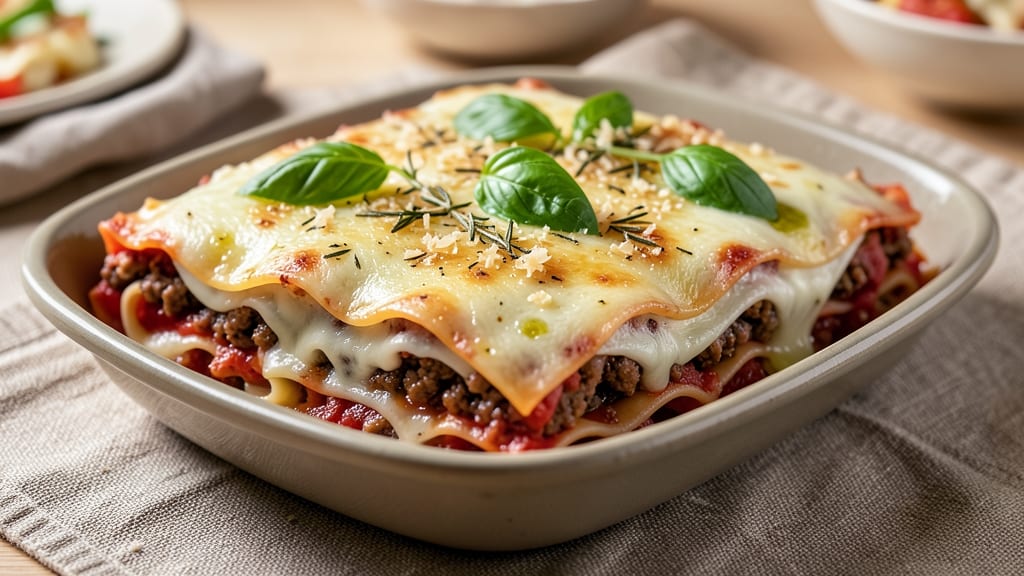
This minced pork lasagna recipe brings the heart of Italian comfort food to your kitchen with layers of tender pork, rich tomato sauce, and perfectly chewy noodles. 🌟 As someone who's spent years perfecting pork dishes at The Smoky Pig, I've learned that the secret lies in slow-cooking the pork until it's melt-in-your-mouth tender while building deep, savory flavors in the sauce.
The beauty of this recipe is its balance between tradition and adaptability. We'll use fresh lasagna noodles for that classic chewy texture, but quick-cook noodles work in a pinch.
The minced pork gets cooked with aromatic herbs and vegetables until it's so tender it practically dissolves, then layered with tomato sauce, melted cheese, and fresh basil for that authentic Italian touch.
What you'll end up with is a lasagna that's rich, hearty, and packed with layers of flavor—each bite delivers tender pork, creamy cheese, and that perfect al dente noodle texture.
The slow baking process allows all those flavors to meld together, creating something that's both comforting and impressive enough for company.
Perfect for family dinners or special occasions, this lasagna keeps well for leftovers and tastes even better the next day. Let's get started on creating your own restaurant-quality Italian masterpiece at home.
Ingredients for minced pork lasagna
Pantry staples plus a few fresh ingredients for that restaurant-quality lasagna flavor.
| Ingredient | Amount | Notes |
|---|---|---|
| Minced Pork 🐖 | 1 ½ lb | Ground pork, lean or fatty |
| Fresh Lasagna Noodles 🍝 | 12 pieces | No-boil preferred, or regular |
| Tomato Sauce 🍅 | 2 ½ cups | High-quality jarred or homemade |
| Ricotta Cheese 🧀 | 1 ½ cups | Whole milk, not low-fat |
| Mozzarella Cheese 🧀 | 2 cups | Shredded, part-skim or whole milk |
| Parmesan Cheese 🧀 | ½ cup | Freshly grated from block |
| Yellow Onion 🧅 | 1 whole | Medium size, finely chopped |
| Carrots 🥕 | 2 medium | Peeled, finely diced |
| Garlic Cloves 🧄 | 4 cloves | Minced, fresh preferred |
| Fresh Basil 🌿 | ⅓ cup | Chopped, stems removed |
| Olive Oil 🫒 | ½ cup | Extra-virgin for richness |
| Ground Black Pepper 🌶️ | 1 tsp | Freshly cracked |
| Salt 🧂 | 1 ½ tsp | Kosher or sea salt |
| Dried Oregano 🍃 | 1 tsp | Italian blend preferred |
| Red Wine 🍷 | ½ cup | Dry, like Chianti |
The pork is where the magic happens—ground pork (not lean ground beef) gives that authentic Italian richness. Costco or Trader Joe's usually have the best prices for bulk ground pork. For the noodles, no-boil lasagna noodles save time, but regular lasagna noodles work if you boil them first. The ricotta should be whole-milk—low-fat gets watery when baked. I always buy a block of Parmigiano-Reggiano to grate myself; pre-shredded has anti-caking agents that make it taste weird.
No ricotta? Cottage cheese blended smooth works in a pinch (drain excess liquid first). Short on mozzarella? Fontina or provolone melts beautifully too. The carrots can be swapped for celery or zucchini if you prefer. No red wine? Beef broth with a splash of balsamic mimics the depth. Fresh basil is ideal, but dried oregano at half the amount gets you close. For the tomato sauce, Rao's or Barilla are my go-tos—just check for no added sugar.
Assemble the lasagna the night before and refrigerate—it bakes faster cold. Leftovers keep 4-5 days in the fridge, and freezes beautifully for 3 months. I always portion mine into individual servings before freezing so I can just reheat what I need. The cheese gets extra gooey when reheated, so cover it tightly with foil while baking to prevent drying out.
Why You'll Love This Recipe
- No Boil Required: I swear by fresh lasagna noodles here—just a quick toss in hot water for 2 minutes, and they’re ready. No waiting an hour for dried noodles to cook through, and they hold up perfectly without getting mushy.
- Rich Without Fuss: That minced pork browns up fast with garlic and herbs, soaking into the tomato sauce like a dream. The ricotta stretches into creamy layers, and the mozzarella melts into a golden crust—no fancy techniques, just layers of flavor that taste like you spent all day.
- Leftovers That Don’t Suck: Between us, lasagna always tastes better the next day. The noodles soften just enough, the pork stays juicy, and the cheese pulls together even tighter. I make double batches on Sundays and freeze half—no sad, dry reheats, just restaurant-quality seconds.
- Budget-Friendly Feast: Ground pork stretches further than you’d think, and ricotta and mozzarella are cheaper than you’d guess for a dish this impressive. Fresh noodles might cost a little more, but they’re worth it—this feeds six for under $20, and everyone leaves happy (and full).
Step-by-step instructions for minced pork lasagna
Let's build this hearty lasagna layer by layer—each step brings you closer to that perfect balance of tender pork, rich sauce, and gooey cheese.
🍳 Step 1: Brown the Pork and Sauté the Vegetables
Heat 0.25 cup of the olive oil in a large skillet over medium-high heat. Add the 1.5 lb minced pork, breaking it up with a wooden spoon as it cooks. Let it brown undisturbed for 3-4 minutes until the edges start to crisp—that's when you know the meat is releasing its juices and building flavor.
Push the pork to one side of the pan and add the remaining 0.25 cup olive oil. Toss in the 1 whole yellow onion and 2 medium carrots, cooking for 5 minutes until they soften and the onion becomes translucent. Stir in the 4 cloves minced garlic and cook for another 30 seconds until fragrant—this is where the foundation of your lasagna flavor begins.
Pour in the 0.5 cup red wine and scrape up any browned bits from the bottom of the pan. Let it simmer for 2 minutes until the wine reduces by half. This step deepens the flavor and removes any raw taste from the alcohol.
🍳 Step 2: Build the Rich Meat Sauce
Reduce heat to medium-low and stir in the 2.5 cups tomato sauce, 1 tsp dried oregano, 1 tsp ground black pepper, and 1.5 tsp salt. Let the sauce simmer uncovered for 15 minutes, stirring occasionally, until it thickens slightly. You want it to coat the back of a spoon but still be saucy enough to cling to the noodles.
Real talk: This is the moment that matters. If the sauce looks too thin, simmer it longer. If it's too thick, add a splash of water or a little pasta water later. The perfect consistency ensures each layer stays moist and flavorful.
Remove the sauce from heat and stir in the 0.33 cup chopped fresh basil. Let it steep for 5 minutes while you prepare the next layers—this infuses the sauce with bright, fresh flavor that cuts through the richness.
🥘 Step 3: Assemble the Lasagna Layers
Preheat your oven to 375°F. Grease a 9x13-inch baking dish with olive oil—this prevents sticking and makes cleanup easier. Spread ½ cup of the meat sauce on the bottom to create a flavorful base.
Layer the ingredients in this order: a third of the fresh lasagna noodles, half of the 1.5 cups ricotta cheese (spread evenly), half of the 2 cups mozzarella cheese, and a third of the remaining meat sauce. Repeat this sequence once more, then top with the final third of noodles, remaining ricotta, mozzarella, and sauce.
Here's the thing—don't overfill the dish. The cheese should be visible between layers; otherwise, it won't melt properly. Sprinkle the 0.5 cup grated parmesan cheese evenly over the top for that nutty, salty finish.
🔥 Step 4: Bake to Golden Perfection
Cover the lasagna tightly with aluminum foil and bake for 30 minutes. This initial covered bake allows the layers to soften and the cheese to begin melting without browning too quickly. After 30 minutes, remove the foil and bake for another 15-20 minutes until the top is golden brown and bubbly.
You'll know it's done when the edges are crispy and the cheese has turned a beautiful golden color. If the top browns too quickly, tent it loosely with foil for the last 5 minutes to prevent burning.
Let the lasagna rest for 10 minutes before slicing. This resting time allows the layers to set and makes it easier to cut clean, neat portions. The cheese will continue to melt slightly, creating that perfect creamy texture in every bite.
🍽️ Step 5: Serve and Enjoy
Slice the lasagna into 6 equal portions (about 2 inches wide) and serve immediately. Each bite should deliver a perfect harmony of tender pork, rich tomato sauce, creamy ricotta, and melty mozzarella. The fresh basil adds a bright finish that makes every forkful feel fresh.
For extra flair, garnish each serving with a sprinkle of fresh basil leaves and a crack of black pepper. Pair it with a simple green salad and crusty bread to soak up any extra sauce. Leftovers? They reheat beautifully—just cover with foil and warm in the oven at 350°F for 15 minutes.
Pro Tips For Making Minced Pork Lasagna
- Brown the Pork Properly: I learned this the hard way—rushing the pork over medium heat leaves it bland and greasy. Use a heavy pan, high heat, and break it into small chunks before cooking. Sear until the edges crisp and the fat renders almost completely, then finish with garlic and herbs. That’s when the flavor actually develops.
- Pre-Cook the Noodles Halfway: Fresh lasagna noodles need to soften but not fall apart. Boil them for 2 minutes less than the package says, then drain and toss with olive oil. They’ll finish cooking in the oven, staying sturdy enough to hold layers. (Yes, even if you’re impatient like me.)
- Don’t Overmix the Ricotta: Stirring ricotta too much makes it dense and rubbery—no one wants that. Gently fold in eggs, Parmesan, and herbs with a spatula, leaving streaks. A few lumps? Doesn’t matter. The texture stays light and creamy when baked.
- Layer Sauce Like a Pro: Skip the thick, soggy bottom by spreading a thin even layer of tomato sauce on the tray first. Then alternate noodles, pork, ricotta, and mozzarella—no double layers. End with sauce on top to seal everything in. (Your future self will thank you.)
Essential equipment for minced pork lasagna
Pasta Maker
If you're making fresh lasagna noodles from scratch, a pasta maker is a game-changer. I use my Imperia pasta machine—it's durable and handles dough beautifully. For the perfect lasagna noodles, roll the dough through the widest setting first, then gradually thin it down to about 1/16-inch thick.
If you don’t have one, a rolling pin works, but it’s more labor-intensive. 💫
Baking Dish
A 9x13-inch glass baking dish is essential for even heat distribution and easy serving. I prefer CorningWare—it’s sturdy and retains heat well. If you don’t have glass, a heavy-duty stainless steel pan works too, but grease it well to prevent sticking.
Avoid dark-colored pans; they can make the bottom overcook.
Mixing Bowls
Use two medium-sized mixing bowls—one for the ricotta mixture and one for the meat sauce. I love my Le Creuset stoneware bowls because they’re non-reactive and stay cool to the touch.
For the ricotta, mix it with 2 eggs (not listed in the recipe but trust me, it’s key!) and a pinch of salt to create a creamy, cohesive layer.
Cheese Grater
Freshly grated Parmigiano-Reggiano makes all the difference. My Microplane grater gives me fine, even shreds without the clumps. If you’re using pre-shredded cheese, skip this tool—but I’d still recommend grating your own for that authentic flavor. For mozzarella, a box grater works well for larger shreds.
Measuring Cups
Precision matters, especially with cheese and sauce. I use stainless steel measuring cups from OXO—they’re durable and easy to read. For the ricotta and mozzarella, pack the cheese into the cups firmly to avoid under-measuring.
A kitchen scale is even better for accuracy, especially if you’re experimenting with cheese ratios.
Aluminum Foil
Heavy-duty aluminum foil is a must for covering your lasagna during baking. I like Reynolds Wrap because it’s sturdy and doesn’t tear easily. Use it to cover the lasagna tightly for the first 30 minutes of baking, then uncover to let it brown.
Pro tip: Crimp the edges to seal in moisture and prevent cheese from drying out. 🔥
Nutrition facts
Frequently asked questions
Can I use ground beef instead of minced pork?
While ground beef works in a pinch, pork gives a more authentic Italian flavor and tender texture. For the best results, stick with pork, but if you must substitute, use 80% lean ground beef and add 1 teaspoon Italian seasoning to mimic pork's richness. The fat content should be similar to pork's natural marbling.
How do I prevent soggy lasagna noodles?
Use no-boil lasagna noodles if possible—they absorb sauce without getting mushy. If using regular noodles, boil them 1 minute less than package instructions. The key is baking time: cover with foil for the first 30 minutes to trap steam, then uncover to crisp the top.
What's the best way to make this lasagna ahead of time?
Assemble the lasagna up to 24 hours ahead and refrigerate uncovered. Before baking, let it sit at room temperature for 30 minutes to even out. This prevents uneven baking. For freezing, bake completely, then cool and wrap tightly in foil. Freeze for up to 3 months and reheat at 350°F for 45 minutes.
Can I make this gluten-free?
Use gluten-free lasagna noodles (like Barilla or Jovial) and ensure your tomato sauce is certified gluten-free. For the ricotta layer, check that it contains no wheat starch. The rest of the ingredients are naturally gluten-free, but always verify labels for hidden additives.
Why did my lasagna turn out dry?
Overbaking is the most common cause. Check your lasagna after 45 minutes—it should be bubbly but not browned. If the top browns too quickly, tent with foil. Also ensure you're using enough sauce between layers (about ½ cup per layer