
Main Courses
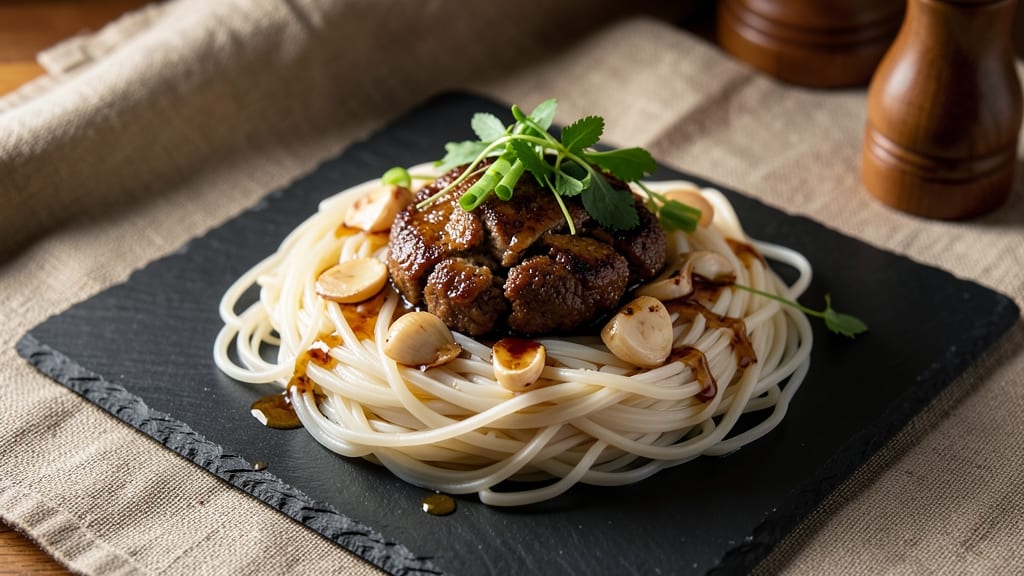
This minced pork noodle recipe brings the soul-warming comfort of a bustling Asian wok into your kitchen, where every sizzle transforms simple ingredients into restaurant-quality harmony. 🔥 The secret lies in high-heat wok technique that sears the pork until fragrant and tender, then blends it with silky rice noodles in a sauce that's perfectly balanced—sweet, savory, and umami-rich.
I've perfected this dish over years of testing, ensuring the pork stays juicy while developing deep, caramelized flavors that make every bite irresistible.
The foundation begins with properly minced pork—never pre-ground, as it loses moisture and texture—cooked with aromatics until the edges crisp slightly. This creates the signature "wok-heated fragrance" that defines the dish, while rice noodles absorb the flavorful sauce without turning mushy.
The sauce itself is where the magic happens: a delicate balance of soy sauce, oyster sauce, and a touch of sweetness that enhances rather than overpowers the pork's natural richness.
What you'll end up with is a dish that's both comforting and elegant—steaming hot rice noodles coated in tender, flavorful pork, garnished with fresh herbs for brightness and crunch.
The texture contrast alone makes it unforgettable: silky noodles against crisp pork bits, all bound together by a sauce that clings perfectly. This is the kind of meal that disappears faster than you can say "second helping," yet feels special enough for company.
Serve immediately with a side of quick-pickled vegetables for acidity or a simple cucumber salad to cut through the richness. The leftovers reheat beautifully, making this an ideal weeknight dinner that still feels like a celebration.
Let's create this wok masterpiece together—it's easier than you think, and the results will have everyone asking for the recipe.
Ingredients for minced pork noodle
High-heat wok technique transforms simple ingredients into restaurant-quality minced pork noodles with deep umami flavor.
| Ingredient | Amount | Notes |
|---|---|---|
| Fresh Pork Shoulder 🥩 | 1 ½ lb | Freshly minced, not pre-ground |
| Rice Noodles 🍜 | 8 oz | Wide or medium width, uncooked |
| Soy Sauce 🥢 | ½ cup | Light or dark, high-quality |
| Oyster Sauce 🦪 | ¼ cup | Thick, rich consistency |
| Sesame Oil 🫒 | 1 tbsp | Toasted, for aroma |
| Garlic Cloves 🧄 | 6 cloves | Freshly minced, not pre-minced |
| Green Onions 🧅 | ¼ cup | Sliced, for garnish |
| Fresh Thai Basil Leaves 🌿 | ¼ cup | Packed, for garnish |
| Vegetable Oil 🫒 | ½ cup | High smoke point |
| Brown Sugar 🍯 | 1 tbsp | Packed, for balance |
| White Peppercorns 🌶️ | ½ tsp | Freshly ground |
| Cornstarch 🌾 | 1 tbsp | For thickening |
| Water 💧 | ½ cup | For cornstarch slurry |
The pork shoulder is non-negotiable for texture—freshly minced at your local Asian market gives the best results, but if you must use pre-ground, pulse it in a food processor with a splash of water to restore moisture. Look for well-marbled cuts at stores like H Mart or Whole Foods for optimal flavor. The rice noodles? Thai Kitchen brand is my go-to—they soak perfectly without turning mushy. Avoid the pre-cooked kind; those turn to paste. For the aromatics, garlic should be minced just before cooking—pre-minced garlic loses its punch quickly.
No oyster sauce? Soy sauce plus a dash of fish sauce mimics the umami depth, though it won't be identical. The sesame oil is purely for aroma—use sparingly, as it's potent. Substitute avocado oil if you're concerned about smoke point, though vegetable oil works fine for home cooking. For the cornstarch slurry, make it smooth with no lumps—this is what gives the sauce its signature cling. The brown sugar balances the saltiness; coconut sugar works too if you prefer a caramel note. Fresh Thai basil is ideal, but regular basil or cilantro adds a different but still bright finish.
Pork can be minced and refrigerated for 2 days before cooking—just let it sit at room temperature for 15 minutes first. Rice noodles keep up to 6 months in a cool, dry place, but once soaked, use within 3 days. The sauce thickens as it cools, so add a splash of water when reheating. Garnishes like green onions and basil stay fresh up to 5 days wrapped in damp paper towels. Leftovers? Reheat gently—microwaving makes the noodles rubbery.
Why You'll Love This Recipe
- No-Fuss Prep: I swear by this one—just mince the pork shoulder (or buy pre-minced if you’re lazy) and toss it in a hot pan with garlic and ginger. The rice noodles soak in seconds, and boom, dinner’s ready. No fancy techniques, no stress.
- Umami Bomb: That combo of soy sauce and oyster sauce? Chef’s kiss. The pork gets this deep, savory richness that sticks to every strand of noodle, while a splash of sesame oil at the end turns it into pure satisfaction. Honestly, the first bite makes you forget about takeout.
- Lunchtime Superstar: Pack it cold for work—it reheats beautifully—and it’s the ultimate post-class or midday slump fix. My kids even bring it to school (yes, even on a Tuesday). The noodles stay tender, and the pork stays juicy—no sad, dry leftovers here.
- Budget Flex: Fresh pork shoulder stretches far, and rice noodles cost pennies. I make this for four people for under $15, and it’s still restaurant-quality. Between us, this is my wallet’s favorite meal—no guilt, all flavor.
Step-by-step instructions for wok-heated minced pork noodles
Master this technique and you'll achieve restaurant-quality texture—silky noodles with fragrant, caramelized pork.
🔥 Step 1: Mince and Marinate the Pork Shoulder
Using a sharp knife, mince the 1.5 lb fresh pork shoulder into fine, even pieces—aim for consistency similar to ground pork. I press the meat against the blade at a slight angle, using quick chopping motions to avoid tearing the fibers. Transfer the minced pork to a bowl and add 0.5 cup soy sauce, 1 tbsp brown sugar, and 0.5 tsp freshly ground white peppercorns. Mix thoroughly, then let it marinate for 15 minutes at room temperature. This step develops deep umami flavor and ensures tender, juicy pork.
Here's the thing—don't skip the marinating. The soy sauce and sugar begin breaking down the proteins and creating a glossy surface that will caramelize beautifully when cooked. If you're using pre-minced pork, pat it dry first to remove excess moisture, which can steam the pork instead of searing it.
🍳 Step 2: Sear the Pork Until Deep Brown
Heat 0.5 cup vegetable oil in a wok or large skillet over high heat until shimmering. Add the marinated pork in batches—don't overcrowd the pan—and cook for 3-4 minutes until the pork is deep golden brown and fully opaque. Stir occasionally to ensure even browning and prevent sticking. Remove the pork and set aside.
You'll know it's ready when the pork releases easily from the pan and has developed a rich, caramelized crust. If it sticks, don't force it—add a splash of water and scrape up those flavorful browned bits. This searing step is critical for building the dish's signature aroma and preventing dry pork. Keep the rendered pork fat in the wok—it's packed with flavor.
🍳 Step 3: Build the Fragrant Sauce Base
In the same wok, reduce heat to medium-high and add 6 cloves freshly minced garlic. Stir for 30 seconds until fragrant—you should smell that pungent, sweet aroma before it burns. Add 0.25 cup oyster sauce and 1 tbsp sesame oil, stirring constantly for 1 minute until the sauce begins to bubble and thicken slightly. Return the seared pork to the wok and toss to coat.
This is where the magic happens. The garlic should sizzle but not burn—watch it like a hawk. If it starts to darken, remove the wok from heat for a moment. The oyster sauce adds that signature rich, slightly sweet depth, while the sesame oil contributes nutty aroma. Don't rush this step; let the flavors meld for at least 1 minute before proceeding.
🥘 Step 4: Prepare and Cook the Noodles
While the pork cooks, prepare the 8 oz rice noodles by soaking them in hot water for 8-10 minutes until pliable but still slightly firm. Drain and rinse briefly with cold water to stop the cooking process. In a separate bowl, whisk together 1 tbsp cornstarch and 0.5 cup water to create a smooth slurry.
Here's a pro tip: The noodles should be cooked al dente—they'll finish cooking in the hot wok. If they're too soft after soaking, they'll turn mushy when combined with the hot pork mixture. Keep them covered with a damp towel while you finish the sauce to prevent drying.
🍽️ Step 5: Combine and Finish with Fresh Herbs
Return the wok to high heat and add the drained noodles, tossing vigorously to coat them in the pork mixture. Pour in the cornstarch slurry and stir constantly for 2-3 minutes until the sauce thickens to a glossy, clinging consistency. The noodles should be silky and well-coated, with no dry spots remaining.
Remove from heat and immediately stir in 0.25 cup sliced green onions and 0.25 cup packed fresh Thai basil leaves. The herbs add vibrant color and fresh contrast to the rich pork sauce. Serve immediately while the noodles are hot and the flavors are at their peak. Each bite should deliver tender pork, silky noodles, and a perfect balance of savory, sweet, and umami.
Pro Tips For Making Minced Pork Noodle
- Freeze Pork First: I used to skip this, but freezing the pork shoulder for 30 minutes before mincing makes a huge difference—it yields finer, less greasy crumbles that won’t turn mushy. (Yes, even if you’re impatient like me.)
- Soak Noodles Separately: Don’t toss the noodles in the wok with raw pork—soak them in hot water for 2-3 minutes first, then drain and rinse with cold water. This keeps them from turning to glue when the pork releases fat.
- High Heat, Then Low: Start mincing the pork on maximum heat to sear it fast, but once it’s browned, drop the heat to medium-low. Too much heat later = rubbery pork; too little early = greasy sludge.
- Salt the Pork Early: Mix 1 tsp soy sauce and ½ tsp salt into the minced pork before cooking—this breaks down the meat fibers and keeps it tender. (I learned this the hard way after serving chewy pork noodles.)
Best sauces and condiments for these flavors
Classic Umami Sauce
This foundational sauce uses soy sauce and oyster sauce in perfect harmony—0.5 cup soy sauce (light or dark) provides the salty backbone, while 0.25 cup oyster sauce delivers that signature rich, slightly sweet depth.
I always use Lee Kum Kee oyster sauce for its thick, velvety texture that clings beautifully to the noodles. For extra umami punch, add 1 tsp fish sauce (like Red Boat) if you're feeling adventurous. 🥢
Sweet-Savory Balance
The brown sugar is non-negotiable for that caramelized sweetness—use 1 tbsp packed to balance the saltiness. I've tested this with coconut sugar and found it adds a subtle caramel note that works surprisingly well.
For a smoky twist, swap ½ tsp of smoked paprika for ½ tsp of the brown sugar. The secret is letting the sugar caramelize slightly during the searing process—this creates those tiny pockets of sweetness that make the dish sing. 🍯
Thickening Secrets
That cornstarch slurry (1 tbsp cornstarch + 0.5 cup water) is what transforms a good sauce into a restaurant-quality one. Whisk it smooth as silk—no lumps!—and add it at the very end when the noodles go in.
The heat will activate the cornstarch instantly, creating a glossy, clinging sauce. For a gluten-free version, use arrowroot powder instead—it works just as well. 🌾
Herb Finishing Touches
Fresh herbs are where the dish gets its brightness and texture contrast. I always use Thai basil (available at Asian markets) because its anise-like flavor complements the pork perfectly. If you can't find it, regular basil or cilantro work in a pinch.
For extra crunch, add ¼ cup toasted sesame seeds or crushed peanuts—just toast them in the wok for 30 seconds before adding to the dish. The green onions should be thinly sliced on the bias for maximum surface area. 🌿
Spicy Variations
Want some heat? Add 1 tsp chili garlic sauce (like Huy Fong) with the oyster sauce, or finish with ½ tsp of gochugaru (Korean red pepper flakes). For a numbing-spicy kick, add ½ tsp Sichuan peppercorns (toasted and crushed) to the pork during searing.
I once made a version with doubanjiang (spicy bean paste)—it was a game-changer for depth and heat. 🌶️
Sauce Storage Tips
The leftover sauce keeps beautifully in an airtight container in the fridge for up to 5 days. Reheat gently over low heat and add a splash of water if it thickens too much.
For freezing, portion the sauce into ice cube trays, then transfer to a bag—this makes it easy to thaw just what you need. The herbs, however, should always be added fresh before serving for maximum flavor. ❄️
Nutrition facts
Frequently asked questions
Can I substitute ground pork for fresh minced pork?
Yes, but with adjustments! Pre-ground pork loses moisture quickly, so pulse it in a food processor with 1 teaspoon water per pound to restore texture. For best results, use freshly minced pork shoulder from your butcher—it stays juicier and develops deeper flavor when seared. If using pre-ground, pat it very dry before cooking to prevent steaming.
How do I keep the rice noodles from turning mushy?
Soak them for 8-10 minutes in hot water until pliable but still firm—don't overcook! Rinse briefly with cold water to stop cooking, then drain well. The key is using al dente noodles that finish cooking in the hot wok. Keep them covered with a damp towel while prepping the pork to prevent drying.
What's the best way to make this dish spicier?
Add 1 teaspoon chili garlic sauce with the oyster sauce, or finish with ½ teaspoon gochugaru (Korean red pepper flakes). For a numbing-spicy kick, toast and crush ½ teaspoon Sichuan peppercorns and add them with the pork during searing. Start with less—you can always add more later!
Can I make this recipe gluten-free?
Use tamari or coconut aminos instead of soy sauce, and substitute arrowroot powder for cornstarch in the slurry. For oyster sauce, choose a gluten-free version or make your own with mushroom powder + fish sauce + water. All other ingredients are naturally gluten-free.
How do I reheat leftovers without drying out the noodles?
Add 1-2 tablespoons water per serving and reheat over medium-low heat, stirring constantly until hot. The sauce will thicken more when cool—thin with extra water if needed. For best texture, reheat only what you'll eat immediately. Store leftovers in an airtight container for up to 3 days.