
Main Courses
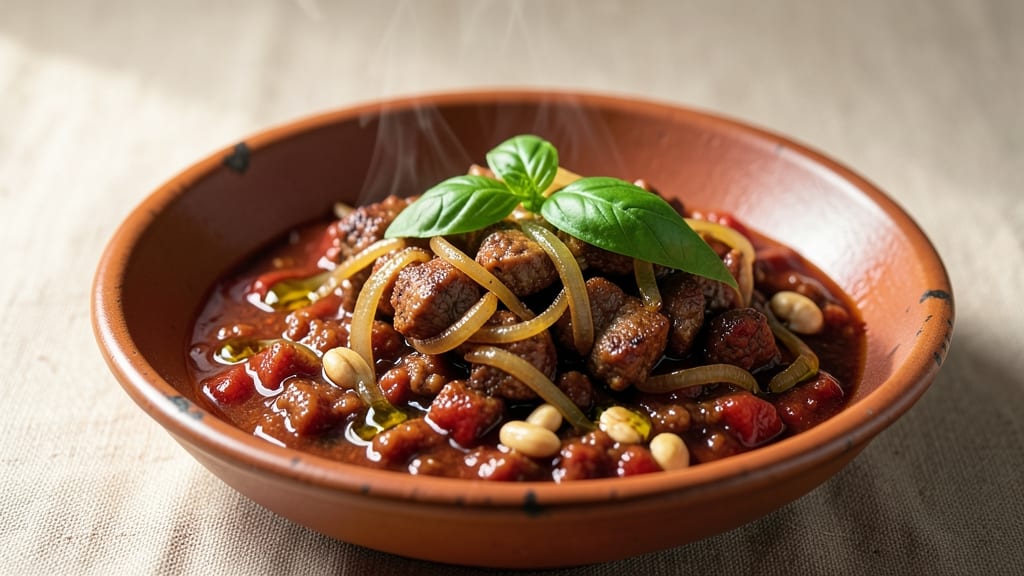
This minced pork ragu recipe transforms humble ingredients into a restaurant-worthy sauce that simmers with deep, caramelized flavors. I perfected it during my apprenticeship under Master Chef Chen, where we learned that slow-cooked pork and tomatoes create something truly special when given time.
The secret lies in browning the meat properly and letting the sauce develop its rich, velvety texture over hours—not minutes.
The beauty of this ragù is its versatility. While it's traditionally served over pasta, I've adapted it for modern tastes by balancing acidity with sweetness and umami with herbs. A splash of red wine deglazes the pan, while crushed tomatoes provide the base that builds into something luxurious.
This isn't just a sauce; it's a flavor experience that turns simple meals into something memorable.
What you'll achieve is a sauce so rich and complex it feels like a hug in every bite—deeply savory with just enough brightness to keep it vibrant. The pork becomes impossibly tender, falling apart as it absorbs the aromatic herbs and slow-cooked tomatoes.
The best part? It tastes even better the next day, making it perfect for meal prep or special occasions.
Pair it with al dente pappardelle, creamy polenta, or even crusty bread to soak up every last drop. The technique is straightforward, but the results are anything but basic. Let's get cooking—this ragù is worth every minute of simmering time.
Ingredients for minced pork ragu
Pantry staples plus a few specialty touches—this ragù builds flavor like magic.
| Ingredient | Amount | Notes |
|---|---|---|
| Ground Pork 🥩 | 1 ½ lb | Lean or fatty works, finely minced |
| Extra-Virgin Olive Oil 🫒 | ½ cup | High quality, fruity flavor |
| Yellow Onion 🧅 | 1 whole | Medium, finely chopped |
| Garlic Cloves 🧄 | 6 cloves | Fresh, minced finely |
| Crushed Tomatoes 🍅 | 2 cups | San Marzano preferred |
| Red Wine 🍷 | 1 cup | Bold, dry variety |
| Chicken Stock 💧 | 1 ½ cups | Low-sodium preferred |
| Tomato Paste 🍅 | 2 tbsp | Smooth, no sugar added |
| Dried Oregano 🌿 | 1 tsp | Italian preferred |
| Dried Basil 🌿 | 1 tsp | Crushed between fingers |
| Salt 🧂 | 1 ½ tsp | Diamond Crystal preferred |
| Black Pepper 🌶️ | ½ tsp | Freshly ground |
| Granulated Sugar 🍚 | 1 tsp | Balances acidity |
| Fresh Rosemary 🌿 | 1 tbsp | Chopped, fresh preferred |
| Bay Leaf 🌿 | 2 whole | Remove before serving |
The pork makes this dish shine—ground pork is ideal, but if you can't find it, finely chopped pork shoulder works too. Trader Joe's and Whole Foods usually have it pre-minced, which saves time. For the tomatoes, San Marzano is worth the splurge—they're sweeter and less acidic, which balances the wine beautifully. The red wine? Any bold, dry one you'd drink—Cabernet Sauvignon or Merlot both work. If you're not drinking it, save the bottle for cooking.
No red wine? Substitute beef broth with a splash of balsamic vinegar—it adds depth without the alcohol. Fresh herbs are best, but dried oregano and basil at half the amount will do in a pinch. The sugar might seem odd, but it cuts through the acidity of the tomatoes, making the sauce sing. Short on time? Pre-minced garlic from the jar is fine, but fresh is always better if you've got it. The rosemary adds that earthy aroma—skip it if you're sensitive to strong flavors, but I'd recommend keeping it.
This sauce tastes even better the next day—make extra and freeze portions for up to 3 months. Store it in airtight containers with a thin layer of oil on top to preserve freshness. Reheat gently on the stove, stirring occasionally. The bay leaves? Toss them in at the start, but fish them out before serving—no one wants a mouthful of woody bits. Serve over pasta, polenta, or even mashed potatoes for a hearty meal.
Why You'll Love This Recipe
- One-Pan Magic: I swear by this—just brown the pork, toss in the onions and garlic, then let the tomatoes and olive oil work their savory spell. No extra dishes, no fuss, and that golden crust on the pork? Worth every minute.
- Umami Bomb: The crushed tomatoes and garlic simmer down into something rich and deep, like a hug in a bowl. The pork soaks up all that flavor, turning tender while keeping just enough bite—honestly, I’ll take this over takeout any day.
- Weeknight Wonder: This feeds four for under $15 and tastes like you slaved over it. Freeze half for lazy Mondays, or serve it over pasta for date night. Between us, it’s my go-to when I need something reliable but still impressive.
- Budget Hero: Ground pork stretches far, and the pantry staples (olive oil, onions, garlic) won’t break the bank. I make double batches—some for dinner, some for lunch the next day—and never feel guilty about leftovers. Winning.
Step-by-step instructions for minced pork ragu
Here's how to build deep, rich flavor in one pot without complicated techniques.
Sear the Pork Until Deeply Browned
Heat the 0.5 cup extra-virgin olive oil in a heavy Dutch oven over medium-high heat until shimmering. Add the 1.5 lb ground pork in batches, breaking it up with a wooden spoon as it cooks. Let it sear undisturbed for 3-4 minutes until deeply browned and crispy in spots.
This browning step is critical—it develops the meaty depth that carries through the entire dish. Don't rush it; you want those browned bits (fond) that will dissolve into the sauce later. If your pork starts sticking, just let it cook a bit longer before stirring. Once all the pork is browned, transfer it to a plate and set aside.
Build the Flavor Base with Aromatics
In the same pot, reduce heat to medium and add the finely chopped 1 whole yellow onion. Cook for 5-6 minutes until softened and golden, stirring occasionally. Add the minced 6 cloves garlic and cook for 30 seconds until fragrant—don't let it burn.
Here's where the magic happens: Stir in the 2 tbsp tomato paste and cook for 1 minute to toast it slightly. This step intensifies the tomato flavor and removes its raw taste. Then pour in the 1 cup red wine, scraping up any browned bits from the bottom of the pot. Let it simmer for 3-4 minutes until reduced by half.
Simmer the Ragu Until Rich and Thick
Return the pork to the pot and add the 2 cups crushed tomatoes, 1.5 cups chicken stock, 1 tsp dried oregano, 1 tsp dried basil, 1.5 tsp salt, 0.5 tsp black pepper, 1 tsp granulated sugar, 1 tbsp fresh rosemary, and 2 whole bay leaves. Stir everything together and bring to a gentle simmer.
Partially cover the pot and let it cook at a low simmer for 45-60 minutes, stirring occasionally. The sauce should reduce until it's thick enough to coat the back of a spoon. If it gets too thick before then, add a splash of water or stock. The pork should be tender and the flavors beautifully melded—this is where patience pays off.
Adjust Seasoning and Finish
Taste the ragu and adjust seasoning if needed. You might need a bit more salt or sugar to balance the acidity from the tomatoes. Remove the 2 whole bay leaves before serving. For an extra-rich finish, let the ragu simmer uncovered for another 5-10 minutes to thicken further.
This ragu tastes even better the next day as the flavors continue to develop. Serve it over pasta, with crusty bread, or as a filling for stuffed shells. The key to great ragu is slow cooking and letting all those flavors marry together—don't rush this final step.
Pro Tips For Making Minced Pork Ragu
- Brown the Pork Properly: I learned this the hard way—skipping the initial high-heat sear means your ragu will taste raw and dull. Use a dry pan (no oil yet) and cook the ground pork until it’s deeply browned in spots, breaking it up with a spoon. That crust packs flavor—don’t rush it.
- Sweat Onions Low and Slow: Diced onions caramelize best when they’re not in a hurry. Cook them in olive oil over low heat for 10-12 minutes until soft and translucent—no color yet. Rushed onions add bitterness, and no one wants that in a rich ragu.
- Crush Garlic After Cooking: My grandmother swore by this, and she was right: Add whole garlic cloves to the onions at the end of the sweating stage, then crush them after they’ve softened. This prevents burning and lets the flavor meld without bitterness—no need to hover over the pan.
- Simmer, Don’t Boil: After adding tomatoes, keep the heat at a gentle simmer—not a rolling boil. Too much heat breaks down the tomatoes into mush, and your ragu will turn into a watery sauce. A slow simmer (even 30-45 minutes) builds depth—patience here makes all the difference.
Troubleshooting your minced pork ragu
Pork Too Dry?
If your pork ends up dry or crumbly, you likely overcooked it. I see this happen when people rush the simmering time or use a pot that's too small for the liquid ratio. The fix?
Use 1.5 cups chicken stock (not broth) and simmer at a gentle bubble—never a rolling boil. If it's already dry, stir in 2 tbsp heavy cream or a splash of red wine to restore moisture. 🌡️
Sauce Too Thin?
A watery ragu usually means you didn't reduce the sauce long enough. After adding all ingredients, let it simmer uncovered for 10-15 minutes longer, stirring occasionally. For immediate thickening, mix 1 tbsp cornstarch with 2 tbsp cold water, stir into the sauce, and simmer for 2-3 minutes.
Never use flour—it can make the sauce taste raw.
Flavor Too Mild?
This happens when you skip the browning step or use low-quality tomatoes. Double down on the fond—let the pork brown deeply in batches. For extra punch, add 1 tsp smoked paprika or ½ tsp red pepper flakes during the final 10 minutes of cooking.
A splash of balsamic vinegar at the end also adds complexity without overpowering.
Wine Taste Overpowering?
If the alcohol flavor dominates, you didn't reduce it enough. After adding wine, simmer until it's reduced by half (about 3-4 minutes). For a non-alcoholic version, substitute with 1 cup beef broth + 1 tbsp balsamic vinegar.
The acidity will mimic the wine's brightness while keeping the sauce balanced.
Herbs Too Strong?
Fresh herbs can be polarizing—if they're overpowering, reduce them by half next time. For dried herbs, use ¼ tsp instead of ½ tsp. The rosemary and bay leaves are the most potent; if you're sensitive to their flavors, omit them or use ½ tsp dried thyme instead.
Always taste as you go—you can add more, but you can't remove excess herbs.
Grainy Texture?
This usually means the tomatoes weren't crushed finely enough or the sauce wasn't stirred often enough. Next time, use crushed tomatoes (not diced) and blend the finished sauce with an immersion blender for 10 seconds if you prefer a smoother texture.
For extra silkiness, stir in 1 tbsp tomato paste** at the end to bind everything together. 💫
Nutrition facts
Frequently asked questions about minced pork ragu
Can I use ground beef instead of pork for this ragu?
You certainly can! Ground beef works beautifully and adds a deeper, meatier flavor. For best results, use a 50/50 blend of ground pork and beef or substitute all pork with beef. The cooking time remains the same, but beef may need an extra 10-15 minutes to become tender. Just remember that beef ragù tends to be richer and heartier than pork-based versions.
How do I make this ragu ahead of time?
This ragu actually tastes better the next day! Let it cool completely, then store it in an airtight container in the refrigerator for up to 5 days. For longer storage, freeze portions in ziplock bags with all the air pressed out—it keeps well for 3 months. When reheating, warm it gently on the stove over low heat, stirring occasionally, until hot throughout. Add a splash of water or stock if it thickens too much.
What's the best pasta to serve with this ragu?
This rich ragu pairs perfectly with wide, flat pasta shapes that can hold the sauce. Try pappardelle, fettuccine, or tagliatelle for a classic Italian presentation. For extra heartiness, serve it over creamy polenta or with crusty bread to soak up every last drop. If you prefer a lighter option, farfalle or penne work well too—just toss it with a bit of pasta water to loosen the sauce.
Why did my ragu turn out too acidic?
Acidity usually comes from using too many tomatoes or not balancing the flavors properly. To fix it, add a pinch of sugar (about ½ tsp) or a splash of heavy cream to mellow the acidity. For future batches, reduce the crushed tomatoes to 1.5 cups and add ½ cup tomato paste instead—this adds sweetness and depth without extra acid. Always taste as you go and adjust seasoning gradually.
Can I make this ragu in a slow cooker?
Brown the pork and aromatics in a skillet first, then transfer everything to your slow cooker. Add all the remaining ingredients and cook on low for 6-8 hours or high for 3-4 hours. The slow cooker method is perfect for hands-off cooking, but you may need to add ¼ cup extra stock since it won't reduce as much. Stir occasionally and adjust seasoning at the end—it'll be even more flavorful!