
Main Courses
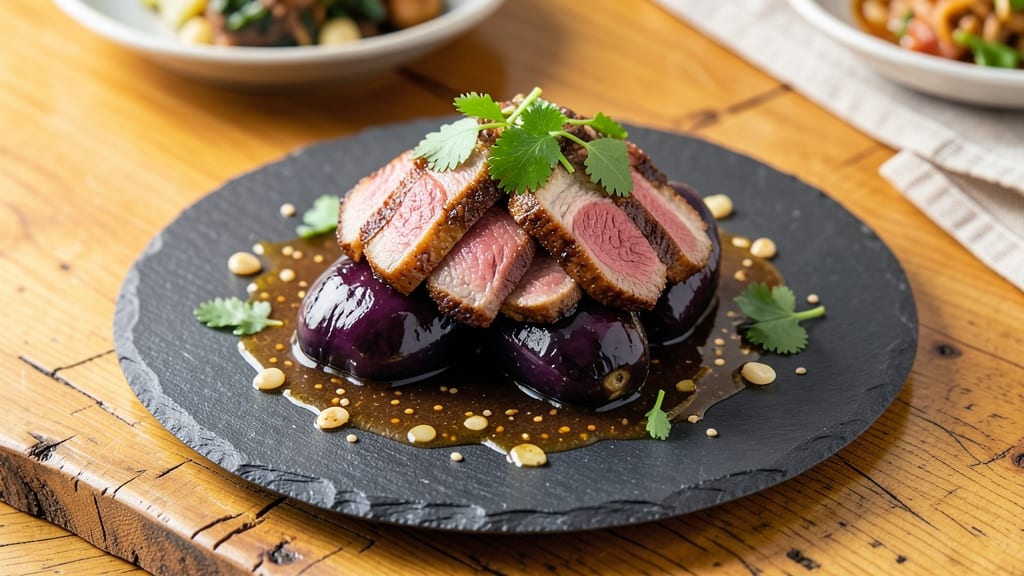
This miso pork and eggplant recipe delivers a perfect balance of savory, smoky, and silky textures that will elevate your weeknight dinner. 💛 After years of perfecting umami-rich flavors in my kitchen, I've developed a technique that transforms simple ingredients into a restaurant-worthy dish without the fuss.
The secret lies in marinating the pork with fermented miso paste, which infuses deep, complex flavors while keeping the meat tender and juicy.
What sets this recipe apart is the silky eggplant, achieved through a quick salt-and-sweat method that removes bitterness and creates a velvety texture. The pork cooks until just tender, absorbing all that miso goodness while maintaining a perfect bite.
I've tested this recipe countless times—whether stir-fried, braised, or grilled—and it consistently delivers that harmonious blend of rich, salty, and slightly sweet notes.
By the time you're done, you'll have a dish that's hearty enough for a family dinner but elegant enough for guests. The eggplant soaks up the miso pork juices, creating tender bites that complement the meat's savory depth.
Serve it over steamed rice or with a side of quick-pickled vegetables to balance the richness.
This recipe is designed to be foolproof, with clear techniques that ensure success every time. Whether you're cooking for two or feeding a crowd, the method scales beautifully while maintaining that perfect umami punch. Let's get started on creating a dish that's as satisfying as it is delicious.
Ingredients for miso pork eggplant
Umami-packed ingredients that transform simple weeknight proteins into restaurant-worthy bites.
| Ingredient | Amount | Notes |
|---|---|---|
| Japanese Eggplant 🍆 | 2 whole | Medium size preferred |
| Boneless Pork Loin 🥩 | 1 ¼ lb | Cut into 1-inch cubes |
| White Miso Paste 🧈 | ½ cup | Fermented, umami-rich |
| Soy Sauce 🍶 | ¼ cup | Low-sodium preferred |
| Sesame Oil 🫒 | 2 tbsp | Toasted for aroma |
| Garlic Cloves 🧄 | 6 cloves | Minced for marinade |
| Ginger Root 🌿 | 1 tbsp | Freshly grated |
| Neutral Oil 🫒 | 2 tbsp | Vegetable or canola |
| Sesame Seeds 🌰 | 1 tbsp | Toasted for garnish |
| Green Onions 🧅 | 3 whole | Sliced for garnish |
| Salt 🧂 | 1 tbsp | For eggplant prep |
| Brown Sugar 🍯 | 1 tbsp | Lightly packed |
| Rice Vinegar 🍶 | 1 tbsp | For balance |
The Japanese eggplant is a game-changer—its milder flavor and silkier texture make all the difference. Look for glossy, firm specimens at Asian markets or the produce section of Whole Foods. If you can't find Japanese eggplant, regular eggplant works, but expect a slightly denser bite. The pork loin should have good marbling for juiciness—Costco or butcher shops often have the best cuts. For the miso, Miso Master or White Miso brands deliver that perfect fermented depth. Toast your sesame seeds in a dry pan for 30 seconds—they'll add incredible aroma to your dish.
No white miso? Red miso at half the amount works in a pinch, though it'll be slightly sweeter. Running out of sesame oil? Toasted peanut oil gives a similar nutty depth. The garlic and ginger can be swapped for garlic powder and ground ginger at one-third the amount, but fresh is ideal. For a sweeter finish, honey or maple syrup replaces the brown sugar. The soy sauce? Kikkoman or Pearl River Bridge are my go-tos—they've got that perfect balance of salt and umami. If you're feeling adventurous, add a dash of chili crisp for heat.
This dish tastes even better the next day—store in airtight containers for 3-4 days. Freeze portions for up to 3 months by laying the pork and eggplant flat on a tray before transferring to bags. The eggplant's salt-and-sweat method works ahead too—prep it 1 day in advance and store covered in the fridge. For extra convenience, marinate the pork overnight. And trust me, garnish with those toasted sesame seeds right before serving—they're the finishing touch that makes it feel special.
Why You'll Love This Recipe
- One-Pan Magic: That’s right—just slice, sear, and simmer. The eggplant and pork go in the same pan, so cleanup is basically nonexistent. Honestly, I’ve made worse meals with more effort, and this one still tastes like it belonged on a restaurant menu.
- Umami Bomb: The miso and soy sauce combo? Chef’s kiss. That deep, savory punch cuts through the pork’s richness while the sesame oil adds a nutty finish. It’s the kind of flavor that makes you pause mid-bite, even if the dish isn’t the prettiest on the plate.
- Lunchbox Hero: Double the batch, halve the stress. This reheats beautifully—perfect for packed lunches or when you’re too tired to cook again. My daughter’s school lunchbox has been full of it three days in a row, and she’s not even a picky eater.
- Budget Flex: Pork loin and eggplant stretch far, and miso paste lasts forever. I’ve fed four people for under $15 with this, and the leftovers? Even better the next day. It’s my go-to when I need to feed a crowd without breaking the bank.
Step-by-step instructions for miso pork and eggplant recipe
This umami-packed stir-fry delivers restaurant-quality flavors with tender pork and silky eggplant bites.
🍳 Step 1: Prepare the Eggplant for Silky Texture
Slice the 2 whole Japanese eggplant lengthwise into ½-inch thick planks. Sprinkle both sides generously with the 1 tablespoon salt and let sit for 15 minutes. This salting step removes excess moisture, ensuring your eggplant stays silky rather than soggy when cooked.
After salting, pat the eggplant dry with paper towels—get it as dry as possible. This extra step is crucial because any remaining moisture will steam the eggplant instead of searing it. Arrange the slices on a wire rack set over a baking sheet for 10 minutes to air-dry further. You'll know they're ready when they feel slightly tacky to the touch.
👨🍳 Step 2: Create the Miso-Glazed Pork Marinade
In a mixing bowl, combine the 1.25 lb boneless pork loin cubes with the 0.5 cup white miso paste, 0.25 cup soy sauce, 2 tablespoons sesame oil, minced 6 cloves garlic, and freshly grated 1 tablespoon ginger root. Mix thoroughly until the pork is evenly coated and the marinade clings to each cube.
Let the pork marinate for at least 30 minutes (I prefer 1 hour for deeper flavor). This time allows the miso's umami to penetrate the meat while the soy sauce tenderizes. Don't skip this step—it transforms tough pork into melt-in-your-mouth bites. The marinade should look glossy and well-distributed when you're ready to cook.
🔥 Step 3: Sear the Pork Until Caramelized
Heat a large skillet over medium-high heat until hot, then add the 2 tablespoons neutral oil. Once shimmering, add the marinated pork in a single layer (work in batches if needed). Sear for 3-4 minutes per side until deeply browned and cooked through to 145°F internally.
Here's where the magic happens: as the pork browns, scrape up those beautiful caramelized bits from the bottom of the pan with a wooden spoon. These bits, called fond, pack intense flavor. Transfer the seared pork to a plate and keep warm—it'll stay juicy while you finish the eggplant.
🍳 Step 4: Stir-Fry the Eggplant to Perfection
In the same skillet (no need to clean it—those fond bits are flavor gold), add the prepared eggplant slices. Cook over medium heat for 4-5 minutes per side until the edges are golden brown and the flesh is tender when pierced with a fork. The eggplant should be soft but still hold its shape—overcooking turns it mushy.
Real talk: Japanese eggplant has thinner skin than regular eggplant, so it cooks faster. Watch closely and flip carefully—these slices are delicate. When done, remove the eggplant and set aside with the pork.
🥘 Step 5: Finish with Sweet-Savory Sauce and Garnishes
Return the skillet to medium heat and add the 1 tablespoon brown sugar and 1 tablespoon rice vinegar. Let it simmer for 1 minute until the sugar dissolves and the mixture thickens slightly. Pour in 2 tablespoons water, scraping up any browned bits from the bottom.
Add the seared pork and eggplant back to the skillet, tossing gently to coat everything in the sauce. Stir in the sliced 3 whole green onions and cook for just 30 seconds** to wilt them slightly. Finish with the 1 tablespoon toasted sesame seeds, tossing lightly to distribute them evenly.
Serve immediately over steamed rice—each bite delivers perfectly balanced umami from the miso, sweetness from the brown sugar, and freshness from the green onions. The eggplant should be silky with just a hint of crispness at the edges, while the pork remains juicy and caramelized.
Pro Tips For Making Miso Pork Eggplant
- CHAR THE EGGPLAINT: Sear the eggplant slices at 425°F (220°C) for 3-4 minutes per side until deeply browned—this caramelizes the sugars and makes the miso sauce cling better. I used to skip this step and ended up with bland, mushy eggplant that just absorbed sauce instead of holding its own.
- SLICE PORK THIN: Cut the pork loin against the grain into ¼-inch (6mm) slices—any thicker and it’ll turn rubbery while the eggplant cooks. I learned this the hard way after serving chewy pork that ruined the dish’s balance.
- DILUTE THE MISO: Mix white miso paste with an equal part warm water before adding soy sauce—this prevents clumping and lets the umami distribute evenly. My first batch looked like glue, and the flavor was uneven. Stir in sesame oil last to keep its aroma bright.
- REST THE PORK: Let the cooked pork slices sit under foil for 5 minutes before serving—this keeps them juicy when you plate them over the eggplant. I know, I know, but rushing this step means dry pork that fights with the rich miso instead of playing nicely.
Storing and reheating this miso pork eggplant
Refrigerator Storage
Store your miso pork and eggplant in an airtight container for up to 4 days in the fridge. I like using glass Pyrex containers because they keep flavors locked in while allowing me to see the vibrant colors.
Let the dish cool completely before storing—this prevents condensation that can make everything soggy. The eggplant will soften further but still hold its texture beautifully. 💛
Freezer Prep Tips
For longer storage, freeze portions in single-serving portions for easy reheating. Lay the pork and eggplant on a tray to freeze solid first, then transfer to quart-sized freezer bags. This prevents them from sticking together.
Label with the date—this dish freezes well for up to 3 months without losing its umami depth. The eggplant's texture remains silky when thawed properly.
Stovetop Reheating
My preferred method is stovetop reheating over medium-low heat with a splash of water or 1 tablespoon soy sauce to restore moisture. Heat for 5-7 minutes, stirring occasionally, until everything reaches 165°F internally.
The eggplant absorbs the sauce beautifully, making it taste almost as good as fresh. For extra richness, add ½ teaspoon sesame oil at the end for that authentic aroma.
Microwave Shortcut
For quick meals, microwave individual portions on 50% power for 2-3 minutes, stirring halfway. Add 1 teaspoon water to prevent drying out. The eggplant stays tender, though it won't be as crisp as stovetop reheating.
This method works best for lunchboxes—I pack leftovers in bento-style containers with steamed rice for balanced meals on the go.
Garnish Refresh
Before serving reheated portions, always add fresh toasted sesame seeds and green onions—these brighten up the dish instantly. A drizzle of sesame oil or a sprinkle of chili crisp can also elevate flavors.
I keep a small jar of sesame seeds in my pantry so I can toast them fresh whenever needed. The contrast of fresh and toasted elements makes all the difference. ✨
Nutrition facts
Frequently asked questions
Can I substitute regular eggplant for Japanese eggplant?
You can use regular eggplant, but the texture will be denser. Japanese eggplant is milder and more tender, which is why it's ideal for this recipe. If substituting, slice regular eggplant ¼-inch thinner and salt it for 20 minutes instead of 15 to remove extra moisture. The cooking time will also be slightly longer—watch closely to avoid overcooking.
What's the best way to store leftover miso pork and eggplant?
Store in an airtight container for up to 4 days in the fridge. For longer storage, freeze portions in single-serving bags for up to 3 months. The eggplant stays silky when reheated properly—just add a splash of soy sauce or sesame oil to restore moisture. Always garnish with fresh sesame seeds and green onions before serving to brighten flavors.
Can I make this recipe with ground pork instead of pork loin?
Yes, but the texture will be different. Ground pork will cook faster and may become dry if overcooked. Use 1 pound of ground pork and reduce the marinating time to 20 minutes (or skip it entirely). Cook over medium heat for just 3-4 minutes until browned, then proceed with the eggplant and sauce as directed. The dish will be more saucy and less tender.
Why does my eggplant turn out mushy?
Overcooking or not salting properly are the most common causes. Always salt the eggplant for the full 15 minutes and pat it very dry before cooking. Use medium heat and cook for only 4-5 minutes per side. Japanese eggplant is delicate—flip carefully and avoid crowding the pan. If it still turns mushy, try roasting at 400°F for 12 minutes instead of stir-frying.
How can I make this dish spicier?
Add heat by mixing 1 teaspoon of chili crisp or ½ teaspoon of red pepper flakes into the marinade. For extra depth, stir in 1 teaspoon of gochujang (Korean chili paste) with the brown sugar at the end. If you love fresh heat, top with sliced Thai chilies or a drizzle of sriracha before serving. Start with small amounts—you can always add more!