
Main Courses
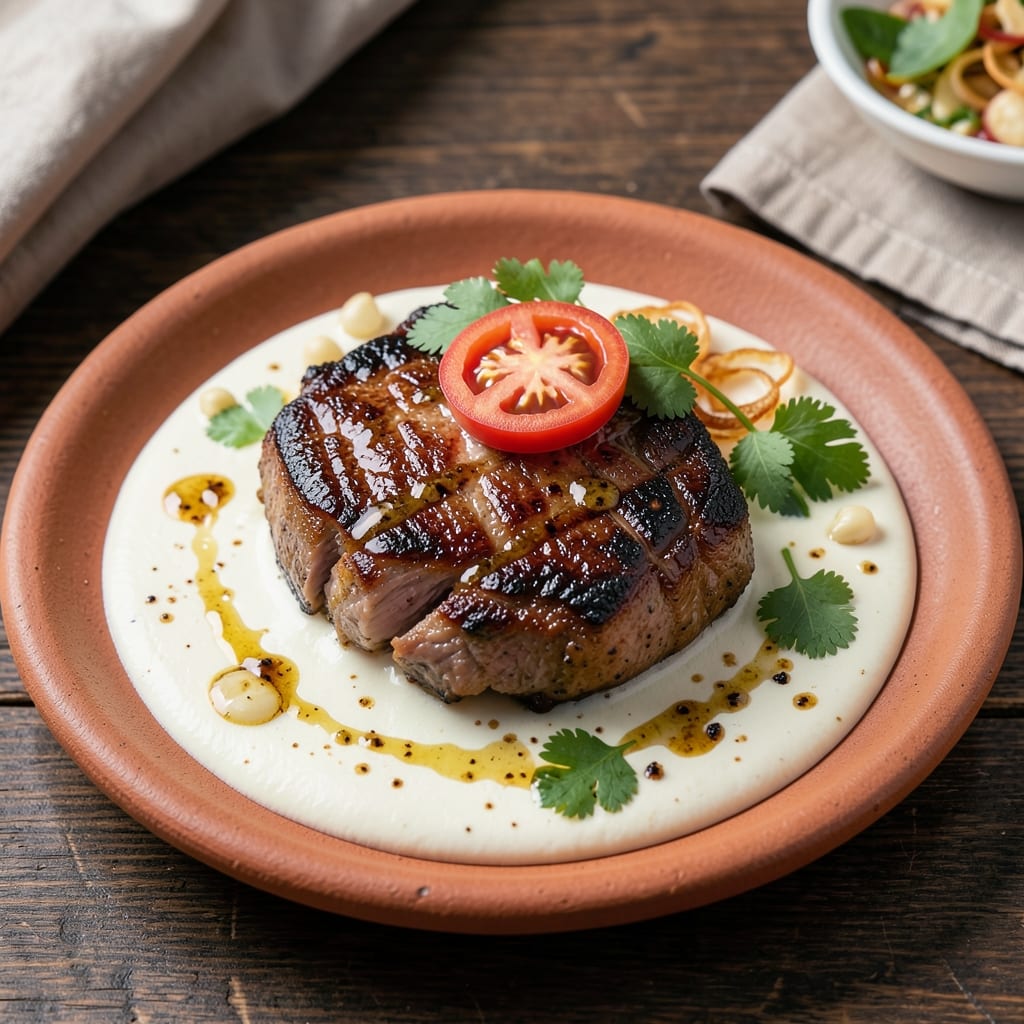
This Filipino creamy pork steak recipe delivers restaurant-quality tenderness with a velvety soy-vinegar sauce that clings to every bite. 💛 After perfecting the balance between rich creaminess and tangy depth, I developed a method that transforms tough pork shoulder into melt-in-your-mouth perfection with caramelized edges—just like my abuela used to make. The secret lies in marinating the pork overnight in a blend of soy sauce, vinegar, and garlic, then searing it until golden before deglazing with coconut milk and cream. This creates a sauce that's both luxurious and authentic, with just the right amount of tang to cut through the richness. The result is a dish that's hearty enough for family dinners but elegant enough for special occasions. By the time you serve this, you'll have tender, juicy pork steaks swimming in a glossy, velvety sauce that's impossible to resist. Each forkful delivers perfectly balanced flavors—savory, slightly sweet, with that signature Filipino tang that makes this dish unforgettable. The caramelized edges add texture contrast that takes it to another level. Serve with steamed jasmine rice and sautéed green beans for a complete meal that's sure to impress. Let's get cooking!
Ingredients for filipino creamy pork steak
Pantry staples meet Filipino flavors for this ultra-creamy, tangy pork dish that's restaurant-quality at home.
| Ingredient | Amount | Notes |
|---|---|---|
| Pork Shoulder 🥩 | 2 lb | Bone-in for flavor, cut into 1-inch cubes |
| Soy Sauce 🍶 | ½ cup | High-quality, preferably Filipino brand |
| White Vinegar 💧 | ¼ cup | White or cane vinegar for tang |
| Garlic Cloves 🧄 | 8 cloves | Minced for marinade and sauce |
| Coconut Milk 🥥 | 1 can | Full-fat, 13.5 oz can (not carton) |
| Heavy Cream 🥛 | ½ cup | Full-fat for richness |
| Brown Sugar 🍯 | 2 tbsp | Light or dark, packed |
| Olive Oil 🫒 | 2 tbsp | For searing pork |
| Green Onions 🧅 | 4 whole | Sliced, for garnish |
| Salt 🧂 | 1 ½ tsp | Kosher or sea salt |
| Black Pepper 🌶️ | ½ tsp | Freshly ground |
| Ground White Pepper 🌶️ | ¼ tsp | For subtle depth |
| Jasmine Rice 🍚 | 2 cups | Uncooked, for serving |
| Green Beans 🌱 | 1 lb | Trimmed, for side dish |
The pork shoulder is where the magic happens—bone-in cuts stay juicier. Costco or local butchers usually have the best deals on whole cuts, but any grocery store sells pre-cut pork shoulder. Look for good marbling (white flecks) for extra tenderness. I always grab extra because it's worth freezing portions. The soy sauce? Filipino brands like Silver Swan or Datu Puti add that authentic depth, but any good-quality soy will work. If you can't find them, Trader Joe's carries a decent Filipino-style soy sauce too.
No coconut milk? Full-fat evaporated milk plus a splash of cream gets you close, though the coconut adds that signature Filipino touch. Short on vinegar? Lemon juice at half the amount works in a pinch, but the vinegar's tang is key for balancing the creaminess. The brown sugar can be swapped for white sugar or coconut sugar—just taste as you go. For the garlic, fresh is non-negotiable—pre-minced jars have no flavor. If you're prepping ahead, peel and freeze the cloves, then mince straight from frozen (they thaw fast).
This sauce gets better the next day—honestly, I make double batches. Keeps 4-5 days in the fridge, 3 months frozen. The pork reheats beautifully with a splash of water or sauce. For the jasmine rice, I use a rice cooker but a heavy pot with 1:1.5 rice-to-water ratio works too. The green beans? Sauté with garlic and a pinch of salt for 5 minutes max—they should stay crisp. Portion everything into containers so lunches are sorted for the week.
Why You'll Love This Recipe
- One-Pan Magic: I swear by this—just sear the pork, toss in the garlic and vinegar, then let the coconut milk and soy sauce work their sauce magic. No chopping, no flipping, no stress. That’s right, the same pan does it all.
- Rich Without Effort: The moment the coconut milk simmers into the pork, you’ve got this velvety, slightly tangy sauce clinging to every bite. Honestly, it’s the kind of deep flavor that makes you forget how little work went into it.
- Leftover Goldmine: This dish tastes even better the next day—yes, really. The pork gets more tender, the sauce thickens just enough, and suddenly you’ve got a weeknight meal that’s basically a hug in a bowl. (Yes, even on a Tuesday night.)
- Budget-Friendly Feast: Pork shoulder stretches across meals, and the ingredients? Basic pantry staples. I’ll be real: this recipe saved me from takeout more times than I can count, and the kids never complain about the leftovers.
Step-by-step instructions for Filipino creamy pork steak
Here's how to make this rich, velvety pork dish with caramelized edges—straight from Filipino comfort food tradition.
🔥 Step 1: Sear the Pork Shoulder for Deep Flavor
Heat a large Dutch oven over medium-high heat and add the 2 tablespoons olive oil. Once shimmering, add the 2 lb pork shoulder cubes in a single layer. Let them sear undisturbed for 5-6 minutes until deep golden brown on all sides—this builds that signature caramelized crust.
Here's the thing—I don't stir during the first 3 minutes. You want maximum contact with the hot oil. Once browned, transfer the pork to a plate and set aside. You'll notice the pork releases easily when it's ready to flip, and that's your signal to move it around for even browning.
👨🍳 Step 2: Build the Silky Soy-Vinegar Marinade
In the same Dutch oven (no need to wipe it clean—those browned bits are flavor gold), add the 8 minced garlic cloves and cook for 30 seconds until fragrant. Be careful not to burn them—garlic turns bitter fast.
Pour in the 0.5 cup soy sauce and 0.25 cup white vinegar, scraping up all those delicious browned bits from the bottom. Add the 2 tablespoons brown sugar, 1.5 teaspoons salt, 0.5 teaspoon black pepper, and 0.25 teaspoon ground white pepper. Let this mixture bubble gently for 2 minutes until slightly reduced and syrupy.
🥘 Step 3: Simmer the Pork in Creamy Coconut Milk
Return the pork to the pot along with any accumulated juices. Pour in the 1 can coconut milk and 0.5 cup heavy cream, stirring gently to combine. Bring to a simmer, then reduce heat to low and cover partially with a lid.
Let it cook for 1 hour 15 minutes until the pork is fork-tender and the sauce has thickened to a luxurious consistency. I know it seems like a long time, but patience is key here—this slow cooking ensures the pork stays moist and the sauce becomes velvety rather than watery.
⏰ Step 4: Finish with Green Onions and Rest
Once the pork is tender, remove the lid and increase heat to medium to reduce the sauce slightly for 5 minutes until it coats the back of a spoon. Stir in the 4 sliced green onions and cook for another 1 minute just to wilt them slightly.
Transfer the pork and sauce to a serving platter and let it rest for 10 minutes—this allows the juices to redistribute throughout the meat. Don't skip this step, even though it's tempting. The pork will be even more flavorful and tender after resting.
🍳 Step 5: Prepare Jasmine Rice and Green Beans
While the pork rests, cook the 2 cups jasmine rice according to package instructions—usually a 1:2 rice-to-water ratio and 15 minutes of simmering. For the green beans, blanch them in boiling water for 3 minutes, then shock in ice water to stop the cooking process. Drain and toss with a pinch of salt.
Serve the creamy pork steak over a bed of jasmine rice, with the blanched green beans on the side. The contrast of the tender pork with the slightly crisp green beans makes this dish truly special. Garnish with extra green onions if you like, but honestly, the rich sauce and tender pork are the stars here.
Pro Tips For Making Filipino Creamy Pork Steak
- SEAR THE PORK FIRST: High heat for 3-4 minutes on each side until deep golden—this locks in juices and builds flavor before the coconut milk turns it into a stew. I used to skip this, and the end result was always soggy, even with the vinegar’s acidity working against me.
- MINCE GARLIC FINE: No, "chopped" isn’t enough—you want it almost paste-like so it dissolves into the sauce and doesn’t sit as clumps. I learned this the hard way when my pork steak tasted like it was missing something, even with all the other ingredients right.
- THIN THE COCONUT MILK: Stir in 2-3 tablespoons of water or pork broth to the coconut milk before adding it to the pan—this prevents the sauce from curdling when the vinegar hits it. Trust me, you don’t want to scrape burnt coconut milk off your pot later.
- REST THE PORK AFTER COOKING: Let it sit under foil for 5-10 minutes before slicing—this keeps the meat from falling apart when you cut into it. I know, I know, you’re eager to eat it, but rushing this step turns your creamy pork steak into a mushy pile.
Dietary considerations for this recipe
Gluten-Free Adaptations
This recipe is naturally gluten-free if you use a certified gluten-free soy sauce like San-J Tamari or Kikkoman Gluten-Free Soy Sauce. Regular soy sauce contains wheat, so always check labels. I've tested this with 100% coconut aminos as a substitute, but the flavor profile shifts slightly—it's less umami and more vegetal. For the best results, stick with dedicated gluten-free soy sauce and double-check all other ingredients, especially spices and broths. 🌱
Dairy-Free Options
Creaminess comes from the coconut milk and heavy cream, but you can easily adapt this for dairy-free diets. Replace the 0.5 cup heavy cream with 0.5 cup full-fat coconut cream (thicker than regular coconut milk) or cashew cream made by blending soaked cashews with water. The sauce will still thicken beautifully, though it'll have a slightly different texture. I've also used oat cream (blended oats + water) with good results—just add 1 teaspoon cornstarch to help thicken the sauce. 🥥
Lower-Carb Versions
For a lower-carb approach, skip the jasmine rice and serve the pork over cauliflower rice (fresh or frozen works). The creamy sauce pairs perfectly with the mild flavor of cauliflower. You can also reduce the brown sugar to 1 tablespoon and use erythritol or monk fruit sweetener instead—just be aware the sauce will be slightly less caramelized. The pork itself stays naturally low-carb, so this adaptation keeps the dish hearty while cutting carbs significantly. 🥦
Allergen-Friendly Tips
For nut allergies, avoid coconut milk substitutes with cashews or almonds. Instead, use tofu-based cream (blended silken tofu + a pinch of salt) or dairy-free creamers like Califia Farms. For soy allergies, replace soy sauce with coconut aminos or tamari made from rice (like La Choy Soy-Free Tamari). Always check labels—hidden soy can appear in unexpected places like spices or broths. I keep a small bottle of gluten-free coconut aminos in my pantry for these situations. 🚫
Protein Swaps
While pork shoulder is traditional, chicken thighs work beautifully for a lighter option. Use 2 lbs boneless, skinless chicken thighs (they stay juicier than breasts) and reduce cooking time to 30-40 minutes. For beef lovers, chuck roast cuts similarly to pork shoulder—just increase cooking time by 15-20 minutes. I've also made this with tofu for a plant-based version, using extra-firm tofu pressed for 20 minutes and cubed to mimic the texture. The sauce absorbs differently, so you may need 1 extra tablespoon cornstarch to thicken it properly. 🥩
Nutrition facts
Frequently asked questions
Why does the pork need to marinate overnight?
The overnight marinade breaks down the tough muscle fibers in the pork shoulder, making it fork-tender and packed with flavor. The combination of soy sauce, vinegar, and garlic penetrates deeply, creating that signature Filipino tang that balances perfectly with the creamy sauce. Trust me, skipping this step means tougher meat and less flavorful sauce.
Can I use pork tenderloin instead of pork shoulder?
Pork tenderloin is leaner and cooks much faster than pork shoulder, so it won't work for this braised dish. The shoulder's fat and connective tissue are what create that melt-in-your-mouth texture and rich sauce. If you're set on tenderloin, try slicing it thin and pan-searing with a quick soy-vinegar glaze instead.
How do I fix a sauce that's too thin?
If your sauce is too thin, mix 1 tablespoon cornstarch with 2 tablespoons cold water to make a slurry. Stir it into the simmering sauce and cook for 2-3 minutes until thickened. For extra richness, you can also stir in 1 tablespoon coconut cream—just heat it gently to avoid separating. The sauce should coat the back of a spoon when done.
What's the best way to reheat leftovers?
Reheat leftovers in a skillet over medium-low heat with a splash of water or the original sauce until warmed through (5-7 minutes). For extra tenderness, cover the pan for the first 3 minutes to steam the pork gently. Never microwave—it makes the pork rubbery. The sauce actually tastes better the next day when flavors meld completely!
Can I make this in an Instant Pot?
Sear the pork in a skillet first, then transfer to your Instant Pot with all sauce ingredients. Cook on high pressure for 45 minutes, then do a natural release. Finish by reducing the sauce on the stovetop to thicken it properly. The pressure cooker cuts time but keeps all the rich flavors intact. Just watch the sauce doesn't get watery—adjust with cornstarch if needed.