
Sauces & Condiments
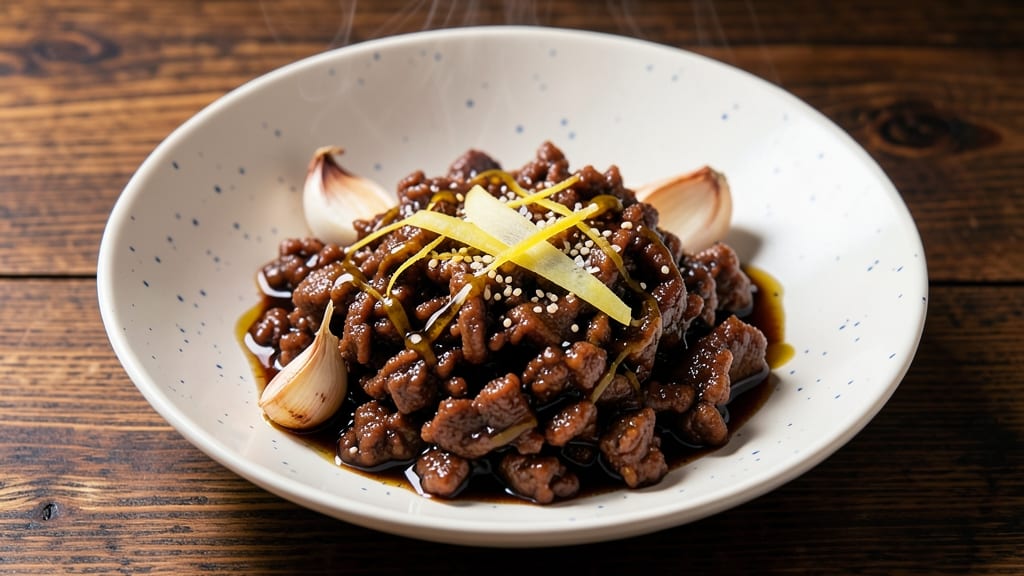
This minced pork soy sauce recipe delivers restaurant-quality stir-fry flavor in just 15 minutes—no fancy techniques required. The secret lies in high-heat cooking that unlocks deep umami from the soy sauce while keeping the pork tender and juicy.
I developed this recipe after years of testing quick weeknight meals that still taste like they came from a wok-hei infused kitchen.
What sets this dish apart is the balance of bold soy sauce flavor with just enough sweetness to round out the edges.
We'll use simple pantry staples—minced pork, garlic, ginger, and a touch of sugar—to create a base that works as a stir-fry, noodle topping, or even a filling for dumplings. The key technique is proper pork preparation and high-heat searing to achieve that signature caramelized crust.
By the time you're done, you'll have a savory, aromatic dish with perfectly cooked pork that's tender yet holds its shape. The soy sauce has reduced slightly, creating a glossy glaze that coats every bite.
This recipe builds on classic Chinese stir-fry principles while keeping it accessible for home cooks with basic equipment.
Serve it over steamed rice with quick-pickled vegetables for a complete meal, or use it as a filling for lettuce wraps. The possibilities are endless, but the foundation remains the same—bold, umami-packed flavor achieved through proper technique and simple ingredients. Let's get started!
Ingredients for minced pork soy sauce
Simple pantry staples transform into restaurant-quality stir-fry flavor in minutes.
| Ingredient | Amount | Notes |
|---|---|---|
| Ground Pork 🥩 | 1 lb | Lean or standard, finely minced |
| Soy Sauce 🍶 | ½ cup | Kikkoman preferred for balance |
| Garlic Cloves 🧄 | 5 cloves | Mince finely for aromatic depth |
| Fresh Ginger 🌿 | 1 tbsp | Finely grated, skin on |
| Granulated Sugar 🍚 | 1 tbsp | Balances soy sauce acidity |
| Sesame Oil 🫒 | 1 tsp | Toasted, for aroma |
| Vegetable Oil 🫒 | 2 tbsp | High smoke point for searing |
| Green Onions 🧅 | 3 whole | Sliced, for garnish |
| Cornstarch 🌾 | 1 tbsp | For tenderizing pork |
| White Wine 🍷 | 2 tbsp | Dry, for deglazing |
| Salt 🧂 | ½ tsp | Diamond Crystal preferred |
| Black Pepper 🌶️ | ¼ tsp | Freshly cracked |
| Red Chili Flakes 🔥 | ¼ tsp | Optional for heat |
The pork is the foundation—ground pork delivers the ideal texture for quick cooking. Look for 80/20 lean-to-fat ratio at Trader Joe's or your local butcher for optimal juiciness. Kikkoman soy sauce is the gold standard here, but Lee Kum Kee works too. Fresh ginger and garlic should be vibrant; brown spots mean it's past its prime. For the sugar, white granulated dissolves cleanly, but brown sugar adds subtle depth if you prefer. Toast your sesame oil in a dry pan for 30 seconds before using—this enhances its nutty aroma without overpowering the dish.
No soy sauce? Coconut aminos lightens the flavor profile, though it lacks depth. Substitute 1 tbsp fish sauce plus 1 tsp sugar for umami, but omit if vegetarian. Fresh ginger substitute: 1/2 tsp ground ginger plus 1/4 tsp lemon juice. The cornstarch is crucial—toss it with the pork before cooking to prevent toughness. White wine substitute: 2 tbsp chicken stock plus 1 tsp lemon juice. For extra heat, Sichuan peppercorns toasted and ground add complexity beyond chili flakes. The green onions should be bright green with crisp stems—avoid wilted ones that turn bitter when cooked.
Pork keeps 3 days in the fridge, but cook it within 2 days for best texture. Store cooked pork in an airtight container with a thin layer of soy sauce on top to preserve moisture. The sauce thickens as it cools—reheat with 1 tbsp water to restore glossiness. Freezes beautifully for 3 months; portion into ice cube trays for easy use in future dishes. For quick prep, pre-mince garlic and ginger and store in the freezer—just toss into the pan when ready.
Why You'll Love This Recipe
- Pan-Fried in Minutes: I swear by this one—just brown the pork, toss in the garlic and ginger, and let the soy sauce work its magic. No fancy techniques, no waiting around.
- Umami Bomb: That balance of salty, sweet, and funky? It’s what makes this dish ridiculously addictive. The sugar caramelizes just enough to give it this glossy, sticky finish—like a little bite of comfort.
- Leftovers That Shine: Make a double batch and freeze half. Stir-fry it later, toss it into noodles, or even stuff it into dumplings. It’s my go-to for lazy days when I don’t want to cook from scratch.
- Budget-Friendly Powerhouse: Ground pork stretches far, and a splash of soy sauce elevates it instantly. Honestly, it’s the kind of dish where you get way more than you pay for—both in flavor and leftovers.
Step-by-step instructions for minced pork soy sauce stir-fry base
Transform simple ingredients into a rich, umami-packed base that elevates any stir-fry.
Tenderize the Pork with Cornstarch
In a medium bowl, combine the 1 lb ground pork with 1 tbsp cornstarch, 0.5 tsp salt, and 0.25 tsp black pepper. Use your hands to break up any large clumps and distribute the cornstarch evenly throughout the meat. This step is crucial—cornstarch acts as a natural tenderizer, preventing the pork from becoming tough during cooking.
Let the mixture sit for 5 minutes while you prepare the aromatics. The cornstarch will begin to absorb moisture, creating a slightly sticky texture that helps the pork brown beautifully in the pan. I always use my fingers for this step—it's more thorough than a spoon and ensures even distribution.
Sear the Pork for Maximum Flavor
Heat 2 tbsp vegetable oil in a large skillet or wok over medium-high heat until shimmering. Add the pork mixture in even layers, spreading it out to create a single layer. Cook undisturbed for 3-4 minutes until the pork loses its raw appearance and develops a golden-brown crust.
Here's the thing—don't stir during the initial sear. You want that crust to form, which locks in juices and adds depth of flavor. Once the pork has browned on the bottom, use a spatula to break it into small, even pieces. Continue cooking for another 2-3 minutes until the pork is no longer pink in the center. Remove from the pan and set aside temporarily.
Build the Umami Base with Aromatics
In the same skillet, reduce heat to medium and add 5 finely minced garlic cloves and 1 tbsp finely grated fresh ginger. Cook for 30 seconds until fragrant—you should smell that pungent garlic-ginger aroma filling your kitchen. Be careful not to let them burn; they'll darken quickly at this stage.
Add 1 tbsp granulated sugar and stir for 10 seconds to distribute evenly. This sugar balances the acidity of the soy sauce we'll add next. Pour in 0.5 cup soy sauce and 2 tbsp white wine, scraping up any browned bits from the bottom of the pan with a wooden spoon. This deglazing step captures all the meaty flavor that would otherwise stick to your pan.
Simmer and Develop the Sauce
Return the pork to the skillet and stir to combine with the sauce. Increase heat to medium-high and bring the mixture to a gentle boil. Once boiling, reduce heat to medium-low and let it simmer uncovered for 5-6 minutes, stirring occasionally. You're looking for the sauce to thicken slightly and coat the back of a spoon.
During this time, the pork will absorb the flavors of the soy sauce and aromatics, becoming tender and infused with umami. If the sauce reduces too quickly, add 1-2 tablespoons of water to maintain the right consistency. The pork should be fully cooked through with no pink remaining, and the sauce should have a glossy, slightly sticky texture.
Finish with Sesame Oil and Garnish
Remove the skillet from heat and stir in 1 tsp sesame oil. This final touch adds a nutty aroma that elevates the dish from good to exceptional. Taste and adjust seasoning if needed—you might want to add a pinch more salt or a splash of soy sauce for balance.
Garnish with 3 sliced green onions and 0.25 tsp red chili flakes (if using) just before serving. The green onions add a fresh contrast to the rich pork, while the chili flakes introduce a subtle heat. This stir-fry base keeps well in the refrigerator for up to 3 days, making it perfect for meal prep. Serve over steamed rice or noodles for a complete dish.
Pro Tips For Making Minced Pork Soy Sauce
- COOK THE PORK FAST: Dump the minced pork into the pan on medium-high heat—no need to wait for the oil to shimmer. You’re not searing steak; you want those tiny pieces to release their fat and render in 2-3 minutes max. If it’s sticking, you’re going too slow.
- GRATE THE GINGER FINE: Skip the slicing—use a microplane or the smallest holes of a box grater for the ginger. This way, it dissolves into the sauce instead of sitting as chewy chunks. (Yes, even if it looks like confetti at first.)
- STOP WHEN IT’S JUST DONE: The pork’s done when it’s no longer pink in the center—about 70°C/160°F if you’re checking with a thermometer. Overcook it, and you’ll end up with dry, tough bits. Pull it out while it’s still slightly juicy.
- SWEAT THE GARLIC LOW: After adding the garlic, drop the heat to the lowest setting you can tolerate. Burnt garlic turns bitter, and that’s the last thing you want in a soy sauce dish. Cover the pan for 30 seconds to help it soften without browning.
Make-ahead tips for this dish
Prep Ahead Components
Start by prepping the aromatics first—they keep for 3 days in the fridge when stored in an airtight container with a damp paper towel. Finely mince 5 garlic cloves and grate 1 tbsp fresh ginger, then store in separate small containers.
This saves 10 minutes during cooking when you're ready to stir-fry. 🌿
Pork Prep Shortcut
Mix the pork with cornstarch the night before and refrigerate in a sealed container. The cornstarch will work its magic overnight, making the pork even more tender when you cook it.
Just pat it dry slightly before searing to prevent splattering. I find this reduces cooking time by 2 minutes and improves texture dramatically.
Sauce Base Storage
After simmering, let the pork mixture cool completely, then transfer to airtight containers. The sauce will thicken further as it chills—just add 1 tbsp water when reheating to restore its glossy texture.
This base keeps for 5 days in the fridge or 3 months in the freezer. Portion into ice cube trays for perfect single-serving portions to toss with noodles or rice later.
Freezer-Friendly Tips
For freezing, spread the pork mixture in a single layer on a parchment-lined tray and freeze until solid. Once frozen, transfer to freezer bags with all the air pressed out. This prevents freezer burn and makes it easy to thaw just what you need.
When reheating from frozen, add 2 tbsp water to the pan to prevent drying out. The texture remains just as tender as fresh.
Reheating Methods
My preferred method is stovetop: heat 1 tbsp vegetable oil in a nonstick skillet over medium heat, then add the pork mixture. Cover and cook for 3-4 minutes**, stirring occasionally, until heated through.
For microwave reheating, cover with a damp paper towel and heat in 1-minute intervals on 70% power, stirring between each interval to prevent drying.
Nutrition facts
Frequently asked questions
Can I use ground pork instead of minced pork?
Most ground pork from grocery stores is already finely minced, making it perfect for this recipe. Just ensure it's 80/20 lean-to-fat ratio for optimal juiciness. If you prefer even finer texture, pulse it in a food processor for 3-4 seconds before cooking.
What if I don't have white wine?
No problem! Substitute with 2 tbsp chicken stock plus 1 tsp lemon juice for depth, or use 2 tbsp water plus 1/2 tsp sugar for simplicity. The key is balancing the soy sauce's saltiness—white wine's acidity helps cut through it.
How do I prevent the pork from getting tough?
The cornstarch coating is your secret weapon! Don't skip the 5-minute rest before cooking—it tenderizes the meat. Also, cook over medium-high heat (not high) to avoid overcooking. Small, even pieces ensure faster, more even cooking.
Can I make this vegetarian?
Yes! Swap the pork for 1 lb finely chopped mushrooms (like shiitake or oyster) or 1 cup crumbled tofu (pressed and drained). Add 1 tbsp soy sauce extra to compensate for the missing meaty umami. The texture will differ but still deliver bold flavor.
How do I adjust the spice level?
Start with 0.25 tsp red chili flakes for mild heat. For medium spice, increase to 0.5 tsp, and for bold heat, add 1 tsp plus 1/2 tsp crushed Sichuan peppercorns** (toasted first). Always taste before serving—you can reduce heat with a pinch of sugar if needed.