
Sauces & Condiments
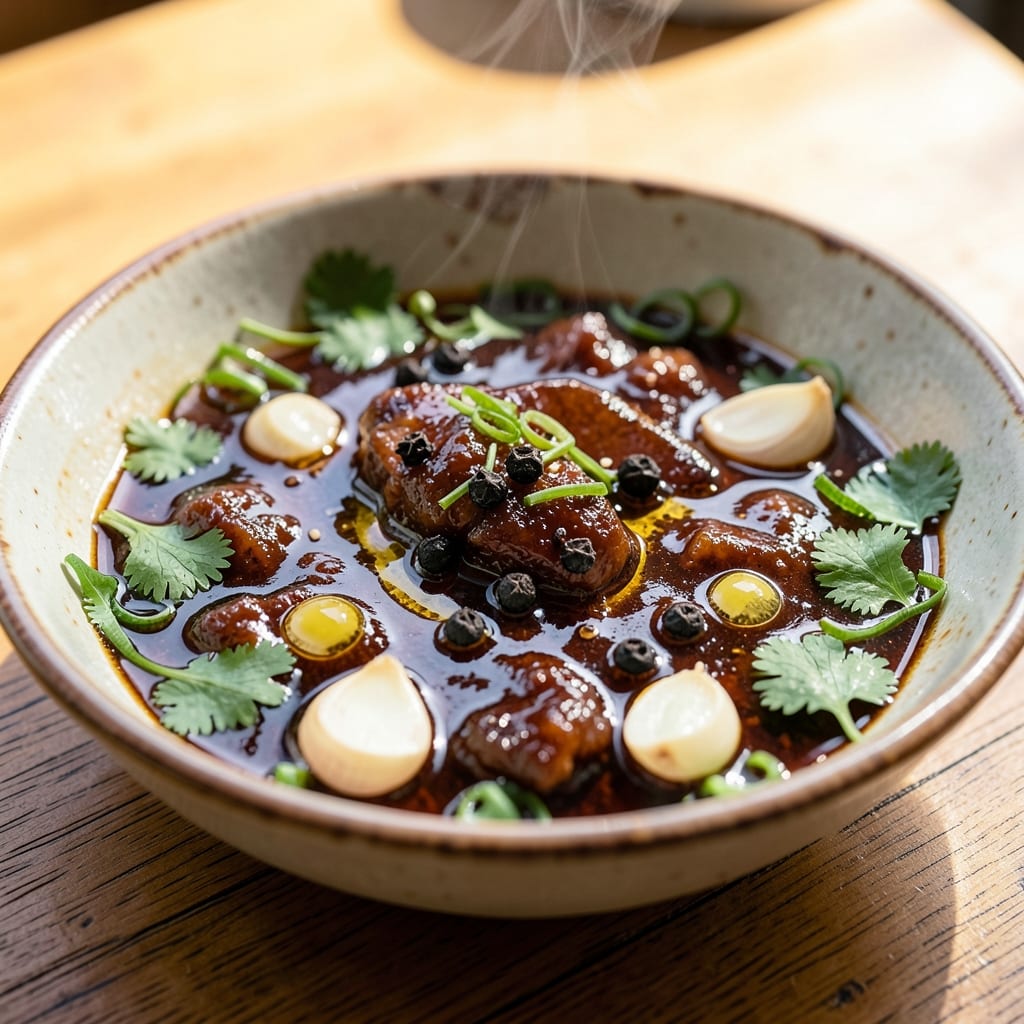
This Filipino pork BBQ sauce recipe transforms simple pantry staples into a tangy, caramelized masterpiece that elevates every bite of lechon or grilled pork. 🔥 The secret lies in balancing vinegar's sharpness with brown sugar's depth, creating a sauce that's both bold and complex. I've perfected this version after years of testing—it's the kind of sauce that makes your kitchen smell like a Filipino fiesta and turns ordinary pork into something unforgettable.
The beauty of this sauce is its versatility—it works as a marinade for hours or as a quick glaze for last-minute cooking. The combination of soy sauce, garlic, and black pepper adds savory richness, while the slow caramelization of sugar creates that signature glossy finish. What makes it truly special is how the flavors meld together over time, developing layers of umami and sweetness that you won't find in store-bought versions.
By the time you're done, you'll have a deeply aromatic, sticky-sweet sauce that's perfect for basting, drizzling, or serving on the side. The sauce keeps well in the fridge for up to two weeks, making it ideal for meal prep or gifting. Whether you're cooking for a family gathering or just craving that authentic Filipino BBQ flavor, this recipe delivers restaurant-quality results with minimal effort.
Ready to make your pork dishes shine? Here's everything you need to create this foolproof, adobo-inspired sauce that's become a staple in my kitchen. The best part? It takes less than 30 minutes to make, and the flavors only get better as they sit.
Ingredients for filipino pork bbq sauce
Nine pantry staples. One sauce. Restaurant-quality Filipino BBQ flavor in 30 minutes.
| Ingredient | Amount | Notes |
|---|---|---|
| Cane Vinegar 🍶 | ½ cup | White or apple cider vinegar works too |
| Dark Brown Sugar 🍚 | ¾ cup | Packed lightly for caramelization |
| Soy Sauce 🥢 | ⅓ cup | Use light or dark for depth |
| Garlic Cloves 🧄 | 6 cloves | Minced for aromatic punch |
| Black Peppercorns 🌶️ | 1 tsp | Crushed for subtle heat |
| Ground Black Pepper 🌶️ | ½ tsp | Freshly ground preferred |
| Olive Oil 🫒 | 2 tbsp | Extra-virgin for richness |
| Kalamansi Juice 🍋 | ¼ cup | Or lime juice in a pinch |
| Salt 🧂 | 1 ½ tsp | Kosher or sea salt |
The vinegar is non-negotiable—Filipino cane vinegar gives that signature tang, but white vinegar or apple cider works in a bind. I grab mine at Asian markets (look for the small bottles), but Walmart or Target carry it too. Brown sugar? Lightly packed is key—don't ram it down. The soy sauce should be light for brightness, dark for depth (I use a mix). Garlic? Six cloves is your sweet spot—don't skimp, but don't overdo it either. The peppercorns? Crush them lightly with the side of your knife for that subtle heat without overpowering.
No cane vinegar? White vinegar plus 1 tsp sugar mimics the flavor. Soy sauce missing? Coconut aminos or even more vinegar with a pinch of salt. Kalamansi juice? Lime or lemon juice changes the vibe but still works—just add a pinch more sugar. The olive oil is for richness, but vegetable oil is fine if you're watching calories. Pro tip: Toast your garlic cloves in the oil for 30 seconds before adding—game changer. And if you're using dark soy sauce, add it at the end for that glossy finish.
This sauce gets better with time—2 hours is ideal for maximum flavor development. Store it in a glass jar in the fridge for up to 2 weeks. For gifting, pour into small jars and tie with twine. Freezes beautifully for 6 months—just thaw overnight in the fridge. I always make a double batch: one for immediate use, one to stash. The second batch? Perfect for holiday gifts—everyone loves a good BBQ sauce.
Why You'll Love This Recipe
- Pantry Magic: I swear by this sauce because it uses stuff I already have—no special trips to the store. That tangy cane vinegar and deep caramel notes from the brown sugar? They turn basic pork into something unforgettable without breaking the bank.
- Garlic Bomb: Between us, I crush the garlic cloves and let them sizzle in the pan until they’re golden—that’s where the flavor explodes. The black peppercorns add a subtle kick, but it’s the garlic that makes this sauce sing, every single time.
- Double-Duty Sauce: Slather it on grilled pork, toss it with rice, or drizzle it over noodles—this stuff works for weeknight dinners and Sunday feasts. I’ve even used it as a marinade for hours ahead, so it’s my go-to for lazy days and big gatherings alike.
- Leftovers That Shine: The sauce thickens beautifully when reheated, so I make a big batch and keep it in the fridge. A splash of water or a quick simmer revives it perfectly—no sad, watery leftovers here, just rich, sticky goodness waiting to be used.
Step-by-step instructions for Filipino pork BBQ sauce
This sauce delivers bold, caramelized sweetness with a tangy kick—perfect for glazing pork or dipping.
🍳 Step 1: Bloom the Aromatics in Olive Oil
Heat the 2 tbsp olive oil in a medium saucepan over medium heat. Add the 6 cloves garlic cloves and 1 tsp black peppercorns, crushing them lightly with the back of a spoon. Cook for 2-3 minutes until the garlic turns golden and fragrant—this prevents bitterness and builds deep flavor. Don’t walk away; garlic burns fast.
Here’s the thing—if you smell the peppercorns popping, reduce the heat slightly. You want subtle heat, not overpowering spice. Once fragrant, remove the pan from heat and let the aromatics cool for 30 seconds before adding liquids. This prevents sudden sizzling when you pour in the vinegar.
🍳 Step 2: Combine Vinegar and Sugar for Caramelization
Return the pan to medium heat and add the 0.5 cup cane vinegar and 0.75 cup dark brown sugar. Stir constantly for 5-7 minutes until the mixture thickens and turns a deep amber color. You’ll see bubbles form and the sugar dissolve completely—this is your caramelized base.
I like to scrape the bottom of the pan occasionally with a wooden spoon to release any stuck-on bits. These browned bits pack serious flavor. If the mixture starts to smoke, reduce the heat to low—you want caramelization, not burning.
🥘 Step 3: Build Depth with Soy Sauce and Kalamansi
Pour in the 0.33 cup soy sauce and 0.25 cup kalamansi juice, stirring to combine. Let the sauce simmer for 3-4 minutes until slightly reduced and glossy. The kalamansi adds a bright citrus tang that cuts through the sweetness—if you don’t have it, lime juice works in a pinch, but it won’t be quite the same.
Taste and adjust seasoning with the 1.5 tsp salt and 0.5 tsp ground black pepper. The sauce should balance sweet, salty, tangy, and umami notes. If it’s too thin, simmer uncovered for another 2-3 minutes to thicken. For extra richness, a splash of 1 tbsp olive oil at the end helps.
⏰ Step 4: Cool and Store for Maximum Flavor
Remove the sauce from heat and let it cool to room temperature. The flavors meld even more as it sits—this is where the magic happens. For best results, refrigerate for at least 1 hour before using. The sauce will thicken further and develop deeper layers of flavor.
Store in an airtight container in the fridge for up to 1 week or freeze for 3 months. When ready to use, reheat gently over low heat and stir until smooth. This sauce glazes pork beautifully, but it’s also fantastic as a dipping sauce for spring rolls or grilled skewers.
Pro Tips For Making Filipino Pork Bbq Sauce
- Simmer Slow and Steady: This sauce isn’t a race—low heat for 20-25 minutes is what develops that deep, caramelized flavor. I used to rush it, and it always ended up thin and sharp. Let it bubble gently, and stir occasionally so the sugar doesn’t burn.
- Toast the Peppercorns First: Toss those whole peppercorns in a dry pan for 30 seconds until they sizzle and darken slightly. This releases their oils and aroma way better than just tossing them in raw. Trust me, your sauce will taste richer for it.
- Strain the Garlic: After mincing the garlic, let it sit for 5 minutes before adding it to the sauce. This reduces moisture, so it doesn’t turn the sauce watery. I learned this the hard way—skipping it makes the sauce taste dull.
- Balance the Vinegar: If your sauce tastes too sharp, don’t just add more sugar—let it cool slightly first. Warm vinegar cuts through flavors more aggressively. A splash of cold water or a pinch of salt can also help round it out.
Troubleshooting your filipino pork bbq sauce
Sauce Too Thin?
If your sauce isn’t thick enough after simmering, don’t panic! Simmer uncovered over medium-low heat for an extra 3-5 minutes, stirring occasionally. The vinegar and sugar will reduce further. For instant thickening, mix 1 tsp cornstarch with 1 tbsp water, stir into the sauce, and simmer for 1-2 minutes until glossy. I’ve used this trick when glazing pork—it makes all the difference! 🔥
Too Tangy?
Too much vinegar can overpower the sweetness. Balance it by adding 1-2 tbsp more brown sugar and simmering for 2 minutes. If you used white vinegar instead of cane vinegar, the tang will be sharper—reduce it with 1 tsp honey or sugar to soften the acidity. Taste as you go; Filipino BBQ sauce should harmonize sweet, tangy, and savory notes.
Burnt or Bitter?
If your sauce tastes bitter, it likely burned during caramelization. Next time, watch the heat closely—keep it at medium-low once the sugar starts bubbling. To fix a bitter batch, stir in 1 tbsp kalamansi or lime juice and ½ tsp sugar to rebalance flavors. A splash of olive oil also helps smooth out harshness. Prevention is key: never walk away while caramelizing!
Not Glossy Enough?
A dull sauce means it needs more shine! For a glossy finish, simmer uncovered for 1-2 extra minutes to reduce further. If still flat, stir in 1 tbsp soy sauce or 1 tsp honey—both add stickiness. For restaurant-quality shine, brush a thin layer on pork while grilling or roasting. The heat will caramelize it beautifully. 💫
Flavor Fading?
Sauce loses vibrancy if stored too long or reheated improperly. Store in a glass jar (plastic absorbs odors) and refrigerate for up to 2 weeks. To revive stale sauce, reheat gently with 1 tsp water or vinegar, then simmer for 3 minutes. If flavor is completely gone, make a fresh batch—it’s that easy! Freshness is everything with BBQ sauce.
Pepper Overpowering?
Too much black pepper? Balance it with ½ tsp sugar or 1 tsp soy sauce to mellow the heat. If you crushed whole peppercorns instead of using ground pepper, strain the sauce through a fine-mesh sieve to remove seeds. For extra depth, add 1 tsp toasted garlic powder—it adds flavor without spice. Always taste as you go; Filipino BBQ sauce should be savory, not spicy! 🌶️
Nutrition facts
Frequently asked questions
Can I use this sauce for other meats besides pork?
This versatile sauce works beautifully on chicken, beef, and even tofu for a vegetarian option. The tangy-sweet profile complements grilled or roasted meats perfectly. For chicken, consider marinating for 1-2 hours to tenderize, while beef benefits from a 30-minute marinade before grilling.
How long should I marinate pork in this sauce?
For best results, marinate pork for at least 2 hours in the fridge. Thin cuts like pork chops or tenderloin can handle 4-6 hours, while thicker cuts like pork shoulder benefit from overnight marinating (8+ hours). The longer it sits, the deeper the flavor penetration becomes.
What's the difference between this sauce and regular BBQ sauce?
This Filipino sauce is tangier and less sweet than American BBQ sauce, with a complex balance of vinegar, soy, and caramelized sugar. While traditional BBQ sauce often contains tomato paste, this version focuses on umami-rich ingredients like soy and garlic. It's perfect for glazing or basting rather than just serving as a dip.
Can I make this sauce without cane vinegar?
Yes! Use white vinegar or apple cider vinegar instead, but add 1 tsp extra sugar to compensate for the milder tang. For best results, combine with 1 tbsp kalamansi or lime juice to mimic the citrus brightness of cane vinegar. The flavor won't be identical, but it'll still be delicious.
How do I get the sauce to stick better when grilling?
For maximum stickiness, brush the sauce on 2-3 times during grilling—first before cooking, then again at medium doneness, and finally when almost done. The high heat helps caramelize the sugars, creating that signature glossy finish. For extra adhesion, lightly sear the meat first to develop a crust before applying the sauce.