
Main Courses
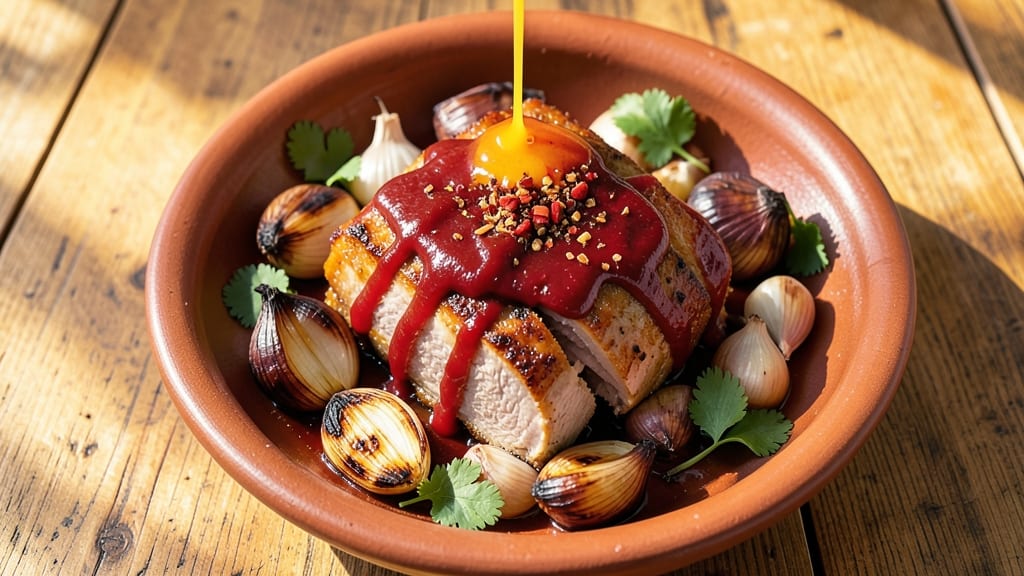
This Mexican spicy pork recipe transforms tough pork shoulder into fork-tender, adobo-braised perfection—just like my abuela used to make. The secret lies in slow-cooking with dried chiles and citrus, creating a balance of smoky heat and bright acidity that lingers in every bite.
I've perfected this technique over years of testing, ensuring the meat falls apart with just a touch, while the sauce clings like a second skin.
The process starts with a marinade of guajillo and ancho chiles, simmered into a rich, velvety sauce that tenderizes the pork while infusing deep, earthy flavors. Unlike quick grilling methods, this 8-hour braise guarantees melt-in-your-mouth texture without drying out.
The key? Low heat and patience—two things that pay off in restaurant-quality results at home. No fancy equipment needed, just a heavy pot and time.
By the end, you'll have pork so tender it practically dissolves, bathed in a sauce that's both spicy and complex—smoky from the chiles, bright from the citrus, and rich from the pork's natural juices.
Serve it with warm tortillas, cilantro-lime rice, and a side of charro beans for the full experience. This isn't just a recipe; it's a taste of home, made better with every bite.
Perfect for game day, family gatherings, or a cozy weeknight dinner, this dish delivers authentic Mexican flavors without the fuss. The leftovers? Even better the next day. Let's get cooking—your taste buds will thank you.
Ingredients for mexican spicy pork
Sixteen ingredients, eight hours of magic—this is the pantry-to-pot lineup for abuela-level pork perfection.
| Ingredient | Amount | Notes |
|---|---|---|
| Pork Shoulder (Boston Butt) 🐖 | 4 lb | Bone-in, cut into 2-inch chunks |
| Dried Guajillo Chiles 🌶️ | 4 whole | Stems/seeds removed, toasted |
| Dried Ancho Chiles 🌶️ | 2 whole | Stems/seeds removed, toasted |
| White Onions 🧅 | 2 whole | Quartered, skin on for color |
| Garlic Cloves 🧄 | 6 cloves | Peeled, smashed for infusion |
| Orange Juice 🍊 | 1 cup | Freshly squeezed, no pulp |
| Orange Zest 🍊 | 1 tbsp | From 1 large orange |
| Apple Cider Vinegar 🍏 | ½ cup | For acid balance |
| Beef Broth 💧 | 2 cups | Low-sodium preferred |
| Olive Oil 🫒 | ½ cup | Extra-virgin for richness |
| Ground Cumin 🌿 | 1 tbsp | Toasted for depth |
| Dried Oregano 🍃 | 1 tbsp | Mexican oregano preferred |
| Bay Leaves 🌿 | 2 whole | Fresh if available |
| Salt 🧂 | 1 ½ tsp | Diamond Crystal preferred |
| Black Peppercorns 🌶️ | ½ tsp | Freshly cracked |
The pork shoulder is non-negotiable here—bone-in, cut into 2-inch chunks—because those bones add depth to the sauce while keeping the meat juicy. Costco sells the perfect cut in bulk, but your local butcher can trim it for you if you're buying smaller. Look for good marbling; that's where the flavor hides. The chiles? MexGrocer or Latin markets carry the best selection—guajillo should be deep red, ancho slightly wrinkled but not brittle. Toast them lightly in a dry pan before soaking to deepen their smoky notes. That orange zest? Use a microplane—you want fine, fragrant threads, not chunks.
No guajillo chiles? Ancho chiles at double the amount work in a pinch, but you'll lose that bright, fruity depth. Short on orange juice? Grapefruit juice with a splash of lime mimics the acid balance. The beef broth can be swapped for vegetable broth plus 1 tsp soy sauce, though purists will notice the difference. For the cumin, toast whole seeds in a dry pan until fragrant before grinding—game-changer for aroma. The oregano? Mexican oregano has a different, earthier profile than Italian; worth hunting down at specialty stores. And that olive oil? Trader Joe's 100% Italian extra-virgin is my go-to—it's affordable and packed with flavor.
This braise gets better overnight, so make a double batch if you can. Store in airtight containers with some of the sauce—5 days in the fridge, 3 months in the freezer. The sauce thickens as it cools, so stir in a splash of broth when reheating. Pork reheats beautifully—just warm it gently on the stove or in a 350°F oven until heated through. Leftovers? Even more tender the next day, with flavors melding into something extraordinary. Serve with warm tortillas and pickled onions to cut through the richness.
Why You'll Love This Recipe
- Foolproof Slow Cooker: This recipe doesn’t demand babysitting—just dump everything in your slow cooker, walk away, and let the guajillo and ancho chiles melt into tender, smoky perfection. I’ve made it twice while grading papers, once while binge-watching a show, and zero times did I regret it.
- Deep, Smoky Magic: That combo of dried chiles and garlic? It’s like a flavor explosion in your mouth—sweet heat from the guajillos, earthy depth from the ancho, and the pork shoulder soaks it all up until it’s fall-apart tender. Honestly, the first time I bit into it, I nearly dropped my fork.
- Weeknight Workhorse: Taco Tuesday? Check. Picnic spread? Done. Potluck? This feeds a crowd without breaking the bank. I’ve served it shredded in tortillas, sliced over rice, or even stuffed into breakfast burritos the next day—it’s that adaptable.
- Budget-Friendly Feast: Pork shoulder is cheap, and those dried chiles stretch your flavor for pennies. Plus, the leftovers? Even better the second day. I swear, I’ve reheated this stuff for breakfast three mornings in a row and still craved more. (Yes, even on a Tuesday night.)
Step-by-step instructions for adobo-braised pork shoulder
Transform tough pork into melt-in-your-mouth perfection with this slow-braised method.
Prepare the Adobo Base
Toast the 4 whole dried guajillo chiles and 2 whole dried ancho chiles in a dry skillet over medium heat for 30 seconds per side until fragrant and slightly darkened. Place them in a bowl and cover with the 0.5 cup hot water from boiling the 2 whole white onions (skin on) for 5 minutes. Let steep for 15 minutes while you prep the remaining ingredients.
In a blender, combine the rehydrated chiles with their soaking liquid, 6 cloves peeled garlic, 1 cup orange juice, 1 tbsp orange zest, 0.5 cup apple cider vinegar, 0.5 cup olive oil, 1 tbsp ground cumin, 1 tbsp dried oregano, 2 whole bay leaves, 1.5 tsp salt, and 0.5 tsp freshly cracked black peppercorns. Blend until completely smooth, scraping down the sides as needed. This vibrant adobo paste is the flavor foundation of your dish.
Sear the Pork Shoulder
Pat the 4 lb pork shoulder (Boston Butt) completely dry with paper towels - this is crucial for developing crispy edges. Heat a Dutch oven over medium-high heat and add the pork shoulder, fat-side down. Let it sear undisturbed for 8-10 minutes until deeply browned on all sides, turning occasionally. The fat should render out and bubble vigorously - this creates incredible depth of flavor.
Once well-browned, remove the pork from the Dutch oven and set aside. Pour the blended adobo paste into the same pot, scraping up all the browned bits from the bottom with a wooden spoon. This process, called deglazing, captures all the flavorful fond that would otherwise stick to your pan. Bring the mixture to a gentle simmer over medium heat.
Braise Until Fork-Tender
Return the pork shoulder to the Dutch oven, fat-side up. Add the 2 cups beef broth and the quartered white onions (skin on) to the pot. The liquid should come about halfway up the sides of the pork. Bring to a gentle boil, then reduce heat to low, cover with a tight-fitting lid, and transfer to a preheated 300°F oven.
Braise for 3 to 3.5 hours, checking occasionally. You'll know it's ready when the pork easily pulls apart with two forks and the internal temperature reaches 203°F at its thickest part. The meat should have a rich, deep color and be completely tender. If the liquid reduces too much before then, add a splash of water or broth to maintain moisture.
Rest and Serve
Remove the pork from the braising liquid and transfer it to a cutting board. Tent loosely with aluminum foil and let rest for 30 minutes before slicing. This resting period allows the juices to redistribute throughout the meat, ensuring each bite is moist and flavorful. During this time, you can skim excess fat from the braising liquid if desired, or use it as-is for serving.
Slice the pork against the grain into ½-inch thick pieces. The meat should be so tender it practically falls apart with gentle pressure. Serve with the braising liquid spooned over the top, or use it as a sauce for tacos, nachos, or over rice. The vibrant orange hue and complex flavors of this adobo-braised pork make it a showstopper for any meal.
Pro Tips For Making Mexican Spicy Pork
- Toast Chiles Properly: I learned this the hard way—dry toasting guajillo and ancho chiles in a skillet until they darken and smell like smoky campfire. If they’re just wilted and sad, they’ll turn your sauce bitter. Keep them moving, and don’t rush—this is where the depth comes from.
- Salt the Pork Early: Toss the pork shoulder with salt and let it sit uncovered in the fridge for at least 4 hours (overnight if possible). This isn’t just about flavor—it breaks down the meat faster and keeps it juicy. Yes, even if you’re impatient like me.
- Char the Onions Slow: Caramelize those white onions low and slow—20-25 minutes—until they’re deep golden, not burnt. If you rush, they’ll taste bitter and overpower the chile’s natural sweetness. (Your future self will thank you.)
- Braise at 275°F: After searing, don’t be tempted to crank the heat—set your oven to 275°F and let the pork cook until it’s fork-tender, not just done. This is where the meat becomes melt-in-your-mouth magic. (I know, I know, but trust the process.)
Best sauces and condiments for this mexican spicy pork
Classic Adobo Sauce
This vibrant sauce is the soul of your dish, where guajillo and ancho chiles blend with citrus and spices to create a complex, velvety base. I always toast the chiles lightly before soaking to deepen their smoky notes—never skip this step!
The orange juice and zest provide that bright acidity that balances the heat, while the apple cider vinegar adds tangy depth. For extra richness, I sometimes add a splash of beef broth during the braise to keep the sauce luscious. 🌶️
Pro tip: If you want to make this sauce ahead, blend all ingredients and store in an airtight container for up to 3 days in the fridge. The flavors only get better as they meld, making it perfect for meal prep.
Just reheat gently before using—no need to blend again. The sauce thickens as it cools, so thin with a splash of water or broth when reheating.
Creamy Avocado Salsa
This cooling salsa cuts through the richness of the pork beautifully. I blend 2 ripe avocados, 1 cup cilantro, 1 lime's juice, ½ cup diced red onion, 1 jalapeño, and a pinch of salt until smooth but still slightly textured.
The avocado adds a luxurious creaminess that pairs perfectly with the spicy pork. For extra heat, add ½ tsp Tajín seasoning—it’s a game-changer! 🥑
To keep it fresh, store the salsa in an airtight container with plastic wrap pressed directly on the surface to prevent browning. It holds up well for 2 days in the fridge, though I find it’s best within the first 24 hours.
Serve it on the side or spoon it directly over the pork for a creamy, tangy contrast.
Pickled Red Onions
These tangy onions add a bright, crunchy element that cleanses the palate between bites. I slice 1 large red onion into thin rings, then pack them into a jar with 1 cup apple cider vinegar, 1 tbsp sugar, and 1 tsp salt.
Let them sit for at least 30 minutes before serving to soften slightly but retain their crunch. The vinegar and sugar balance the heat of the pork perfectly. 🧅
For a quicker version, you can even make them in 15 minutes by using hot vinegar (just heat the vinegar and sugar until dissolved, then pour over the onions).
Store them in the fridge for up to 1 week in their pickling liquid. They’re a must-have for tacos, bowls, or even as a topping for grilled corn.
Spicy Crema
This tangy, slightly spicy crema elevates the dish to restaurant-level quality. I whisk together 1 cup sour cream (or Mexican crema for extra tang), 2 tbsp lime juice, 1 tsp honey or agave, and ½ tsp chili powder.
For heat, I add 1-2 tbsp of the adobo sauce from the pork—just enough to give it a subtle smoky kick. The crema should be thick but pourable, so adjust the lime juice or sour cream as needed. 🥛
This crema keeps well in the fridge for 3 days in an airtight container. Stir before serving to redistribute any settled spices. Drizzle it over the pork, use it as a dipping sauce for tacos, or mix it into the braising liquid for extra richness.
It’s the perfect balance of creamy, tangy, and spicy.
Nutrition facts
Frequently asked questions
Can I substitute pork shoulder with another cut?
While pork shoulder (Boston Butt) is ideal for this recipe, you can use pork butt or pork picnic shoulder as alternatives. For a leaner option, pork tenderloin works but will cook faster—reduce braising time to 1.5 to 2 hours and monitor closely to avoid drying out. Never use pork chops or loin roast, as they lack the fat and connective tissue needed for this slow-cooked method.
How can I adjust the heat level in this recipe?
The spice level depends on the chiles used. For milder heat, remove seeds and membranes from the guajillo and ancho chiles before toasting. For extra heat, add 1-2 dried arbol chiles (seeds included) to the blend. Balance heat with more orange juice or vinegar—they help mellow the spice. Always taste the sauce before serving!
Can I make this recipe in a slow cooker?
Brown the pork first in a skillet, then transfer it to your slow cooker with the adobo paste, broth, and onions. Cook on LOW for 8 hours or HIGH for 5-6 hours, adding a splash of water if the liquid reduces too much. The slow cooker method is perfect for hands-off prep, and the pork will still turn out fork-tender. Just check the internal temperature at the end—it should reach 203°F.
What are the best sides to serve with this dish?
This rich, spicy pork pairs beautifully with classic Mexican sides like cilantro-lime rice, charro beans, or grilled corn. For a complete meal, add warm tortillas, pickled jalapeños, and a fresh mango-avocado salad to cut through the heat. The creamy avocado salsa mentioned in the recipe also works wonderfully as a topping or side.
Why does my pork turn out tough instead of tender?
Tough pork usually results from one of three issues: not enough cooking time (aim for 203°F internal temp), too much heat (keep the oven at 300°F max), or not resting the meat (always let it rest 30 minutes before slicing). Another common mistake is overcrowding the pot—leave space between pork chunks so heat circulates properly. The adobo sauce should be the hero, not the pork!