
Main Courses
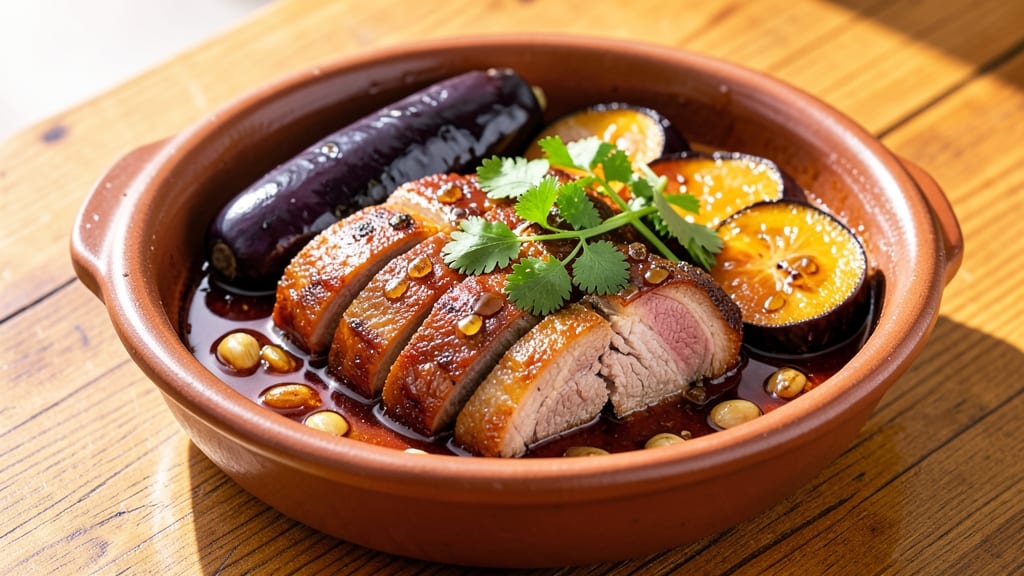
This Adobong Talong with Pork delivers the perfect balance of smoky, tangy, and savory flavors that define Filipino comfort food. 🔥 After years of perfecting adobo techniques, I've adapted this classic dish to feature tender eggplant alongside juicy pork bites—both bathed in a rich, caramelized sauce that's impossible to resist.
The secret lies in slow cooking the eggplant just enough to soften it while preserving texture, creating a dish that's both hearty and elegant.
The beauty of this recipe is its simplicity—just a handful of pantry staples transform into a restaurant-quality meal. We start with pork bites marinated in a blend of soy sauce, vinegar, and garlic, then braise everything together until the sauce thickens into a glossy, flavorful glaze.
The eggplant absorbs the adobo's deep flavors while staying tender, making this a complete dish that's as satisfying as it is delicious.
What you'll end up with is a smoky, slightly sweet, and tangy stew where each bite delivers perfectly tender pork and eggplant in a sauce that's rich yet balanced.
The aroma alone will have everyone gathering around the table, and the flavors only get better as they meld together over time. This is the kind of dish that feels like a hug in a bowl—comforting, familiar, yet always exciting.
Serve it with steamed rice to soak up every last drop of that flavorful sauce, or enjoy it as-is for a filling meal that's perfect for family dinners or special gatherings. The technique is straightforward, but the results are anything but ordinary. Let's get cooking!
Ingredients for adobong talong with pork
Pantry staples meet Filipino flavors in this smoky, tangy pork and eggplant dish.
| Ingredient | Amount | Notes |
|---|---|---|
| Pork Shoulder 🥩 | 1 ½ lb | Cut into 1.5-inch cubes, boneless |
| Eggplant 🍆 | 2 medium | Filipino or Japanese variety preferred |
| Soy Sauce 🍶 | ½ cup | Dark or regular, not low-sodium |
| Cane Vinegar 💧 | ¼ cup | White vinegar substitute if needed |
| Garlic Cloves 🧄 | 8 cloves | Minced, not powdered |
| Brown Sugar 🍯 | ¼ cup | Light or dark, packed |
| Bay Leaves 🍃 | 2 whole | Dried, for depth of flavor |
| Black Peppercorns 🌶️ | 1 tsp | Crushed, not ground |
| Olive Oil 🫒 | 2 tbsp | For searing pork |
| Salt 🧂 | 1 ½ tsp | Kosher or sea salt |
| Ground Black Pepper 🌶️ | ½ tsp | Freshly ground preferred |
| Green Onions 🧅 | 3 whole | Sliced, for garnish |
The eggplant is key here—Filipino or Japanese varieties are ideal, but regular works too. Asian grocery stores usually carry the best selection, but any firm, unblemished eggplant will do. Look for ones that are heavy for their size, indicating moisture and tenderness. Pork shoulder is a must for that melt-in-your-mouth texture, but pork loin works in a pinch if you're short on time. The soy sauce should be dark for that authentic adobo color, but regular works fine if that's what you've got. I always grab Kikkoman or Silver Swan when I'm at the Asian market, but the grocery store brands are perfectly fine too.
No cane vinegar? White vinegar or apple cider vinegar will work, though the flavor will be slightly different. The brown sugar adds just enough sweetness to balance the tang—don't skip it, but don't overdo it either. Want more depth? Add a 1-inch piece of ginger, sliced thin. The garlic can be minced by hand or pulsed quickly in a food processor, but don't make it into a paste. The bay leaves might seem small, but they pack a punch—remove them before serving. For extra smokiness, char the garlic slightly in a dry pan before adding it to the sauce. Trust me on this one.
This dish tastes even better the next day as the flavors meld together. Store leftovers in an airtight container in the fridge for up to 4 days. The sauce thickens as it cools, so a splash of water or vinegar will bring it back to perfection when reheating. I always make extra because it reheats beautifully—perfect for quick lunches. Freezes well for 3 months if you want to prep ahead. Just thaw overnight in the fridge before reheating.
Why You'll Love This Recipe
- One-Pan Magic: The pork shoulder and eggplant share the same skillet—no extra pots, no fuss. Just brown the meat, toss in the sliced eggplant, and let the vinegar and soy sauce work their sauce magic while you stir. (Yes, even on a Tuesday night.)
- Garlic-Soy Bomb: That first bite? The pork’s tender pull-apart texture meets the eggplant’s silky, caramelized edges, all tangled in a glossy, tangy-sweet sauce. Honestly, the garlic cloves roasted right in the pan take it from good to “why haven’t I made this sooner?”
- Leftovers That Lie: This dish tastes better the next day—yes, really. The flavors meld into something deeper, and reheating it turns into a quick lunch or dinner. Between us, I’ve “forgotten” to eat it fresh and still ended up happy.
- Budget Stretch: Pork shoulder is cheap, eggplant lasts forever, and a splash of vinegar goes a long way. You’re feeding a crowd for less than takeout, and the leftovers? Free meals for lazy days. Not the prettiest, but the taste makes up for it every time.
Step-by-step instructions for Adobong Talong with pork
Here's how to create this rich, smoky Filipino dish with tender pork and caramelized eggplant.
🔥 Step 1: Sear the Pork Shoulder for Maximum Flavor
Heat the 2 tablespoons olive oil in a large Dutch oven or heavy pot over medium-high heat until shimmering. Add the 1.5 pounds pork shoulder cut into 1.5-inch cubes and sear in batches—don't overcrowd the pan. You're looking for deep golden brown color on all sides, about 3-4 minutes per batch.
Once browned, transfer the pork to a plate and set aside. The reason we sear first is to develop that deep, meaty flavor that'll infuse into the sauce. If the oil starts smoking before the pork browns, reduce the heat slightly—you want a sizzle, not a fire.
🍳 Step 2: Build the Smoky Sauce Base
In the same pot, reduce heat to medium and add the 8 minced garlic cloves and 1 teaspoon crushed black peppercorns. Sauté for 1 minute until fragrant—you'll smell that garlic releasing its sweet aroma. Be careful not to burn the garlic; it should just turn golden, not dark brown.
Add the 2 whole bay leaves, 0.5 cup soy sauce, and 0.25 cup cane vinegar. Stir well and let the mixture simmer for 3-4 minutes until the vinegar smell starts to dissipate. This step develops the foundational flavors of the adobo.
🥘 Step 3: Prepare and Add the Eggplant
While the sauce simmers, prepare the 2 medium eggplant. Cut into 1-inch chunks and sprinkle generously with 1.5 teaspoons salt—this draws out excess moisture so they absorb the sauce better. Let them sit in a colander for 15 minutes while you finish the pork.
After salting, pat the eggplant dry with paper towels. This step is crucial—wet eggplant will make your sauce watery. Add the eggplant to the pot with the pork and stir gently to coat with the sauce. Increase heat to medium-high and bring to a gentle boil.
⏰ Step 4: Simmer Until Tender and Glazed
Cover the pot and reduce heat to low. Let it simmer for 45-50 minutes, stirring occasionally, until the pork is fork-tender and the eggplant is soft when pierced with a knife. You'll know it's ready when the sauce has thickened and the pork pulls apart easily.
Stir in the 0.25 cup brown sugar and 0.5 teaspoon ground black pepper during the last 10 minutes of cooking. This adds that perfect balance of sweetness and subtle heat that makes adobo so addictive. The sauce should coat the back of a spoon by the end.
🍽️ Step 5: Finish and Garnish
Remove the 2 bay leaves and discard them. Taste the sauce and adjust seasoning if needed—you might want to add a splash more soy sauce for saltiness or a little more vinegar for tang. The perfect adobo should be sweet, salty, tangy, and slightly smoky all at once.
Garnish with the 3 sliced green onions and serve immediately with steamed rice. The eggplant should be tender but still hold its shape, and the pork should be juicy with that signature adobo glaze. This dish tastes even better the next day as the flavors meld further!
Pro Tips For Making Adobong Talong With Pork
- CHAR THE GARLIC FIRST: I used to toss whole garlic cloves in raw—big mistake. Smash 8-10 cloves flat with the side of your knife, then fry in pork fat until they’re golden and crispy (about 2 minutes). That nutty aroma cuts through the vinegar’s sharpness and makes the whole dish sing. Skip this, and your sauce will taste flat.
- SALT THE PORK TWICE: Generously salt the pork shoulder the night before, then rinse and pat dry. After browning, sprinkle another layer of salt before adding vinegar—this locks in moisture and balances the acid. I learned this the hard way when my first batch turned out dry and tangy instead of rich.
- CUT EGPLANT IN CHUNKS: Slice eggplant into 1.5-inch cubes (not thin rounds) so they hold their shape while absorbing flavor. If you’re short on time, microwave them for 3 minutes first—they’ll soften faster without turning mushy. Thin slices? They’ll disintegrate into the sauce.
- SIMMER LOW AND LONG: After the initial sear, drop heat to medium-low and let the sauce bubble gently for at least 45 minutes. The pork needs time to fall apart, and the eggplant to soak up the adobo. I used to rush it, and the result was always either raw pork or bland sauce. Patience here makes the difference.
Serving suggestions for this dish
Steamed Rice Pairing
This dish is a match made in heaven with steamed jasmine rice—the slightly sweet, fragrant grains soak up every drop of that rich adobo sauce. I always cook 2 cups uncooked rice with 2.5 cups water in a rice cooker, letting it steam until fluffy.
The contrast between the tender rice and the caramelized pork and eggplant makes each bite unforgettable. 🍚
Crispy Fried Eggplant
For a textural contrast, serve alongside crispy fried eggplant slices. Toss eggplant slices in cornstarch and shallow-fry in hot oil until golden. The crispy exterior pairs perfectly with the soft, saucy eggplant in the adobo. I use Filipino-style eggplant for extra tenderness, but any variety works.
Garlic Fried Rice
Use leftover rice to make garlic fried rice—sauté 2 cups day-old rice with 3 minced garlic cloves, 1 tbsp soy sauce, and a pinch of white pepper.
Top with a fried egg if you're feeling extra indulgent. This adds another layer of flavor that complements the adobo beautifully.
Warm Crusty Bread
A warm, crusty baguette or Filipino pandesal is perfect for mopping up the sauce. I love toasting slices until golden and serving them on the side. The bread's texture contrasts nicely with the tender pork and eggplant, making it a satisfying addition to the meal. 🥖
Simple Green Salad
Balance the richness with a light green salad of mixed greens, sliced cucumbers, and a lime vinaigrette (mix 2 tbsp lime juice, 1 tbsp olive oil, and a pinch of salt).
The acidity cuts through the smoky-sweet flavors of the adobo, refreshing your palate with every bite.
Extra Sauce for Dipping
Don’t let a single drop of that glorious adobo sauce go to waste! Serve a small bowl of the sauce on the side for dipping. It’s especially delicious with steamed rice or crusty bread. The extra sauce also makes this dish feel like a restaurant-quality meal at home. 💛
Nutrition facts
Frequently asked questions
Why does the recipe call for salting the eggplant first?
Salting the eggplant 15 minutes before cooking removes excess moisture, which prevents the sauce from becoming watery. This step is crucial for achieving that perfect tender texture while keeping the eggplant from turning mushy. Filipino-style eggplant varieties respond especially well to this method.
Can I substitute pork shoulder with another cut?
Yes! For quicker cooking, use pork loin cut into 1-inch cubes—it'll be ready in about 30 minutes instead of 45-50 minutes. If you prefer extra tenderness, pork belly works beautifully but requires 10-15 minutes longer simmering time. Just adjust the cooking time based on your cut.
What if my sauce isn't thick enough?
If the sauce is too thin, uncover the pot and simmer for an extra 10-15 minutes to reduce it. For a quicker fix, mix 1 tablespoon cornstarch with 2 tablespoons water, stir into the sauce, and simmer for 2-3 minutes until thickened. Never skip the simmering time—rushing leads to watery results.
How do I make this dish spicier?
Add 1-2 teaspoons of chili flakes or 1 fresh chili pepper (like siling labuyo) when building the sauce base. For heat lovers, stir in 1 teaspoon of ground black pepper at the end. Remember, the sauce will intensify as it cools, so start with less if you're unsure.
Can I prep this ahead of time?
This dish tastes even better the next day! Cook it completely, then store in an airtight container in the fridge for up to 4 days. Reheat gently on the stove with a splash of water or vinegar to restore the sauce's consistency. For freezing, portion into containers and keep for 3 months—thaw overnight before reheating.